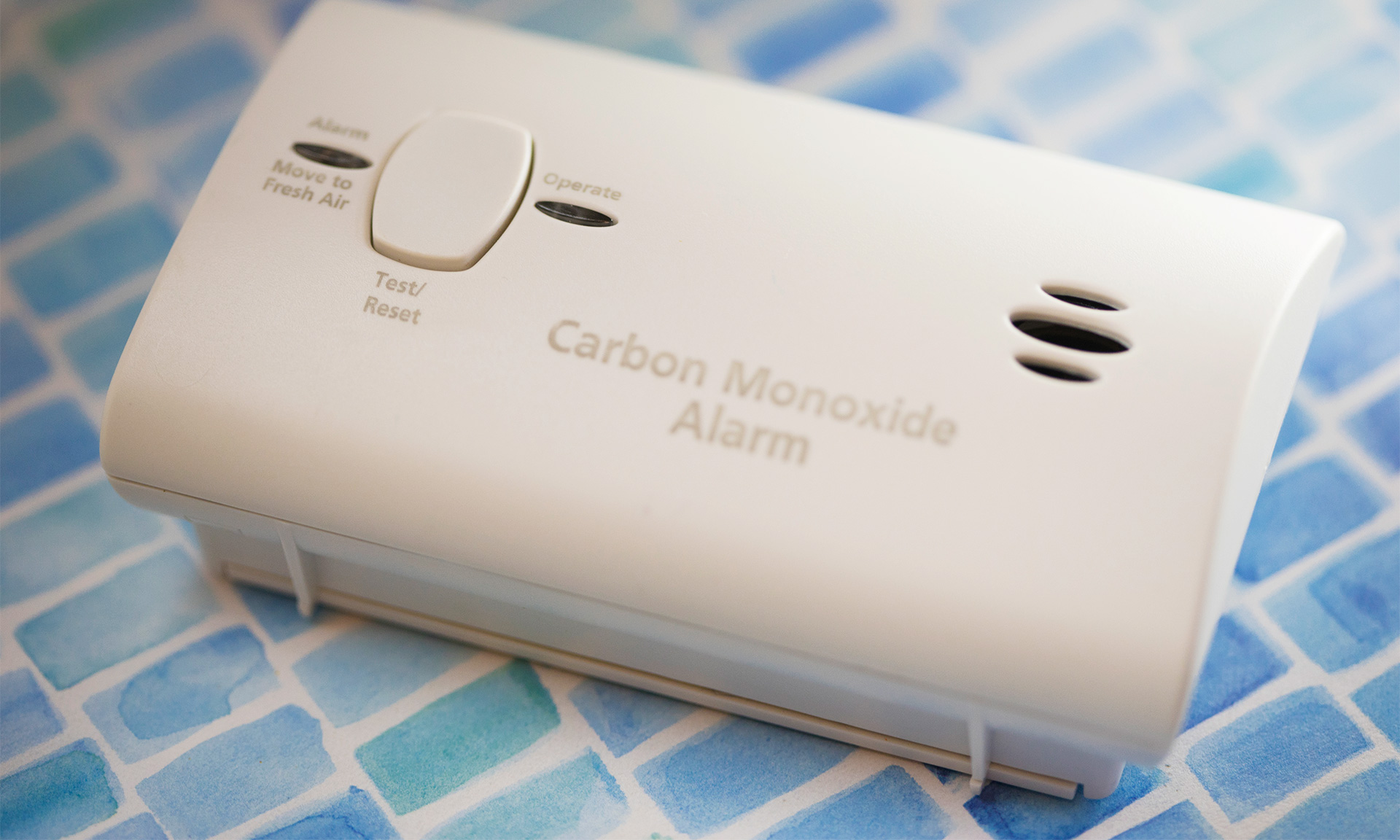
What Is A Carbon Monoxide Alarm

Carbon monoxide (CO) is an odorless, colorless, and tasteless gas that can be deadly. It's produced by the incomplete combustion of fuels like natural gas, propane, oil, wood, and even gasoline. Because you can’t see, smell, or taste it, a carbon monoxide alarm is your only line of defense. This article will cover the essentials of carbon monoxide alarms, including how they work, where to install them, maintenance tips, and the benefits of integrating them with smart home HVAC systems for improved energy efficiency and safety.
What is Carbon Monoxide and Why is it Dangerous?
Carbon monoxide poisoning occurs when CO builds up in your bloodstream. When inhaled, CO displaces oxygen, depriving vital organs like the heart and brain of the oxygen they need to function properly. Symptoms of CO poisoning can mimic the flu, including headache, dizziness, weakness, nausea, vomiting, chest pain, and confusion. Prolonged exposure can lead to loss of consciousness, brain damage, and even death. The Centers for Disease Control and Prevention (CDC) estimates that CO poisoning sends tens of thousands of people to the emergency room each year, and sadly, causes hundreds of deaths in the United States annually.
Common sources of CO in homes include:
- Furnaces and Boilers: Malfunctioning or poorly maintained heating systems are a primary source.
- Fireplaces: Wood-burning fireplaces can release CO if not properly ventilated.
- Gas Appliances: Gas stoves, ovens, water heaters, and clothes dryers can produce CO if not properly maintained.
- Portable Generators: Never run a generator indoors or in attached garages. Always operate generators outdoors in a well-ventilated area.
- Vehicles: Running a car in an attached garage, even with the door open, can quickly lead to dangerous CO levels.
- Charcoal Grills: Similar to generators, charcoal grills should only be used outdoors.
How Carbon Monoxide Alarms Work
Carbon monoxide alarms are designed to detect CO levels in the air and alert you with a loud audible alarm before the levels become dangerous. There are primarily three types of CO detection technologies:
- Biomimetic Sensor: This type uses a gel that changes color in the presence of CO. The color change triggers the alarm.
- Metal Oxide Semiconductor: These sensors use a semiconductor whose resistance changes when it comes into contact with CO.
- Electrochemical Sensor: The most common type, electrochemical sensors contain electrodes in a chemical solution. When CO is present, it causes a chemical reaction that generates a current, triggering the alarm. Electrochemical sensors are generally considered to be the most accurate and reliable.
CO alarms measure CO levels in parts per million (ppm). The higher the CO concentration and the longer the exposure, the faster an alarm will sound. Underwriters Laboratories (UL) standard 2034 outlines the alarm response times. For example, at 70 ppm, the alarm must sound within 60-240 minutes; at 150 ppm, within 10-50 minutes; and at 400 ppm, within 4-15 minutes.
Where to Install Carbon Monoxide Alarms
Proper placement of CO alarms is critical for ensuring early detection and protecting your family. Follow these guidelines for optimal placement:
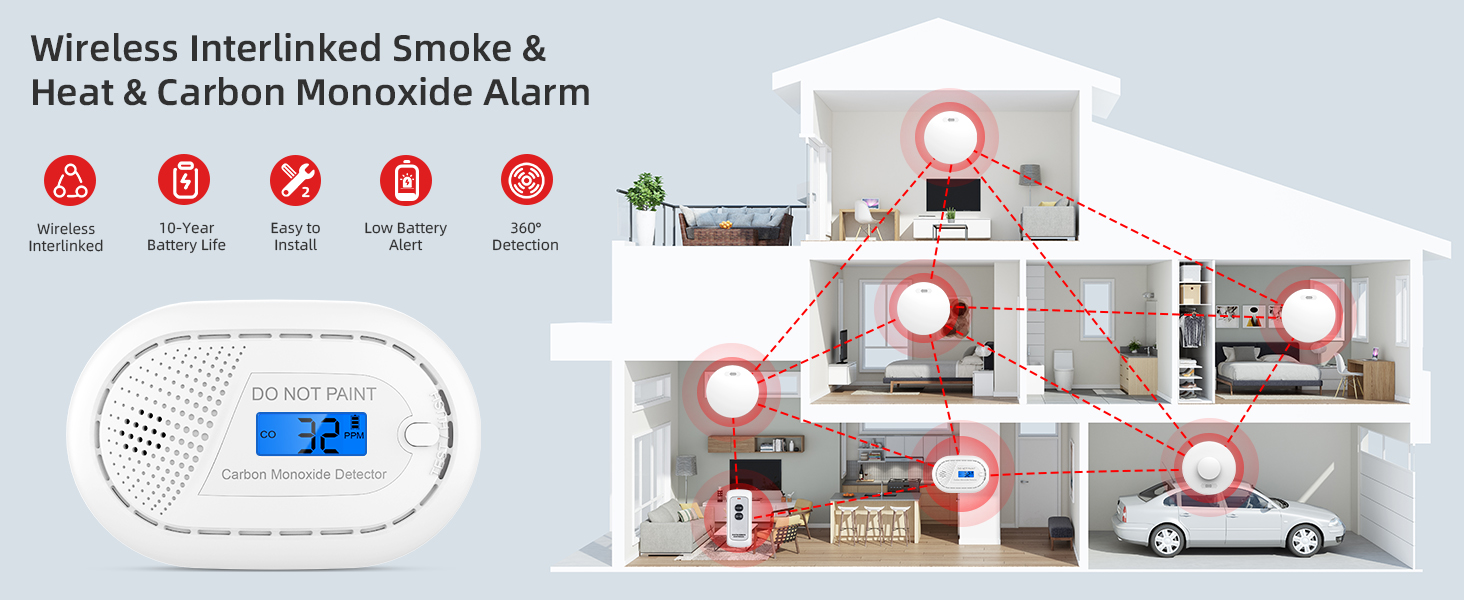
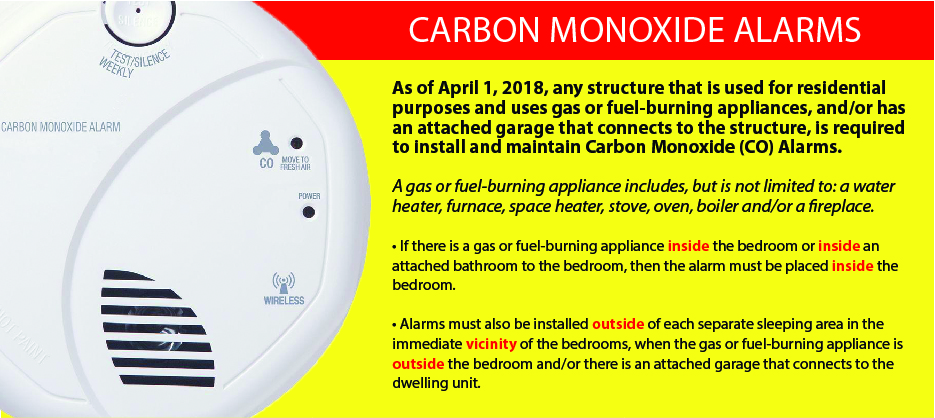
- Install on Every Level: Place at least one CO alarm on every level of your home, including the basement.
- Near Sleeping Areas: Install alarms in or near bedrooms. This is crucial because people are most vulnerable when they are sleeping.
- Outside of Sleeping Areas: If bedrooms are located on multiple floors, install alarms outside of each sleeping area.
- Follow Manufacturer’s Instructions: Always refer to the manufacturer's instructions for specific placement recommendations. Some alarms should be mounted on the wall, while others can be placed on a table or shelf.
- Avoid Obstructions: Do not place alarms behind furniture, curtains, or other obstructions that could block airflow.
- Away from Fuel-Burning Appliances: While alarms should be near potential CO sources, avoid placing them directly next to appliances like furnaces or stoves.
- Consider Smart Home Integration: Smart CO alarms can be integrated with your smart home system to provide remote monitoring and alerts, even when you're away from home.
Energy Star recommends that CO alarms be placed at least 15 feet away from fuel-burning appliances to prevent false alarms.
Carbon Monoxide Alarm Maintenance
Regular maintenance is essential to ensure your CO alarms are functioning properly. Here are some important maintenance tips:
- Test Regularly: Test your CO alarms monthly by pressing the test button. If the alarm doesn't sound, replace the batteries or the entire unit.
- Replace Batteries: Replace the batteries in your CO alarms at least every six months, or according to the manufacturer's recommendations. Consider using long-life lithium batteries for extended performance. Some alarms have a 10-year sealed battery, which eliminates the need for battery replacements during the alarm's lifespan.
- Clean Regularly: Dust and debris can accumulate on CO alarms, affecting their performance. Clean the alarm regularly with a soft brush or vacuum cleaner attachment.
- Replace Alarms: CO alarms have a limited lifespan, typically 5-10 years. Check the manufacturer's instructions for the expiration date and replace the alarm accordingly. Many alarms have an end-of-life signal that will sound when it's time for replacement.
- Keep Records: Keep a record of when you test and replace your CO alarms. This will help you stay on top of maintenance and ensure your alarms are always in good working order.
Benefits of Smart Carbon Monoxide Alarms and HVAC Integration
Integrating your CO alarm with a smart home system offers several benefits beyond basic CO detection:
- Remote Monitoring: Receive alerts on your smartphone or tablet if CO is detected, even when you're away from home. This allows you to take immediate action, such as calling emergency services or notifying family members.
- Interconnected Alarms: Smart CO alarms can be interconnected, so if one alarm sounds, all alarms in the house will sound, providing comprehensive protection.
- HVAC System Shutdown: Some smart CO alarms can be integrated with your HVAC system to automatically shut down the furnace or other fuel-burning appliances if CO is detected, preventing further CO buildup. This is especially valuable for energy efficient homes with airtight construction.
- Data Logging and Analysis: Smart CO alarms can track CO levels over time, providing valuable data for identifying potential CO sources and preventing future incidents.
- Integration with Smart Thermostats: Smart thermostats can be programmed to adjust the HVAC system based on CO levels, further enhancing safety and energy efficiency. For instance, if CO is detected, the thermostat can switch the system to ventilation mode to circulate fresh air.
- Voice Assistant Compatibility: Many smart CO alarms are compatible with voice assistants like Amazon Alexa and Google Assistant, allowing you to check CO levels and receive alerts via voice commands.
The ROI of a smart CO alarm extends beyond just peace of mind. By proactively addressing potential CO issues and integrating with your HVAC system, you can improve energy efficiency, prevent costly repairs, and potentially save lives.
Choosing the Right Carbon Monoxide Alarm
When selecting a carbon monoxide alarm, consider the following factors:
- Certification: Look for alarms that are certified by a recognized testing laboratory, such as Underwriters Laboratories (UL) or Intertek (ETL). This ensures that the alarm meets industry standards for performance and safety.
- Type of Sensor: Electrochemical sensors are generally considered to be the most accurate and reliable.
- Power Source: Choose between battery-powered, hardwired, or combination alarms. Battery-powered alarms are easy to install, while hardwired alarms offer continuous power and often include a battery backup. Combination alarms provide both options.
- Smart Features: Consider whether you want a smart CO alarm with features like remote monitoring, interconnected alarms, and HVAC integration.
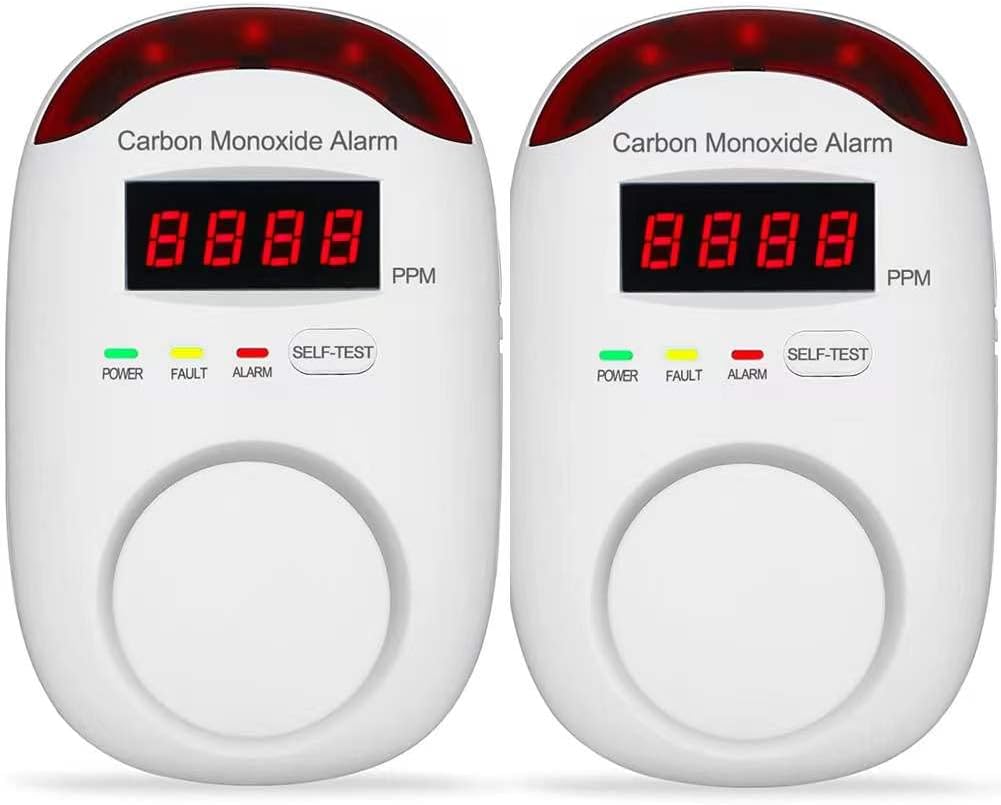
- Display: Some alarms have a digital display that shows the current CO level in ppm. This can be helpful for monitoring CO levels and identifying potential problems.
- Price: CO alarm prices vary depending on the features and brand. Consider your budget and needs when making your selection.
According to a report by the National Fire Protection Association (NFPA), having a working CO alarm significantly increases your chances of surviving a CO incident.
Government Guidelines and Rebates
Many states and municipalities have laws requiring CO alarms in homes and businesses. Check your local regulations to ensure you comply with all applicable requirements. Additionally, some utility companies and government agencies offer rebates and incentives for installing energy-efficient CO alarms and smart home systems. Contact your local utility company or visit the Energy Star website to learn more about available rebates.
Conclusion
A carbon monoxide alarm is a vital safety device that can protect you and your family from the dangers of CO poisoning. By understanding how CO alarms work, where to install them, and how to maintain them, you can ensure that your home is protected. Integrating smart CO alarms with your HVAC system can further enhance safety and energy efficiency, providing peace of mind and potentially saving lives. Investing in a quality CO alarm and prioritizing its maintenance is a small price to pay for the safety and well-being of your loved ones.