What Is A Central Air Compressor

Understanding your central air conditioning system can feel daunting, especially when you encounter terms like "central air compressor." This guide aims to demystify the compressor, explaining its function, importance, and potential issues in a clear and accessible manner. By the end, you'll have a solid grasp of what this vital component does and why it matters for your home's comfort.
What Exactly is a Central Air Compressor?
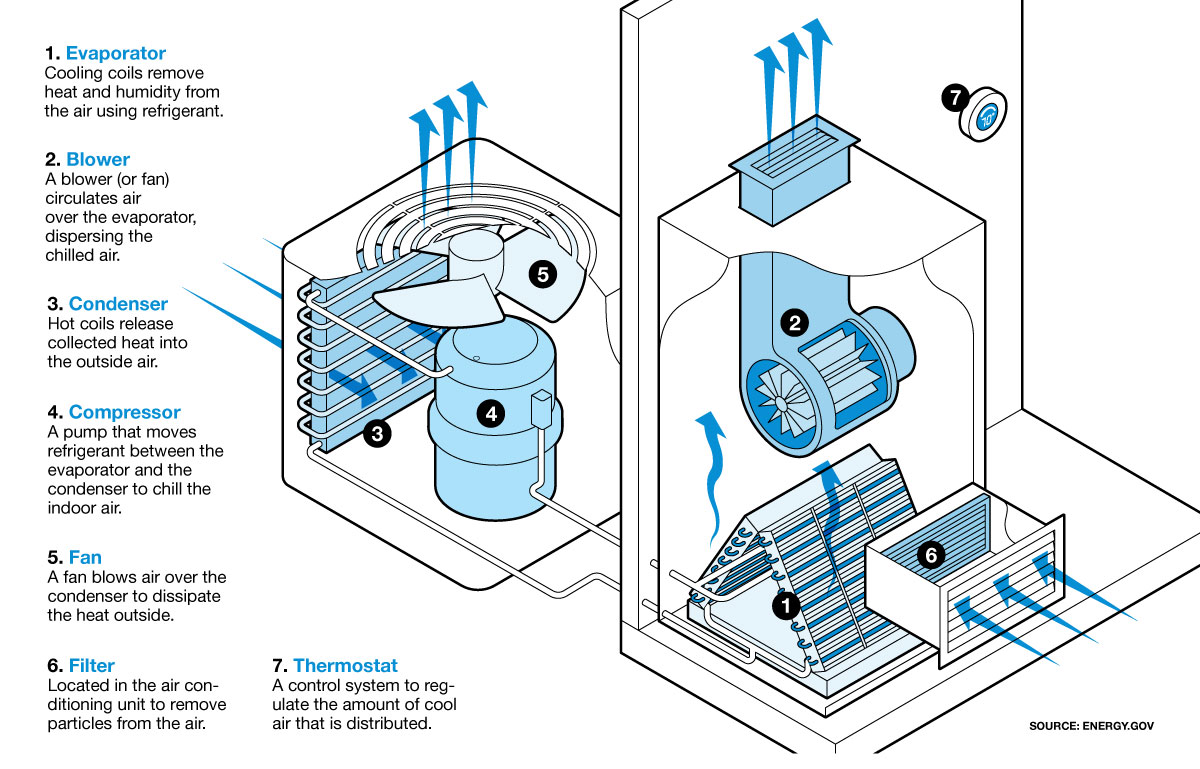
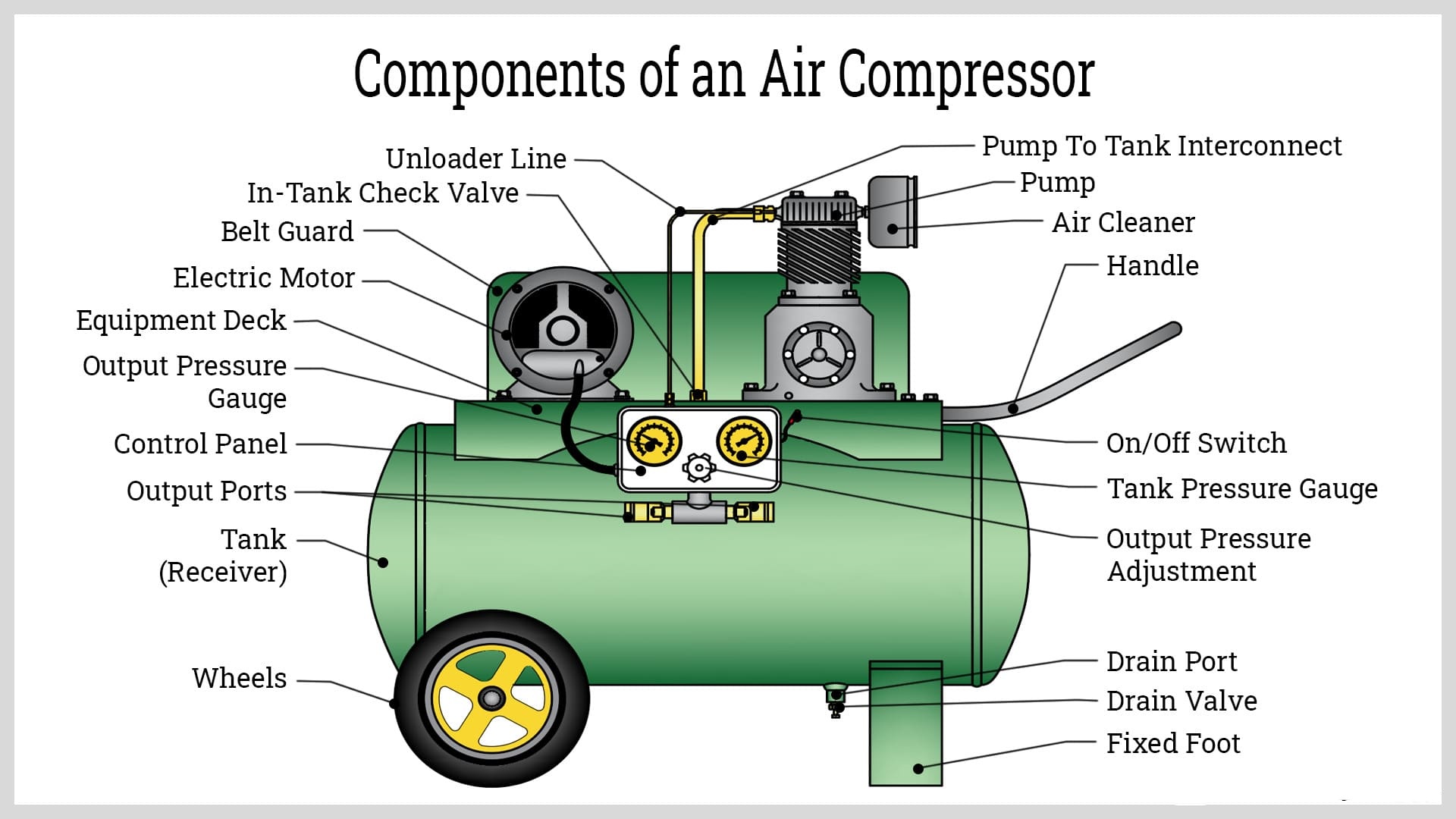
The central air compressor is the heart of your air conditioning system. It's a mechanical device, typically located in the outdoor unit, responsible for circulating refrigerant throughout the entire AC system.
Think of refrigerant as the "blood" of your AC system. It's a special chemical that absorbs heat from inside your home and carries it outside. The compressor's job is to pump this refrigerant, ensuring it moves through the system efficiently.
Without a properly functioning compressor, your AC system simply won't cool your home effectively. It's a critical component that impacts both the performance and energy efficiency of your entire system.
The Compressor's Role in the Cooling Cycle
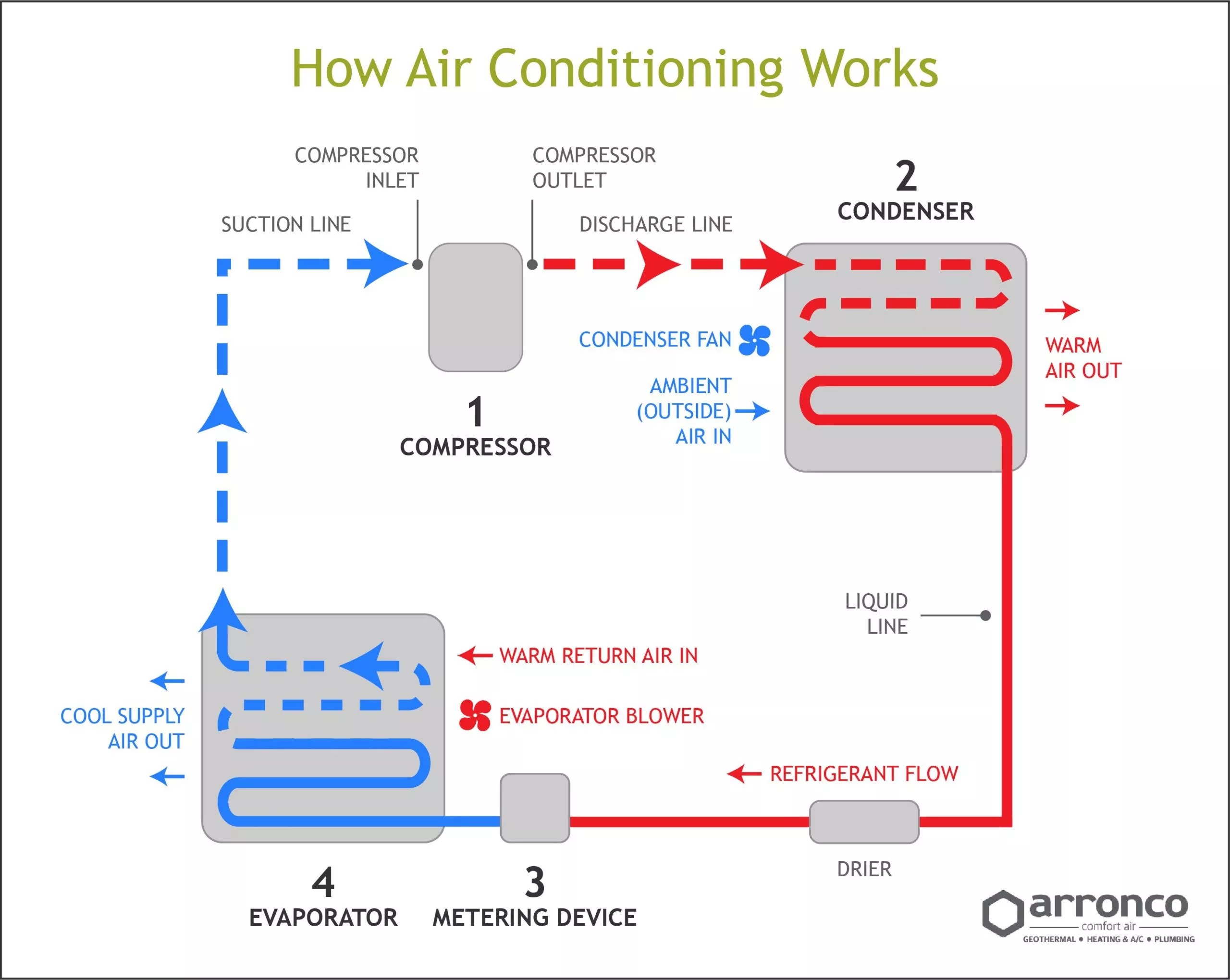
To understand the compressor's role, let's briefly review the air conditioning cycle:
- Refrigerant in the indoor evaporator coil absorbs heat from the air inside your home, turning from a low-pressure liquid into a low-pressure gas.
- This low-pressure, gaseous refrigerant then flows to the compressor.
- The compressor does exactly what its name implies: it compresses the refrigerant. This compression increases both the pressure and the temperature of the refrigerant.
- The high-pressure, high-temperature refrigerant flows to the outdoor condenser coil.
- In the condenser coil, the refrigerant releases the heat it absorbed from inside your home to the outside air, turning back into a high-pressure liquid.
- The high-pressure liquid refrigerant then flows through an expansion valve, which reduces its pressure and temperature before it returns to the evaporator coil to begin the cycle again.
The compressor is the key player in raising the refrigerant's pressure and temperature, enabling it to effectively release heat in the condenser.
How Does a Central Air Compressor Work?
Central air compressors come in various types, but they all operate on the same fundamental principle: reducing the volume of a gas to increase its pressure and temperature. Here are the common types:
Types of Compressors
- Reciprocating Compressors: These compressors use a piston inside a cylinder to compress the refrigerant. They are similar in design to a car engine, with the piston moving back and forth to compress the gas. While generally reliable, they can be noisy and have more moving parts, which can lead to wear and tear.
- Rotary Compressors: These compressors use a rotating mechanism to compress the refrigerant. There are two main types of rotary compressors:
- Rotary Vane Compressors: These use vanes that slide in and out of a rotor to compress the refrigerant.
- Scroll Compressors: These use two spiral-shaped scrolls, one fixed and one orbiting, to compress the refrigerant. Scroll compressors are generally more efficient and quieter than reciprocating compressors.
- Screw Compressors: These compressors use two intermeshing screws to compress the refrigerant. They are typically used in large commercial and industrial applications due to their high capacity and efficiency.
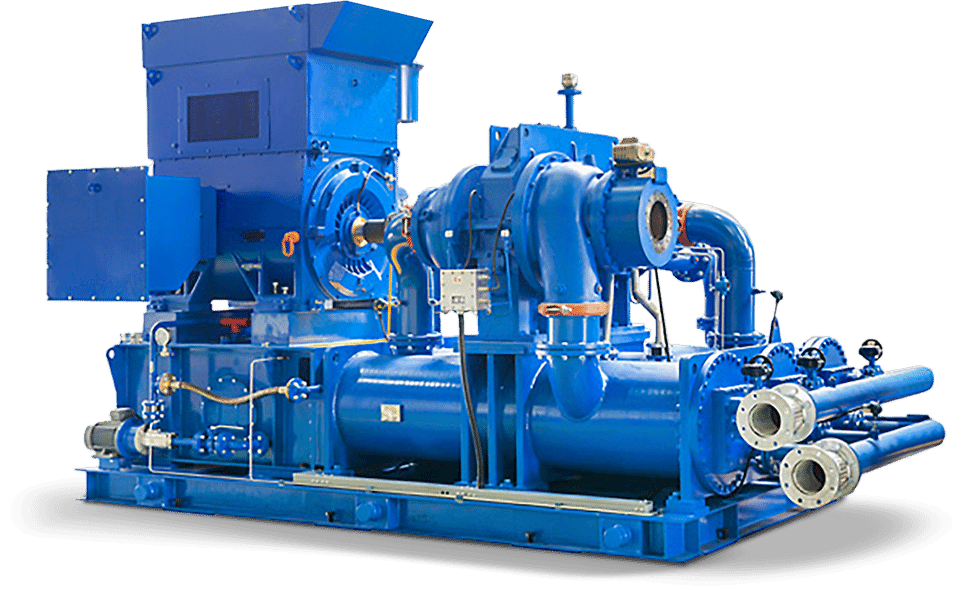
- Centrifugal Compressors: These compressors use a rotating impeller to increase the velocity of the refrigerant, which is then converted into pressure. Like screw compressors, they are commonly found in large commercial and industrial settings.
For residential central air systems, scroll compressors are the most common type due to their efficiency, quiet operation, and reliability. Reciprocating compressors are older technology and are less common in modern systems.
The Compression Process (Simplified)
Regardless of the type, the compression process essentially involves:
- Intake: The compressor draws in low-pressure, gaseous refrigerant from the evaporator coil.
- Compression: The compressor uses a mechanical action (piston, rotating scroll, etc.) to reduce the volume of the refrigerant, thereby increasing its pressure and temperature.
- Discharge: The compressor forces the high-pressure, high-temperature refrigerant out to the condenser coil.
This continuous cycle of intake, compression, and discharge is what allows the AC system to effectively remove heat from your home.
Signs of a Failing Central Air Compressor
A failing compressor can lead to a variety of problems, ranging from reduced cooling to complete system failure. Recognizing the signs of a failing compressor early can save you money and prevent further damage.
Common Warning Signs
- Weak or No Cooling: This is the most obvious sign. If your AC is running but not cooling your home effectively, the compressor might be struggling or have failed completely.
- Unusual Noises: Loud banging, grinding, or hissing sounds coming from the outdoor unit can indicate a problem with the compressor. These sounds can be caused by worn-out parts, refrigerant leaks, or internal damage.
- Increased Energy Bills: A failing compressor has to work harder to compress the refrigerant, which can lead to a significant increase in your energy bills.
- Circuit Breaker Tripping: A failing compressor can draw excessive current, causing the circuit breaker to trip frequently.
- Refrigerant Leaks: Leaks around the compressor can indicate damage to the compressor or its seals. Refrigerant leaks are not only bad for the environment but can also damage the compressor and other components of the AC system.
- Overheating: If the outdoor unit is excessively hot to the touch, the compressor might be overheating due to internal problems.
If you notice any of these signs, it's important to contact a qualified HVAC technician to diagnose the problem and recommend a solution.
Causes of Central Air Compressor Failure
Several factors can contribute to compressor failure. Understanding these causes can help you take preventative measures to prolong the life of your compressor.
Common Causes
- Refrigerant Leaks: Low refrigerant levels can cause the compressor to overheat and work harder, leading to premature failure. Leaks can be caused by corrosion, damage to refrigerant lines, or faulty connections.
- Contamination: Dirt, debris, and moisture can contaminate the refrigerant and oil, causing the compressor to wear out faster. Proper maintenance, including regular filter changes, is crucial to prevent contamination.
- Electrical Problems: Voltage fluctuations, faulty wiring, and blown fuses can damage the compressor motor. Electrical issues should be addressed promptly to prevent further damage.
- Overheating: Insufficient airflow around the outdoor unit, dirty condenser coils, or a failing fan motor can cause the compressor to overheat.
- Lack of Maintenance: Neglecting routine maintenance, such as cleaning the condenser coils and changing the air filter, can lead to a variety of problems that can ultimately damage the compressor.
- Age: Like any mechanical component, compressors have a limited lifespan. As they age, they become more prone to failure.
Central Air Compressor Repair vs. Replacement
When a compressor fails, you'll typically face two options: repair or replacement. The best option depends on the severity of the damage, the age of the system, and the cost of each option.
Factors to Consider
- Severity of the Damage: Minor issues, such as a refrigerant leak or a faulty capacitor, might be repairable. However, major internal damage usually necessitates replacement.
- Age of the System: If your AC system is more than 10 years old, replacing the entire system might be more cost-effective in the long run. A new system will be more energy-efficient and come with a warranty.
- Cost: Compressor replacement can be a significant expense. Get quotes from multiple HVAC contractors to compare prices and understand the scope of the work. Factor in the cost of refrigerant, labor, and any necessary modifications to the system.
- Warranty: Check the warranty on your AC system and the compressor. If the compressor is still under warranty, the manufacturer might cover the cost of replacement.
- Refrigerant Type: Older systems might use R-22 refrigerant, which is being phased out. If your system uses R-22, replacing the entire system with one that uses a more environmentally friendly refrigerant like R-410A might be a better option.
Making the Decision
It's crucial to consult with a qualified HVAC technician to assess the damage and provide recommendations. They can evaluate the condition of the compressor, the age of the system, and the cost of repair versus replacement to help you make an informed decision.
In general, if the compressor is severely damaged, the system is old, and the cost of repair is close to the cost of replacement, replacement is usually the more sensible option. However, if the damage is minor, the system is relatively new, and the cost of repair is significantly lower than the cost of replacement, repair might be a viable option.
Extending the Life of Your Central Air Compressor
While compressor failure is sometimes inevitable, you can take steps to prolong its lifespan and ensure optimal performance.
Preventative Measures
- Regular Maintenance: Schedule annual maintenance checkups with a qualified HVAC technician. This includes cleaning the condenser coils, checking refrigerant levels, inspecting electrical connections, and lubricating moving parts.
- Change Air Filters Regularly: Dirty air filters restrict airflow, causing the system to work harder and potentially overheat. Change your air filters every 1-3 months, depending on usage and air quality.
- Keep the Outdoor Unit Clean: Remove leaves, debris, and vegetation from around the outdoor unit to ensure proper airflow.
- Address Refrigerant Leaks Promptly: If you suspect a refrigerant leak, contact a qualified technician immediately. Low refrigerant levels can damage the compressor.
- Protect the Outdoor Unit: Consider installing a cover over the outdoor unit during the winter months to protect it from snow, ice, and debris.
- Use a Surge Protector: Protect your AC system from power surges by using a surge protector.
- Don't Overwork the System: Avoid setting the thermostat too low, as this can cause the system to run continuously and put excessive strain on the compressor.
By following these preventative measures, you can help ensure that your central air compressor operates efficiently and reliably for years to come.
Conclusion
The central air compressor is a vital component of your AC system, responsible for circulating refrigerant and enabling the cooling process. Understanding its function, potential problems, and preventative measures can help you maintain a comfortable and energy-efficient home. By being proactive and addressing issues promptly, you can extend the life of your compressor and avoid costly repairs or replacements. Remember to consult with a qualified HVAC technician for any maintenance or repair needs.