What Is A Concealed Duct Mini Split

As energy costs continue to rise and sustainability becomes increasingly crucial, homeowners and businesses alike are seeking innovative solutions to reduce their carbon footprint and trim those hefty energy bills. One such solution gaining traction is the concealed duct mini-split system. Unlike traditional ducted systems or even ductless mini-splits mounted on walls, concealed duct mini-splits offer a discreet and efficient way to heat and cool your space. Let's delve into the details of this increasingly popular HVAC option.
Understanding Concealed Duct Mini-Splits
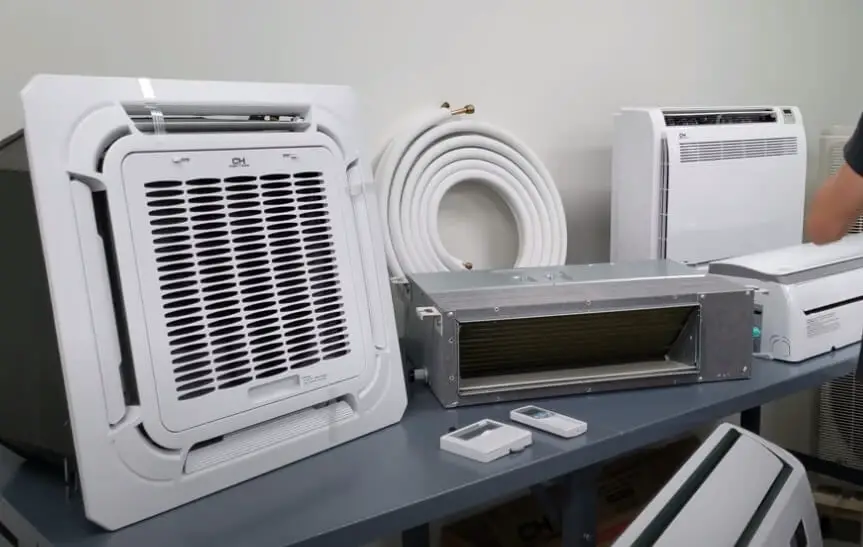
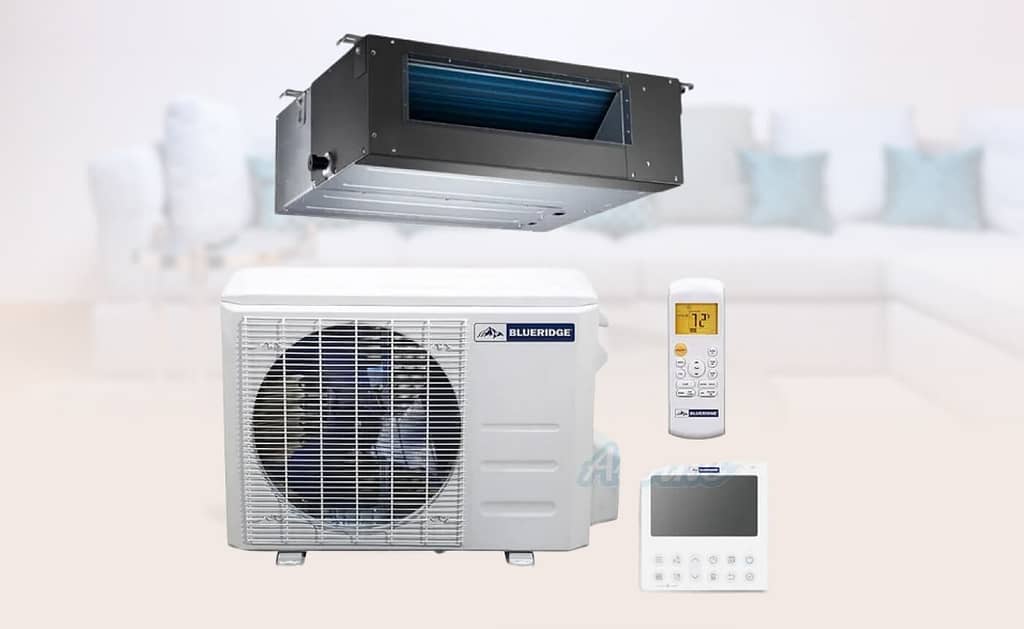
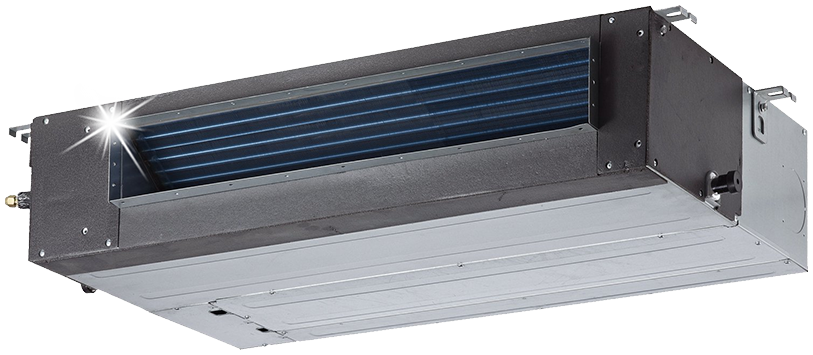
A concealed duct mini-split, also known as a ducted mini-split or a slim duct mini-split, is a type of ductless heating and cooling system that offers a more integrated and aesthetically pleasing alternative to traditional ductless units. Like other mini-split systems, it comprises two main components: an outdoor compressor/condenser unit and one or more indoor air handlers. However, instead of being directly mounted on a wall, the indoor unit is concealed within a ceiling or wall cavity, connected to short runs of ductwork that distribute conditioned air to different zones or rooms.
This design allows for a more even and consistent temperature distribution compared to traditional ductless units, which can sometimes create temperature imbalances within a room. The key difference is how the air is delivered: the concealed duct system uses short, strategically placed ducts to deliver air through vents, similar to a central HVAC system, but without the extensive (and often leaky) ductwork of older homes.
Key Components and Operation
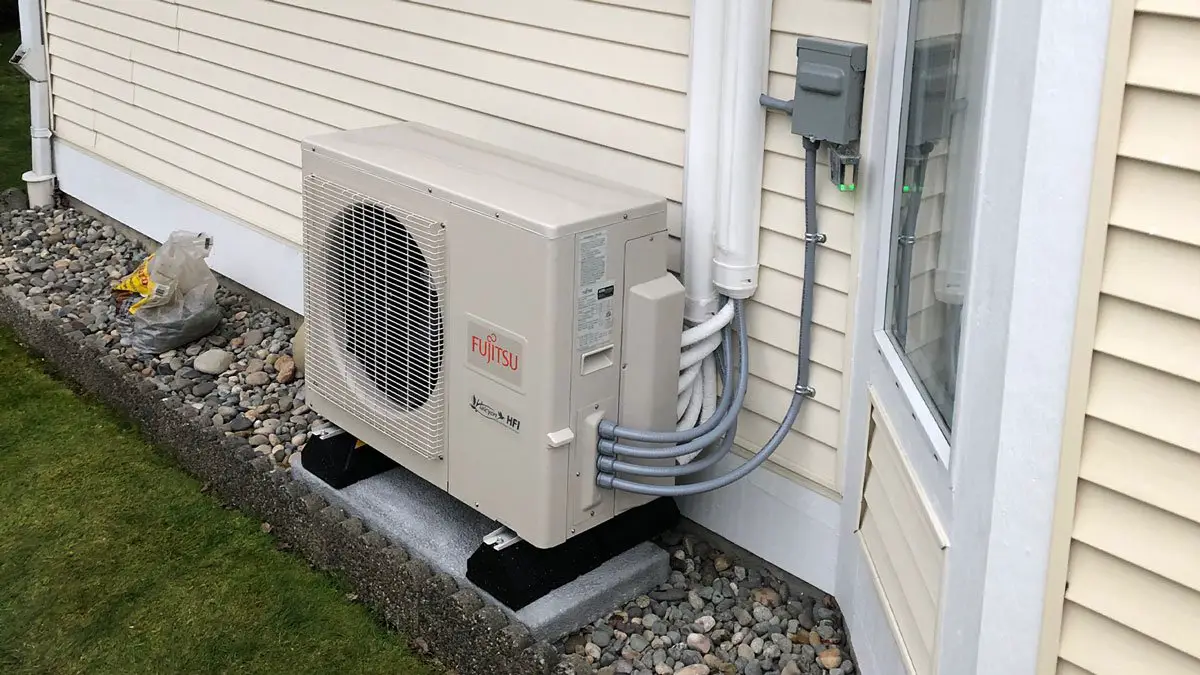
- Outdoor Unit (Compressor/Condenser): This unit houses the compressor and condenser coil, responsible for compressing and releasing refrigerant. It's typically placed outside the building on a concrete pad or mounted on a wall.
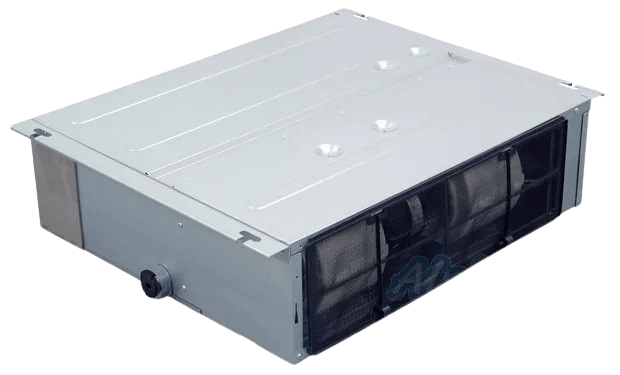
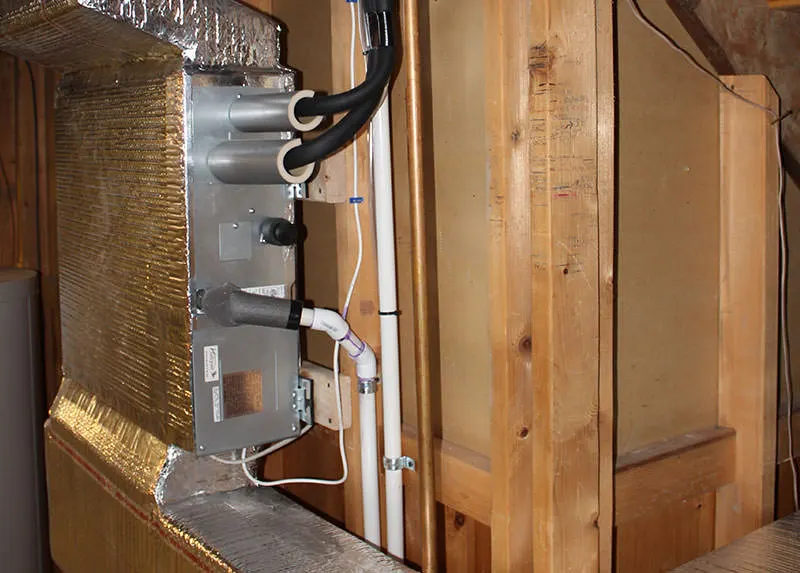
- Indoor Unit (Air Handler): This unit contains the evaporator coil and a fan that blows air across the coil to either heat or cool it. The air handler is hidden within a ceiling or wall cavity. Slim duct models are especially designed for tight spaces, making them ideal for retrofit installations.
- Refrigerant Lines: Insulated copper lines that carry refrigerant between the indoor and outdoor units.
- Ductwork: Short runs of insulated ductwork connect the indoor unit to air vents or registers in different rooms or zones.
- Control System: Usually includes a wireless remote control or a wired thermostat, allowing you to set the desired temperature and fan speed. Many systems are now compatible with smart thermostats for advanced control and energy monitoring.
Benefits of Concealed Duct Mini-Splits
Concealed duct mini-splits offer a compelling combination of efficiency, comfort, and aesthetics, making them a strong contender for homeowners and businesses looking to upgrade their HVAC systems.
- Aesthetics: The primary advantage is their discreet design. Since the indoor unit and ductwork are concealed, they blend seamlessly into the room's decor, preserving its aesthetic appeal. No more bulky wall units!
- Zoned Heating and Cooling: Like other mini-split systems, concealed duct units offer zoned heating and cooling, allowing you to control the temperature in individual rooms or zones. This can lead to significant energy savings by only heating or cooling occupied spaces. Data from the U.S. Department of Energy suggests that zoned systems can save up to 30% on energy bills compared to traditional central HVAC systems.
- Energy Efficiency: Mini-split systems, in general, are highly energy-efficient. Many models qualify for the Energy Star rating, signifying that they meet strict energy-efficiency guidelines set by the EPA. Look for models with high SEER (Seasonal Energy Efficiency Ratio) and HSPF (Heating Seasonal Performance Factor) ratings for optimal efficiency. Some units boast SEER ratings of 20 or higher.
- Quiet Operation: Concealed duct mini-splits are known for their quiet operation. The indoor unit is typically muffled by its location within a wall or ceiling, further minimizing noise.
- Improved Air Quality: Many systems include advanced air filtration systems that can remove dust, pollen, and other allergens from the air, improving indoor air quality.
- Installation Flexibility: While requiring some ductwork, the installation is generally less invasive than a full central HVAC system installation. They are particularly well-suited for homes without existing ductwork or for adding air conditioning to additions or converted spaces.
- Smart Home Integration: Many models offer compatibility with smart thermostats and home automation systems, allowing you to control your HVAC system remotely via your smartphone or voice assistant. Imagine adjusting the temperature from your office before you even get home! Smart thermostats learn your preferences and automatically adjust the temperature to optimize energy savings.
Potential Drawbacks
While concealed duct mini-splits offer numerous benefits, it's important to consider potential drawbacks before making a decision:
- Higher Upfront Cost: Concealed duct mini-split systems typically have a higher upfront cost compared to traditional window units or ductless mini-splits. However, the long-term energy savings and increased comfort can often offset the initial investment.
- Installation Complexity: Installation requires some level of expertise, especially when it comes to running ductwork and connecting the indoor and outdoor units. It's crucial to hire a qualified HVAC contractor to ensure proper installation and optimal performance.
- Ductwork Requirements: While the ductwork is less extensive than a central HVAC system, it still requires careful planning and installation. Improperly sized or insulated ducts can reduce efficiency and compromise performance.
- Maintenance: Regular maintenance, including cleaning or replacing air filters and inspecting the outdoor unit, is essential for maintaining optimal performance and extending the lifespan of the system.
ROI, Energy Savings, and Rebates
The return on investment (ROI) for a concealed duct mini-split system depends on several factors, including the size of your home, your energy consumption habits, and the cost of electricity in your area. However, the potential for significant energy savings is a major driver of ROI. By providing zoned heating and cooling and utilizing highly efficient technology, these systems can dramatically reduce your energy consumption.
To further enhance the ROI, explore available rebates and incentives. Many utility companies and government agencies offer rebates for installing energy-efficient HVAC systems, including mini-splits. Check the Energy Star website and your local utility provider's website for available programs. Federal tax credits may also be available. These incentives can significantly reduce the upfront cost and accelerate the payback period.
Consider these points when calculating your potential ROI:
- Reduced Energy Bills: Estimate your potential energy savings based on the system's SEER and HSPF ratings and your current energy consumption.
- Rebates and Incentives: Factor in any rebates or tax credits you may be eligible for.
- Increased Home Value: Energy-efficient upgrades can increase the value of your home.
- Long-Term Cost Savings: Consider the long-term cost savings associated with reduced energy bills and potentially lower maintenance costs compared to older, less efficient systems.
Smart HVAC Integration
Integrating a concealed duct mini-split system with smart home technology can further enhance its energy efficiency and convenience. Smart thermostats, sensors, and voice assistants can provide greater control over your HVAC system and optimize its performance.
Here are some key benefits of smart HVAC integration:
- Remote Control: Control your HVAC system from anywhere using your smartphone or tablet.
- Automated Scheduling: Set custom schedules to automatically adjust the temperature based on your daily routine.
- Geofencing: Automatically adjust the temperature when you leave or approach your home.
- Energy Monitoring: Track your energy consumption in real-time and identify areas for improvement.
- Voice Control: Control your HVAC system using voice commands with compatible voice assistants like Amazon Alexa or Google Assistant.
- Sensor Integration: Use sensors to detect occupancy and adjust the temperature accordingly, ensuring that only occupied spaces are heated or cooled.
Conclusion
A concealed duct mini-split system offers a compelling solution for homeowners and businesses seeking an efficient, discreet, and comfortable way to heat and cool their spaces. While the upfront cost may be higher than traditional options, the long-term energy savings, improved aesthetics, and smart home integration capabilities can make it a worthwhile investment. By carefully considering your needs, exploring available rebates, and working with a qualified HVAC contractor, you can enjoy the benefits of a concealed duct mini-split system for years to come. Remember to always prioritize Energy Star rated appliances when making your decision.