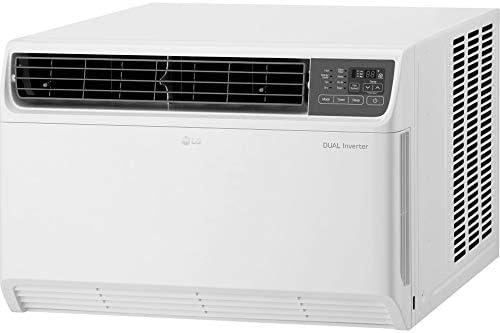
What Is A Dual Inverter Window Air Conditioner
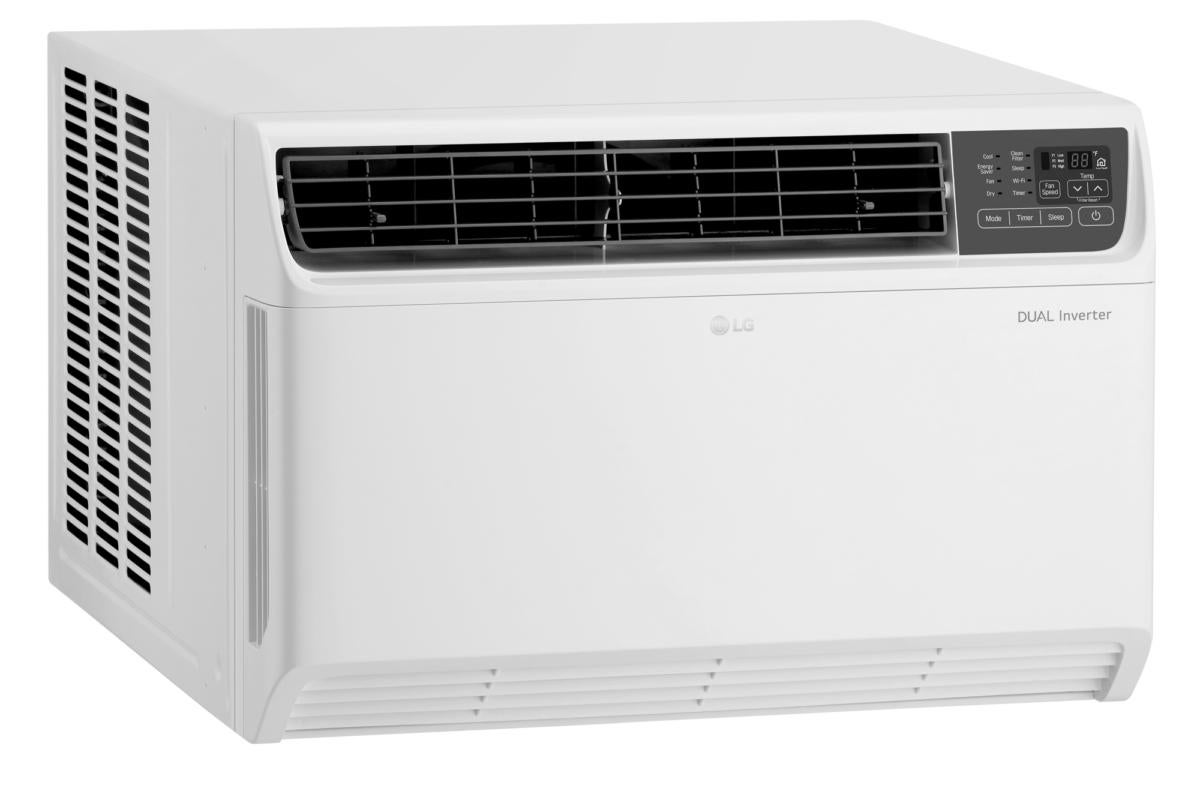
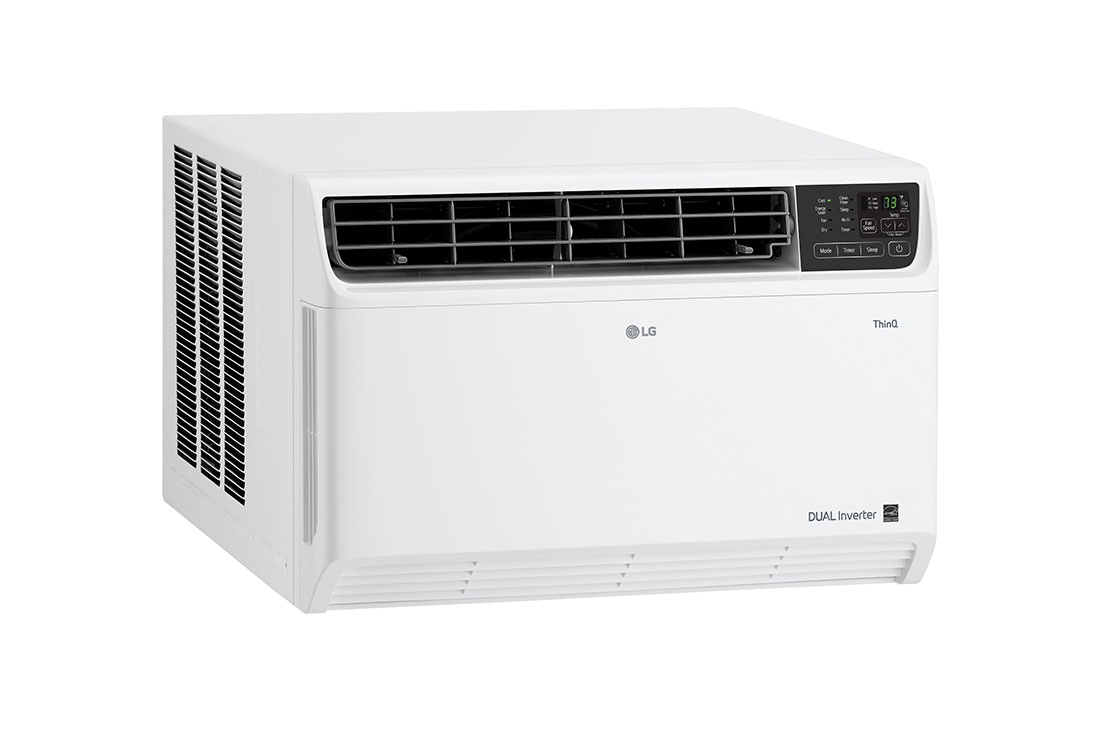
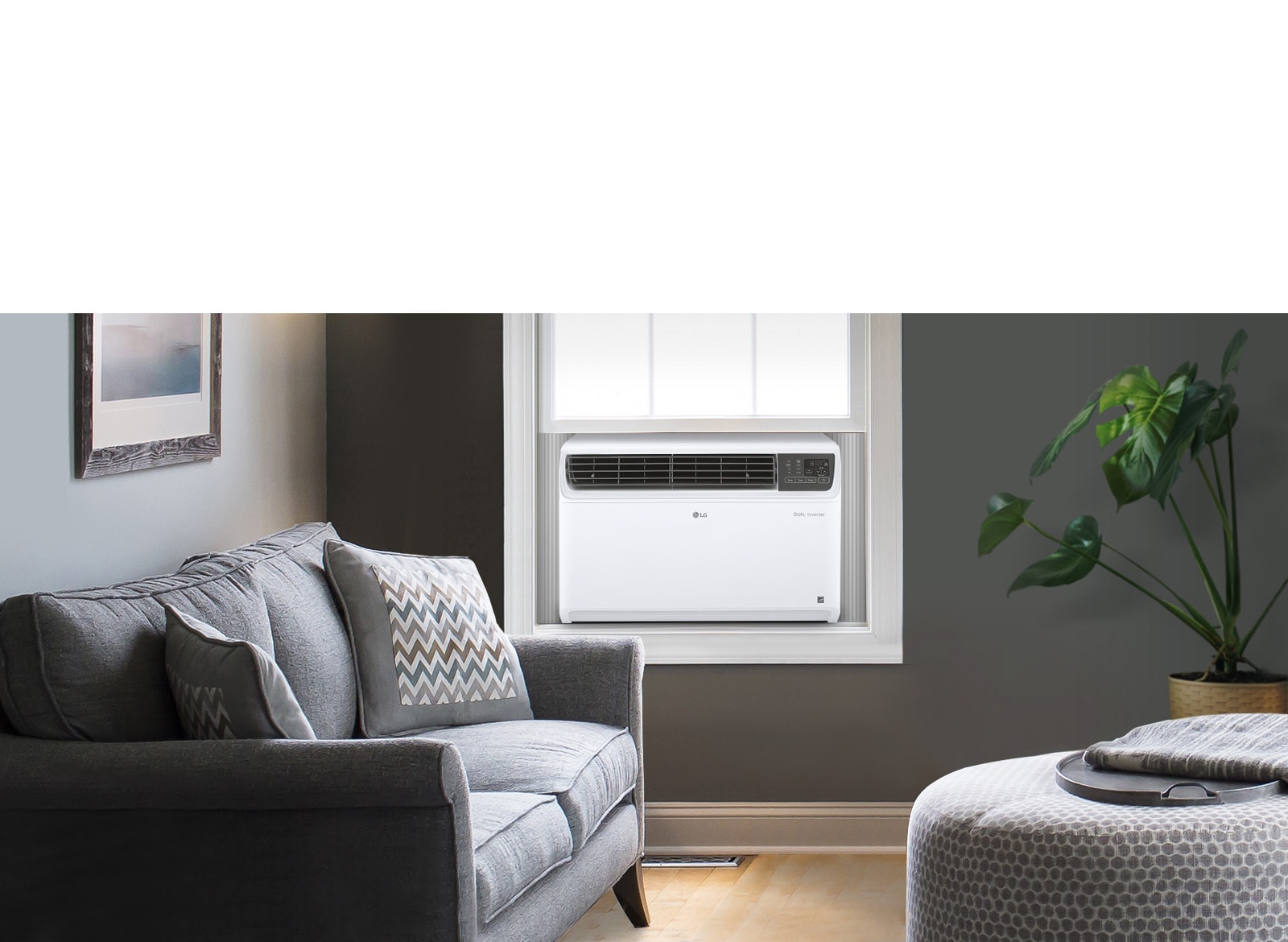
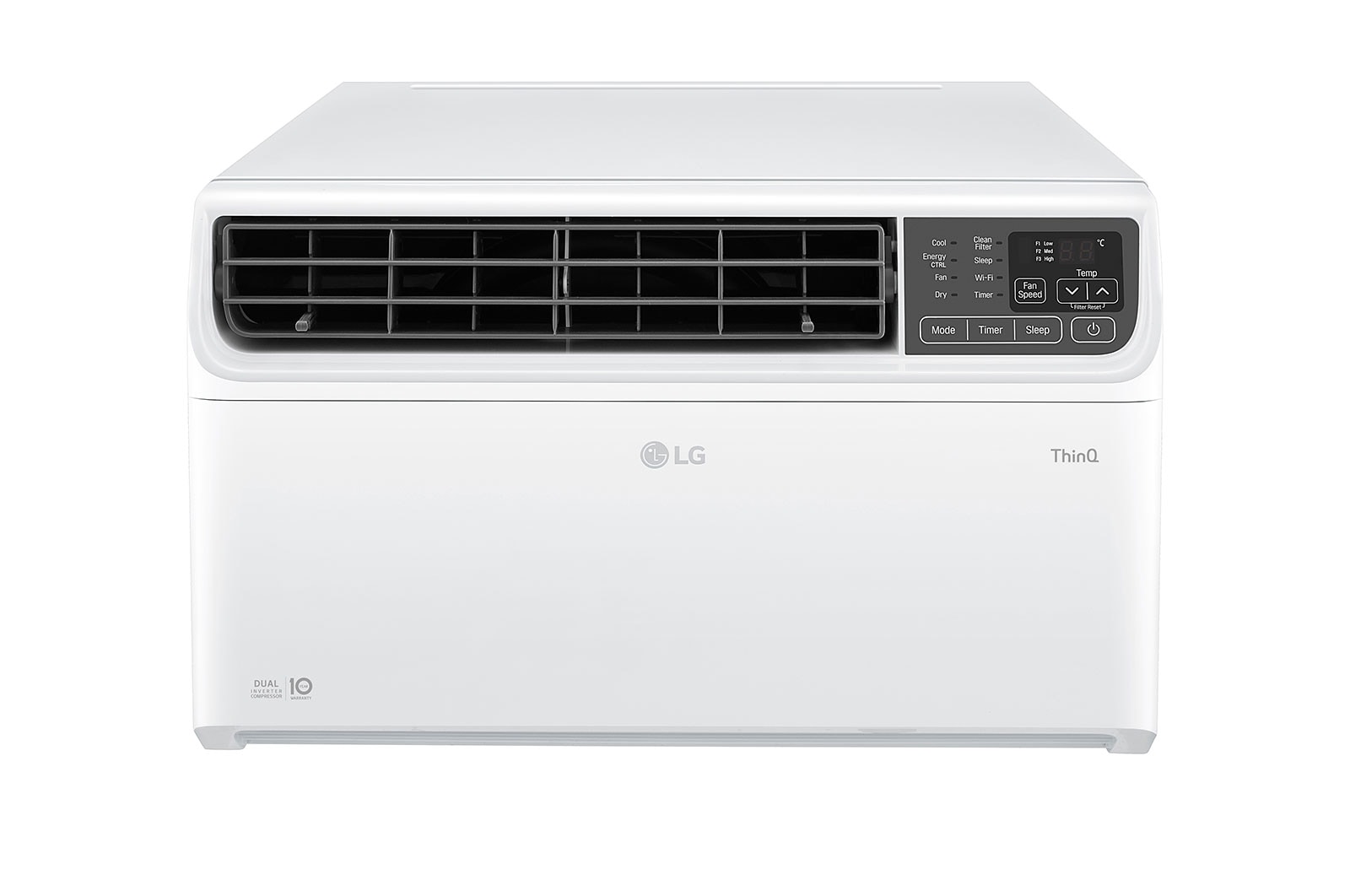
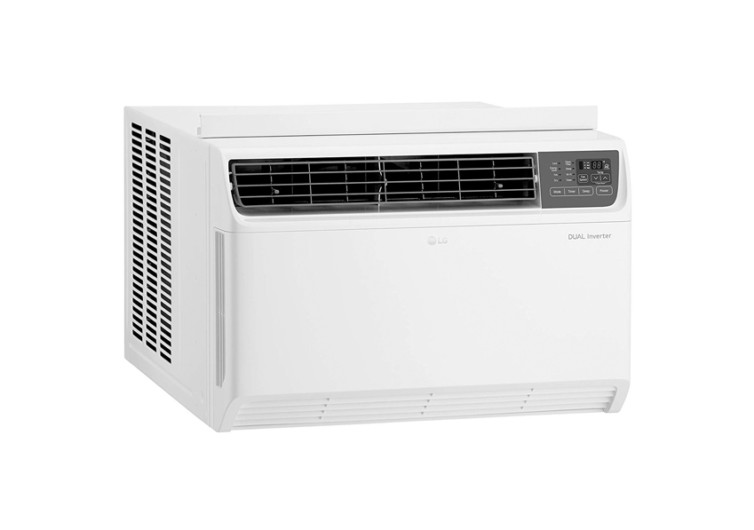
The HVAC industry is constantly evolving, driven by technological advancements that prioritize energy efficiency, performance, and user comfort. One such innovation gaining significant traction in the residential cooling sector is the dual inverter window air conditioner. This article delves into the mechanics of dual inverter technology, its advantages, career opportunities associated with its installation and maintenance, and its implications for HVAC professionals and businesses.
Understanding Dual Inverter Technology
Traditional window air conditioners typically operate with a single-speed compressor, meaning it’s either running at full capacity or completely off. This on-off cycling leads to temperature fluctuations, inconsistent cooling, and higher energy consumption. In contrast, a dual inverter air conditioner employs a variable-speed compressor controlled by two inverters.
One inverter manages the compressor motor's speed, precisely adjusting it to meet the cooling demand. The second inverter controls the fan motor speed, further optimizing energy use and airflow. This precise control allows the air conditioner to maintain a consistent temperature, reduce energy waste, and operate more quietly.
How Dual Inverters Work: A Technical Overview
Here's a breakdown of the key components and their functions:
- Compressor: The heart of the system, responsible for compressing the refrigerant. In a dual inverter model, the compressor's speed is variable.
- Inverter 1 (Compressor Control): Converts AC power to DC and then back to AC at a variable frequency, allowing precise speed control of the compressor motor. This inverter modulates the refrigerant flow based on the cooling needs.
- Inverter 2 (Fan Control): Similar to the first inverter, this controls the speed of the indoor and outdoor fan motors, optimizing airflow and further reducing energy consumption.
- Control System: A sophisticated electronic control board monitors temperature, humidity, and user settings, instructing the inverters to adjust compressor and fan speeds accordingly.
The result is a system that can ramp up or down smoothly, avoiding the abrupt starts and stops of traditional units. This leads to:
- Improved Energy Efficiency: Dual inverter models can achieve significantly higher SEER (Seasonal Energy Efficiency Ratio) ratings compared to traditional units.
- Consistent Comfort: Precise temperature control eliminates temperature swings, providing a more comfortable environment.
- Quieter Operation: Variable-speed operation reduces noise levels, making them ideal for bedrooms and living spaces.
- Longer Lifespan: Reduced stress on components due to smoother operation can extend the lifespan of the air conditioner.
The Impact on HVAC Professionals
The rise of dual inverter air conditioners presents both challenges and opportunities for HVAC professionals. Technicians need to understand the intricacies of inverter technology, including troubleshooting electronic control systems and diagnosing variable-speed compressors and fan motors.
Essential Skills and Certifications
To effectively work with dual inverter systems, HVAC professionals should focus on developing the following skills:
- Electrical Troubleshooting: Expertise in diagnosing electrical faults in inverters, control boards, and motors.
- Refrigerant Handling: Proper procedures for handling and charging refrigerants, in compliance with EPA regulations.
- System Diagnostics: Ability to use diagnostic tools to identify performance issues and system malfunctions.
- HVAC System Design Principles: A strong foundation in HVAC principles will help in proper unit selection and installation.
Relevant certifications that enhance credibility and demonstrate expertise include:
- EPA Section 608 Certification: Required for technicians who handle refrigerants. Demonstrates knowledge of refrigerant recovery, recycling, and reclamation procedures.
- NATE (North American Technician Excellence) Certification: Offers various certifications, including those focused on air conditioning and heat pumps. NATE certification validates a technician's competency and knowledge.
- Manufacturer-Specific Training: Many manufacturers offer training programs on their specific dual inverter systems. These programs provide valuable insights into product features, installation procedures, and troubleshooting techniques.
Career Paths and Salary Expectations
The demand for skilled HVAC technicians is projected to grow in the coming years. According to the U.S. Bureau of Labor Statistics, the median annual wage for HVAC mechanics and installers was $51,390 in May 2021. The job outlook is projected to grow 5 percent from 2021 to 2031, about average for all occupations. Technicians with expertise in advanced technologies like dual inverter systems are likely to be in higher demand and command higher salaries.
Here are a few potential career paths:
- HVAC Technician: Install, maintain, and repair HVAC systems, including dual inverter air conditioners.
- HVAC Service Manager: Oversee a team of technicians, manage service schedules, and ensure customer satisfaction.
- HVAC Sales Engineer: Design and sell HVAC systems, including dual inverter models, to residential and commercial clients.
- HVAC Instructor: Teach HVAC courses at technical schools or community colleges, preparing the next generation of technicians.
Example Career Path:
Consider the career of Maria, a recent graduate of an HVAC program. She started as an entry-level technician, focusing on residential air conditioning systems. After gaining experience with traditional units, she pursued manufacturer-specific training on dual inverter air conditioners. This training, combined with her EPA 608 certification, allowed her to specialize in the installation and repair of these advanced systems. Within a few years, Maria became a lead technician, earning a significantly higher salary and enjoying a rewarding career.
Implications for HVAC Businesses
For HVAC businesses, embracing dual inverter technology can be a strategic move. Offering installation and maintenance services for these energy-efficient systems can attract environmentally conscious customers and differentiate the business from competitors.
Benefits for Business Owners
- Increased Revenue: Offering specialized services for dual inverter systems can generate new revenue streams.
- Enhanced Reputation: Positioning the business as a leader in energy-efficient HVAC solutions can attract customers and build trust.
- Competitive Advantage: Differentiating the business from competitors by offering specialized services and expertise.
- Employee Development: Investing in training for technicians on dual inverter technology can enhance their skills and improve employee retention.
Strategic Considerations
HVAC businesses should consider the following when integrating dual inverter air conditioners into their service offerings:
- Training and Certification: Invest in training programs and certifications for technicians to ensure they have the necessary skills.
- Equipment and Tools: Acquire the necessary diagnostic tools and equipment for working with dual inverter systems.
- Marketing and Promotion: Highlight the energy-saving benefits of dual inverter systems in marketing materials.
- Inventory Management: Maintain an adequate inventory of parts and supplies for servicing dual inverter systems.
Future Trends and Predictions
The market for dual inverter air conditioners is expected to continue growing as energy efficiency becomes increasingly important. Technological advancements are likely to further improve the performance and affordability of these systems.
Emerging Technologies
- Smart Controls: Integration with smart home systems and mobile apps will allow users to remotely control and monitor their air conditioners.
- AI-Powered Optimization: Artificial intelligence algorithms can optimize compressor and fan speeds based on real-time data, further improving energy efficiency.
- Environmentally Friendly Refrigerants: The development and adoption of refrigerants with lower global warming potential (GWP) will further reduce the environmental impact of air conditioning systems.
Adapting to Change
To remain competitive in the evolving HVAC landscape, professionals and businesses must embrace continuous learning and adaptation. Staying informed about the latest technologies, trends, and regulations is crucial for success.
In conclusion, the dual inverter window air conditioner represents a significant advancement in residential cooling technology. Its superior energy efficiency, consistent comfort, and quiet operation make it an attractive option for consumers. For HVAC professionals, mastering the skills and knowledge required to install and maintain these systems is essential for career advancement and business growth. By embracing this technology and investing in training and development, the HVAC industry can contribute to a more sustainable and comfortable future.