What Is A Float Switch Hvac
Frequently Asked Questions About Float Switches in HVAC Systems
Float switches are small but crucial components in your HVAC system, protecting against potentially costly water damage. This FAQ answers common questions homeowners and facility managers have about them.
1. What Exactly Is a Float Switch in HVAC?
A float switch in an HVAC (Heating, Ventilation, and Air Conditioning) system is a safety device designed to detect the presence of excess water in the condensate drain pan. Think of it like a bathtub overflow drain – it’s there to prevent a big mess.
Here's a simple breakdown:
- Condensate Drain Pan: Your air conditioner or furnace (if it's a high-efficiency model) produces condensation as part of its cooling or heating process. This water collects in a drain pan.
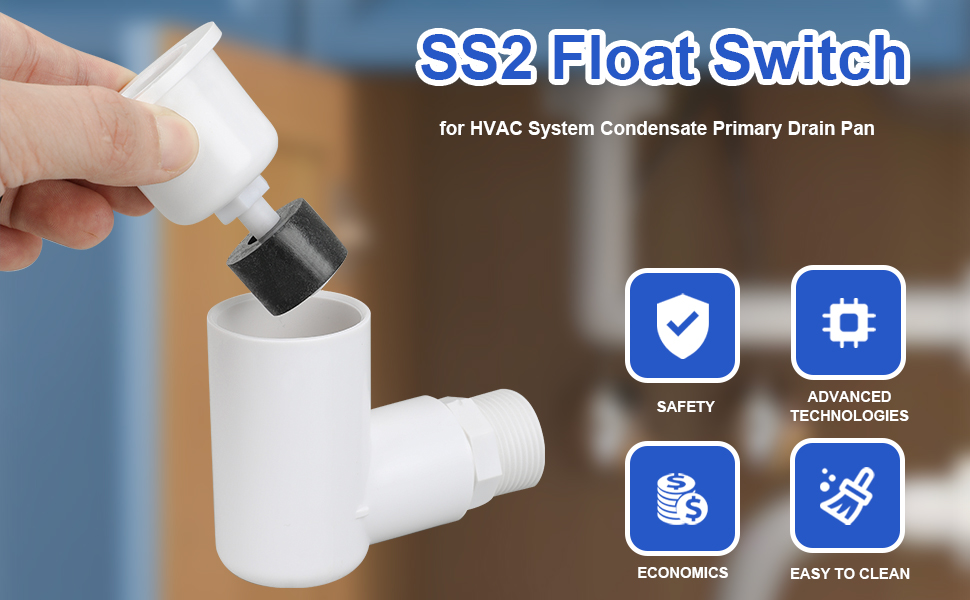
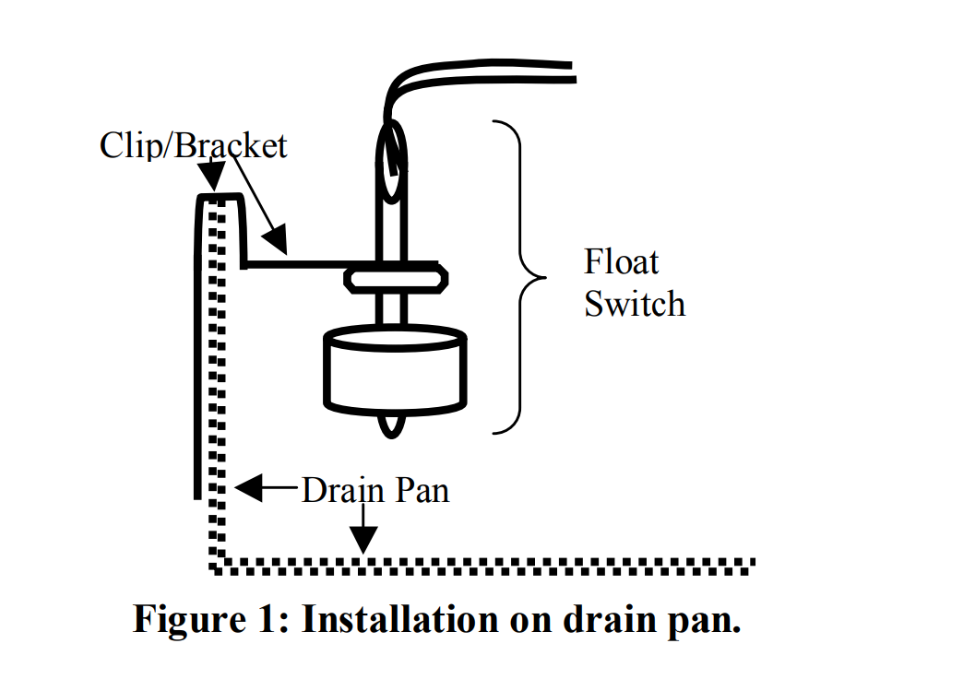
- The Float Switch: The switch itself contains a buoyant "float." When the water level in the drain pan rises too high (usually because the drain line is clogged), the float rises with it.
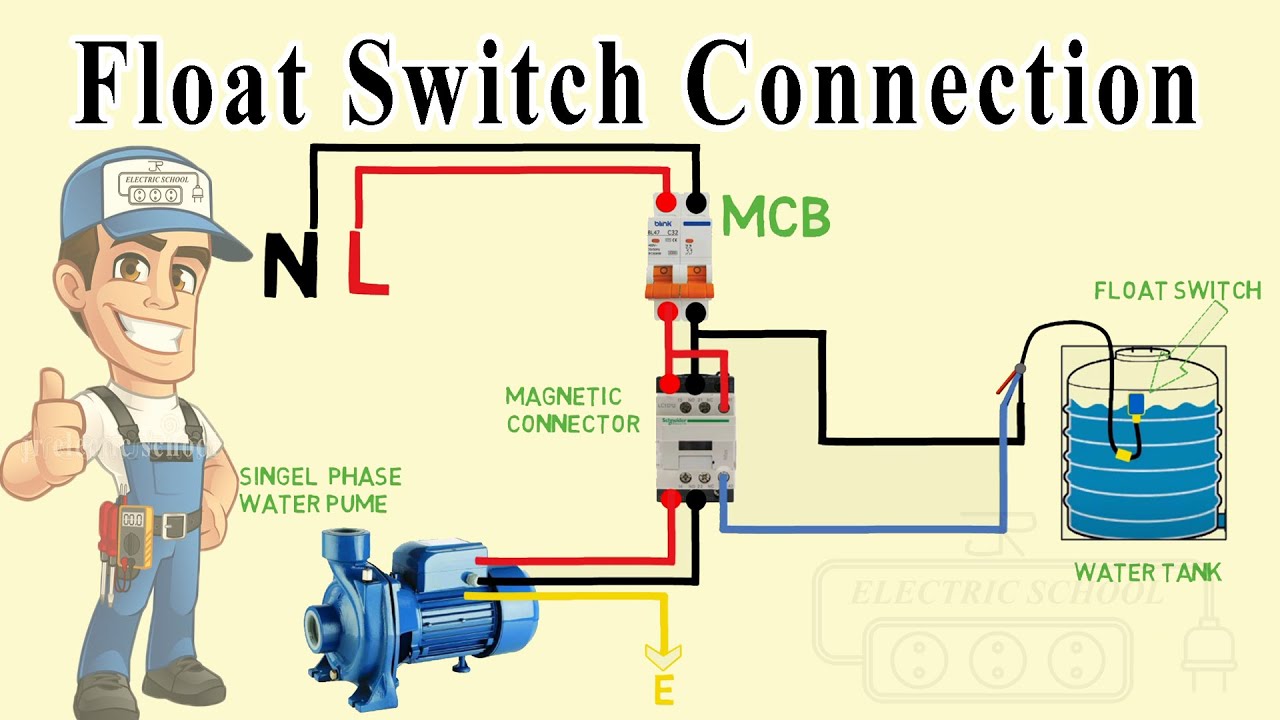
- The Action: As the float reaches a certain level, it triggers the switch. This switch then interrupts the power supply to the compressor, shutting down the air conditioning or heating system.
In essence, the float switch acts as an automatic shut-off valve, preventing water from overflowing and causing damage to your ceilings, walls, floors, or equipment.
2. Why is a Float Switch Necessary? What Could Happen Without One?
Without a float switch, a clogged or malfunctioning condensate drain can lead to serious problems. Imagine what would happen if water continuously overflowed from the drain pan:
- Water Damage: This is the most obvious risk. Water can seep into ceilings, walls, and floors, causing unsightly stains, peeling paint, and structural damage.
- Mold and Mildew Growth: Damp environments are breeding grounds for mold and mildew. These can cause health problems and require expensive remediation.
- Electrical Hazards: Water near electrical components is a dangerous combination. It can lead to short circuits, fires, and even electrocution.
- Equipment Damage: Excessive water can damage the HVAC system itself, leading to costly repairs or replacement.
- Property Damage: Damage can spread beyond the immediate area around the HVAC unit, potentially affecting other parts of your home or building.
A float switch is a relatively inexpensive device that can prevent all of these scenarios, making it a critical safety feature for any HVAC system that produces condensate.
3. Where is the Float Switch Located in My HVAC System?
The location of the float switch depends on the type of HVAC system you have, but it's almost always found near the condensate drain pan. Here are some common locations:
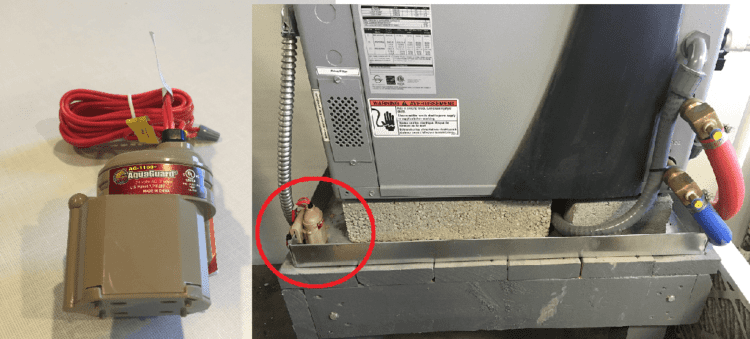
- Inside the Condensate Drain Pan: This is the most common location. The switch is typically attached to the side of the pan, with the float mechanism inside the pan.
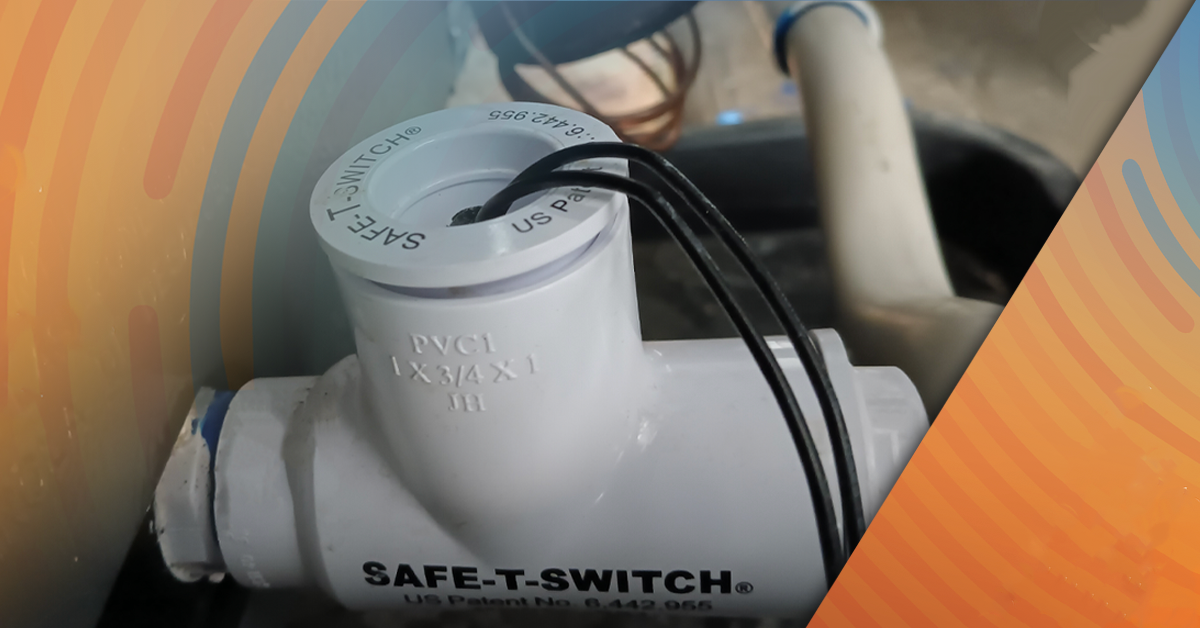
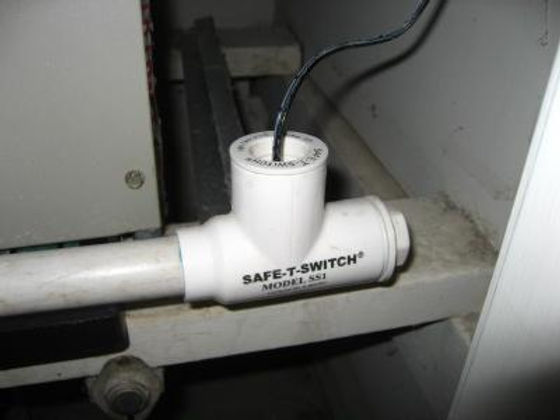
- On the Drain Line (Inline Float Switch): Some systems use an inline float switch, which is installed directly in the condensate drain line.
- On a Secondary Drain Pan: Some systems have a secondary drain pan beneath the primary pan. The float switch might be located in the secondary pan as an extra layer of protection.
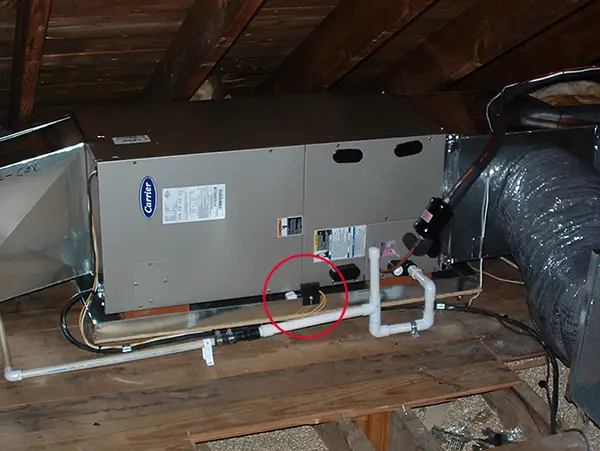
To find your float switch, look for a small device with wires connected to it, located near the drain pan. If you are unsure, it's always best to consult your HVAC system's manual or contact a qualified technician. Never attempt to work on electrical components if you are not comfortable or qualified to do so.
4. How Do I Test if My Float Switch is Working Properly?
Testing your float switch is a good way to ensure it's functioning correctly. Here's a simple method:
- Locate the Float Switch: As described above, find the switch near the condensate drain pan.
- Simulate a Water Overflow: Carefully pour a small amount of water into the drain pan until the water level rises enough to activate the float switch. Use a cup or small container to avoid overfilling.
- Listen and Observe: When the float rises, you should hear the HVAC system shut down. This indicates that the switch is working properly. You should also see an error code or message on your thermostat or control panel.
- Reset the System (If Necessary): After testing, you may need to reset your HVAC system. This usually involves turning the system off and then back on again. Consult your system's manual for specific instructions.
Important Notes:
- Safety First: Always turn off the power to the HVAC system before performing any tests or maintenance.
- Don't Overfill: Be careful not to overfill the drain pan, as this can cause water damage.
- Professional Inspection: If you are uncomfortable performing this test yourself, or if the float switch doesn't seem to be working correctly, contact a qualified HVAC technician.
5. Can I Clean or Maintain My Float Switch?
Yes, regular cleaning and maintenance can help to ensure that your float switch functions properly. Here's what you can do:
- Visual Inspection: Regularly inspect the float switch for any signs of damage or corrosion.
- Clean the Drain Pan: A dirty drain pan can contribute to clogs and prevent the float switch from working effectively. Clean the pan periodically to remove any debris or buildup.
- Clear the Drain Line: A clogged drain line is the most common cause of float switch activation. You can try to clear the drain line yourself using a wet/dry vacuum or a specialized drain cleaner. However, if you are not comfortable doing this, it's best to call a professional.
- Clean the Float Switch Mechanism: Over time, the float switch mechanism itself can become dirty or corroded. You can gently clean it with a soft brush and a mild detergent. Be very careful not to damage the switch or its wiring.
Preventative Maintenance:
- Regular HVAC Service: Schedule regular maintenance checks with a qualified HVAC technician. They can inspect the float switch and other components of your system to ensure they are working properly.
- Drain Line Treatment: Use a drain line treatment product periodically to prevent clogs and buildup.
6. What Should I Do If My Float Switch Keeps Shutting Off My System?
If your float switch is repeatedly shutting off your HVAC system, it indicates a persistent problem with the condensate drainage. Here's a step-by-step approach to troubleshooting:
- Check the Drain Pan: Ensure the drain pan is not overflowing. If it is, this confirms that the drain line is likely clogged.
- Clear the Drain Line: Attempt to clear the drain line using a wet/dry vacuum or a specialized drain cleaner. Be sure to follow the instructions carefully.
- Inspect the Drain Line for Kinks or Obstructions: Check the drain line for any kinks, bends, or other obstructions that could be restricting water flow.
- Clean the Float Switch: As described above, clean the float switch mechanism to remove any debris or corrosion.
- Check the Float Switch Wiring: Inspect the wiring connected to the float switch for any loose connections or damage.
- Consider Algae Buildup: Algae can grow in the drain line, causing blockages. Use a drain line treatment product designed to kill algae.
- When to Call a Professional: If you've tried these steps and the problem persists, it's time to call a qualified HVAC technician. There may be a more complex issue, such as a damaged drain pan, a malfunctioning pump, or a faulty float switch that needs to be replaced.
Ignoring repeated float switch shutdowns can lead to significant water damage, so it's important to address the problem promptly.
7. How Much Does It Cost to Replace a Float Switch?
The cost to replace a float switch can vary depending on several factors, including:
- The Type of Float Switch: Different types of float switches have different prices.
- The HVAC System Model: Some systems require specific float switches, which may be more expensive.
- Labor Costs: The cost of labor will vary depending on the HVAC technician's hourly rate and the complexity of the installation.
- Location: Prices can vary depending on your geographic location.
Generally, you can expect to pay somewhere between $75 and $250 to have a float switch replaced. This includes the cost of the part and the labor. It's always a good idea to get quotes from multiple HVAC technicians to ensure you're getting a fair price.
While it might be tempting to replace the float switch yourself to save money, it's important to remember that working with electrical components can be dangerous. If you are not comfortable or qualified to do so, it's best to leave the job to a professional. The cost of a professional repair is often worth the peace of mind and the assurance that the job is done correctly.