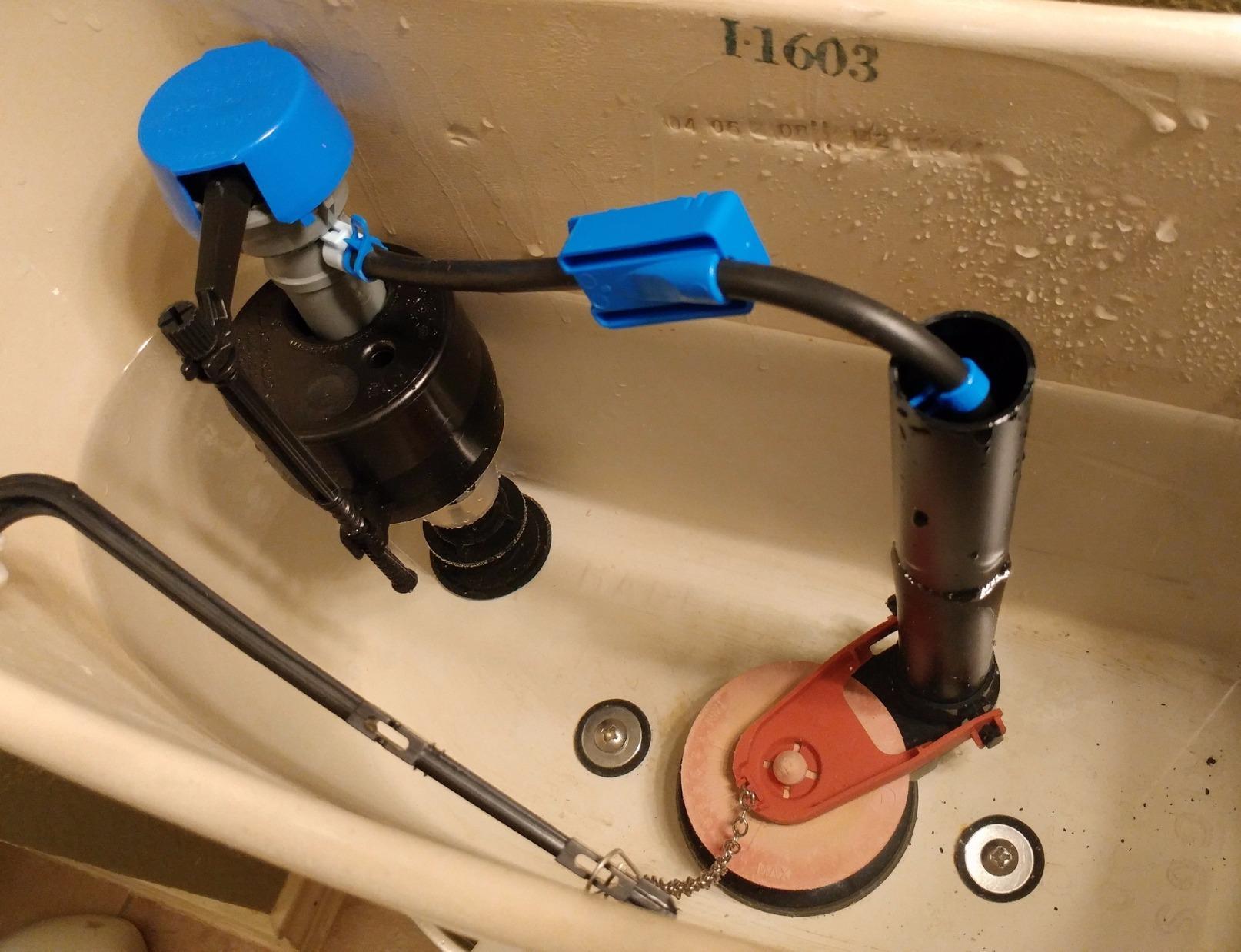
What Is A Flush Valve Toilet

While often overlooked in discussions about heating and cooling, plumbing fixtures like the flush valve toilet play a crucial role in a building's overall water and energy efficiency. Understanding their operation, maintenance, and potential impact on water bills is essential for homeowners, HVAC technicians, and facility managers alike.
Understanding Flush Valve Toilets: A Technical Overview
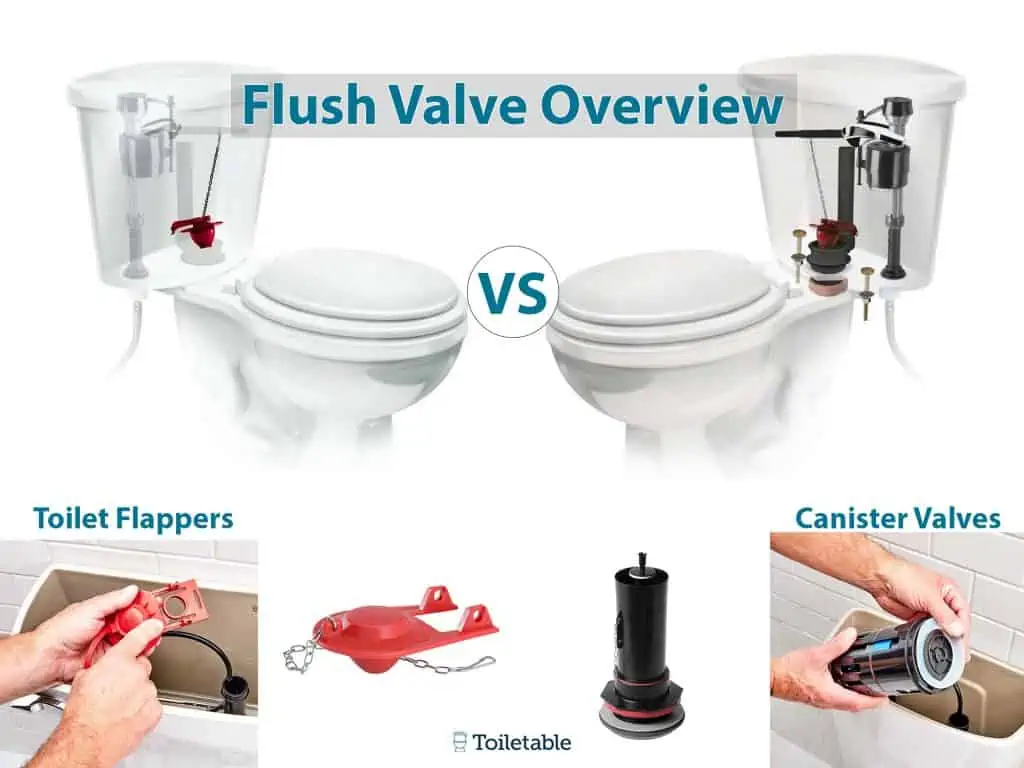
Unlike traditional tank toilets, flush valve toilets, also known as direct flush toilets, utilize pressurized water directly from the water supply line to create a powerful and efficient flush. They are commonly found in commercial buildings, schools, and other high-traffic areas due to their durability and ability to handle frequent use. However, their benefits extend to residential applications as well, particularly in situations where water conservation is a priority.
How Flush Valve Toilets Work
The core of a flush valve toilet is the flushometer valve. This valve is a sophisticated mechanical device that controls the release of water. Here's a breakdown of the process:
- Activation: When the user presses or activates the flush handle (or sensor on automatic models), it triggers the flushometer valve.
- Pressure Release: The valve opens, releasing pressurized water directly from the water supply line into the toilet bowl. This high-pressure water flow creates a powerful siphonic action, efficiently clearing the bowl of waste.
- Timing and Shut-off: The flushometer valve is designed to release a specific volume of water within a pre-determined timeframe. After the pre-set amount of water is discharged, the valve automatically closes, preventing continuous water flow. The timing mechanism is typically based on a pressure differential within the valve itself.
- Refilling (if applicable): Some flush valve toilets, particularly those in older models, may have a separate refill mechanism to ensure the bowl has sufficient water after flushing. Newer, more efficient models often rely on the initial flush volume to achieve proper bowl refill.
Key Components of a Flush Valve Toilet
Familiarizing yourself with the main components will aid in troubleshooting and maintenance:
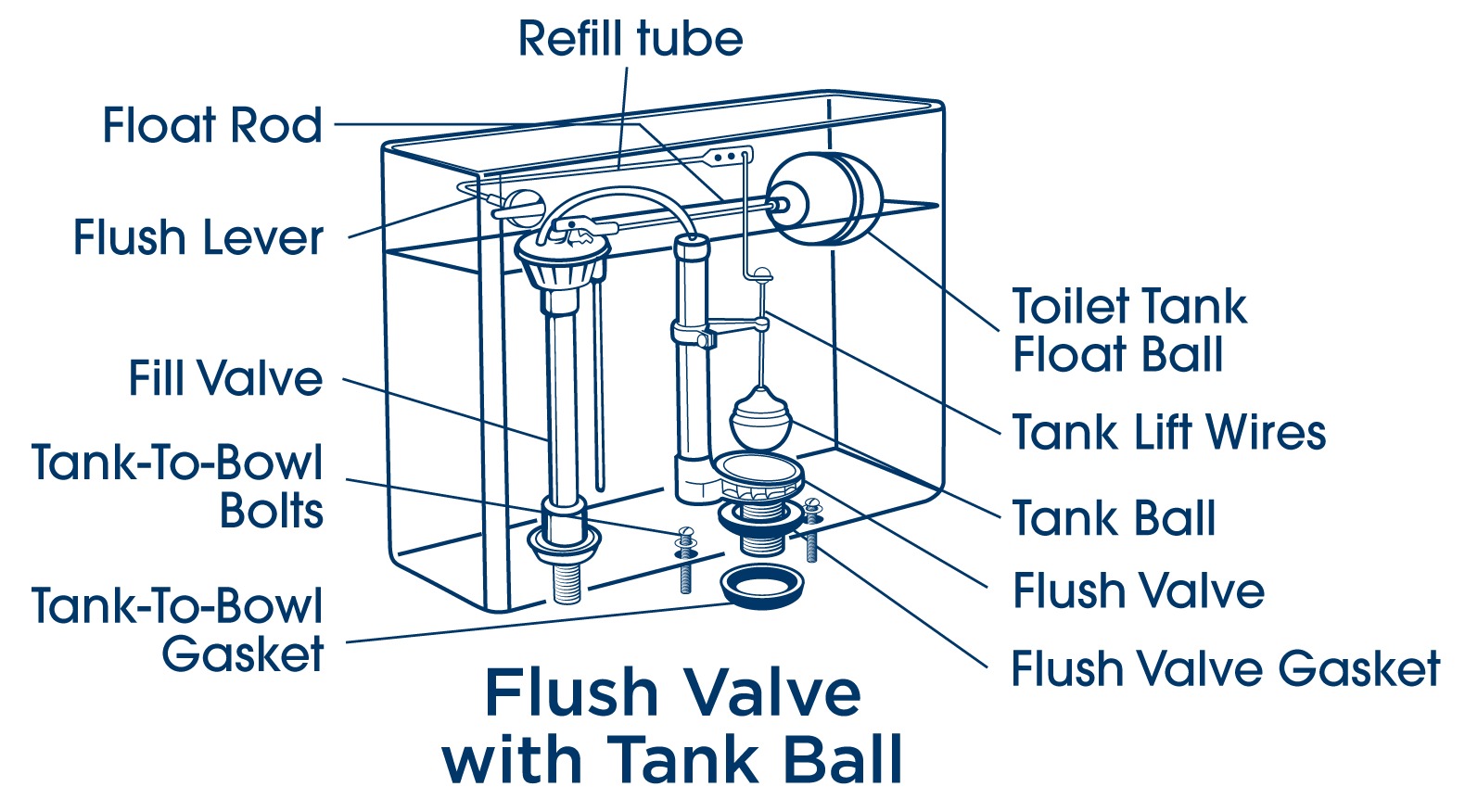
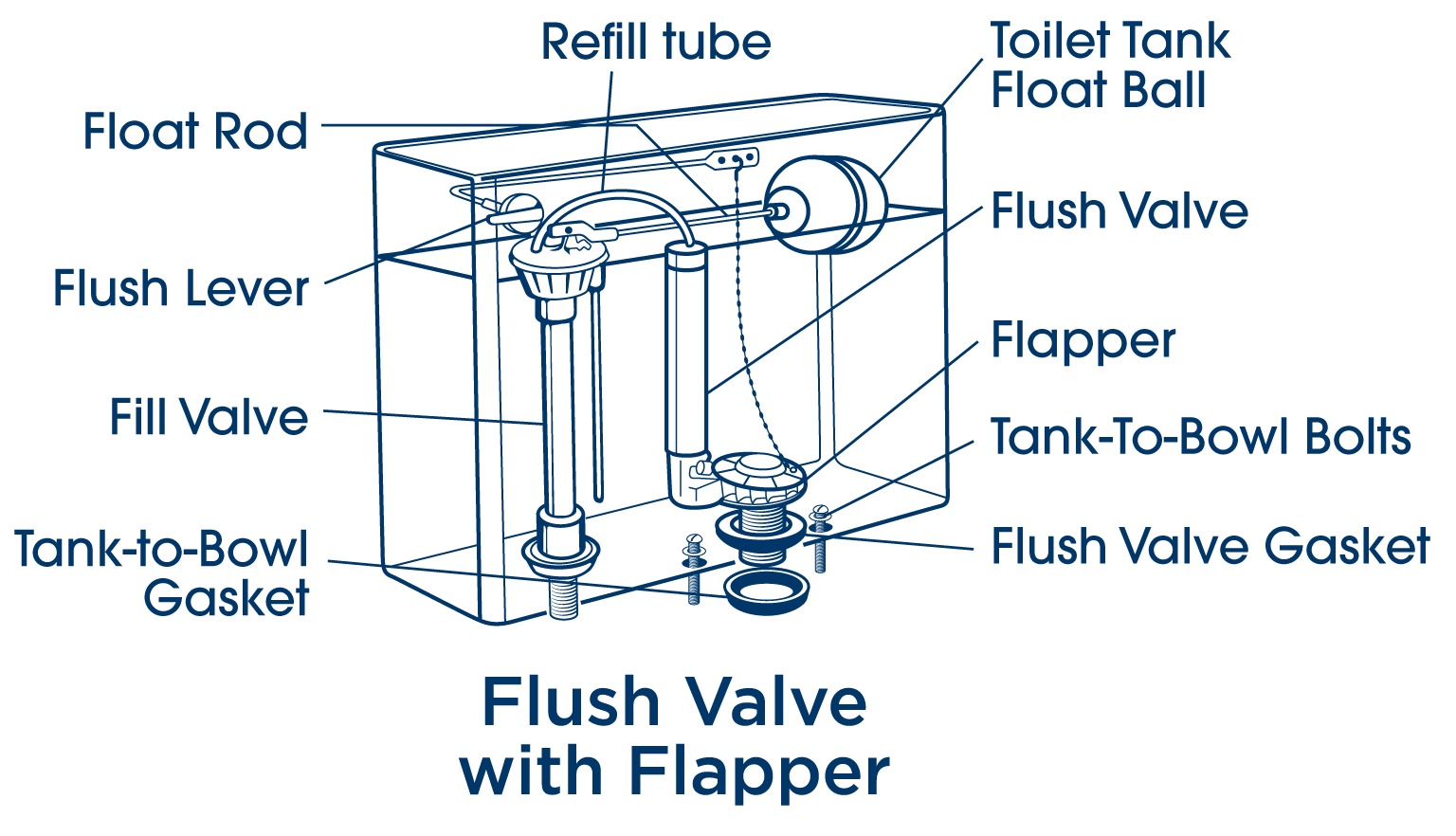
- Flushometer Valve: The heart of the system, responsible for controlling water release. It can be manually operated (handle) or sensor-activated (automatic).
- Vacuum Breaker: Prevents back-siphonage of contaminated water into the potable water supply, ensuring safety and hygiene. This is a crucial component and must be functioning correctly.
- Spud Coupling: Connects the flushometer valve to the toilet bowl. It's essential for a secure and leak-free connection.
- Flush Pipe: Delivers the pressurized water from the flushometer valve to the bowl.
- Toilet Bowl: Designed specifically for use with flush valve systems, often with a larger trapway and more powerful siphon jet for efficient waste removal.
Advantages of Flush Valve Toilets
Flush valve toilets offer several advantages, particularly in commercial and high-usage settings:
- Durability: Built to withstand frequent use and high water pressure, flush valve toilets are exceptionally durable and require less frequent repairs compared to tank toilets. This translates to lower long-term maintenance costs, especially in commercial settings.
- Efficiency: Many flush valve toilets are designed for low-flow operation, consuming significantly less water per flush than older, less efficient tank toilets. This contributes to water conservation efforts and reduces water bills. Look for models with WaterSense certification.
- Hygiene: The powerful flush action effectively clears the bowl, minimizing the risk of clogs and promoting better hygiene. Sensor-activated models further enhance hygiene by eliminating the need for physical contact.
- Faster Refill: Flush valve toilets are ready for the next flush almost immediately, unlike tank toilets that require time to refill. This is crucial in high-traffic restrooms.
Disadvantages of Flush Valve Toilets
While offering many benefits, flush valve toilets also have potential drawbacks:
- Higher Initial Cost: Flush valve toilets typically have a higher upfront cost compared to tank toilets due to their more complex construction and sophisticated valve mechanisms.
- Installation Requirements: Flush valve toilets require a minimum water pressure to operate correctly. This may necessitate upgrades to the existing plumbing system in some buildings, adding to the installation cost. Specifically, you'll need at least 25 PSI flowing water pressure.
- Noise: The flush can be louder than a tank toilet due to the direct release of pressurized water. This may be a concern in noise-sensitive environments.
- Specialized Repair: Repairing flushometer valves often requires specialized knowledge and tools. Finding qualified technicians may be more challenging than finding someone to repair a standard tank toilet.
Cost Considerations: Flush Valve vs. Tank Toilets
A comprehensive cost analysis is essential when deciding between flush valve and tank toilets. Here's a breakdown of factors to consider:
- Initial Purchase Price: Tank toilets are generally less expensive to purchase.
- Installation Costs: Installation costs can vary depending on the existing plumbing infrastructure. Flush valve toilets may require modifications to ensure adequate water pressure.
- Water Consumption: Flush valve toilets, especially low-flow models, can significantly reduce water consumption and lower water bills over the long term. Calculate potential water savings based on usage patterns.
- Maintenance Costs: Tank toilets often require more frequent repairs (flapper replacement, fill valve issues) than flush valve toilets, which are built for durability.
- Lifespan: Flush valve toilets typically have a longer lifespan than tank toilets, reducing the need for replacement over time.
Example: Consider a commercial building with 20 toilets. Replacing old, inefficient tank toilets with WaterSense-certified flush valve toilets could result in significant water savings annually. While the initial investment would be higher, the reduced water bills and lower maintenance costs could offset the difference within a few years. A professional HVAC and plumbing contractor can help assess your specific needs and provide a detailed cost-benefit analysis.
Maintenance and Troubleshooting
Proper maintenance is crucial for ensuring the long-term performance and efficiency of flush valve toilets. Common maintenance tasks include:
- Regular Cleaning: Clean the valve and surrounding area regularly to prevent mineral buildup and corrosion.
- Checking for Leaks: Inspect the connections and valve for leaks. Address any leaks promptly to prevent water waste and potential damage.
- Adjusting Flush Volume: Some flush valves allow for adjustment of the flush volume. Ensure the volume is optimized for efficient waste removal without excessive water usage.
- Vacuum Breaker Inspection: Regularly inspect the vacuum breaker for signs of wear or damage. Replace it if necessary to prevent back-siphonage.
Common problems and troubleshooting tips:
- Weak Flush: Check the water pressure to ensure it meets the minimum requirements. Inspect the flush valve for obstructions or damage.
- Continuous Running: This indicates a problem with the valve not shutting off properly. Disassemble and clean the valve, or replace it if necessary.
- Water Hammer: This loud banging sound is caused by sudden changes in water pressure. Install a water hammer arrestor near the toilet to absorb the pressure surge.
Preventative Maintenance Tip: Periodically (every 6 months to a year, depending on water quality) disassemble the flushometer valve and clean all internal components. Mineral buildup is a common culprit behind performance issues.
Flush Valve Toilets and HVAC Systems: An Indirect Connection
While seemingly unrelated, plumbing fixtures like flush valve toilets can indirectly impact the performance of HVAC systems, particularly in large buildings.
- Water Usage and Cooling Tower Load: Excessive water usage from inefficient toilets can increase the load on cooling towers, requiring more energy to cool the makeup water. Switching to low-flow flush valve toilets can reduce the demand on the cooling tower and lower energy consumption.
- Humidity Levels: Leaking toilets can contribute to increased humidity levels within a building, potentially affecting the efficiency of air conditioning systems. Excessive humidity makes it harder for AC systems to remove moisture from the air, leading to higher energy consumption and potential mold growth.
Conclusion
Flush valve toilets offer a durable, efficient, and hygienic solution for both commercial and residential applications. While the initial cost may be higher, the long-term benefits of reduced water consumption, lower maintenance costs, and enhanced hygiene make them a worthwhile investment. Understanding the operation, maintenance, and potential impact on overall building efficiency is crucial for homeowners, HVAC technicians, and facility managers seeking to optimize water and energy usage.



:max_bytes(150000):strip_icc()/toilet-flush-valve-replacement-2719041-hero-297deca55f854b669a66fe29494675f5.jpg)