What Is A Force Restart On Iphone

In today's energy-conscious world, understanding how your devices operate – and how to troubleshoot them – is critical, not just for seamless tech integration, but surprisingly, for overall energy efficiency. While it might seem tangential, a malfunctioning smartphone, especially one that controls your smart home, can lead to unnecessary energy consumption. A misbehaving smart thermostat, for example, unresponsive due to a phone glitch, could leave your HVAC system running inefficiently. This article delves into the seemingly unrelated topic of force restarting your iPhone, explaining how mastering this simple technique can indirectly contribute to a more energy-efficient lifestyle.
Why Understanding Your iPhone's Operation Impacts Energy Efficiency
You might be wondering what an iPhone has to do with HVAC systems or energy savings. The connection lies in the growing integration of smartphones with smart home technology. Consider the following scenarios:
- Smart Thermostat Control: Many homeowners rely on their iPhones to adjust their smart thermostats remotely. An unresponsive iPhone prevents you from optimizing temperature settings, leading to wasted energy and higher bills. Energy Star estimates that programmable thermostats can save homeowners up to $180 per year in energy costs. However, that saving diminishes with control problems.
- Smart Lighting Systems: Smart lighting systems controlled via iPhone allow for automated schedules and dimming. If your phone malfunctions, you might be unable to turn off lights when leaving a room or adjust brightness levels, resulting in unnecessary energy consumption.
- Energy Monitoring Apps: Various apps track energy usage in your home. These apps often rely on data transmitted to your iPhone. If your phone is malfunctioning, you won't receive accurate information, hindering your ability to identify energy-wasting appliances or habits.
A force restart, by resolving software glitches, ensures that your iPhone functions optimally, enabling you to effectively manage your smart home devices and minimize energy waste.
What is a Force Restart on an iPhone?
A force restart, sometimes called a hard reset, is a way to reboot your iPhone when it's unresponsive, frozen, or experiencing software issues. It's a more drastic measure than a simple power off/on cycle and can often resolve problems that a regular restart cannot. Think of it as a quick "reset" for the operating system, clearing minor software glitches that might be causing issues.
It's important to distinguish a force restart from a factory reset. A force restart simply restarts the device, leaving your data and settings intact. A factory reset, on the other hand, erases all data and settings, restoring the iPhone to its original factory state. We are discussing the less severe, much safer, force restart here.
How to Force Restart Different iPhone Models
The method for force restarting an iPhone varies depending on the model. Here's a breakdown of the procedures for different iPhone generations:
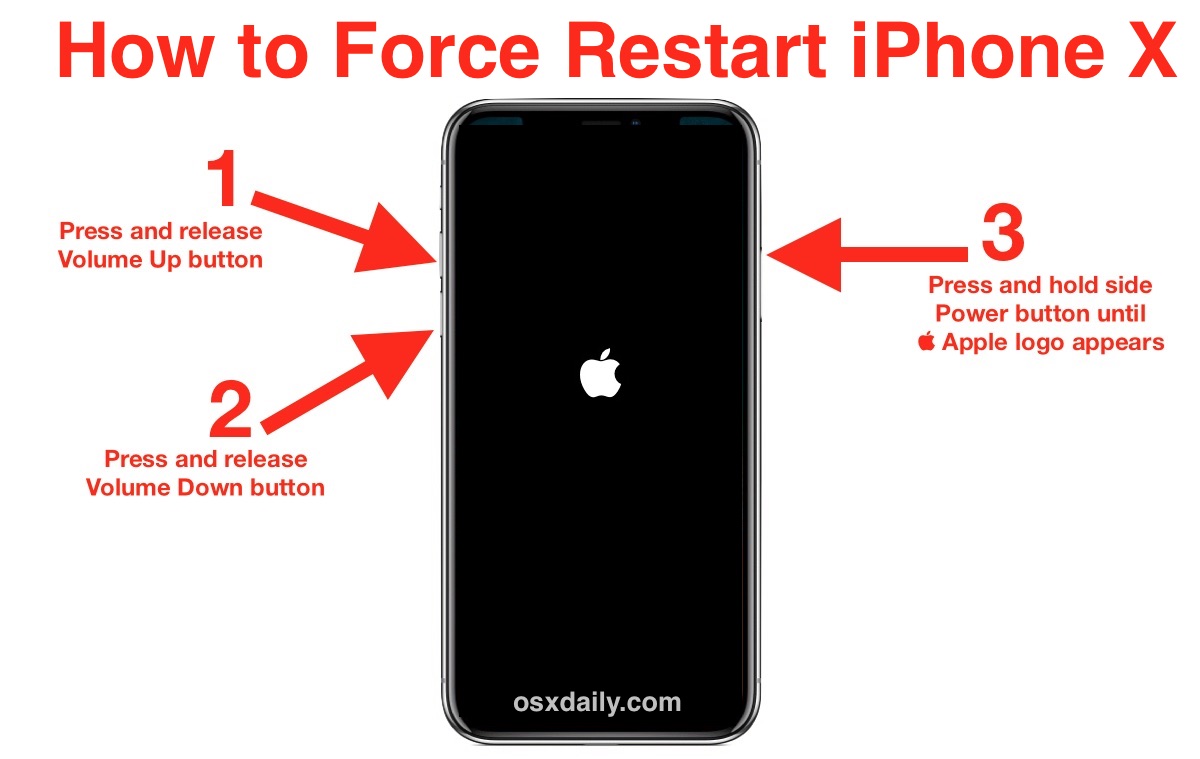
iPhone 8, iPhone SE (2nd generation and later), iPhone X, iPhone XS, iPhone XR, iPhone 11, iPhone 12, iPhone 13, iPhone 14, and iPhone 15:
- Press and quickly release the Volume Up button.
- Press and quickly release the Volume Down button.
- Press and hold the Side button (power button).
- When the Apple logo appears, release the Side button.
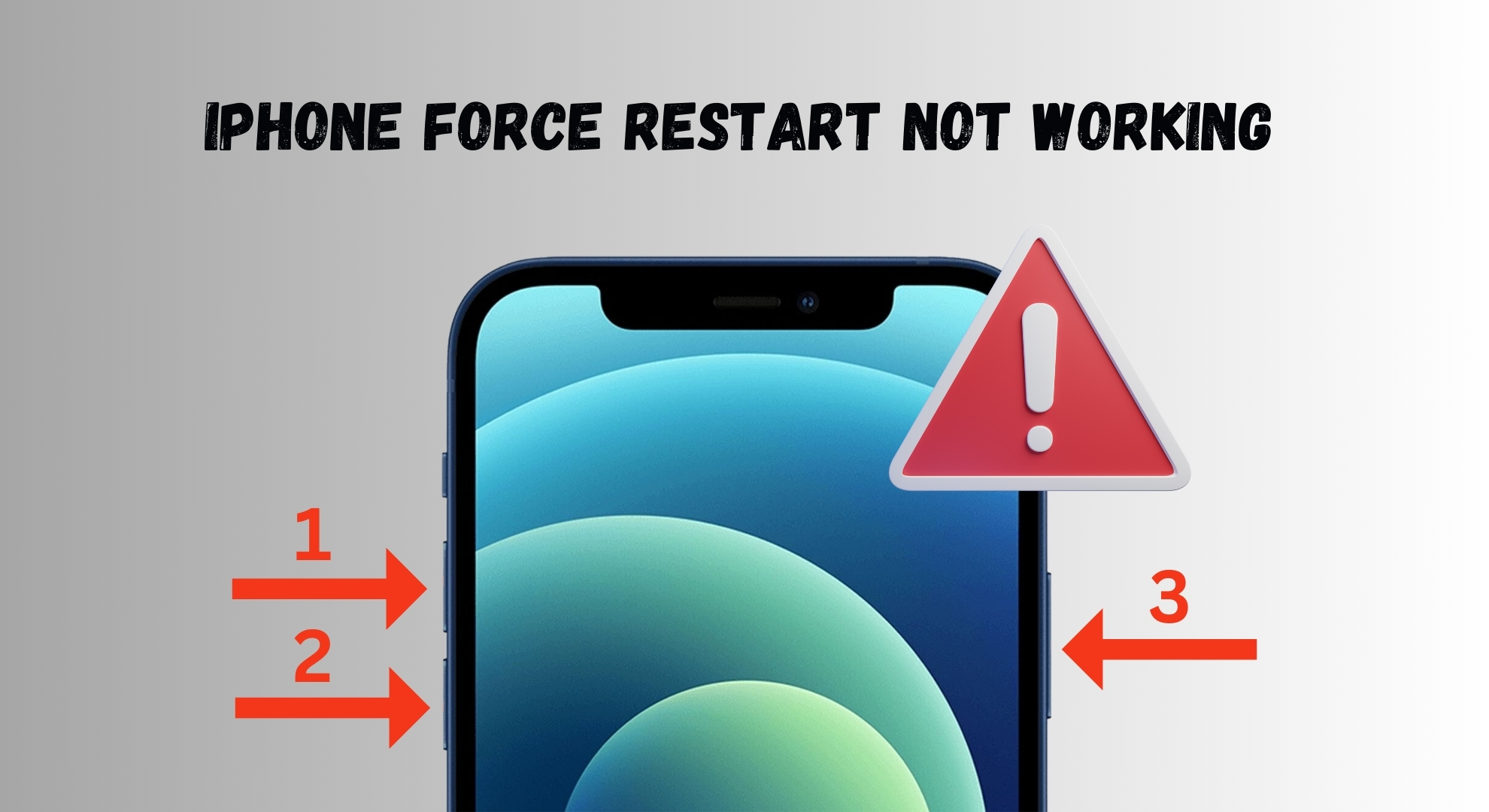
Troubleshooting Tip: The timing is crucial. The "quick" release needs to be almost immediate. If you don't release the Volume Up/Down buttons quickly enough, the process might not work.
iPhone 7 and iPhone 7 Plus:
- Press and hold both the Side button (power button) and the Volume Down button simultaneously.
- Continue holding both buttons until the Apple logo appears.
- Release both buttons when the Apple logo appears.
iPhone 6s, iPhone 6s Plus, and iPhone SE (1st generation):
- Press and hold both the Home button and the Side button (power button) simultaneously.
- Continue holding both buttons until the Apple logo appears.
- Release both buttons when the Apple logo appears.
Important Note: During the force restart process, the screen might go black. Keep holding the buttons until you see the Apple logo.
When to Perform a Force Restart
Consider performing a force restart in the following situations:
- Your iPhone is frozen or unresponsive.
- Apps are crashing or not launching correctly.
- Your iPhone is experiencing performance issues, such as slowness or lag.
- Your iPhone is unable to connect to Wi-Fi or cellular networks.
- Your smart home devices are not responding to commands from your iPhone.
- You're experiencing Bluetooth connectivity problems, affecting your ability to connect to smart thermostats or other devices.
Before resorting to a force restart, try closing all open apps. Sometimes, an app is the culprit behind the problems. To do this on most iPhones, swipe up from the bottom of the screen (or double-press the Home button on older models) to view the app switcher, then swipe up on each app's preview to close it.
The Indirect Energy Savings of a Functional iPhone
As mentioned earlier, the connection between a properly functioning iPhone and energy efficiency is indirect but significant. Here's how it breaks down:
- Optimized Thermostat Control: With a responsive iPhone, you can easily adjust your thermostat settings throughout the day, lowering the temperature when you're away from home and raising it when you return. This proactive approach saves energy compared to a static temperature setting. For example, the U.S. Department of Energy recommends setting your thermostat back 7-10 degrees Fahrenheit for 8 hours a day to save as much as 10% a year on your heating and cooling bills. But you can’t do that easily if your phone isn’t working.
- Efficient Lighting Management: Smart lighting systems controlled by your iPhone allow you to dim lights, turn them off remotely, and schedule automated lighting schemes. This prevents lights from being left on unnecessarily, reducing energy waste. LED lighting, when combined with smart controls, offers the greatest energy savings.
- Data-Driven Energy Consumption Analysis: Energy monitoring apps provide valuable insights into your energy usage patterns. A functional iPhone ensures accurate data collection and display, enabling you to identify energy hogs and make informed decisions about energy conservation. For example, these apps can help identify older appliances that consume excessive energy, prompting you to upgrade to more energy-efficient models with an Energy Star rating.
Integrating Smart HVAC with Your iPhone: A Step Towards Greater Efficiency
Smart HVAC systems, controlled and monitored through your iPhone, offer numerous energy-saving advantages:
- Geofencing: Geofencing allows your thermostat to adjust temperature settings automatically based on your location. When you leave home, the thermostat lowers the temperature; when you approach home, it raises the temperature. This eliminates wasted energy by only heating or cooling your home when needed.
- Learning Thermostats: Learning thermostats, like the Nest Learning Thermostat, learn your temperature preferences and automatically adjust settings to optimize comfort and energy savings. These thermostats can be controlled and monitored via your iPhone.
- Zone Control: Zone control systems allow you to heat or cool only the rooms you're using, reducing energy waste in unoccupied areas. These systems are often controlled through a central hub accessible via your iPhone.
Many HVAC contractors now offer smart HVAC solutions and provide training on how to integrate them with your iPhone for optimal energy efficiency. Rebates and incentives are often available for upgrading to Energy Star-certified smart thermostats and HVAC systems.
Conclusion: A Holistic Approach to Energy Efficiency
While a force restart on your iPhone might seem like a minor technical issue, it plays a crucial role in ensuring the smooth operation of your smart home ecosystem. By maintaining a functional iPhone, you can effectively control your smart thermostat, lighting system, and other energy-saving devices, ultimately contributing to a more energy-efficient and cost-effective lifestyle. Don’t underestimate the power of simple troubleshooting to unlock significant energy savings. Consider exploring government resources like Energy Star and local utility programs for further information on energy efficiency incentives and best practices.