What Is A Gray Water Tank
Water conservation is becoming increasingly crucial, and innovations in plumbing and HVAC systems are playing a significant role. One such innovation is the gray water tank, a component of gray water recycling systems. This article dives deep into what a gray water tank is, how it works, its applications, and its benefits for homeowners, HVAC technicians, and facility managers.
What is Gray Water?
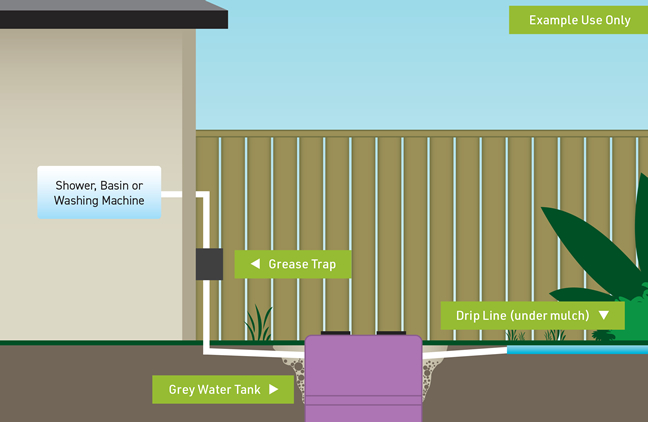
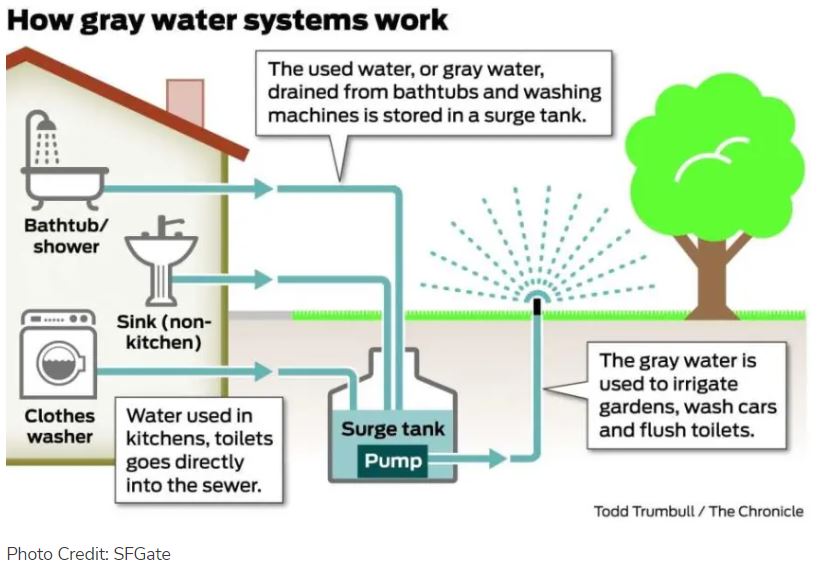
Before discussing the tank itself, it's essential to understand what constitutes gray water. Gray water is wastewater generated from domestic activities, excluding toilet waste. Sources of gray water include:
- Showers and bathtubs: Water used for personal hygiene.
- Bathroom sinks: Water used for washing hands and brushing teeth.
- Washing machines: Wastewater from laundry, excluding water used to wash diapers or excessively soiled items.
- Dishwashers: Wastewater from dishwashing, although its high fat and food content can make it more challenging to treat.
Black water, in contrast, is wastewater from toilets and contains fecal matter. Gray water, while not potable, is significantly cleaner and easier to treat than black water, making it suitable for various non-potable uses.
The Gray Water Tank: The Heart of the System
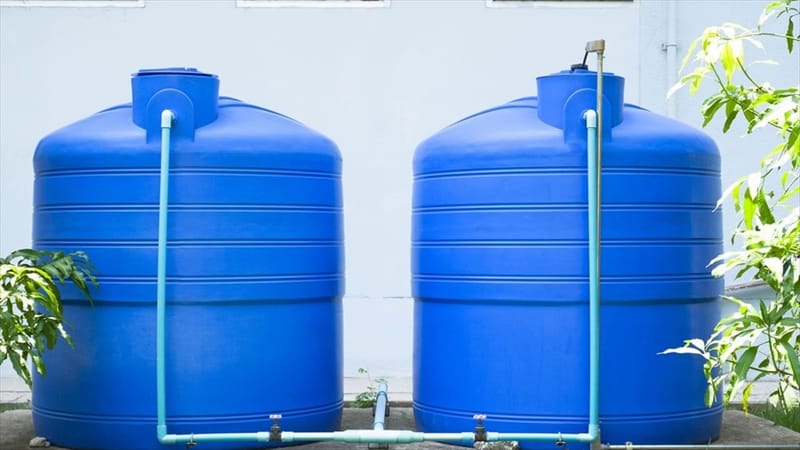
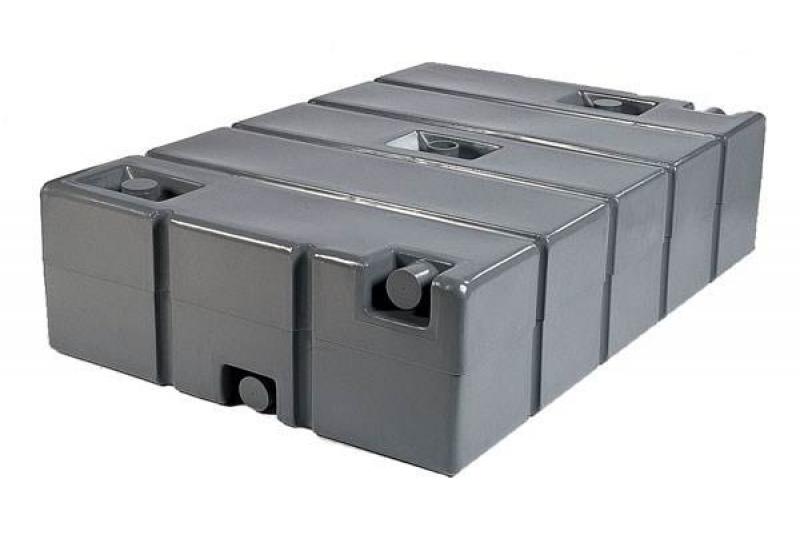
The gray water tank is a storage vessel designed to collect gray water from the sources mentioned above. It acts as a buffer between the point of generation and the point of reuse. Here's a breakdown of its key functions:
- Collection and Storage: The primary function is to gather and temporarily store gray water.
- Sedimentation: The tank allows heavier particles and sediment to settle at the bottom, improving water quality.
- Equalization: It provides a consistent supply of water for reuse, even when gray water generation is intermittent.
Tank Design and Materials
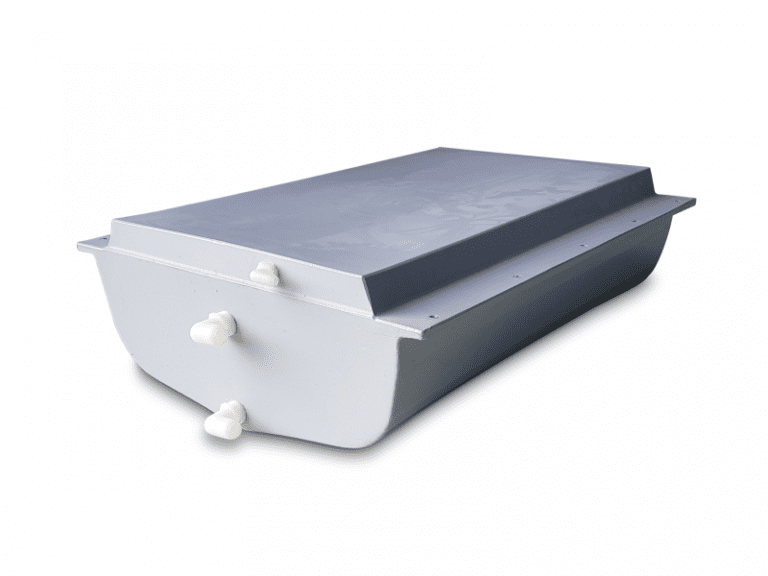
Gray water tanks come in various shapes and sizes, typically made from durable, non-reactive materials such as:
- Polyethylene (PE): A common and cost-effective plastic material.
- Fiberglass: Strong and lightweight, offering good resistance to corrosion.
- Concrete: Suitable for larger, underground installations.
The choice of material depends on factors like tank size, installation location (aboveground or underground), budget, and local regulations. All tanks used in residential applications should meet NSF/ANSI standards to confirm safe use.
Key Components of a Gray Water Tank System
A complete gray water recycling system involves more than just the tank. Key components include:
- Filtration System: Removes particulate matter and debris. This can range from simple screen filters to more sophisticated sand or membrane filters.
- Disinfection System: Kills bacteria and pathogens. Common methods include chlorination, UV disinfection, and ozonation. The type of disinfectant needed is determined by what the gray water will be used for.
- Pumps: Used to move gray water from the tank to the point of reuse.
- Control System: Manages the system's operation, including pump activation, filter backwashing, and alarm signals.
- Overflow System: Diverts excess gray water to the sewer system when the tank is full. This is a crucial safety feature.
- Backflow Prevention Devices: Prevents contaminated gray water from flowing back into the potable water supply. This is a code requirement.
Applications of Gray Water Recycling
Gray water can be reused for various non-potable applications, significantly reducing reliance on freshwater resources. Common applications include:
- Toilet flushing: A major water consumer in most households.
- Irrigation: Watering lawns, gardens, and landscaping. Gray water used for irrigation must meet specific quality standards to protect plants and soil.
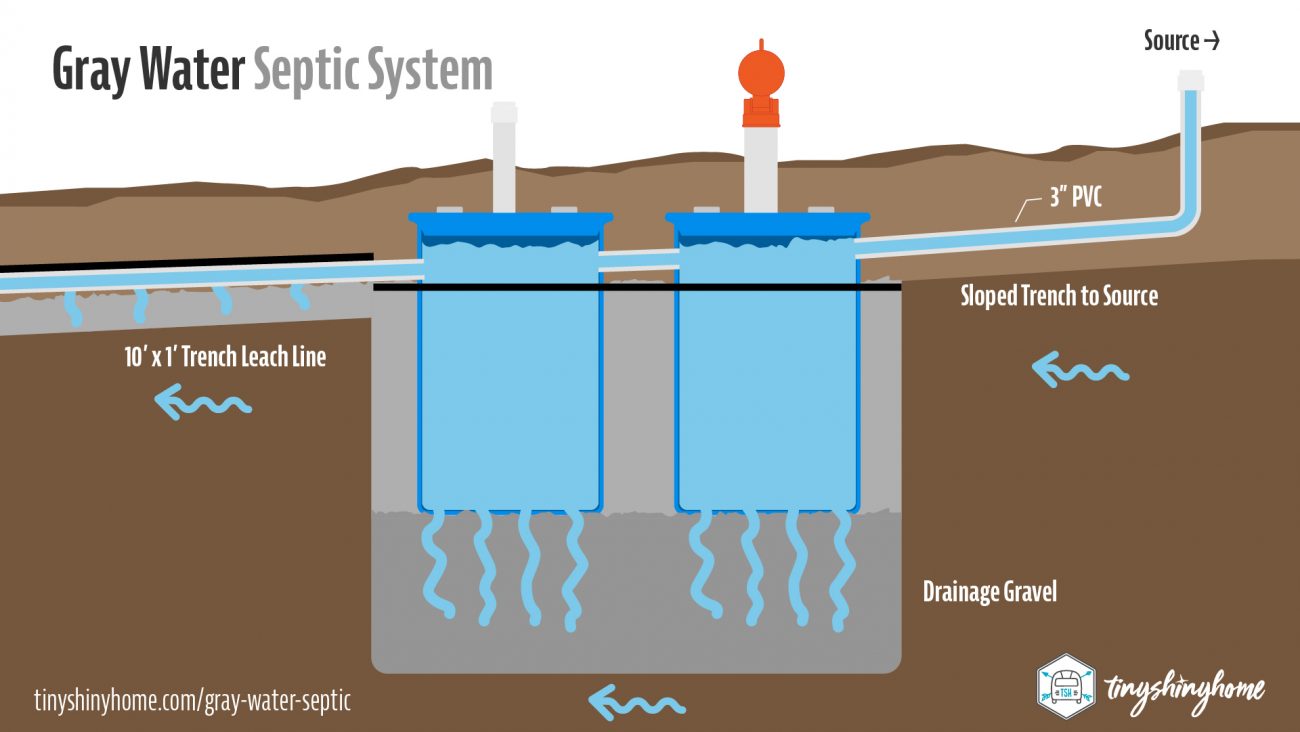
- Subsurface irrigation: More expensive, but safer for the environment by not exposing the wastewater to open air.
- Washing cars: Providing a water source for vehicle cleaning.
- Industrial Cooling: Can be used in cooling towers as a water source.
It's crucial to note that local regulations dictate the permissible uses of gray water. Some jurisdictions may have stricter requirements than others.
Benefits of Using a Gray Water Tank System
Implementing a gray water system with a properly sized and installed gray water tank offers numerous advantages:
- Water Conservation: Reduces freshwater consumption, alleviating pressure on water resources, particularly in water-scarce regions.
- Reduced Water Bills: Lower water consumption translates directly into lower water bills for homeowners and businesses.
- Environmental Sustainability: Conserves water resources and reduces the energy required to treat and distribute potable water.
- Reduced Strain on Sewage Systems: Decreases the volume of wastewater entering the sewer system, potentially reducing infrastructure costs.
- Increased Property Value: Can enhance property value, especially in areas where water conservation is highly valued.
- Compliance with Regulations: Helps meet increasingly stringent water conservation regulations and green building standards.
Cost Considerations
The cost of a gray water system can vary significantly depending on factors such as:
- System Size: Larger systems with bigger tanks and more sophisticated treatment processes cost more.
- Treatment Technology: The type of filtration and disinfection used will impact the cost.
- Installation Complexity: Retrofitting an existing building is typically more expensive than installing a system in a new construction project.
- Local Regulations: Compliance with local codes may require specific components or design features, adding to the cost.
A simple system for toilet flushing or irrigation in a residential home might range from $2,000 to $5,000 installed. More complex systems for larger buildings or industrial applications can cost tens of thousands of dollars. However, the long-term water savings can often offset the initial investment, leading to a positive return on investment (ROI) over time. Rebates and incentives offered by local water utilities or government agencies can also help offset the initial cost.
Maintenance Requirements
Like any mechanical system, a gray water system requires regular maintenance to ensure optimal performance and longevity. Key maintenance tasks include:
- Filter Cleaning or Replacement: Filters should be cleaned or replaced regularly according to the manufacturer's recommendations.
- Tank Cleaning: Periodically cleaning the tank to remove accumulated sediment.
- Pump Inspection and Maintenance: Checking the pump for proper operation and addressing any issues promptly.
- Disinfection System Monitoring: Ensuring the disinfection system is functioning correctly and maintaining the proper disinfectant levels.
- System Inspections: Regular inspections to identify and address any potential problems before they become major issues.
Proper maintenance is essential to prevent clogs, reduce bacterial growth, and ensure the gray water meets the required quality standards for its intended use.
Gray Water Tank System Design Considerations for HVAC Technicians and Facility Managers
For HVAC technicians and facility managers involved in designing or maintaining gray water systems, the following considerations are crucial:
- Sizing the Tank: Proper tank sizing is critical to ensure sufficient storage capacity and prevent overflows. The tank size should be based on the expected gray water generation rate and the water demand for reuse.
- Plumbing Design: Separate plumbing systems for gray water and potable water are essential to prevent cross-contamination. Color-coding pipes and using appropriate labeling are crucial for identification.
- Backflow Prevention: Implementing robust backflow prevention measures is paramount to protect the potable water supply.
- Compliance with Codes and Regulations: Thoroughly understanding and adhering to all applicable local, state, and national codes and regulations related to gray water systems.
- Water Quality Monitoring: Implementing a water quality monitoring program to ensure the gray water meets the required standards for its intended use.
- System Integration: Integrating the gray water system with the building's overall water management strategy to maximize water savings and efficiency.
Conclusion
The gray water tank is an integral component of a sustainable water management system. By understanding its functions, benefits, and proper implementation, homeowners, HVAC technicians, and facility managers can contribute to water conservation efforts and reduce their environmental footprint. While the initial investment can be a barrier, the long-term water savings, environmental benefits, and potential increase in property value make gray water recycling a worthwhile endeavor. As water scarcity becomes an increasingly pressing issue, gray water systems are likely to become even more prevalent in the future.