What Is A Heat Exchanger Hvac
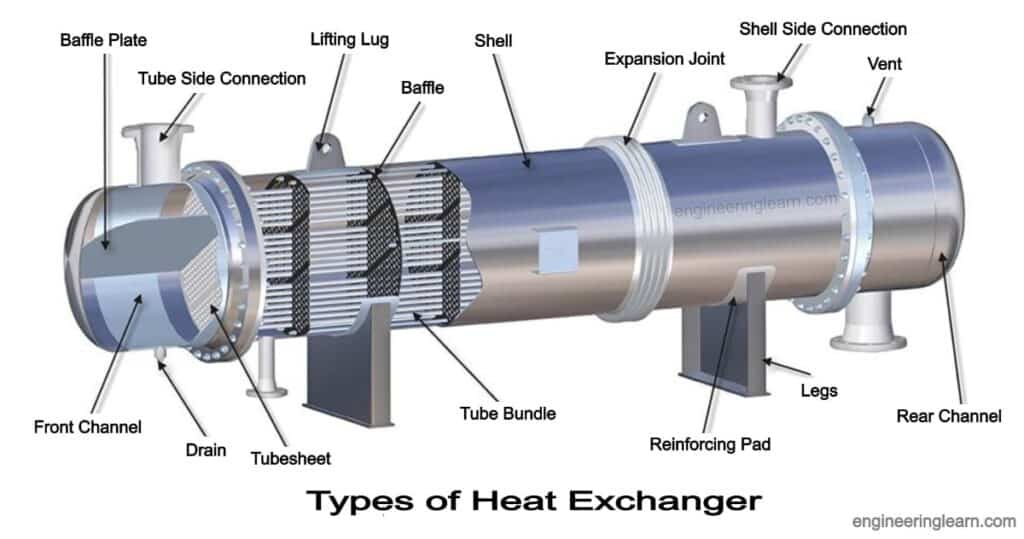
If you're a homeowner dealing with heating issues, chances are you've heard the term heat exchanger. But what exactly is a heat exchanger in your HVAC system, and why is it so crucial for keeping your home warm and safe? Let's dive into this vital component and explore its function, common problems, and when you should call a professional.
What is a Heat Exchanger?
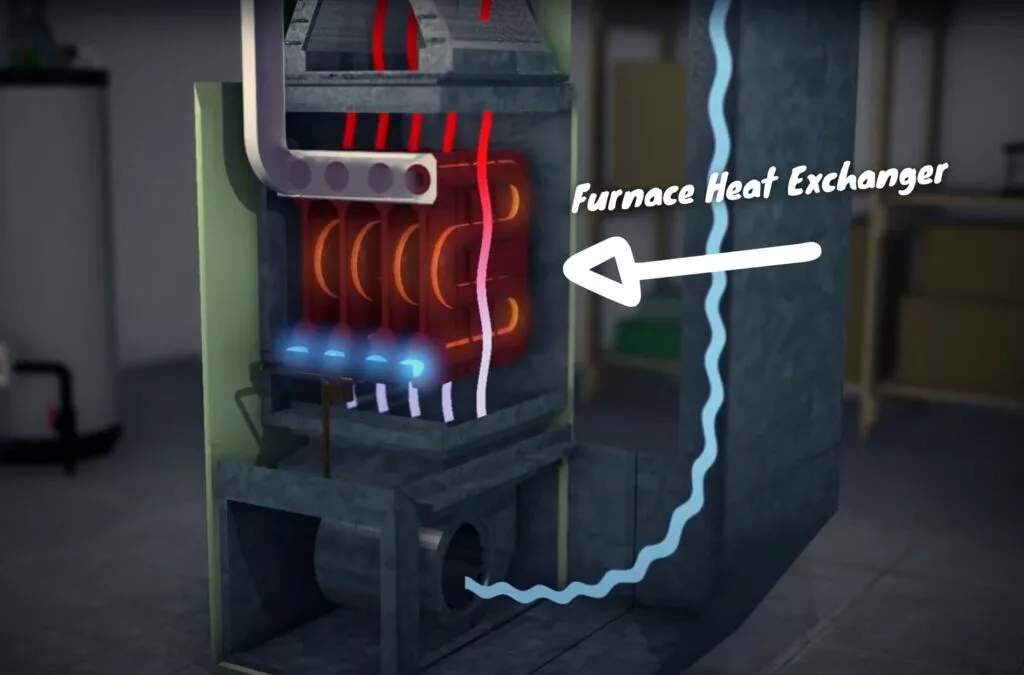
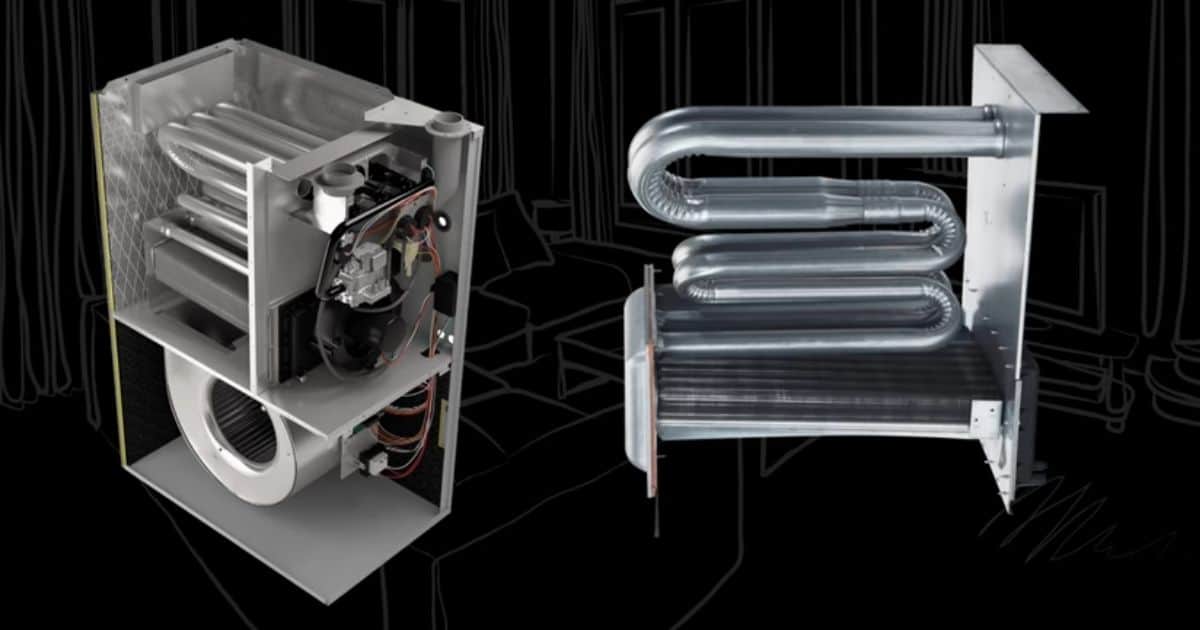
At its core, a heat exchanger is the heart of your furnace. Its primary job is to transfer heat generated by burning fuel (natural gas, propane, or oil) to the air circulating through your home. Think of it as a metal lung; it breathes in hot combustion gases and exhales warm air that's then distributed through your ductwork.
The heat exchanger is typically a series of metal tubes or chambers housed within the furnace. These tubes are designed to maximize surface area, allowing for efficient heat transfer. The combustion process occurs inside these tubes, while the blower motor forces air across the outside, absorbing the heat and distributing it through your vents.
How Does It Work?
The process unfolds like this:
- Fuel (natural gas, propane, or oil) is mixed with air and ignited within the combustion chamber.
- The hot combustion gases flow through the heat exchanger tubes.
- The blower motor pulls air from your home through the return ducts.
- This air is forced across the outside of the heat exchanger tubes, absorbing the heat.
- The heated air is then blown through your ductwork and into your living spaces.
- The combustion gases, now cooled, are vented safely outside through the flue.
This separation of combustion gases from your breathing air is absolutely critical. A damaged heat exchanger can leak dangerous carbon monoxide into your home, which is why its integrity is paramount.
Types of Heat Exchangers
While the basic principle remains the same, heat exchangers come in different designs, each with its pros and cons.
- Clamshell Heat Exchangers: These are older designs, often found in older furnaces. They consist of two curved pieces of metal welded together. They are more prone to cracking over time due to the stress of heating and cooling.
- Tube and Fin Heat Exchangers: A more modern design, these exchangers feature tubes with fins attached to increase surface area. They are generally more efficient than clamshell designs.
- Sectional Heat Exchangers: These are made up of individual sections that are joined together. This design allows for easier replacement of individual sections if one fails.
Common Problems with Heat Exchangers
Heat exchangers are subjected to extreme temperatures and pressures, making them susceptible to wear and tear. Here are some common issues:
- Cracks: This is the most dangerous problem. Cracks can develop due to metal fatigue, corrosion, or overheating. They allow combustion gases, including deadly carbon monoxide, to leak into your home's air supply.
- Corrosion: Moisture from the combustion process can lead to corrosion, weakening the metal and eventually causing leaks.
- Rust: Similar to corrosion, rust can develop over time, especially in older furnaces.
- Overheating: Restricted airflow or a malfunctioning blower motor can cause the heat exchanger to overheat, leading to cracks or warping.
- Sooting: Incomplete combustion can cause soot to build up on the heat exchanger, reducing its efficiency and potentially leading to overheating.
Signs of a Failing Heat Exchanger
Detecting a problem early can save lives. Here are some warning signs to watch out for:
- Carbon Monoxide (CO) Detector Activation: This is the most critical sign. If your CO detector goes off, evacuate immediately and call the fire department or your gas company.
- Soot around the Furnace: Visible soot is a sign of incomplete combustion, which can indicate a heat exchanger problem.
- Rust on the Furnace: While surface rust is common on older units, excessive rust could be a sign of internal corrosion affecting the heat exchanger.
- Visible Cracks: If you can see cracks on the heat exchanger, it needs immediate attention. (Do not attempt to inspect the heat exchanger yourself unless you are qualified to do so. Call a professional.)
- Strange Odors: A musty or metallic smell near the furnace could indicate a leak or corrosion.
- Water Leaks: While less common, a leak from the furnace could be condensation issues OR corrosion damage to the heat exchanger.
- Flu-like Symptoms: Unexplained flu-like symptoms, such as headaches, nausea, and dizziness, can be signs of carbon monoxide poisoning.
- Yellow or Flickering Pilot Light: A healthy pilot light should be blue. A yellow or flickering flame indicates incomplete combustion.
Safety First!
Carbon monoxide (CO) is a colorless, odorless, and deadly gas. If you suspect a heat exchanger problem, take these steps immediately:
- Evacuate your home.
- Call your gas company or the fire department.
- Do not re-enter your home until it has been inspected and cleared by a professional.
- Install working carbon monoxide detectors on every level of your home. Check and replace batteries regularly.
DIY Troubleshooting (With Caution!)
While some HVAC repairs are best left to professionals, here are a few basic troubleshooting steps you can take:
- Check the Furnace Filter: A dirty filter restricts airflow and can cause the furnace to overheat. Replace it regularly (every 1-3 months).
- Inspect the Flue Pipe: Make sure the flue pipe is properly connected and free of obstructions.
- Check the Blower Motor: Ensure the blower motor is running smoothly. If it's making unusual noises, it may need to be replaced.
- Look for Obvious Signs of Damage: With the furnace turned OFF and breaker switched OFF, visually inspect the outside of the furnace for rust, soot, or water leaks. (Do NOT attempt to disassemble the furnace.)
Important Note: Never attempt to repair a heat exchanger yourself. These repairs require specialized tools and expertise. Improper repairs can be extremely dangerous and can create a life-threatening situation. If you suspect a problem, call a qualified HVAC technician immediately.
When to Call a Professional
You should always call a qualified HVAC technician if you:
- Suspect a cracked heat exchanger.
- Experience any symptoms of carbon monoxide poisoning.
- Lack the necessary skills or tools to safely troubleshoot the problem.
- Are uncomfortable working with gas or electrical components.
- Notice a recurring problem with your furnace.
Heat Exchanger Replacement Costs
Replacing a heat exchanger is a major repair, and the cost can vary depending on several factors, including:
- Furnace Model: Some models are more complex and require more labor to replace the heat exchanger.
- Heat Exchanger Type: Different types of heat exchangers have different prices.
- Labor Costs: Labor rates vary by region and contractor.
- Accessibility: If the furnace is difficult to access, it may increase labor costs.
Generally, you can expect to pay anywhere from $800 to $2500+ for a heat exchanger replacement. In some cases, it may be more cost-effective to replace the entire furnace, especially if it's an older model. Get quotes from multiple HVAC contractors to compare prices.
Cost Breakdown:
- Heat Exchanger Part: $500 - $1500
- Labor: $300 - $1000+
- Additional Parts (seals, gaskets, etc.): $50 - $200
Note: These are estimated costs and can vary significantly. Always get a professional assessment and quote.
Preventing Heat Exchanger Problems
While heat exchangers are prone to wear and tear, you can take steps to prolong their lifespan:
- Regular Furnace Maintenance: Schedule annual furnace maintenance with a qualified HVAC technician. They can inspect the heat exchanger for signs of damage and perform necessary cleaning and adjustments.
- Replace Air Filters Regularly: A clean air filter ensures proper airflow and prevents the furnace from overheating.
- Address Problems Promptly: Don't ignore warning signs. Address any furnace issues as soon as possible to prevent them from escalating into more serious problems.
- Ensure Proper Ventilation: Make sure your furnace has adequate ventilation to prevent carbon monoxide buildup.
Taking care of your furnace is an investment in your safety and comfort. Understanding the role of the heat exchanger and recognizing potential problems can help you keep your home warm and safe for years to come. If in doubt, always consult a qualified HVAC professional.