What Is A Heat Exchanger In A Furnace
The Heart of Your Furnace: Understanding the Heat Exchanger
When considering a new furnace, many homeowners focus on AFUE (Annual Fuel Utilization Efficiency) ratings and brand names. However, the heat exchanger is arguably the most critical component, directly impacting your furnace's efficiency, safety, and lifespan. This guide dives deep into the heat exchanger, explaining its function, types, potential problems, and how to choose a furnace with a reliable and durable heat exchanger.
What Does a Heat Exchanger Do?
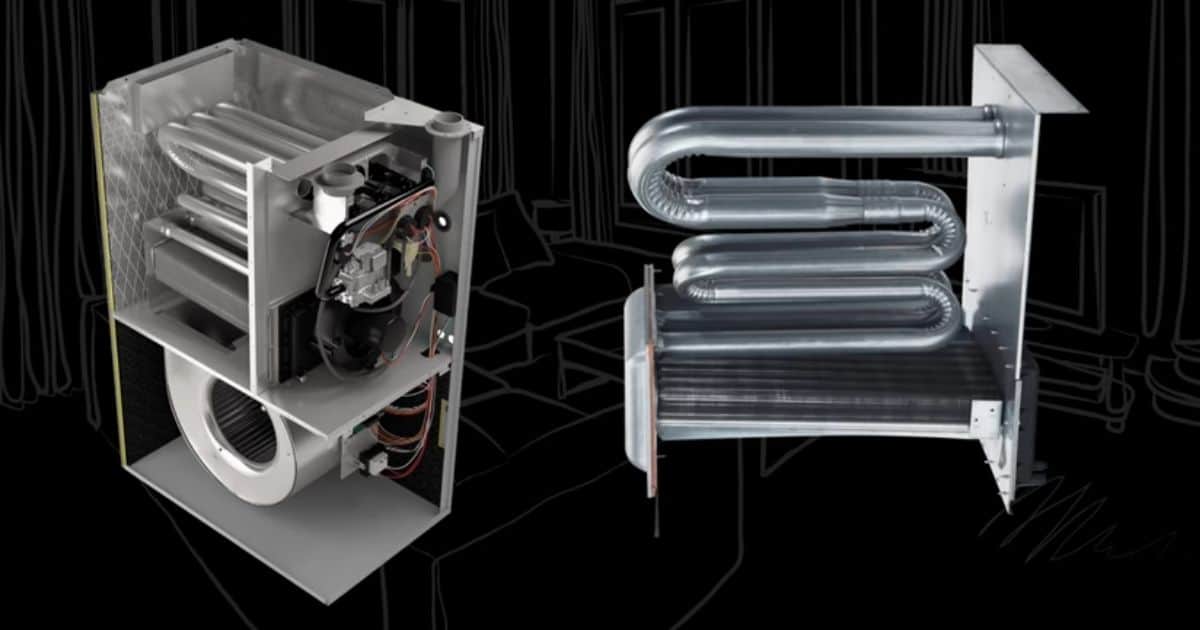
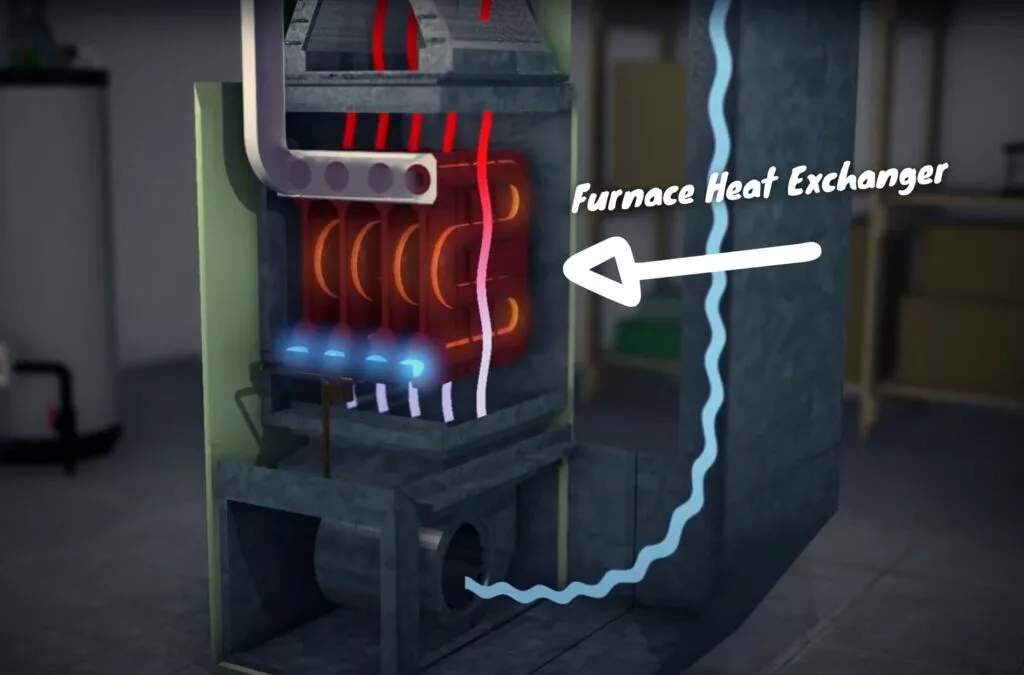
The heat exchanger's primary job is to transfer heat from the combustion process to the air circulating through your home. Inside the furnace, fuel (natural gas, propane, or oil) is burned, creating hot combustion gases. These gases pass through the heat exchanger, a series of metal chambers or tubes. As the hot gases travel through the heat exchanger, they heat the metal surfaces. The blower fan then forces air across these heated surfaces, warming the air before it's distributed through your ductwork and into your home. Crucially, the heat exchanger keeps the combustion gases separate from the breathable air circulating in your home, preventing dangerous carbon monoxide from entering your living space.
Types of Heat Exchangers
Heat exchangers come in various designs, each with its advantages and disadvantages:
- Clamshell (or Drum) Heat Exchangers: These are typically found in older, less efficient furnaces. They consist of two curved metal pieces welded together to form a drum. While relatively inexpensive to manufacture, they are more prone to cracking and have lower surface area for heat transfer, resulting in lower AFUE ratings.
- Tubular Heat Exchangers: These are more efficient and durable than clamshell designs. They consist of multiple S-shaped tubes through which the combustion gases pass. The increased surface area allows for better heat transfer, contributing to higher AFUE ratings. They are also generally more resistant to cracking.
- Primary/Secondary Heat Exchangers: Found in high-efficiency furnaces (typically 90% AFUE or higher), these systems use two heat exchangers. The primary heat exchanger extracts the majority of the heat from the combustion gases. The secondary heat exchanger then extracts even more heat by condensing the remaining water vapor in the exhaust gases. This condensation releases latent heat, further increasing efficiency. Because of the condensation, these furnaces require a condensate drain.
Materials Matter: Heat Exchanger Construction
The material used to construct the heat exchanger significantly affects its durability and lifespan. Common materials include:
- Steel: A common and relatively inexpensive material. However, steel is susceptible to rust and corrosion, especially in condensing furnaces.
- Aluminized Steel: Steel coated with aluminum to improve corrosion resistance. A good compromise between cost and durability.
- Stainless Steel: The most durable and corrosion-resistant material. Stainless steel heat exchangers are often found in high-efficiency furnaces and come with longer warranties.
Signs of a Failing Heat Exchanger
A cracked or damaged heat exchanger is a serious safety hazard. Carbon monoxide (CO) can leak into your home, leading to potentially fatal consequences. Here are some warning signs that your heat exchanger may be failing:
- Visible Rust or Cracks: A visual inspection of the heat exchanger by a qualified HVAC technician can reveal visible damage.
- Carbon Monoxide Detector Alarm: A CO detector going off is a critical warning sign. Do not ignore it. Evacuate the premises immediately and call emergency services.
- Soot Around the Furnace: Excessive soot buildup can indicate incomplete combustion and potential heat exchanger problems.
- Strange Odors: A musty or metallic smell coming from your vents could be a sign of a failing heat exchanger.
- Water Leaks: In high-efficiency furnaces with secondary heat exchangers, leaks can occur if the heat exchanger is corroded.
- Flame Rollout: This is when flames escape from the furnace's burner compartment. It's a serious safety hazard that requires immediate attention.
- Yellow or Unsteady Burner Flame: A healthy burner flame should be blue. A yellow or flickering flame can indicate incomplete combustion and potential problems with the heat exchanger or gas supply.
Important Note: If you suspect a cracked heat exchanger, immediately shut off your furnace and contact a qualified HVAC technician. Do not attempt to repair it yourself.
Choosing a Furnace with a Reliable Heat Exchanger
When shopping for a new furnace, consider these factors to ensure you choose a model with a reliable heat exchanger:
- Material: Opt for stainless steel or aluminized steel for better corrosion resistance.
- Warranty: Look for furnaces with extended heat exchanger warranties (10 years or longer). This indicates the manufacturer's confidence in the product's durability.
- Brand Reputation: Research brands known for producing high-quality, durable furnaces. Some reputable brands include:
- Carrier: Known for their high-efficiency and innovative features.
- Trane: A reliable brand with a reputation for durability and performance.
- Lennox: Offers a range of furnaces with varying AFUE ratings and features.
- Rheem/Ruud: Known for providing good value and a wide selection of models.
- Goodman: A more budget-friendly option with a focus on affordability.
- AFUE Rating: While the heat exchanger itself doesn't directly determine the AFUE rating, higher AFUE furnaces often have more sophisticated heat exchanger designs and materials.
Maintenance Tips for Extending Heat Exchanger Life
Proper maintenance can significantly extend the life of your heat exchanger:
- Regular Filter Changes: A dirty air filter restricts airflow, causing the furnace to overheat and potentially damage the heat exchanger. Change your air filter every 1-3 months.
- Annual Inspections: Schedule annual furnace inspections by a qualified HVAC technician. They can identify potential problems early and perform necessary maintenance.
- Proper Ventilation: Ensure adequate ventilation around the furnace to prevent overheating.
- Proper Combustion: A properly tuned furnace burns fuel efficiently, minimizing soot and carbon monoxide production, which can corrode the heat exchanger.
Heat Exchanger Replacement: When Is It Necessary?
In some cases, a damaged heat exchanger can be replaced. However, depending on the furnace's age and the cost of the replacement, it may be more cost-effective to replace the entire furnace. Consider these factors:
- Furnace Age: If your furnace is over 15 years old, replacing the entire unit may be more economical than replacing just the heat exchanger.
- Replacement Cost: Get quotes for both heat exchanger replacement and furnace replacement. Compare the costs and consider the long-term savings of a more efficient new furnace.
- Warranty: Check if your furnace is still under warranty. The heat exchanger may be covered.
Example Furnace Models and Heat Exchanger Features
Here are a few example furnace models highlighting heat exchanger features:
- Carrier Infinity 98: This high-efficiency furnace features a modulating gas valve and a stainless steel heat exchanger with a lifetime warranty. It boasts a 98.5% AFUE rating.
- Trane XV95: This furnace uses a two-stage gas valve and a stainless steel primary heat exchanger. It has a 97% AFUE rating and a 20-year heat exchanger warranty (with registration).
- Lennox SLP98DF: This model features a stainless steel heat exchanger and a 98% AFUE rating. It's known for its quiet operation and precise temperature control.
Understanding Furnace Ratings: AFUE, SEER, and HSPF
While this article focuses primarily on heat exchangers, it's important to understand other key furnace ratings:
- AFUE (Annual Fuel Utilization Efficiency): This rating measures the furnace's heating efficiency. A higher AFUE rating means the furnace wastes less fuel and saves you money on energy bills. Furnaces with AFUE ratings of 90% or higher are considered high-efficiency.
- SEER (Seasonal Energy Efficiency Ratio): This rating applies to air conditioners, not furnaces, and measures cooling efficiency.
- HSPF (Heating Seasonal Performance Factor): This rating applies to heat pumps and measures their heating efficiency.
Conclusion: Invest in a Quality Heat Exchanger for a Safe and Efficient Home
The heat exchanger is a vital component of your furnace, responsible for safe and efficient heat transfer. By understanding the different types of heat exchangers, their materials, and potential problems, you can make an informed decision when choosing a new furnace. Prioritize models with durable materials like stainless steel, extended warranties, and a good reputation for reliability. Regular maintenance and inspections will further extend the life of your heat exchanger and ensure the safety of your home.