What Is A Heating Pump House
Imagine waking up on a chilly morning, expecting a warm blast of air from your vents, only to be greeted by... nothing. Or worse, a weak, lukewarm puff that does little to combat the cold. Alternatively, picture a sweltering summer afternoon where your air conditioning is struggling to keep your home cool, running constantly without providing adequate relief. These scenarios, where your heating or cooling system fails to deliver the expected comfort, are common frustrations for homeowners. This article will focus on one crucial component often involved in these issues, particularly in homes with certain types of heating and cooling systems: the heating pump house. We'll break down what it is, how to troubleshoot common problems, and when it's time to call in the professionals.
Understanding the Heating Pump House
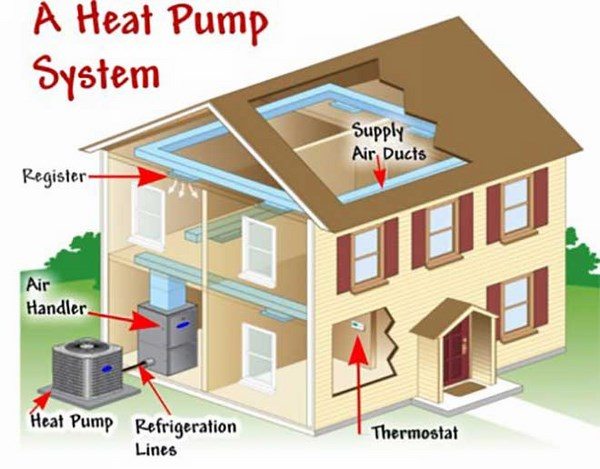
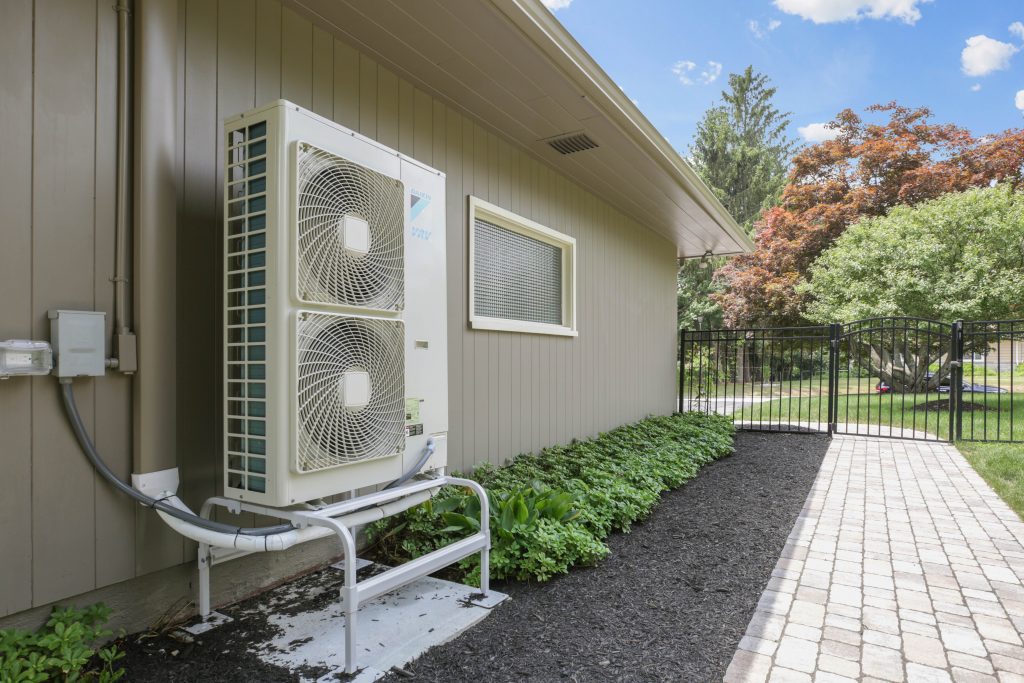
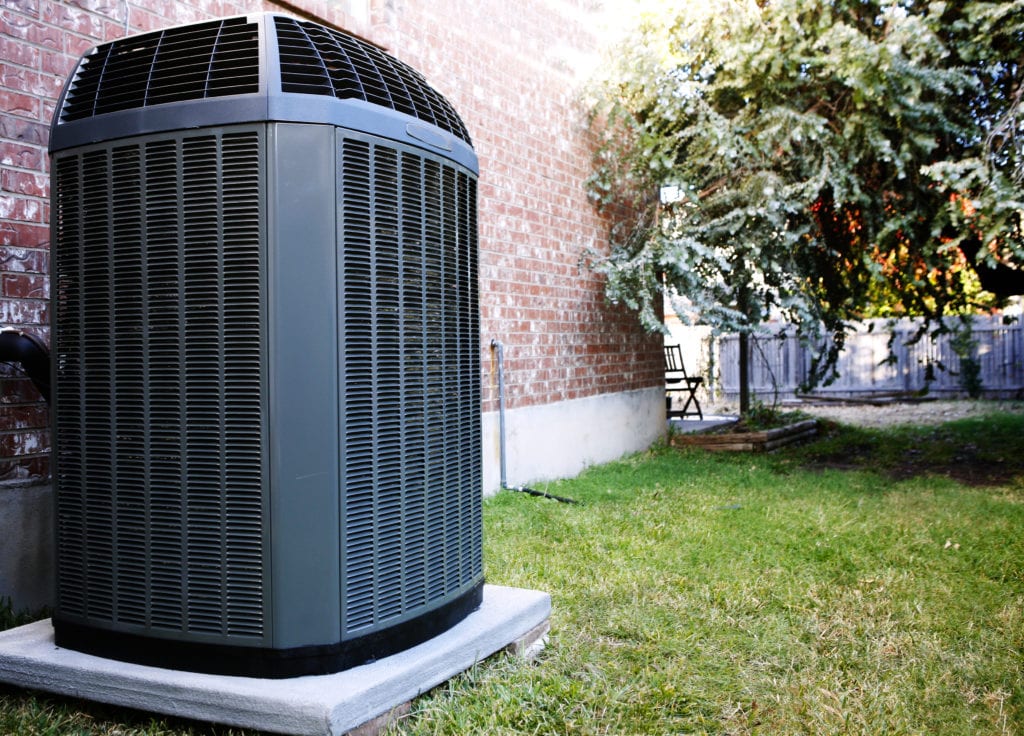
First, let's clarify what we mean by "heating pump house." The term isn't universally used, but it generally refers to a small, enclosed structure, often located outside the main building, that houses the circulating pump(s) and other essential components for a heating or cooling system. This is most common with geothermal systems, hydronic (water-based) heating systems, and sometimes with large or complex HVAC setups. The pump house keeps these vital parts protected from the elements and allows for easier access for maintenance and repairs.
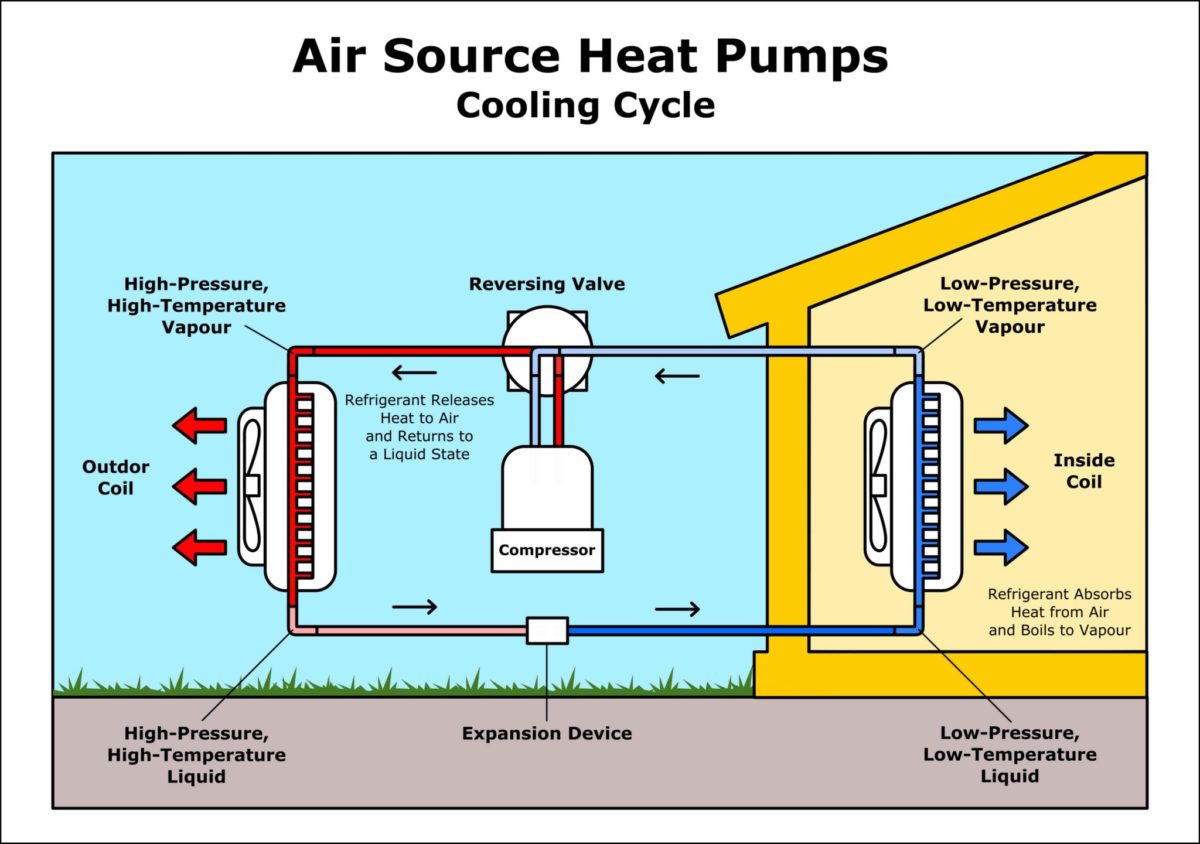
Think of it as the heart of your heating or cooling system, particularly if you have a system that relies on circulating fluid (water or antifreeze) to transfer heat. Without a properly functioning pump house, your entire system can fail to deliver the desired temperature.
Troubleshooting a Heating Pump House: A Step-by-Step Guide
Before diving in, remember safety first! Always disconnect the power to the pump house at the circuit breaker before performing any inspections or maintenance. Wear appropriate safety gear, such as gloves and eye protection, especially if you suspect leaks or encounter any hazardous materials.
Step 1: The Visual Inspection (No Tools Required)
Start with a thorough visual inspection of the pump house and its surroundings. This can often reveal obvious problems without requiring any tools.
- Check for Leaks: Look for any signs of water or antifreeze leaks around the pump(s), pipes, valves, and fittings. Even small leaks can lead to significant pressure loss and system inefficiency. Note the location and severity of any leaks you find. Look for pooling water inside the pump house.
- Inspect the Pump(s): Visually examine the pump(s) for any signs of damage, such as cracks, corrosion, or loose connections. Listen for unusual noises coming from the pump while it's running (or trying to run). A grinding or squealing sound could indicate a failing bearing or other mechanical issue.
- Examine the Pipes and Insulation: Check the pipes for corrosion, damage, or kinks that could restrict flow. Ensure that the insulation around the pipes is intact and properly covering the pipes to prevent heat loss or gain. Missing or damaged insulation can significantly reduce the efficiency of your system.
- Look for Obstructions: Make sure there are no obstructions blocking the air vents (if any) in the pump house. Proper ventilation is essential to prevent overheating of the equipment. Also, check for debris or vegetation that could be interfering with the operation of the pump(s) or other components.
- Check the Electrical Connections: Visually inspect the electrical wiring and connections for any signs of damage, corrosion, or loose connections. Look for burnt wires or components. This is a crucial safety check.
Step 2: Basic Checks with Simple Tools
If the visual inspection doesn't reveal any obvious problems, you can proceed with some basic checks using simple tools.
- Test the Pump Motor with a Multimeter (Requires a Multimeter): Use a multimeter to check the voltage to the pump motor. Ensure that the motor is receiving the correct voltage as specified by the manufacturer. If the voltage is significantly lower than the specified value, it could indicate a problem with the electrical supply or wiring. This requires knowledge of electrical safety and how to use a multimeter safely and correctly. If you are not comfortable with electrical work, skip this step and consult a professional.
- Check the Pump Capacitor (Requires a Multimeter): Many pumps use a capacitor to help start the motor. A failing capacitor is a common cause of pump failure. Use a multimeter with a capacitance testing function to check the capacitor's value. If the measured capacitance is significantly lower than the rated value printed on the capacitor, it needs to be replaced. Again, this involves electrical work, so proceed with caution and consult a professional if needed.
- Check the Water Pressure (Requires a Pressure Gauge): If you have a pressure gauge installed in the pump house, check the water pressure in the system. Low pressure can indicate a leak, a blockage, or a pump that is not functioning properly. Compare the reading to the recommended pressure for your system.
- Bleed the System (Requires a Bleeding Key or Screwdriver): Air trapped in the system can prevent proper circulation and reduce efficiency. Locate the bleed valves in the pump house and use a bleeding key or screwdriver to release any trapped air. Be prepared for water to spray out, so have a towel handy. Continue bleeding until only water comes out.
- Check the Thermostat Setting: Sounds obvious, but ensure your thermostat is set correctly and calling for heat or cool. Sometimes a simple setting change can resolve the issue.
- Check the Fuses/Breakers: Even if you disconnected the main breaker, check the local fuses or breakers inside the pump house control panel. A tripped breaker or blown fuse can cut power to the pump.
Step 3: Advanced Troubleshooting (Requires Specialized Knowledge and Tools)
The following troubleshooting steps require specialized knowledge and tools and are best left to qualified HVAC professionals.
- Diagnosing Pump Impeller Issues: Problems with the pump impeller, such as clogs or damage, can significantly reduce pump performance. Diagnosing and repairing impeller issues often requires disassembling the pump, which is a complex and potentially messy task.
- Evaluating Complex Electrical Issues: If you suspect a more complex electrical problem, such as a faulty motor winding or a problem with the control panel, it's best to call an electrician or HVAC technician. Diagnosing these issues requires specialized electrical testing equipment and expertise.
- Refrigerant Leaks (If Applicable): If your system uses refrigerant, a leak can cause a significant drop in performance. Refrigerant leaks require specialized equipment to detect and repair and should only be handled by certified technicians.
- Control System Malfunctions: Modern HVAC systems often use complex control systems to regulate temperature and airflow. Malfunctions in these systems can be difficult to diagnose and repair and may require specialized software and diagnostic tools.
- Geo-Thermal Loop Problems: Geo-thermal systems have underground piping loops. Issues with these loops are complex and need specialized equipment.
DIY Actions You Can Take (Safely and Effectively)
After completing the troubleshooting steps, there are several DIY actions you can take to address common problems. However, always prioritize safety and never attempt repairs that you are not comfortable with.
- Tighten Loose Connections: If you find any loose electrical connections, carefully tighten them using a screwdriver. Ensure that the power is disconnected before doing so.
- Replace a Faulty Capacitor: If you have diagnosed a faulty capacitor and are comfortable with basic electrical work, you can replace it with a new one of the same rating. Always disconnect the power before replacing the capacitor and discharge it using a resistor before handling it.
- Insulate Exposed Pipes: If you find any exposed or damaged pipe insulation, replace it with new insulation to prevent heat loss or gain. You can purchase pipe insulation at most hardware stores.
- Clear Obstructions: Remove any obstructions that are blocking air vents or interfering with the operation of the pump(s).
- Clean the Pump House: Regularly clean the pump house to remove debris and prevent the buildup of dust and dirt.
When to Call a Professional HVAC Technician
While many heating pump house issues can be diagnosed and resolved with basic troubleshooting and DIY actions, there are certain situations where it's essential to call a qualified HVAC technician. Here are some key indicators that it's time to seek professional help:
- You are uncomfortable working with electricity or handling tools.
- You suspect a refrigerant leak.
- You are unable to diagnose the problem after performing basic troubleshooting.
- The problem is complex or requires specialized tools and equipment.
- You are concerned about your safety.
- You have a warranty on your equipment that could be voided by DIY repairs.
- The system is old or inefficient and may need to be replaced.
- You notice burning smells or see smoke coming from the equipment.
Don't hesitate to call a professional if you are unsure about anything. It's always better to err on the side of caution and ensure that your heating or cooling system is working safely and efficiently.
Preventative Maintenance: Avoiding Future Problems
The best way to avoid heating pump house problems is to perform regular preventative maintenance. Here are some simple steps you can take to keep your system running smoothly:
- Schedule annual inspections with a qualified HVAC technician. They can identify potential problems before they become major issues.
- Clean or replace air filters regularly. Dirty air filters can restrict airflow and reduce efficiency.
- Keep the area around the pump house clear of debris and vegetation.
- Monitor the system for any signs of leaks or unusual noises.
- Insulate pipes and components properly.
- Consider installing a surge protector to protect the equipment from power surges.
By following these preventative maintenance tips, you can help ensure that your heating or cooling system operates reliably and efficiently for years to come, saving you money on energy bills and avoiding costly repairs.
Remember, your heating pump house is an important part of your home's comfort system. By understanding its function, performing regular maintenance, and knowing when to call a professional, you can keep it running smoothly and efficiently, ensuring a comfortable and safe home environment for you and your family.