What Is A High Humidity Number
Understanding humidity is crucial for maintaining a comfortable and healthy living environment. A high humidity number can indicate potential problems ranging from discomfort to structural damage in your home. This guide will explain what constitutes a high humidity level, its causes, effects, and what you can do about it.
What is Humidity?
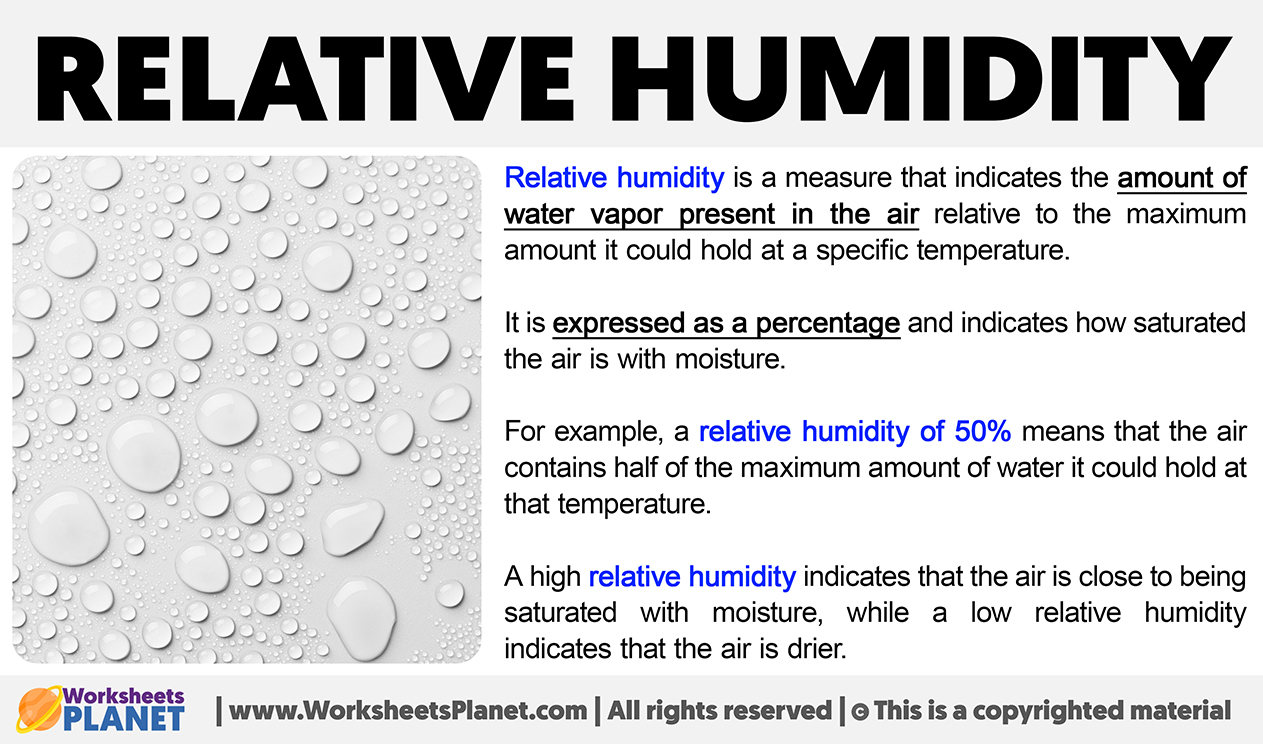
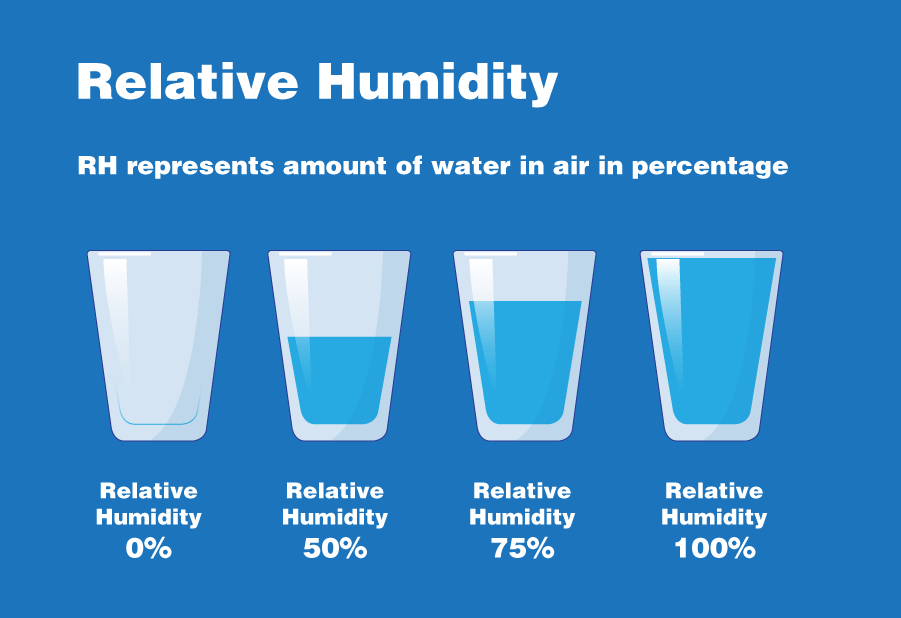
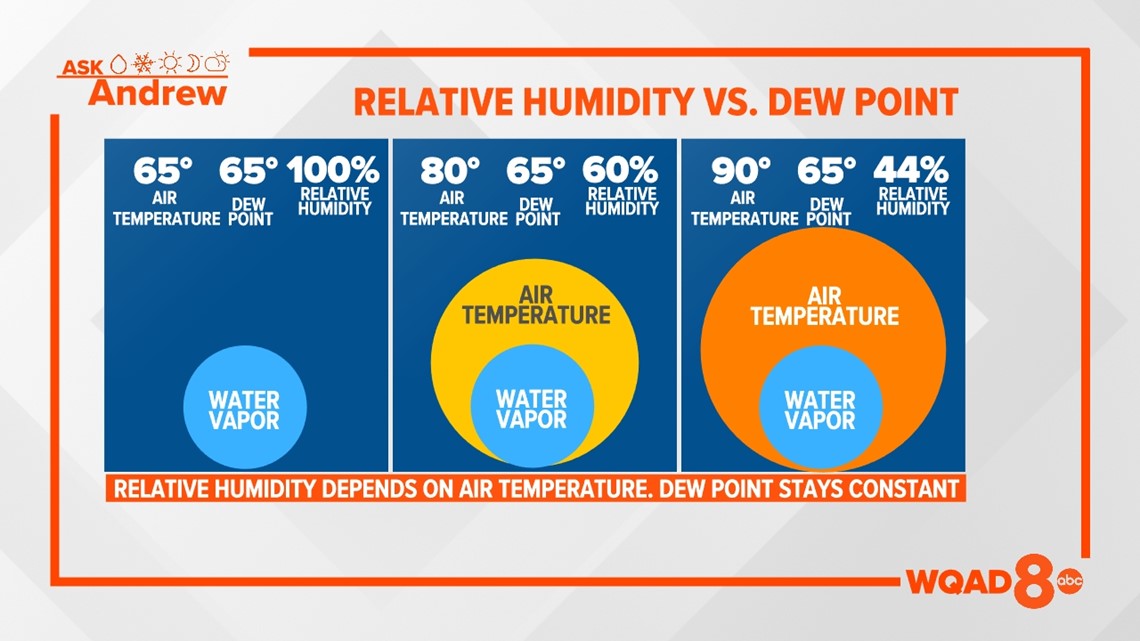
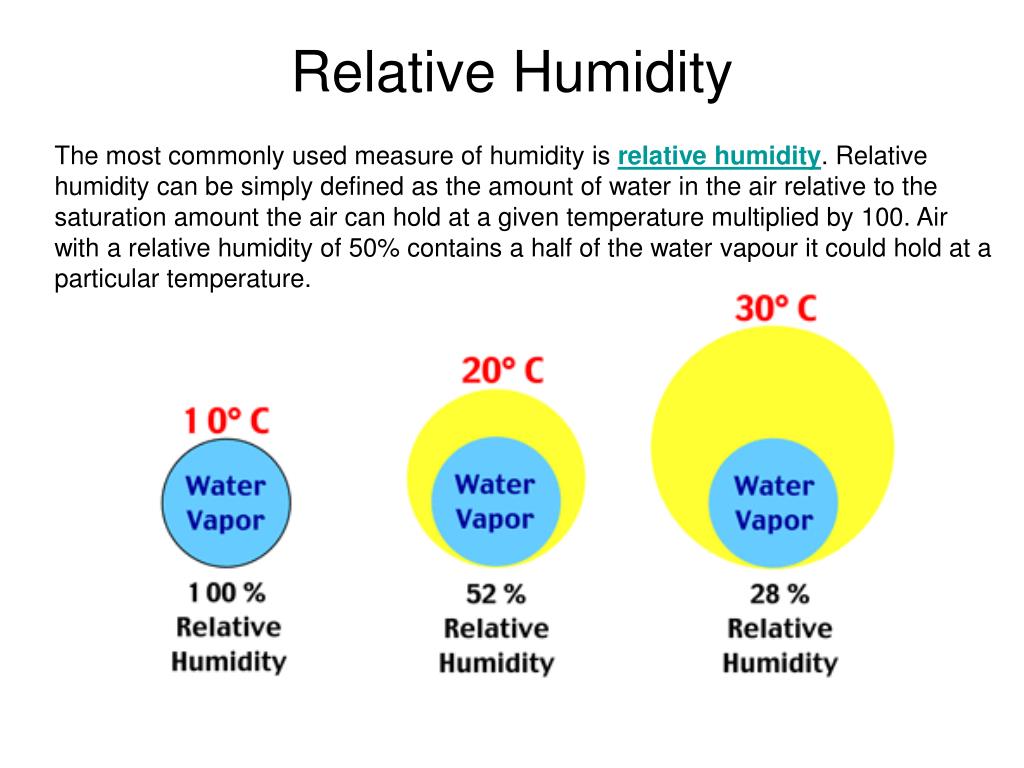
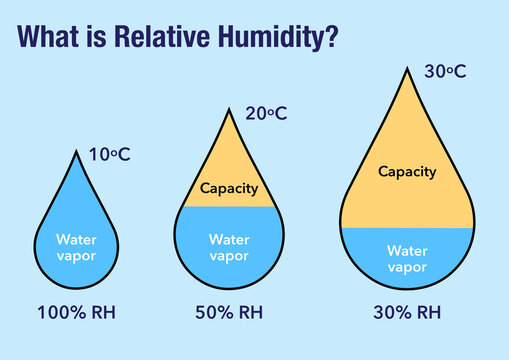
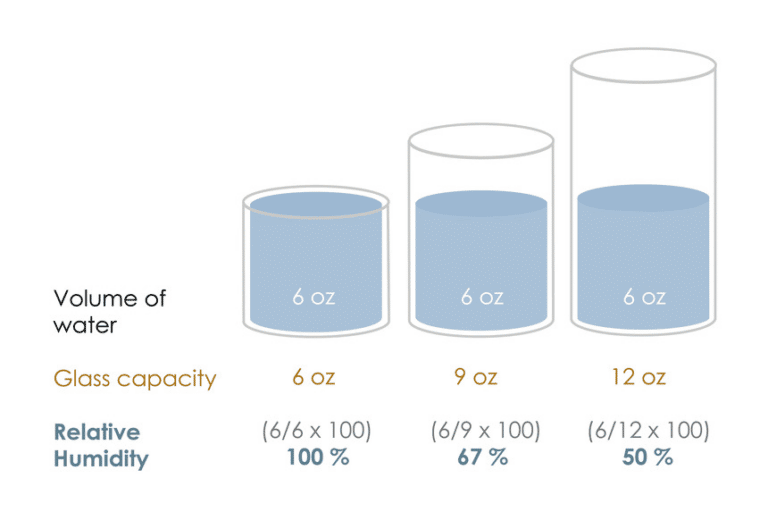
Humidity refers to the amount of water vapor present in the air. It's often expressed as relative humidity, which is the percentage of water vapor in the air compared to the maximum amount the air can hold at a given temperature.
Think of a sponge. If a sponge is completely dry, it has 0% relative humidity. If you soak it completely, it's at 100% relative humidity. Air works similarly; warmer air can hold more moisture than colder air.
Relative Humidity vs. Absolute Humidity
It's important to differentiate between relative and absolute humidity. Absolute humidity measures the actual mass of water vapor per unit volume of air. However, relative humidity is the more commonly used and understood measurement because it reflects how the humidity *feels* to us.
What is Considered a High Humidity Number?
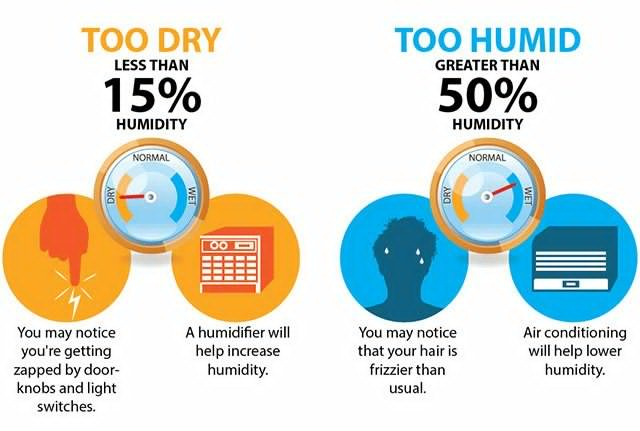
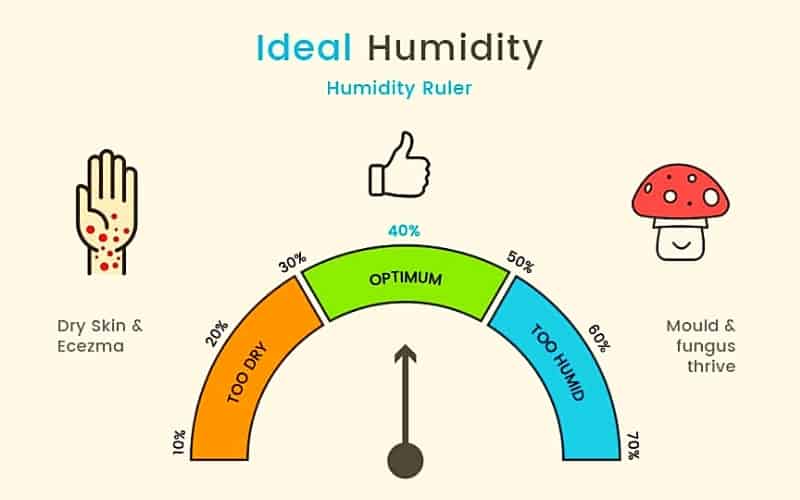
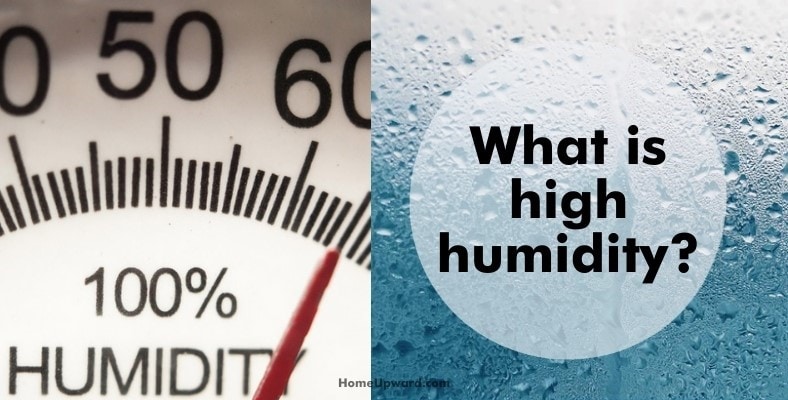
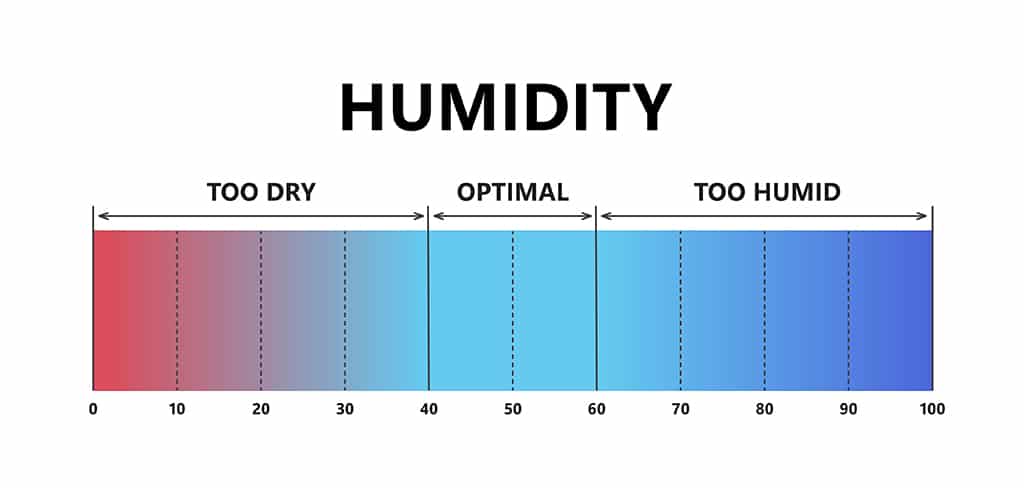
Generally, a relative humidity level above 60% is considered high. Ideally, you should aim for a humidity level between 30% and 50% for optimal comfort and health. Anything consistently above 60% can lead to a variety of problems.
Different sources may cite slightly different ranges for ideal humidity. However, the consensus is that exceeding 60% for extended periods poses risks.
How is Humidity Measured?
Humidity is measured using a device called a hygrometer. There are several types available, ranging from simple analog models to sophisticated digital ones. Many smart thermostats also include humidity sensors.
You can easily purchase a hygrometer online or at most hardware stores. Monitoring humidity levels, especially during humid seasons, is a good practice.
What Causes High Humidity?
Several factors can contribute to high humidity levels in your home:
- Geographic Location: Coastal areas and regions with high rainfall naturally experience higher humidity levels.
- Poor Ventilation: Insufficient airflow traps moisture inside, leading to increased humidity.
- Leaky Plumbing: Even small leaks can introduce significant amounts of moisture into the air.
- Activities that Generate Moisture: Showering, cooking, washing dishes, and doing laundry all release water vapor into the air.
- Basement Issues: Basements are often prone to dampness due to their proximity to the ground.
- Crawl Space Issues: Crawl spaces can trap moisture rising from the ground.
- Poorly Sealed Windows and Doors: Gaps allow humid outdoor air to enter your home.
- Overwatering Houseplants: Excessive watering can contribute to indoor humidity.
The Effects of High Humidity
High humidity isn't just uncomfortable; it can have several negative consequences:
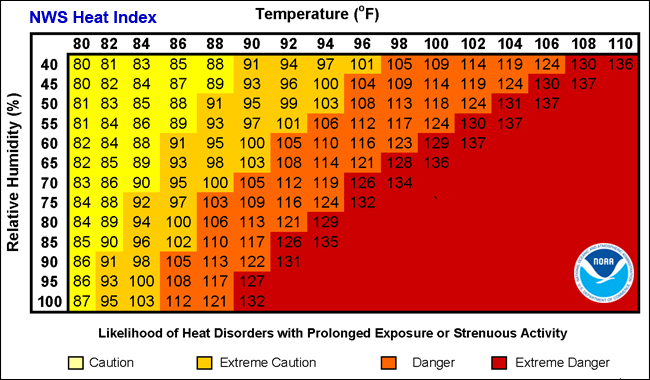
- Discomfort: High humidity makes the air feel heavy and sticky, hindering the body's ability to cool itself through perspiration.
- Mold and Mildew Growth: Damp environments are ideal breeding grounds for mold and mildew, which can trigger allergies and respiratory problems.
- Allergies and Respiratory Issues: Mold, mildew, and dust mites thrive in humid conditions, exacerbating allergies and asthma.
- Damage to Property: High humidity can warp wood, damage paint, and corrode metal.
- Musty Odors: Mold and mildew often produce unpleasant musty smells.
- Insect Infestation: Some insects, like silverfish and dust mites, prefer humid environments.
How to Reduce High Humidity Levels
Fortunately, there are several effective strategies for reducing high humidity in your home:
- Use a Dehumidifier: Dehumidifiers remove moisture from the air, helping to lower humidity levels. Choose a size appropriate for the area you need to dehumidify.
- Improve Ventilation: Ensure adequate ventilation by opening windows and doors (when outdoor humidity is lower than indoor humidity) and using exhaust fans in bathrooms and kitchens.
- Fix Leaks: Repair any plumbing leaks promptly to prevent moisture from accumulating.
- Dry Clothes Outdoors: Avoid drying clothes indoors, as this releases a significant amount of moisture into the air. If you must dry clothes indoors, use a clothes dryer vented to the outside.
- Cover Pots When Cooking: Covering pots while cooking reduces the amount of steam released into the air.
- Take Shorter, Cooler Showers: Hot showers produce a lot of steam. Reducing shower time and temperature can help lower humidity.
- Ensure Proper Drainage: Make sure that water drains away from your foundation to prevent moisture from seeping into your basement or crawl space.
- Seal Windows and Doors: Caulk and weatherstrip around windows and doors to prevent humid outdoor air from entering your home.
- Insulate Pipes: Condensation on cold pipes can add moisture to the air. Insulating them can help prevent this.
- Control Crawl Space Moisture: Encapsulate your crawl space with a vapor barrier to prevent moisture from rising from the ground.
- Regularly Check and Clean Gutters and Downspouts: Ensure they are directing water away from the foundation.
The Role of Air Conditioning
Air conditioners also help to reduce humidity, although their primary function is to cool the air. The cooling process causes water vapor to condense on the evaporator coils, removing it from the air.
Think of refrigerant as the 'blood' of your AC system, carrying heat from inside to outside. This process also removes moisture.
Air Conditioner Maintenance
Regular maintenance of your air conditioner is crucial for optimal performance and humidity control. Clogged air filters can reduce airflow, making the AC less effective at removing moisture. Schedule regular maintenance with a qualified HVAC technician to ensure your system is running efficiently.
When to Seek Professional Help
If you've tried the above measures and are still struggling with high humidity, it's time to seek professional help. A qualified HVAC technician can assess your home and identify the underlying causes of the problem. They can also recommend and install appropriate solutions, such as a whole-house dehumidifier or improved ventilation systems.
Furthermore, if you suspect mold growth, it's essential to contact a professional mold remediation specialist. Mold can be hazardous to your health, and attempting to remove it yourself can be risky.
Understanding Humidity and Your Health
Maintaining optimal humidity levels is not just about comfort; it's also about protecting your health. High humidity can create an environment that promotes the growth of mold, mildew, and dust mites, all of which can trigger allergies and respiratory problems.
Conversely, low humidity can also be problematic, leading to dry skin, irritated sinuses, and increased susceptibility to respiratory infections. The ideal humidity range of 30% to 50% strikes a balance between these two extremes.
Conclusion
A high humidity number, typically above 60%, indicates excessive moisture in the air. This can lead to discomfort, mold growth, property damage, and health problems. By understanding the causes of high humidity and implementing the strategies outlined in this guide, you can create a more comfortable, healthy, and sustainable living environment. Regular monitoring of humidity levels and proactive measures to control moisture are key to maintaining a healthy home.
Remember to consider your local climate and specific home characteristics when addressing humidity issues. Consulting with professionals can provide tailored solutions for your unique needs.