What Is A Hydronic Terminal Unit

Understanding Hydronic Terminal Units: Your Guide to Efficient Home Heating and Cooling
Hydronic systems are a popular alternative to traditional forced-air HVAC systems, offering potentially more efficient and comfortable heating and cooling. A key component of these systems is the hydronic terminal unit. This article will break down what a hydronic terminal unit is, how it works, common types, potential problems, and when you might need to call a professional.
What is a Hydronic Terminal Unit?
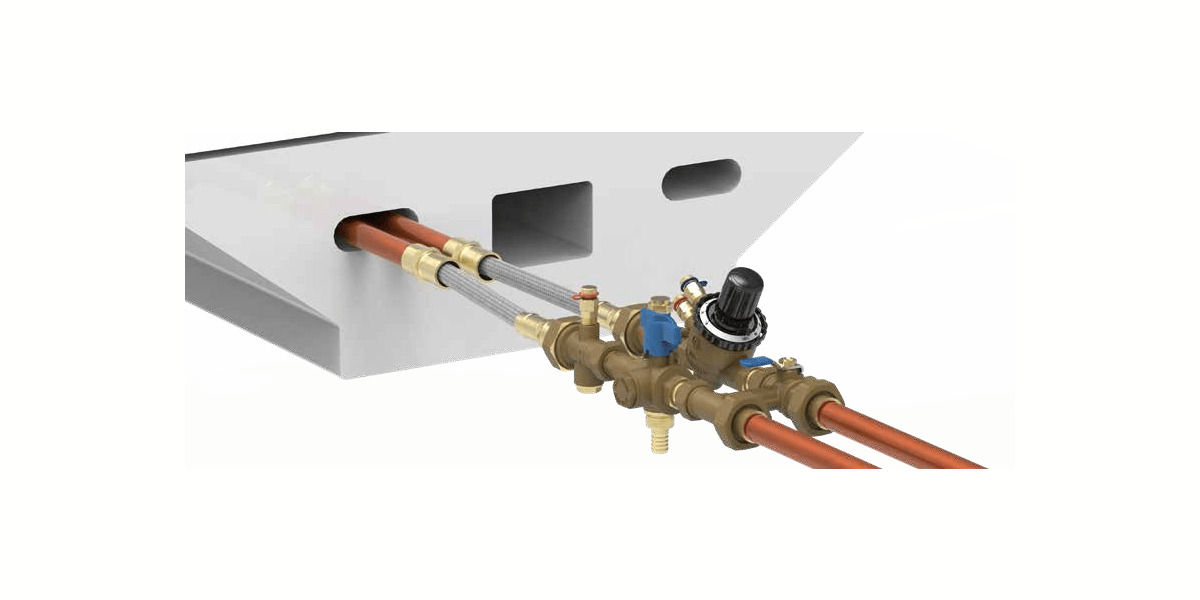
A hydronic terminal unit is essentially a heat exchanger that delivers heating or cooling to a specific zone or area within your home. It uses water (or a water/glycol mixture) circulated from a central heating or cooling source to either release heat into the room (for heating) or absorb heat from the room (for cooling).
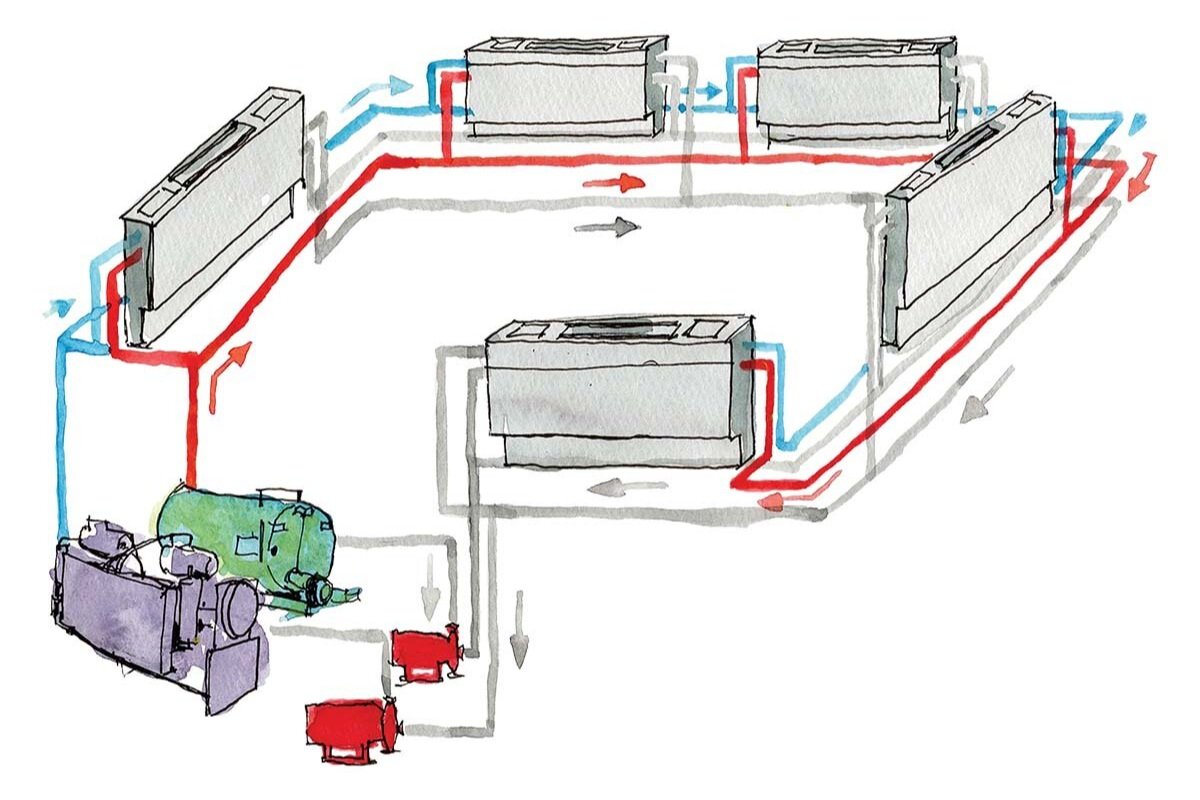
Think of it like this: the central boiler or chiller is the "heart" of the system, pumping heated or chilled water through a network of pipes (the "arteries" and "veins"). The hydronic terminal unit is the "delivery system," directly providing the desired temperature change to a specific space.
How Do Hydronic Terminal Units Work?
The basic principle is simple: heat transfer. Hot water enters the terminal unit, flows through a coil (a series of finned tubes), and heats the surrounding air. The cooled water then returns to the boiler to be reheated. The opposite happens during cooling; chilled water absorbs heat from the air, and the warmed water returns to the chiller.
Most hydronic terminal units use a fan to force air across the coil, increasing the efficiency of heat transfer. This allows for more rapid and consistent temperature control compared to relying solely on natural convection.
Types of Hydronic Terminal Units
There are several types of hydronic terminal units, each designed for different applications and aesthetic preferences. Here are some of the most common:
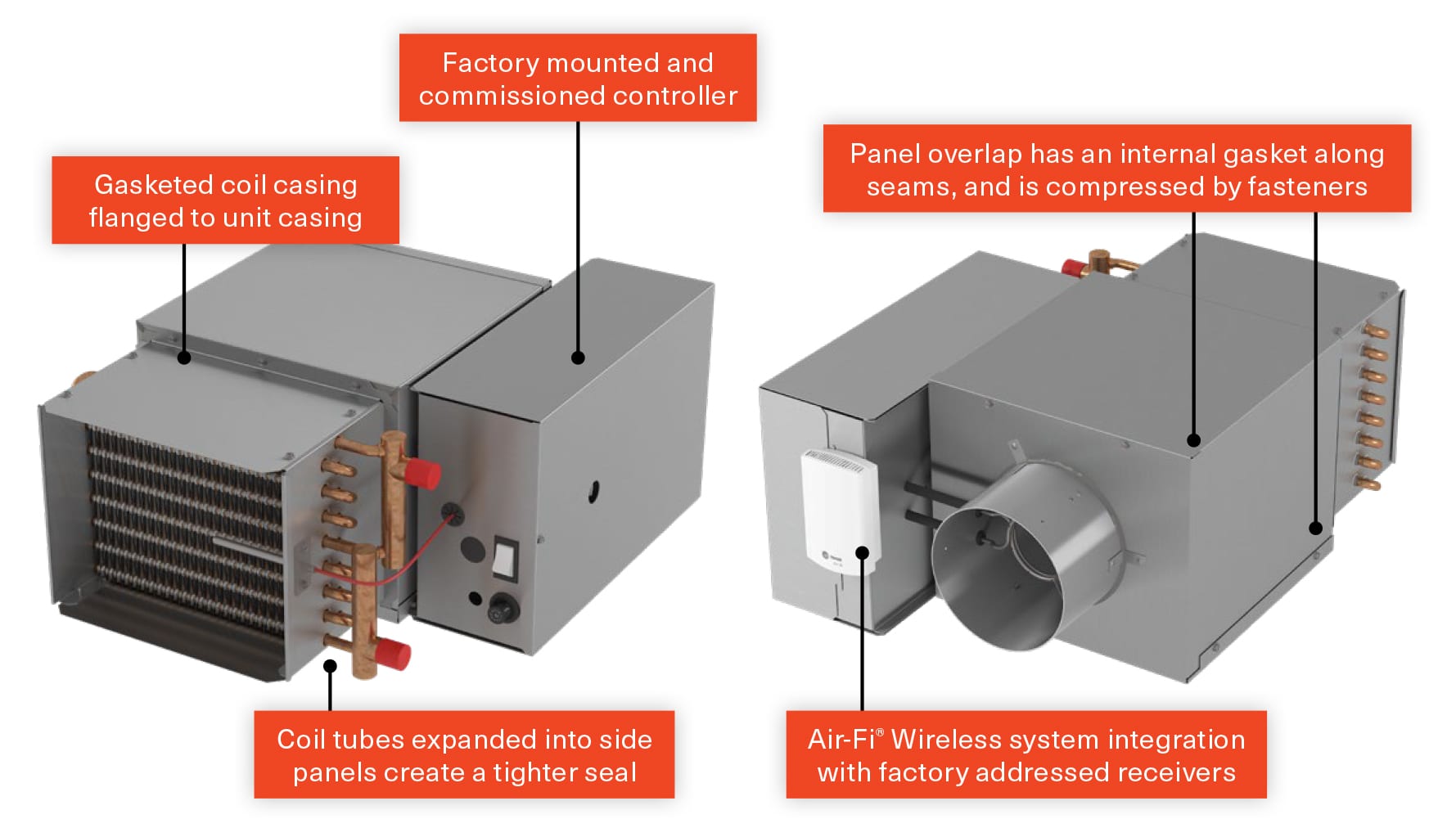
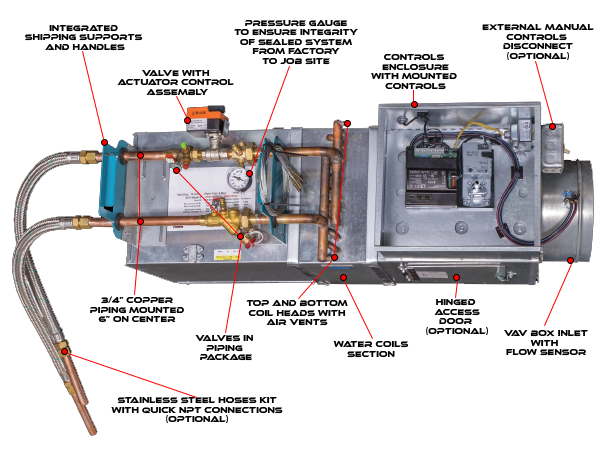
- Fan Coil Units (FCUs): These are probably the most common type. They consist of a heating/cooling coil, a fan, and a filter, all housed in a metal casing. They can be mounted on the wall, ceiling, or floor. FCUs are versatile and come in various sizes and configurations.
- Radiant Panels: These units radiate heat directly into the room. They can be mounted on walls, ceilings, or even embedded in the floor (radiant floor heating). Radiant panels provide a very comfortable, even heat distribution.
- Baseboard Heaters: These are typically installed along the baseboards of walls. They consist of a finned tube enclosed in a metal housing. Hot water flows through the tube, heating the fins, which then radiate heat into the room. Baseboard heaters are relatively inexpensive and easy to install.
- Radiators: Though less common in new construction, radiators are still found in many older homes. They're cast iron or steel units that radiate heat after hot water flows through them. They are known for their durability and ability to retain heat for a long time.
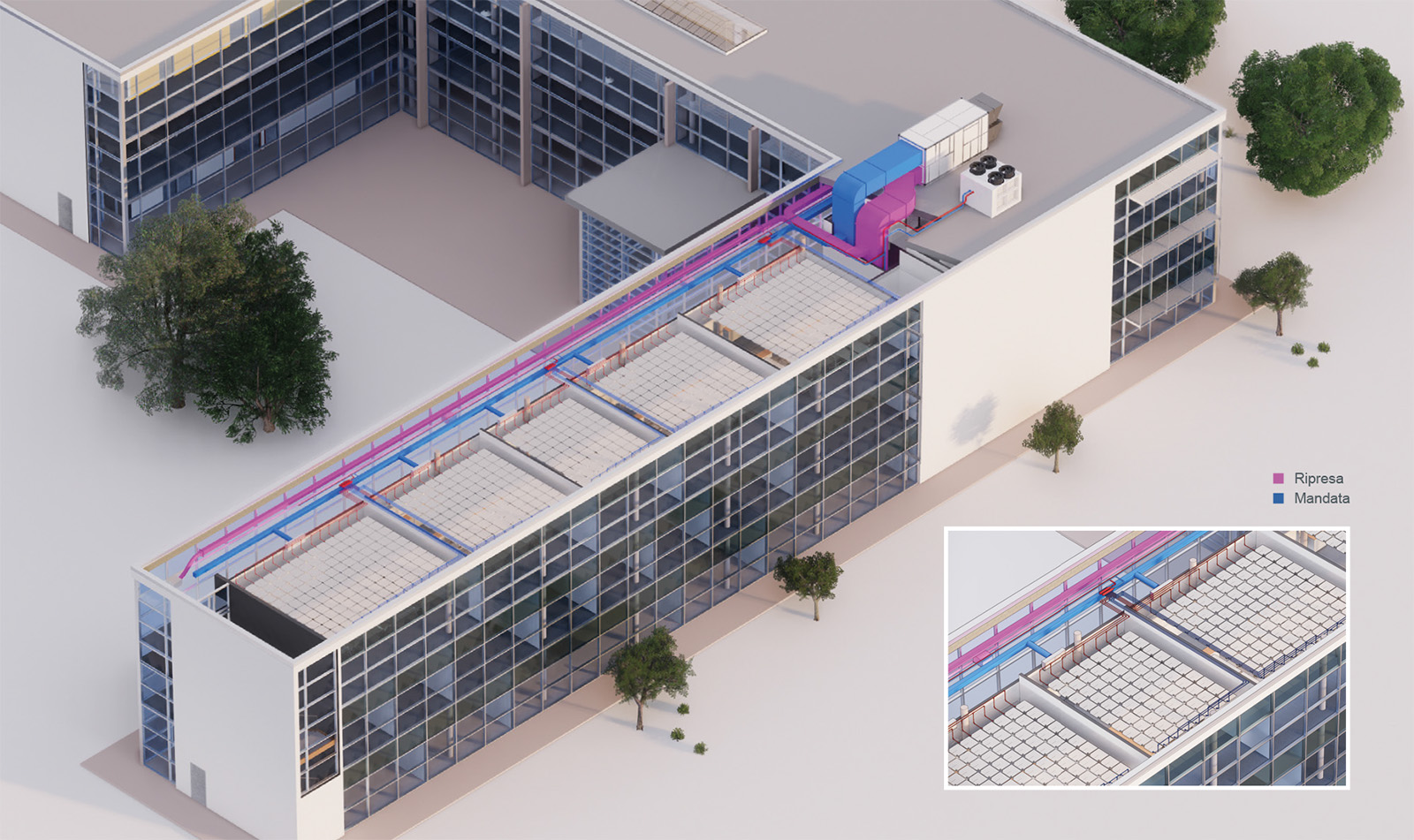
- Chilled Beams: These are ceiling-mounted units used primarily for cooling. They can be either active (with a fan) or passive (relying on natural convection). Chilled beams are often used in commercial buildings but are becoming more popular in high-end residential applications.
Components of a Typical Fan Coil Unit (FCU)
Since FCUs are so common, let's break down their key components:
- Coil: The heart of the unit where heat exchange takes place.
- Fan: Circulates air across the coil to enhance heat transfer.
- Filter: Removes dust and debris from the air, improving air quality and preventing the coil from becoming clogged.
- Drip Pan: Collects condensation that forms on the coil during cooling.
- Thermostat: Controls the fan speed and water flow to maintain the desired temperature.
- Casing: Encloses all the components and provides a finished look.
- Air Vent/Grille: Directs airflow into and out of the unit.
Troubleshooting Common Hydronic Terminal Unit Problems
Like any mechanical system, hydronic terminal units can experience problems. Here are some common issues and potential solutions:
- Unit Not Heating or Cooling:
- Possible Cause: Thermostat set incorrectly.
- Solution: Check thermostat settings and ensure it's calling for heat or cool.
- Possible Cause: Air in the system.
- Solution: Bleed the air from the system (see below).
- Possible Cause: Low water pressure in the system.
- Solution: Check the pressure gauge on the boiler or chiller and add water as needed (consult your system manual).
- Possible Cause: Zone valve malfunction.
- Solution: Check if the zone valve is opening when the thermostat calls for heat or cool. If not, the valve may need to be replaced (this is best left to a professional).
- Possible Cause: Pump failure.
- Solution: Listen for the pump running. If it's not, check the power supply and consider replacement (professional repair is recommended).
- Unit Blowing Cold Air When Heating:
- Possible Cause: Air in the system.
- Solution: Bleed the air from the system.
- Possible Cause: Boiler not firing.
- Solution: Check the boiler to ensure it's operating correctly. Consult a professional if needed.
- Unit Blowing Warm Air When Cooling:
- Possible Cause: Air in the system.
- Solution: Bleed the air from the system.
- Possible Cause: Chiller not operating.
- Solution: Check the chiller to ensure it's operating correctly. Consult a professional if needed.
- Noisy Operation:
- Possible Cause: Air in the system.
- Solution: Bleed the air from the system.
- Possible Cause: Loose fan blades.
- Solution: Tighten or replace the fan blades.
- Possible Cause: Pump noise.
- Solution: Pump may be nearing the end of its lifespan; consider replacement.
- Leaking:
- Possible Cause: Loose connections.
- Solution: Tighten fittings.
- Possible Cause: Corrosion.
- Solution: This is a more serious issue that requires professional attention. Corrosion can lead to significant damage and should be addressed promptly.
- Reduced Airflow:
- Possible Cause: Dirty filter.
- Solution: Replace the filter.
- Possible Cause: Blocked coil.
- Solution: Clean the coil (see below).
How to Bleed Air from a Hydronic Terminal Unit
Air trapped in the hydronic system can significantly reduce its efficiency and cause noise. Bleeding the air is a relatively simple task you can often do yourself.
- Locate the Bleed Valve: This is usually a small valve located on the top or side of the terminal unit.
- Prepare a Container: Have a small container and a rag ready to catch any water that escapes.
- Open the Valve: Slowly open the bleed valve using a bleed key or a small screwdriver.
- Listen for Air: You should hear air hissing out. Once the air is gone and water starts to flow steadily, close the valve.
- Repeat: Repeat the process for all terminal units in the system, starting with the one furthest from the boiler or chiller.
Safety Tip: Water in hydronic systems can be very hot. Be careful when bleeding the system to avoid burns.
Cleaning a Hydronic Terminal Unit Coil
A dirty coil can restrict airflow and reduce the unit's heating or cooling capacity. Here's how to clean it:
- Turn Off the Power: Disconnect the power to the terminal unit at the breaker.
- Remove the Grille: Remove the front grille to access the coil.
- Vacuum the Coil: Use a vacuum cleaner with a brush attachment to remove dust and debris from the coil.
- Use a Fin Comb: If the fins are bent, use a fin comb to straighten them. This will improve airflow.
- Reassemble: Replace the grille and restore power to the unit.
Important Note: Be careful not to damage the fins on the coil during cleaning. Bent or damaged fins will reduce the unit's efficiency.
When to Call a Professional
While some hydronic terminal unit maintenance and troubleshooting can be done DIY, certain issues require the expertise of a qualified HVAC technician. Call a professional if you encounter any of the following:
- Major Leaks: Significant leaks indicate a serious problem that needs immediate attention.
- Electrical Problems: If you suspect an electrical issue, do not attempt to repair it yourself. Electricity and water are a dangerous combination.
- Boiler or Chiller Issues: Problems with the central boiler or chiller often require specialized knowledge and tools.
- Zone Valve Malfunctions: Replacing or repairing zone valves can be complex and requires specialized training.
- Refrigerant Leaks (in Chilled Beams): If your system uses chilled beams with refrigerant, any leaks require professional handling.
- You're Unsure: If you're not comfortable or confident in your ability to diagnose and repair the problem, it's always best to err on the side of caution and call a professional.
Estimated Repair Costs
Repair costs for hydronic terminal units can vary depending on the type of unit, the severity of the problem, and your location. Here's a general idea of what you might expect to pay:
- Filter Replacement: $10 - $30 (DIY)
- Coil Cleaning: $75 - $150 (Professional)
- Bleeding the System: $75 - $150 (Professional, if you prefer)
- Fan Motor Replacement: $150 - $400
- Zone Valve Replacement: $250 - $600
- Pump Replacement: $300 - $800
- Major Leak Repair: $500+ (depending on the location and extent of the damage)
Disclaimer: These are just estimates. Always get a quote from a qualified HVAC technician before proceeding with any repairs.
Tools and Parts You Might Need
If you plan to tackle some DIY maintenance or repairs, here's a list of tools and parts you might need:
- Screwdrivers (various sizes)
- Wrenches (various sizes)
- Multimeter (for electrical testing - use with caution!)
- Vacuum Cleaner with Brush Attachment
- Fin Comb
- Bleed Key
- Replacement Filters
- Replacement Fan Blades (if needed)
- Thread Sealant Tape (for sealing pipe connections)
Safety First! Always disconnect the power before working on any electrical components. Wear safety glasses and gloves when working with tools and cleaning chemicals.
Benefits of Hydronic Systems
Hydronic systems offer several advantages over traditional forced-air systems:
- More Even Heating/Cooling: Radiant heat provides more consistent temperatures throughout the room.
- Improved Air Quality: Hydronic systems don't circulate dust and allergens as much as forced-air systems.
- Quieter Operation: Hydronic systems are generally quieter than forced-air systems.
- Energy Efficiency: In many cases, hydronic systems can be more energy-efficient than forced-air systems, especially when combined with high-efficiency boilers or chillers.
Understanding your hydronic terminal units and performing regular maintenance can help ensure efficient and comfortable heating and cooling in your home. By addressing minor issues promptly and knowing when to call a professional, you can extend the life of your system and save money on repair costs.