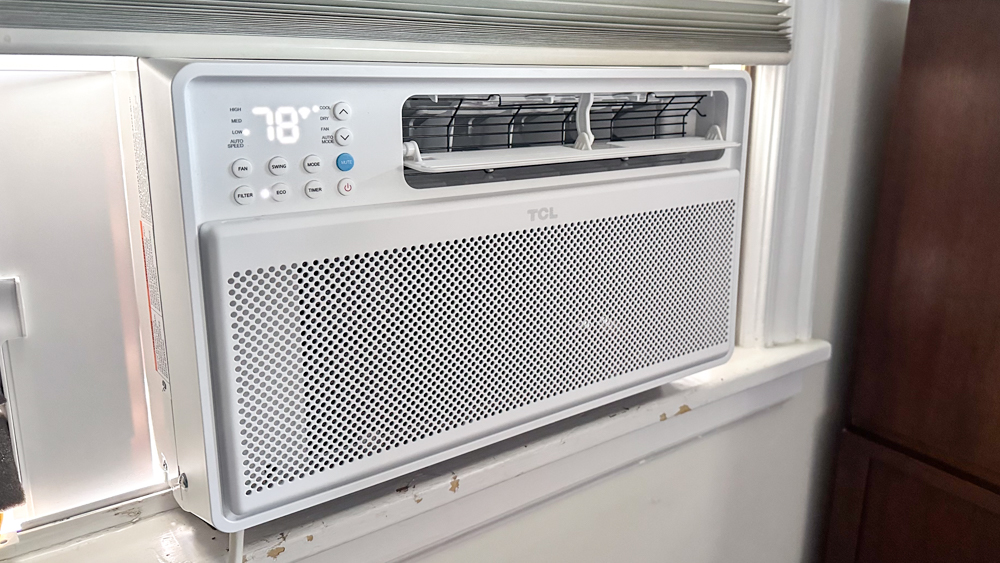
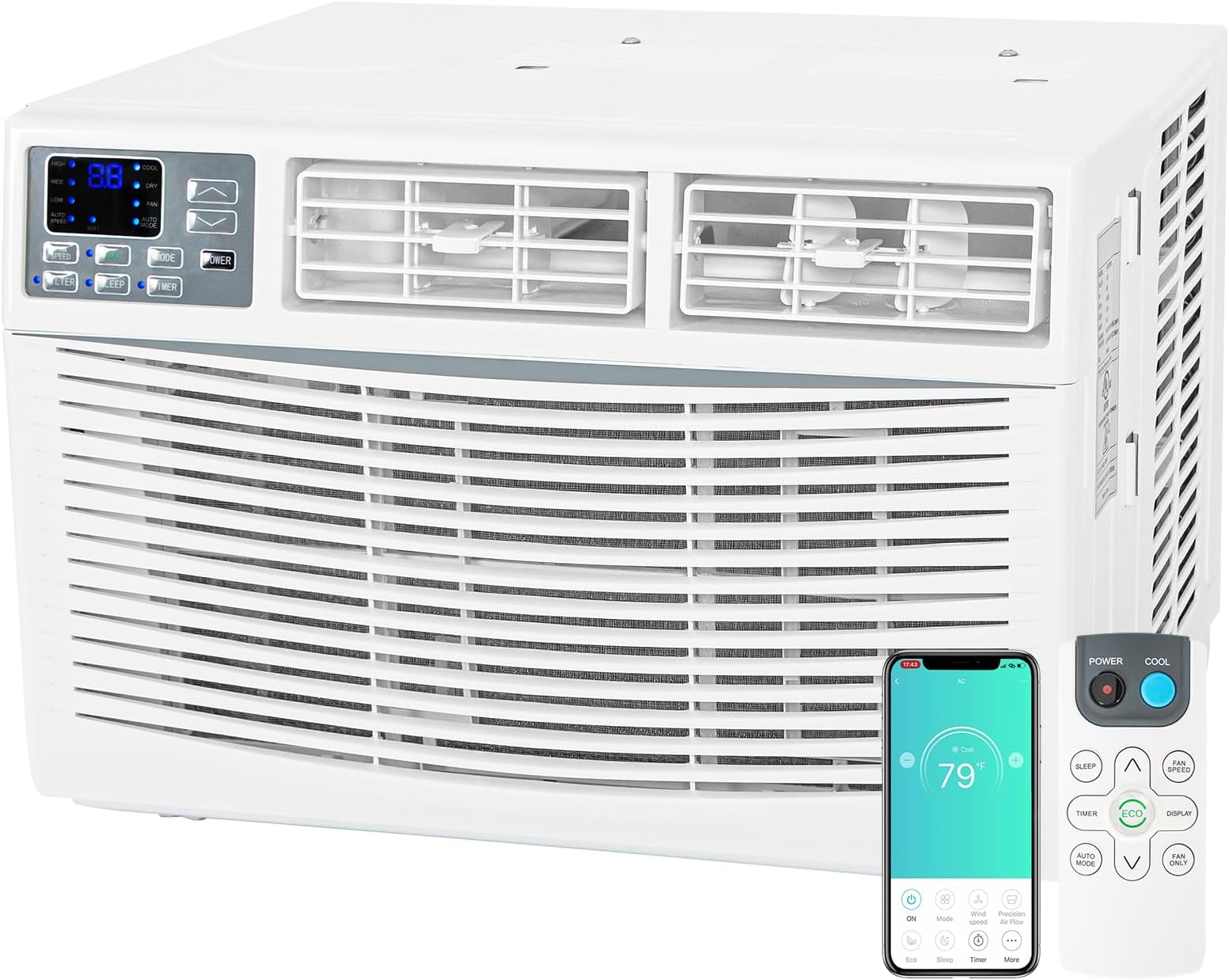
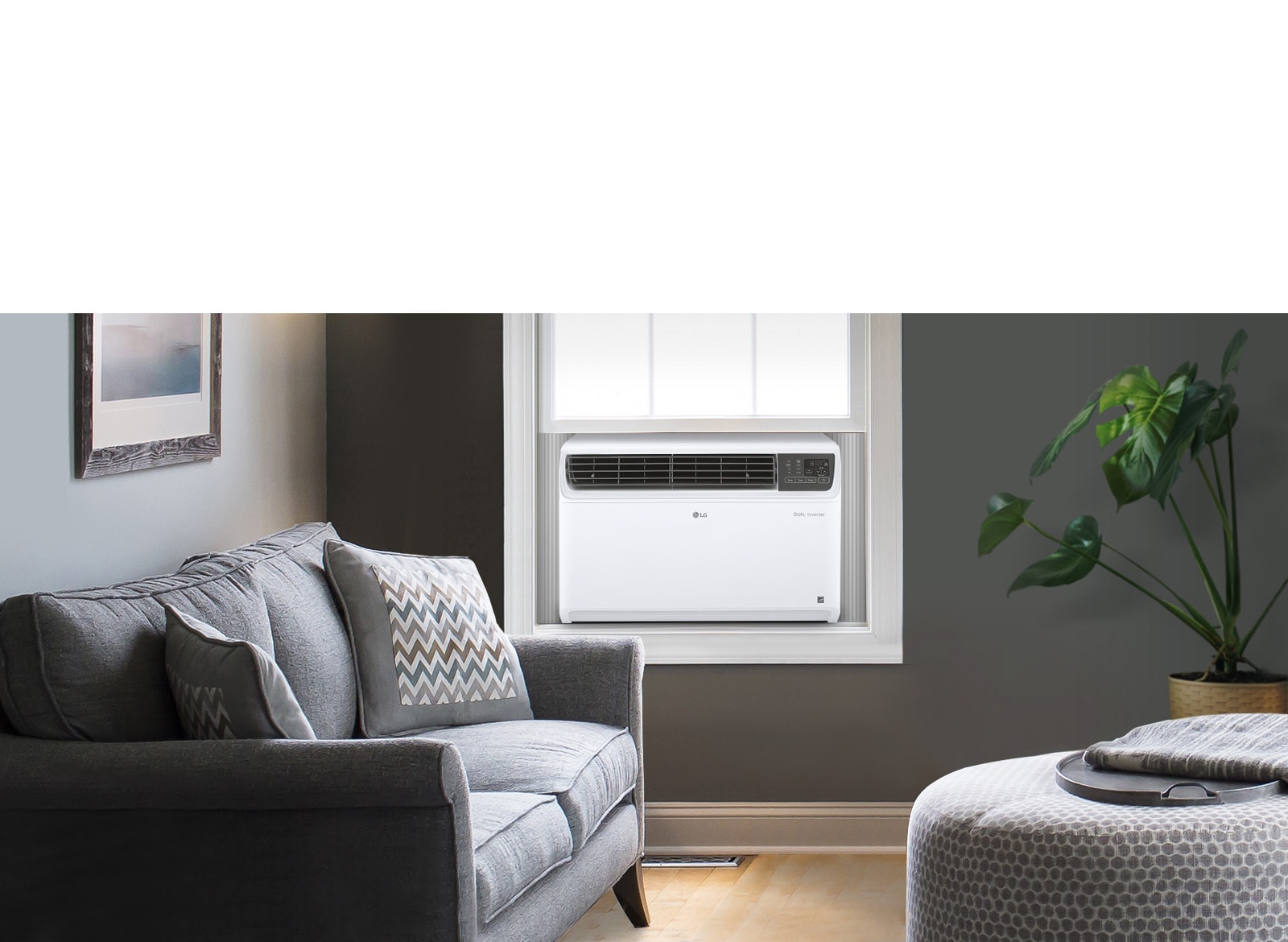
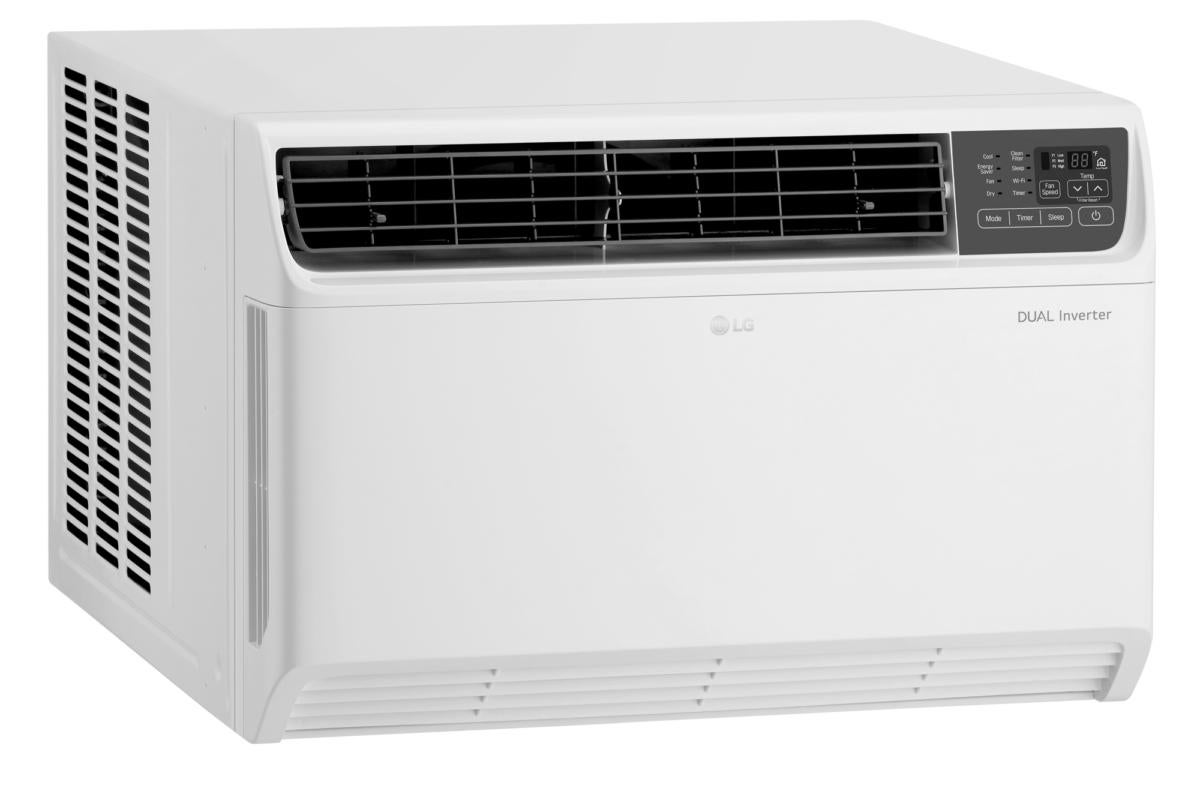
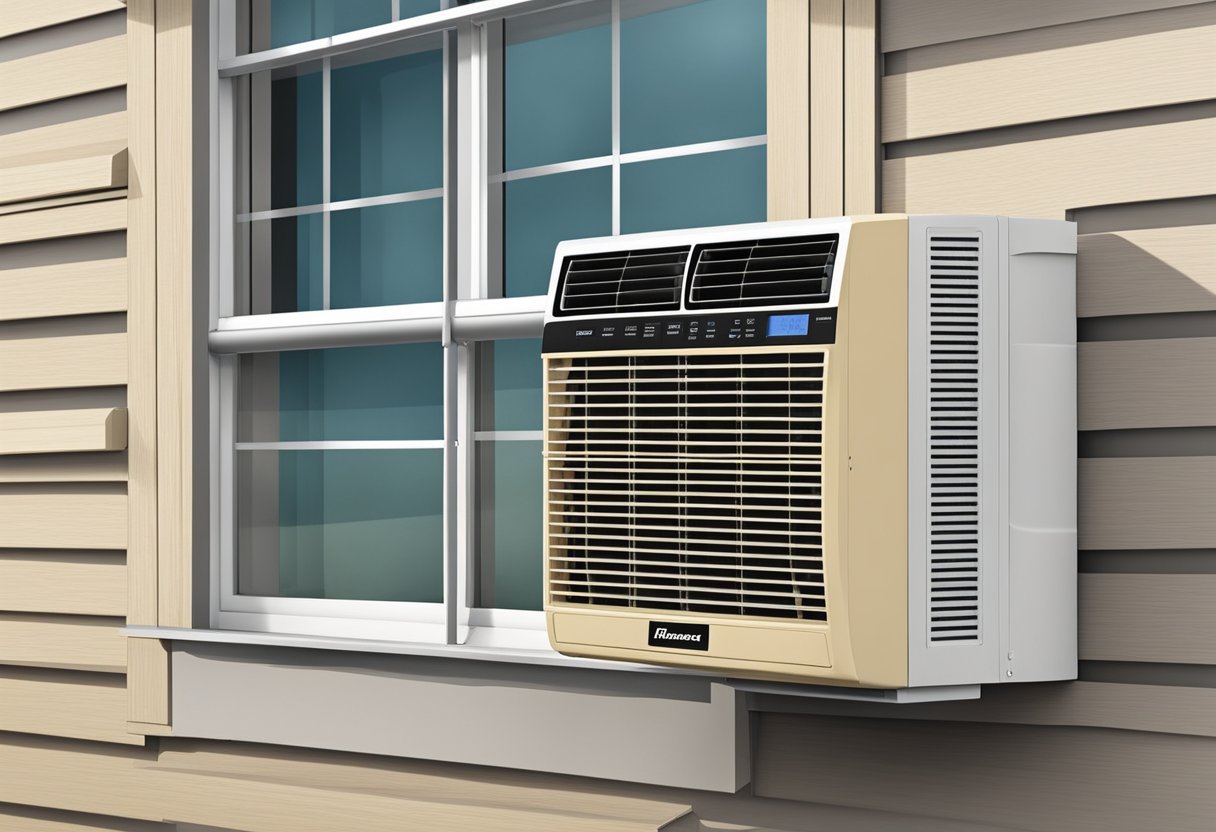
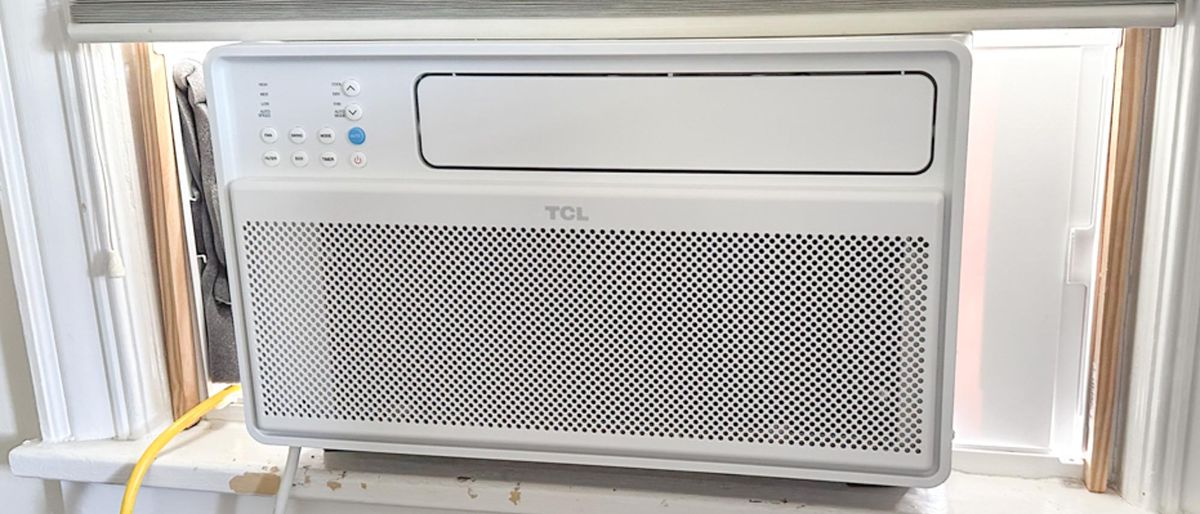
What Is A Inverter Window Air Conditioner

What is an Inverter Window Air Conditioner and Why Should You Care?
Window air conditioners have long been a staple for cooling individual rooms or small spaces. But traditional models often suffer from noisy operation, inefficient energy consumption, and temperature fluctuations. Enter the inverter window air conditioner, a modern upgrade that promises to address these issues. This guide explores what makes inverter window ACs different, their pros and cons, key features, and how they compare to traditional models.
How Inverter Technology Works
The key difference between a traditional window AC and an inverter model lies in the compressor. Traditional ACs use a single-speed compressor that cycles on and off to maintain the desired temperature. This on/off cycling leads to temperature swings, increased energy consumption, and noticeable noise. An inverter compressor, on the other hand, can vary its speed, and therefore its cooling output, based on the room's cooling needs.
Instead of abruptly switching on and off, the inverter compressor modulates its speed. When the room is far from the set temperature, the compressor runs at a higher speed to provide maximum cooling. As the room approaches the desired temperature, the compressor slows down, maintaining a consistent and comfortable environment with minimal energy expenditure. This variable speed operation is what sets inverter ACs apart and delivers significant benefits.
Benefits of Inverter Window Air Conditioners
- Energy Efficiency: Inverter ACs are significantly more energy-efficient than traditional models. By modulating the compressor speed, they use only the energy required to maintain the set temperature, leading to lower electricity bills.
- Consistent Temperature: The variable-speed compressor eliminates the temperature swings associated with traditional ACs. This results in a more consistent and comfortable indoor environment.
- Quieter Operation: Because the compressor doesn't constantly cycle on and off, inverter ACs operate much quieter than traditional models. This makes them ideal for bedrooms, home offices, or any space where noise is a concern.
- Longer Lifespan: The gradual changes in compressor speed reduce wear and tear on the system, potentially extending its lifespan compared to traditional ACs.
Drawbacks of Inverter Window Air Conditioners
- Higher Upfront Cost: Inverter window ACs typically have a higher initial purchase price than traditional models. However, the long-term energy savings can often offset this initial investment.
- Potential Repair Costs: While inverter technology is generally reliable, specialized components may require more expensive repairs compared to the simpler mechanics of traditional ACs. Finding a qualified technician might also be more challenging.
- Sensitivity to Power Fluctuations: Like many modern electronics, inverter ACs can be more sensitive to power fluctuations. A surge protector is highly recommended to protect the unit from damage.
Key Features to Consider
When choosing an inverter window air conditioner, consider the following features:
- BTU Rating (British Thermal Units): This indicates the cooling capacity of the AC. Choose a BTU rating appropriate for the size of the room you want to cool. Too low, and the AC will struggle to maintain the desired temperature; too high, and it will cycle on and off frequently, reducing efficiency.
- EER (Energy Efficiency Ratio) and SEER (Seasonal Energy Efficiency Ratio): These ratings indicate the energy efficiency of the AC. Higher EER and SEER values indicate greater efficiency. Look for models with EER ratings of 12 or higher. SEER ratings are usually reserved for larger, whole-house systems, but some inverter window units are beginning to include them.
- Noise Level (dBA): Check the noise level rating (measured in decibels). Lower dBA values indicate quieter operation.
- Smart Features: Many inverter ACs offer smart features such as Wi-Fi connectivity, smartphone control, and voice assistant compatibility. These features allow you to control the AC remotely, set schedules, and monitor energy consumption.
- Filter Type: Look for ACs with high-quality air filters that can remove dust, pollen, and other allergens from the air. Some models even feature specialized filters for removing odors or bacteria.
- Installation: Ensure the AC is easy to install and comes with all the necessary mounting hardware. Consider the window dimensions and weight of the unit before purchasing.
- Warranty: Check the warranty coverage for the compressor, parts, and labor. A longer warranty provides greater peace of mind.
Comparing Popular Brands and Models
Several brands offer inverter window air conditioners. Here are a few popular examples:
- LG: LG is known for its innovative features and energy-efficient appliances. Their inverter window ACs often include smart features, advanced filtration systems, and sleek designs.
- Midea: Midea offers a range of affordable inverter window ACs with good energy efficiency and basic features. They are a popular choice for budget-conscious consumers.
- Frigidaire: Frigidaire provides reliable and durable window ACs with inverter technology. They often focus on ease of use and simple installation.
- Whirlpool: Whirlpool inverter window air conditioners are known for their dependability and solid performance.
When comparing models, pay close attention to the BTU rating, EER, noise level, features, and warranty. Read reviews from other users to get a sense of real-world performance and reliability. For example, a model with a high EER rating like 12.5 or higher would be ideal.
AFUE, SEER, and HSPF Ratings Explained (and Why They Mostly Don't Apply to Window Units)
While AFUE (Annual Fuel Utilization Efficiency), SEER (Seasonal Energy Efficiency Ratio), and HSPF (Heating Seasonal Performance Factor) are important metrics for HVAC systems, they are primarily used for central air conditioners, furnaces, and heat pumps, respectively. Window air conditioners, including inverter models, typically use EER (Energy Efficiency Ratio) as the primary measure of energy efficiency.
However, keep an eye out because some manufacturers are starting to provide SEER ratings for their inverter window units. This is a positive trend, allowing for easier comparisons across different types of cooling systems.
EER measures the cooling output (in BTU) divided by the electrical power input (in watts) at a specific operating point. A higher EER indicates greater energy efficiency.
Installation and Maintenance
Installing an inverter window air conditioner is similar to installing a traditional model. Follow the manufacturer's instructions carefully, ensuring the unit is securely mounted and properly sealed to prevent air leaks. Regular maintenance is essential to keep your inverter AC running efficiently and reliably. This includes:
- Cleaning the Air Filter: Clean or replace the air filter every 1-3 months, depending on usage and air quality. A dirty filter restricts airflow and reduces cooling efficiency.
- Cleaning the Coils: Periodically clean the evaporator and condenser coils to remove dust and debris. This can be done with a soft brush or a vacuum cleaner with a brush attachment.
- Checking for Leaks: Inspect the unit for any signs of leaks, such as water dripping or condensation. Address any leaks promptly to prevent damage to the unit or your home.
- Professional Servicing: Consider having a qualified HVAC technician inspect and service your inverter AC annually. This can help identify and address potential problems before they become major issues.
Is an Inverter Window Air Conditioner Right for You?
An inverter window air conditioner is an excellent choice for those seeking energy efficiency, consistent temperature, and quiet operation. While the initial cost may be higher than a traditional model, the long-term energy savings and improved comfort can make it a worthwhile investment. Carefully consider your cooling needs, budget, and desired features when choosing an inverter window AC. By doing your research and comparing models, you can find the perfect unit to keep your home cool and comfortable for years to come.