What Is A Line Set In Hvac

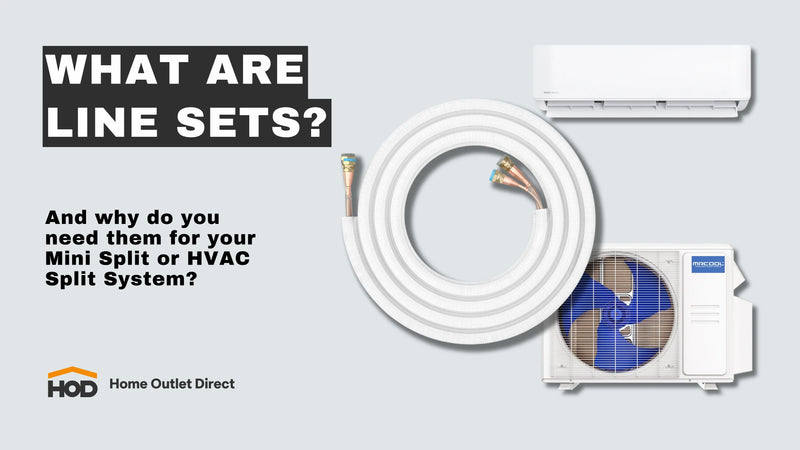
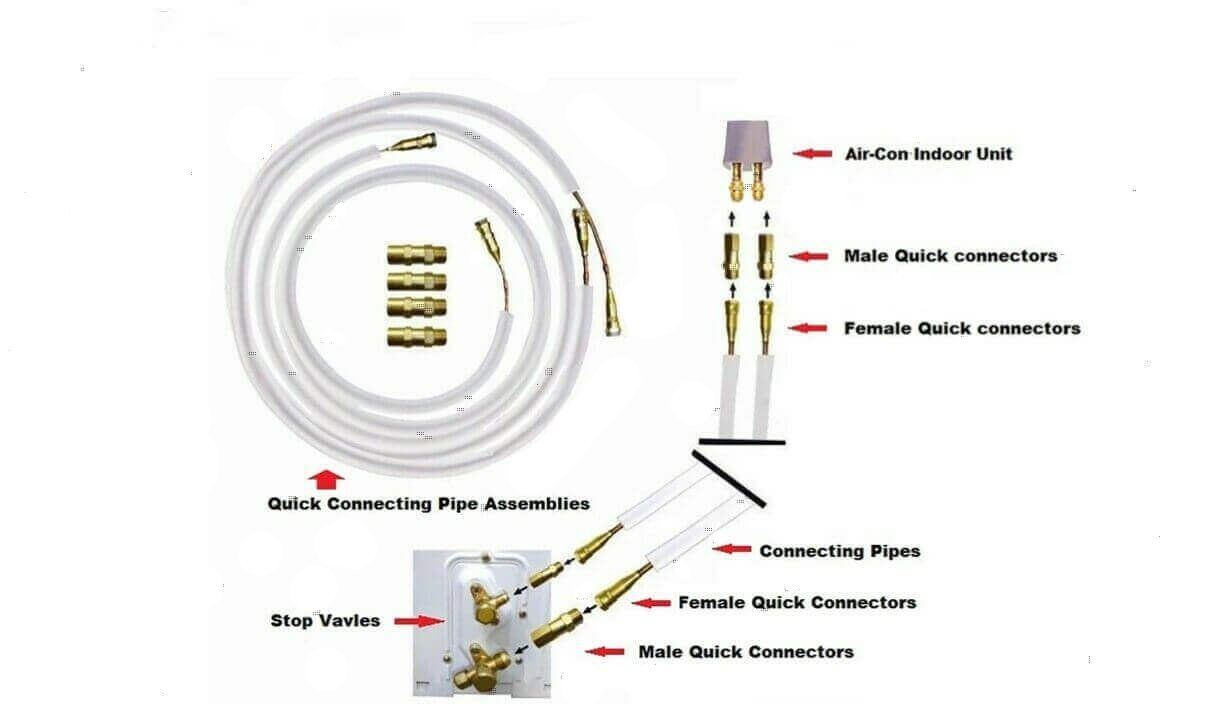
A line set is a critical, yet often overlooked, component of your air conditioning (AC) and heat pump system. It's essentially the plumbing that connects the indoor unit (air handler or furnace with an evaporator coil) to the outdoor unit (condenser). Understanding what a line set is and its function can help you make informed decisions about your HVAC system's installation, maintenance, and potential repairs.
What Exactly Is a Line Set?
Simply put, a line set consists of two copper pipes, insulated and running between the indoor and outdoor units of a split-system AC or heat pump. These pipes are responsible for carrying the refrigerant, the working fluid that absorbs and releases heat to cool or heat your home.
Think of refrigerant as the "blood" of your AC system, carrying heat from inside to outside during cooling mode and vice-versa during heating mode for heat pumps. The line set is the vein and artery system that allows this crucial fluid to circulate.
The Two Lines: Liquid Line and Suction Line
The two copper pipes in the line set have distinct roles:
- Liquid Line: This is the smaller of the two pipes. It carries high-pressure, liquid refrigerant from the outdoor unit to the indoor unit. The refrigerant is typically cooled down at the condenser unit.
- Suction Line (also called Vapor Line or Gas Line): This is the larger of the two pipes. It carries low-pressure, gaseous refrigerant from the indoor unit back to the outdoor unit. The refrigerant has absorbed heat from your home, turning into a gas.
Both lines are crucial for efficient operation. A problem in either can lead to reduced cooling/heating capacity, increased energy consumption, and potential damage to the compressor.
Why is the Line Set Important?
The line set plays a vital role in the overall performance and efficiency of your HVAC system for several reasons:
- Refrigerant Circulation: As mentioned, it’s the pathway for refrigerant flow, essential for heat exchange. Without a properly functioning line set, your system simply won't cool or heat effectively.
- System Efficiency: A correctly sized and installed line set minimizes pressure drops and ensures optimal refrigerant flow, maximizing efficiency and reducing energy consumption.
- Compressor Protection: The suction line returns cool refrigerant gas to the compressor, which helps keep it cool. If the suction line isn't functioning correctly, the compressor can overheat and fail. The compressor is one of the most expensive parts to replace in an AC system.
- System Longevity: Proper line set installation and maintenance contribute to the overall lifespan of your HVAC system. Leaks or other issues can lead to costly repairs and premature system failure.
Line Set Installation Considerations
Proper installation of the line set is critical for optimal performance. Here are some key factors to consider:
- Sizing: The diameter of the line set must be correctly sized for the specific AC or heat pump unit. Undersized lines can restrict refrigerant flow, while oversized lines can lead to inefficient operation. HVAC professionals use sizing charts based on the system's capacity (BTUs) and the length of the line set to determine the correct pipe diameter.
- Length: The length of the line set should be within the manufacturer's specifications. Excessive length can cause significant pressure drops and reduce system efficiency. If a longer line set is unavoidable, the system may require additional refrigerant to compensate for the pressure loss. The manufacturer will usually indicate the maximum line set length.
- Insulation: Both the liquid and suction lines must be properly insulated to prevent heat gain (on the liquid line) and heat loss (on the suction line). This maintains refrigerant temperature and prevents condensation, which can lead to corrosion and mold growth. Check the insulation regularly and replace it if it's damaged or deteriorated.
- Routing: The line set should be routed in a way that minimizes sharp bends and kinks, which can restrict refrigerant flow. It should also be protected from physical damage and exposure to harsh weather conditions. Use proper supports and hangers to secure the line set and prevent sagging.
- Leak Testing: After installation, the line set must be pressure tested to ensure there are no leaks. This is typically done using nitrogen gas. Any leaks must be repaired before the system is charged with refrigerant.
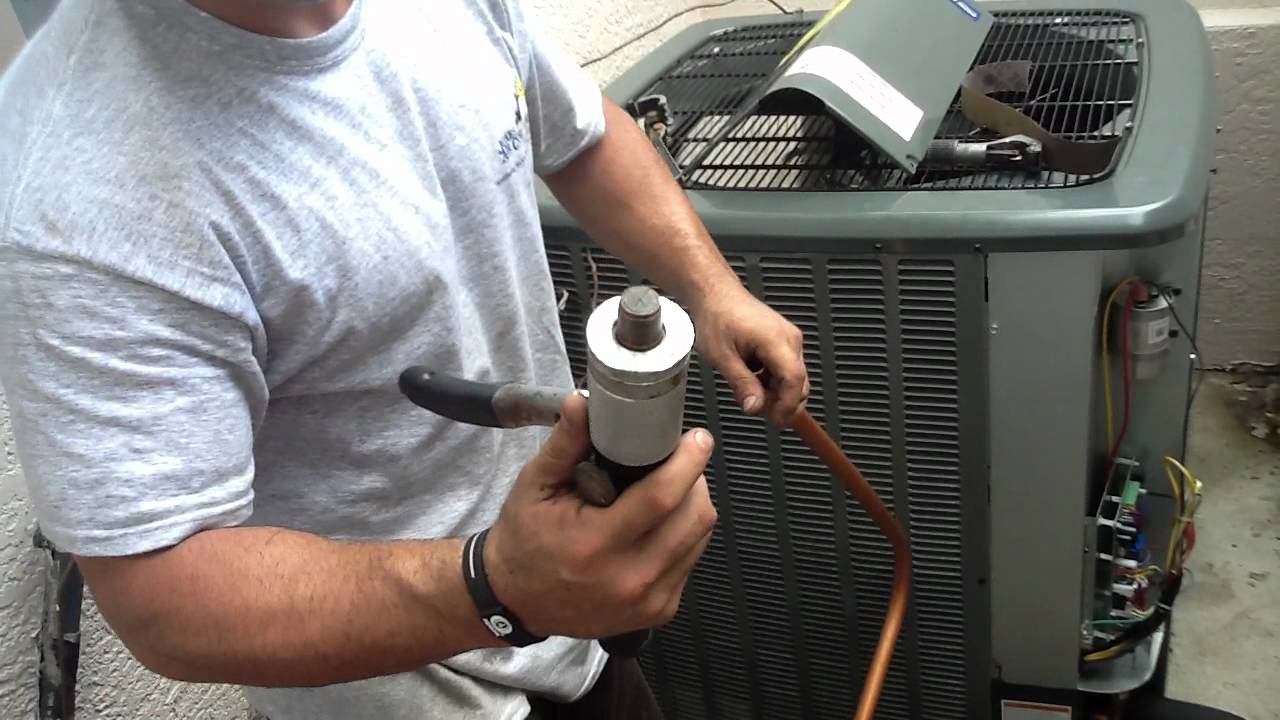
- Brazing: Copper pipes are usually joined by brazing. A skilled technician must braze the line sets properly to ensure a strong and leak-free seal.
Common Line Set Problems and Solutions
Several problems can occur with line sets, affecting your AC system's performance. Here are some common issues and how to address them:
- Refrigerant Leaks: This is perhaps the most common problem. Leaks can occur at joints, connections, or due to corrosion. Signs of a refrigerant leak include reduced cooling capacity, ice buildup on the evaporator coil, and hissing sounds. A professional HVAC technician can locate and repair leaks using specialized equipment. They can also recharge the system with refrigerant.
- Damaged Insulation: Damaged or missing insulation can lead to heat gain/loss, reducing efficiency and causing condensation. Inspect the insulation regularly and replace it if it's damaged.
- Kinks or Restrictions: Kinks in the line set can restrict refrigerant flow, reducing cooling capacity and potentially damaging the compressor. A technician may be able to repair minor kinks, but severe kinks may require replacing the affected section of the line set.
- Corrosion: Over time, the copper pipes can corrode, especially in coastal areas or environments with high humidity. Corrosion can lead to leaks and reduced efficiency. Replacing corroded sections of the line set may be necessary.
- Incorrect Sizing: If the line set was incorrectly sized during installation, it can cause significant performance problems. Replacing the line set with the correct size is the best solution.
- Contamination: If contaminants enter the line set, it can damage the compressor and other components. A thorough system cleaning and refrigerant flush may be necessary to remove contaminants. This often happens during a compressor burnout.
When to Call a Professional
While some minor maintenance tasks, like inspecting insulation, can be done yourself, it's generally best to call a qualified HVAC technician for any major line set repairs or replacements. Working with refrigerant requires specialized training and equipment. Attempting to repair a refrigerant leak yourself can be dangerous and may violate environmental regulations. Here are some situations where you should definitely call a professional:
- Suspected refrigerant leak
- Reduced cooling or heating capacity
- Ice buildup on the evaporator coil
- Strange noises coming from the AC unit
- Visible damage to the line set
- If you suspect there's a leak, immediately turn off the AC to prevent further damage.
Line Set Coverings and Aesthetics
While functionality is the primary concern, the appearance of the line set can also be a factor, especially for homeowners who want a clean and tidy look. Several options are available for covering and concealing line sets:
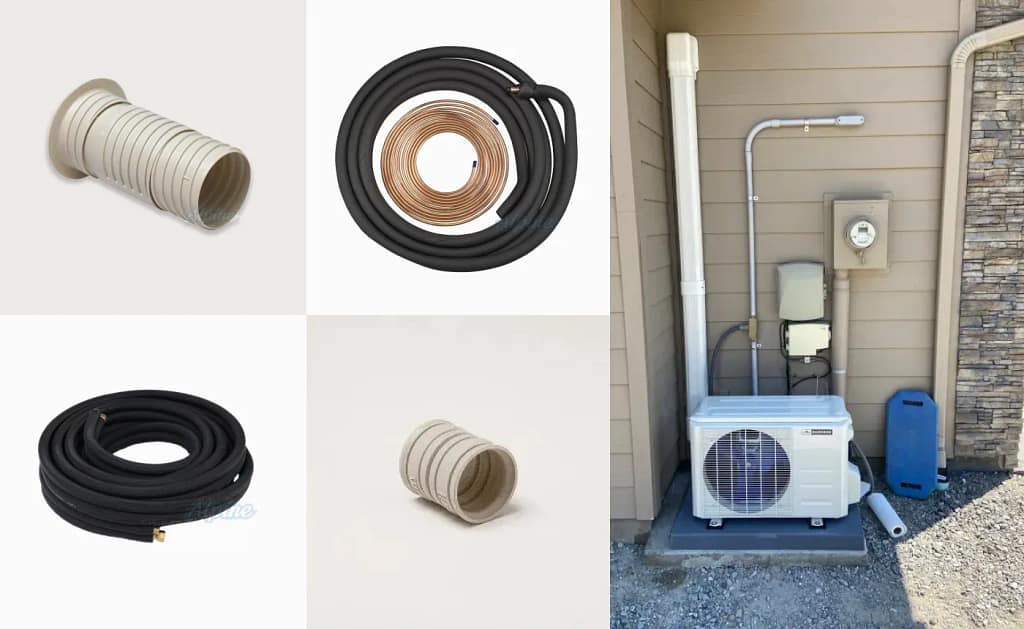
- Line Set Covers: These are plastic or metal channels that snap over the line set, concealing it and protecting it from the elements. They come in various colors and styles to match your home's exterior.
- Painting: You can paint the line set to match your home's exterior, but be sure to use paint that is compatible with copper and insulation.
- Landscaping: Strategic landscaping can also help conceal the line set. Planting shrubs or other greenery can provide a natural screen. Be sure to maintain adequate clearance around the outdoor unit for proper airflow.
Remember that any covering should allow for easy access to the line set for maintenance and repairs.
Choosing the Right Line Set for a New Installation
When installing a new AC or heat pump system, selecting the right line set is crucial. Here's what to consider:
- System Capacity: The line set must be appropriately sized for the BTU capacity of your system. Your HVAC contractor will determine the correct size based on the manufacturer's specifications.
- Refrigerant Type: Ensure the line set is compatible with the type of refrigerant used in your system. Some refrigerants require specific types of tubing and fittings.
- Line Set Length: Plan the location of the indoor and outdoor units to minimize the line set length. If a longer line set is unavoidable, discuss the implications with your HVAC contractor.
- Quality of Materials: Choose a line set made from high-quality copper tubing and insulation. This will ensure long-term durability and prevent leaks.
- Professional Installation: Always hire a qualified HVAC contractor to install the line set. Proper installation is essential for optimal performance and longevity.
Conclusion
The line set is an integral component of your AC or heat pump system, responsible for the vital task of refrigerant circulation. Understanding its function, potential problems, and proper installation techniques can help you maintain a comfortable and energy-efficient home. Remember to consult with a qualified HVAC professional for any repairs or replacements to ensure the job is done safely and correctly. Investing in a quality line set and proper installation will pay off in the long run with improved system performance, reduced energy consumption, and extended equipment lifespan.