What Is A Make Up Air Unit
Understanding Make-Up Air Units: A Homeowner's Guide
If you're noticing drafts, strange smells, or your HVAC system isn't performing as well as it used to, you might be dealing with issues related to air pressure in your home. This is where a make-up air unit (MAU) comes into play. While primarily used in commercial and industrial settings, understanding the concept can help you diagnose problems and communicate effectively with your HVAC technician.
What is a Make-Up Air Unit?
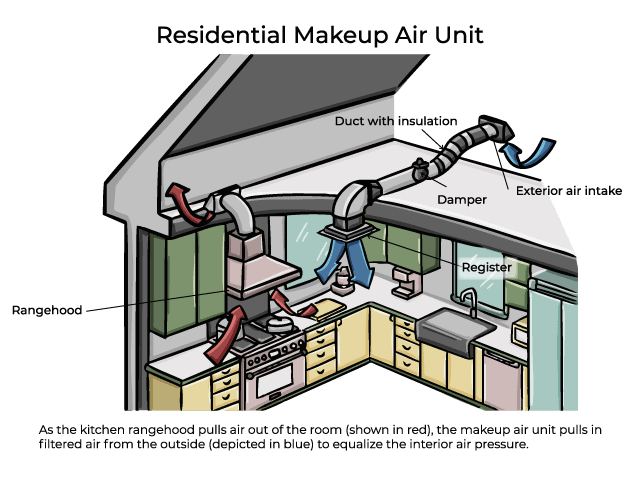
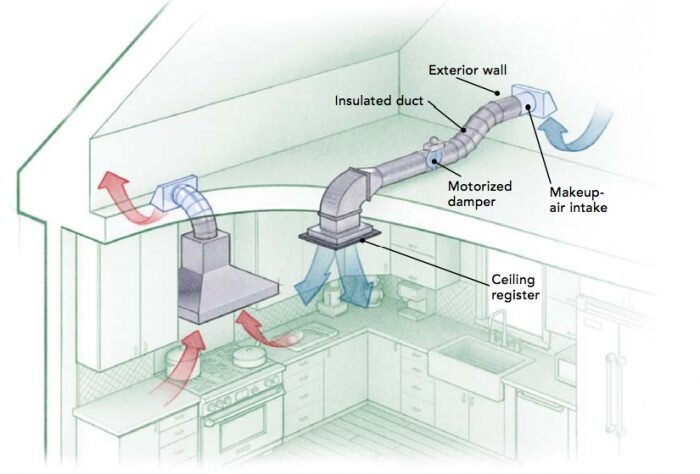
At its core, a make-up air unit's purpose is simple: to replace air that's been exhausted from a building. Think about your kitchen range hood or bathroom exhaust fan. When these appliances are running, they're actively removing air from your house. Without a way to replenish that air, you create a negative pressure environment.
Imagine trying to suck air through a sealed straw. It's difficult, right? The same principle applies to your home. Negative pressure makes it harder for your furnace to draw combustion air, can cause backdrafting of flue gases (a serious safety hazard), and can even pull in air through cracks and gaps in your walls, leading to drafts and increased energy bills.
Why is Make-Up Air Important?
Proper ventilation is crucial for a healthy and comfortable home. Here's why make-up air matters:
- Combustion Safety: Furnaces, water heaters, and other fuel-burning appliances need a sufficient supply of air to burn fuel safely and efficiently. Negative pressure can disrupt this process, leading to incomplete combustion and the production of dangerous carbon monoxide. Never ignore a carbon monoxide alarm!
- Indoor Air Quality: By ensuring adequate ventilation, a make-up air system helps to dilute indoor pollutants, such as volatile organic compounds (VOCs) from cleaning products, building materials, and even furniture.
- HVAC System Efficiency: When your HVAC system doesn't have to fight against negative pressure, it can operate more efficiently, saving you money on energy bills.
- Comfort: Balanced air pressure minimizes drafts and helps maintain a consistent temperature throughout your home.
Signs You Might Need to Consider Make-Up Air (Or Have a Problem with Your Current System)
While a dedicated MAU is less common in typical homes, these symptoms suggest you might have a ventilation imbalance that needs addressing:
- Drafts: Feeling drafts even with windows and doors closed.
- Difficulty Opening/Closing Doors: Doors may become difficult to open or close due to pressure differences.
- Furnace Backdrafting: If you suspect your furnace is backdrafting (smoke spilling back into the house instead of going up the chimney), immediately turn off the furnace and call a professional! This is a serious safety hazard.
- Strange Odors: Unexplained odors, especially near combustion appliances.
- Increased Energy Bills: A sudden spike in energy consumption without a clear explanation.
- Stuffy or Stale Air: A feeling that the air in your home is always stale or stuffy.
Troubleshooting Make-Up Air Issues (DIY Tips)
Before calling a professional, there are a few simple checks you can perform. Remember to always prioritize safety and consult a qualified HVAC technician for complex issues.
- Check for Obstructions: Ensure that your range hood and bathroom exhaust fan vents are clear of obstructions, such as bird nests or debris.
- Inspect Existing Ventilation: Look for any existing make-up air vents or dampers. Make sure they are not blocked or closed.
- Test with a Door: With your range hood or exhaust fan running, try opening a window slightly. If you notice a significant change in the appliance's performance or a reduction in drafts, it suggests a negative pressure issue.
- Check Furnace Flue: Visually inspect your furnace flue pipe for any signs of damage or blockage. If you suspect a problem, call a professional immediately.
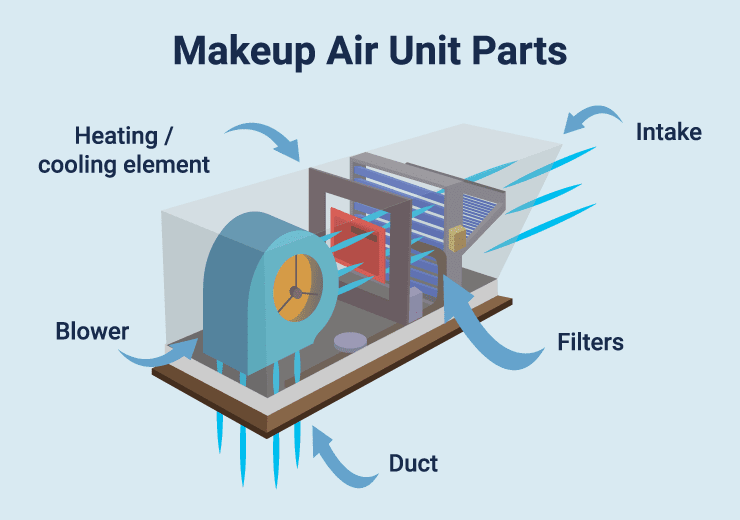
Common Make-Up Air System Components
While you may not have all of these components in your home, understanding them can help you grasp the overall concept:
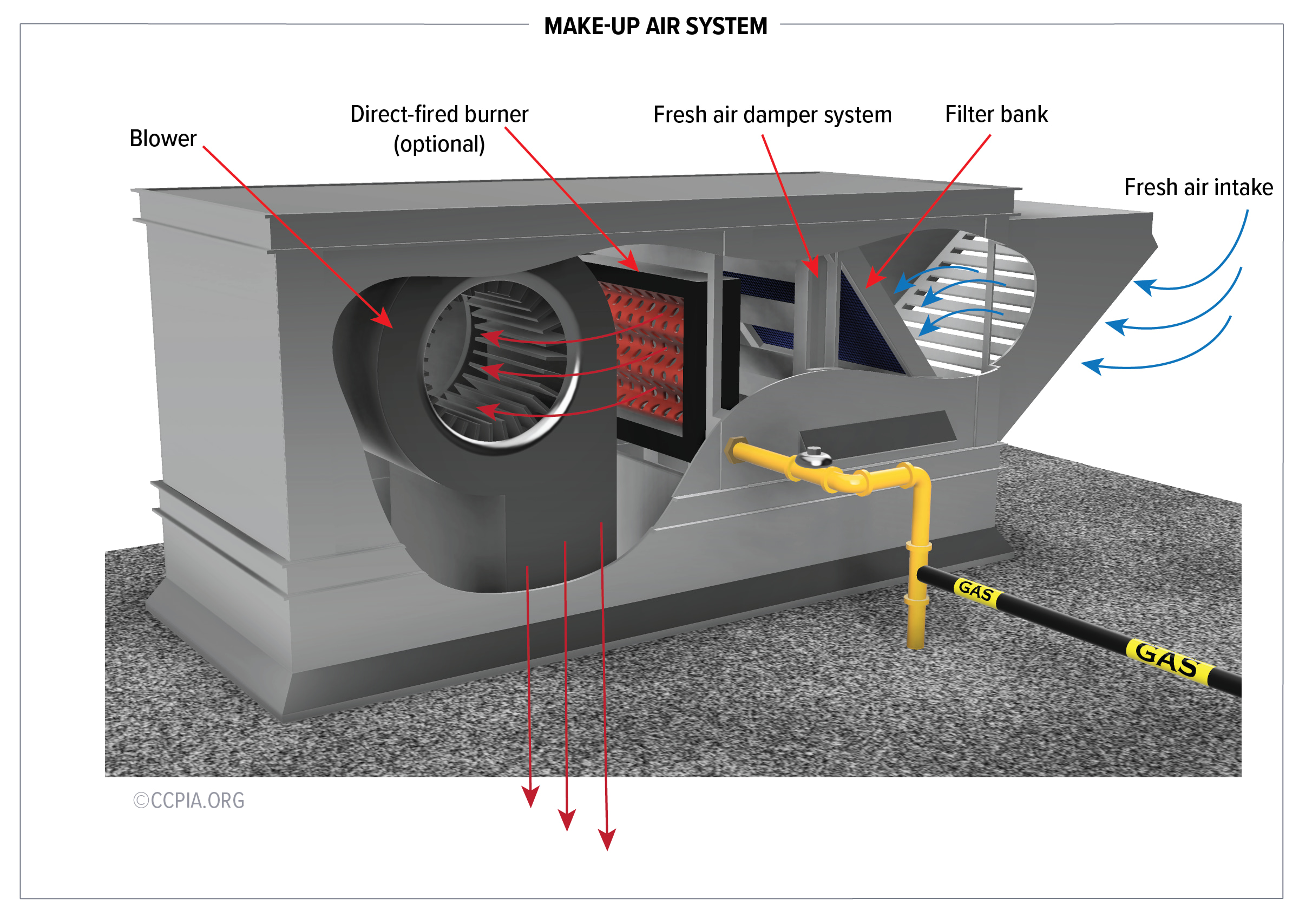
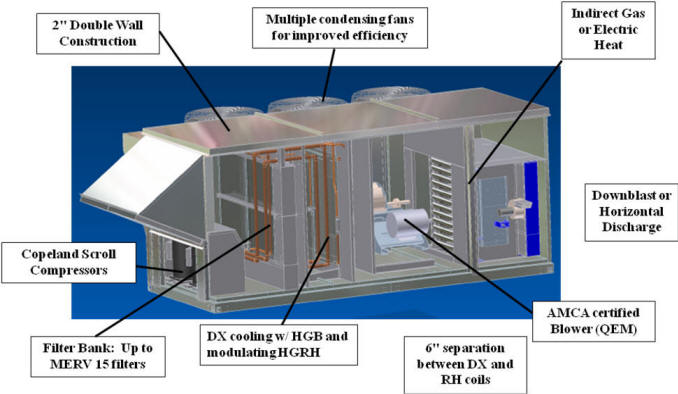
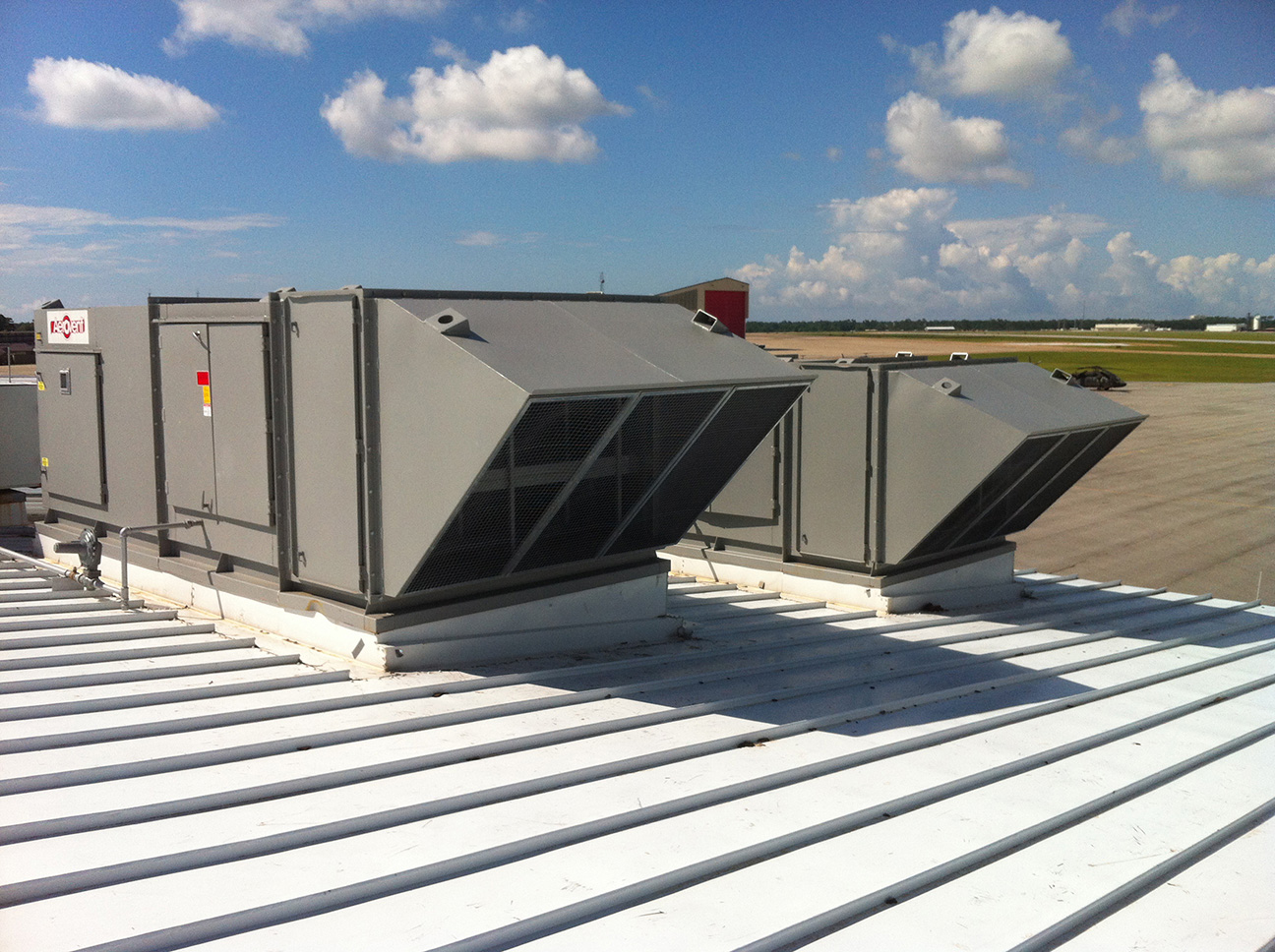
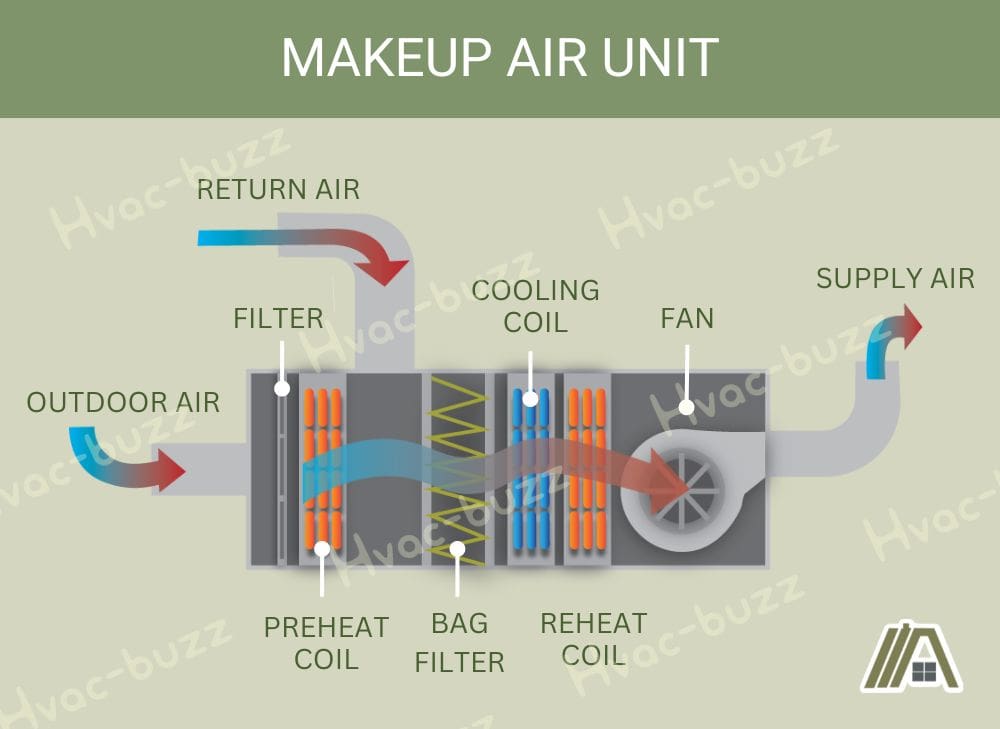
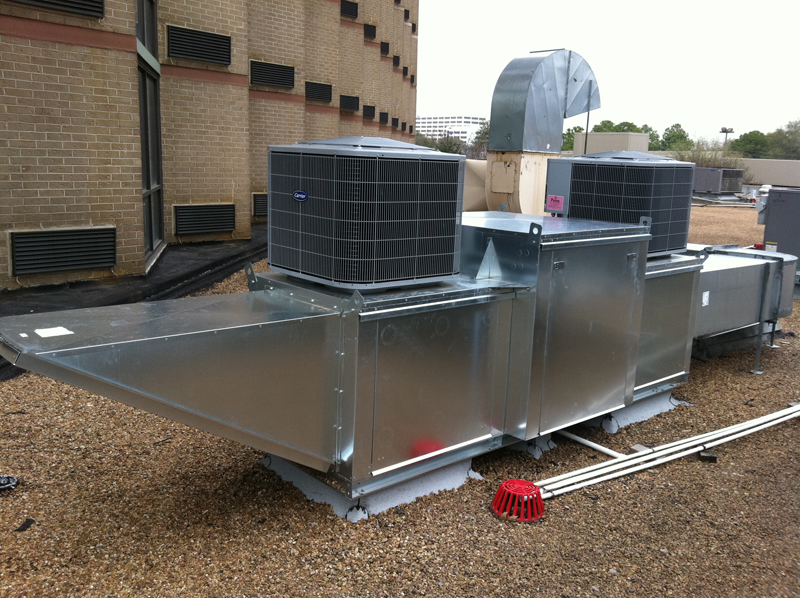
- Intake Hood: Located on the exterior of the building, the intake hood draws fresh air into the system.
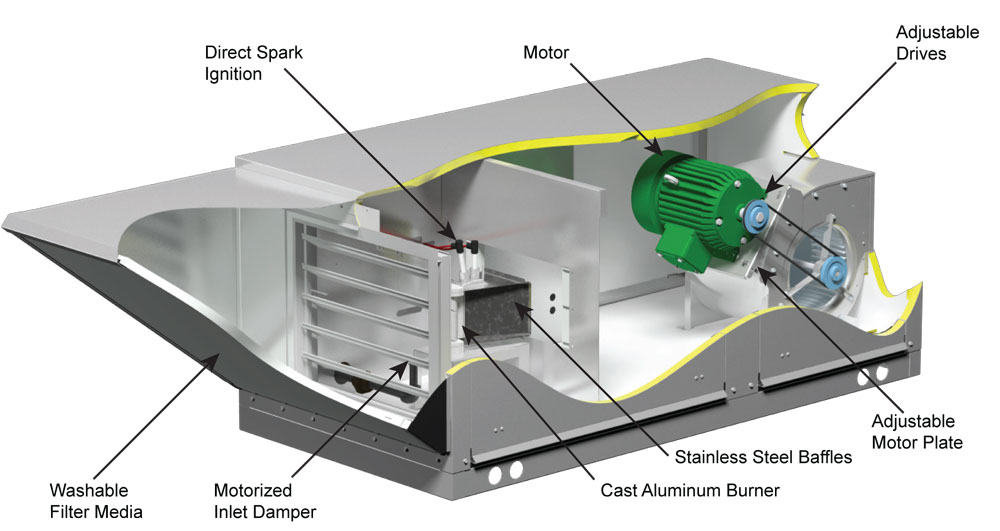
- Filters: Air filters remove dust, pollen, and other contaminants from the incoming air.
- Dampers: Dampers regulate the amount of air entering the building, often automatically adjusting based on the needs of the exhaust system.
- Heating/Cooling Coils (Optional): Some MAUs include heating or cooling coils to temper the incoming air before it's distributed throughout the building.
- Fans: Fans circulate the fresh air throughout the building.
- Controls: Control systems regulate the operation of the MAU, often based on temperature, humidity, or exhaust fan activity.
When to Call a Professional
While some basic troubleshooting steps can be performed by homeowners, it's crucial to seek professional assistance in the following situations:
- Suspected Carbon Monoxide Leak: Evacuate the premises immediately and call emergency services.
- Furnace Backdrafting: Turn off the furnace and call a qualified HVAC technician.
- Complex System Diagnosis: If you're unable to identify the cause of the problem or if the issue seems to be related to the MAU's control system or dampers.
- Installation or Modification: Installing or modifying a make-up air system requires specialized knowledge and experience. Always hire a licensed HVAC contractor.
Estimated Repair Costs
It's difficult to provide accurate cost estimates without knowing the specific problem and the complexity of the system. However, here are some general ranges:
- Simple Vent Cleaning/Obstruction Removal: $75 - $200
- Damper Repair/Replacement: $150 - $500
- Filter Replacement: $20 - $50 (DIY) or $50 - $150 (professional)
- Control System Repair: $200 - $800+
- New Make-Up Air System Installation: $1,000 - $5,000+ (depending on size and complexity)
Important Note: These are just estimates. Always obtain multiple quotes from qualified HVAC contractors before proceeding with any repairs or installations.
Safety Tips
- Carbon Monoxide Detectors: Install carbon monoxide detectors on every level of your home, especially near sleeping areas. Test them regularly.
- Gas Leaks: If you smell gas, evacuate the premises immediately and call your gas company.
- Electrical Safety: Disconnect power to any electrical components before performing any maintenance or repairs.
- Qualified Professionals: When in doubt, always consult a qualified HVAC technician.
Key Takeaways
Understanding make-up air units is essential for maintaining a healthy, comfortable, and efficient home. While a dedicated MAU might not be necessary for every residence, recognizing the importance of balanced air pressure can help you identify potential problems and ensure the safe and efficient operation of your HVAC system. Remember to prioritize safety and consult a qualified professional for complex repairs or installations.
By being informed, you can proactively address ventilation issues and create a healthier and more comfortable living environment for yourself and your family.