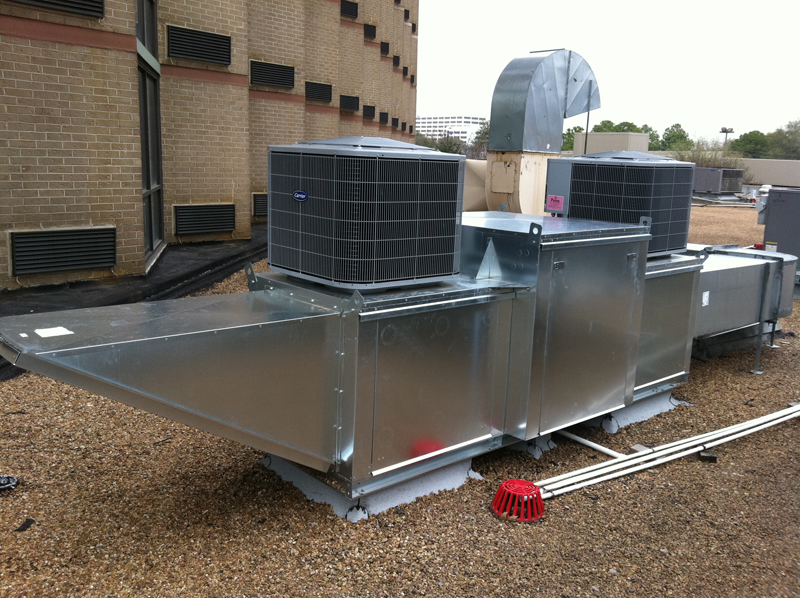
What Is A Makeup Air Unit
Understanding Makeup Air Units: Your Guide to a Healthier, More Efficient Home or Business
In today's energy-conscious world, achieving optimal HVAC (Heating, Ventilation, and Air Conditioning) performance is crucial for both comfort and cost savings. While many focus on the heating and cooling aspects, a critical component often overlooked is the makeup air unit (MAU). This article will delve into what a makeup air unit is, how it works, its benefits for homes and businesses, and how it can contribute to a more sustainable and energy-efficient environment.
What Exactly is a Makeup Air Unit?
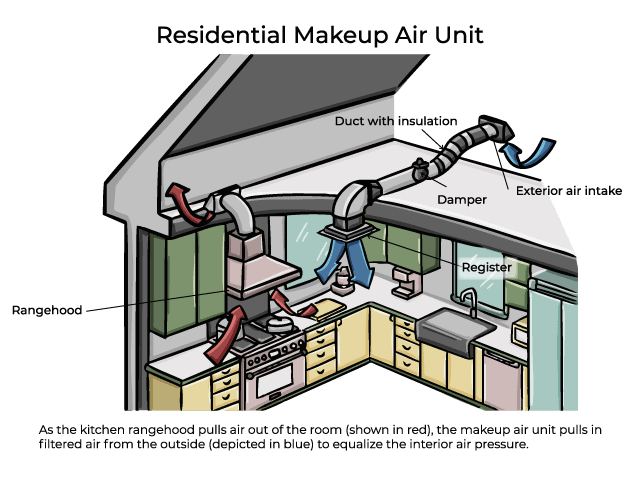
A makeup air unit is a mechanical system designed to replace air that is exhausted from a building. Exhaust systems, such as those in kitchens (range hoods), bathrooms, and industrial processes, remove stale, contaminated, or otherwise undesirable air from the indoor environment. Without a source of replacement air, these exhaust systems create negative pressure. This negative pressure can lead to a multitude of problems, including:
- Reduced HVAC Efficiency: Your furnace or air conditioner has to work harder to compensate for the air being sucked out, leading to higher energy bills.
- Backdrafting: Negative pressure can pull combustion gases from appliances like furnaces and water heaters back into the living space, posing a serious health hazard (carbon monoxide poisoning).
- Drafts and Discomfort: Air will be drawn in through cracks, gaps, and poorly sealed windows and doors, creating uncomfortable drafts and cold spots.
- Indoor Air Quality Issues: Negative pressure can pull in pollutants from outside, such as pollen, dust, and vehicle exhaust.
The makeup air unit counteracts these problems by supplying fresh, conditioned (or unconditioned, depending on the design) air to replace the exhausted air, thereby maintaining a neutral or slightly positive pressure inside the building.
How a Makeup Air Unit Works
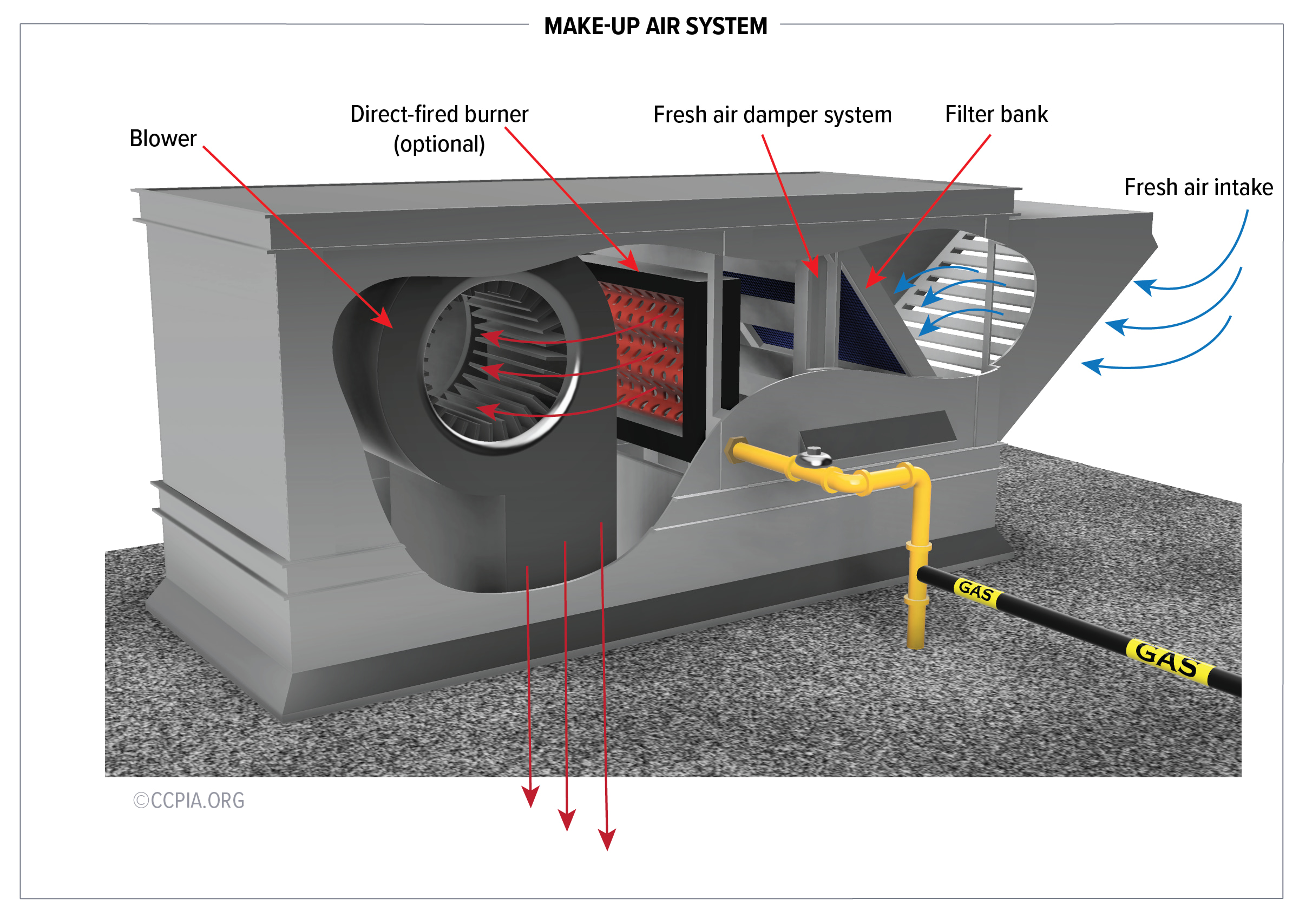
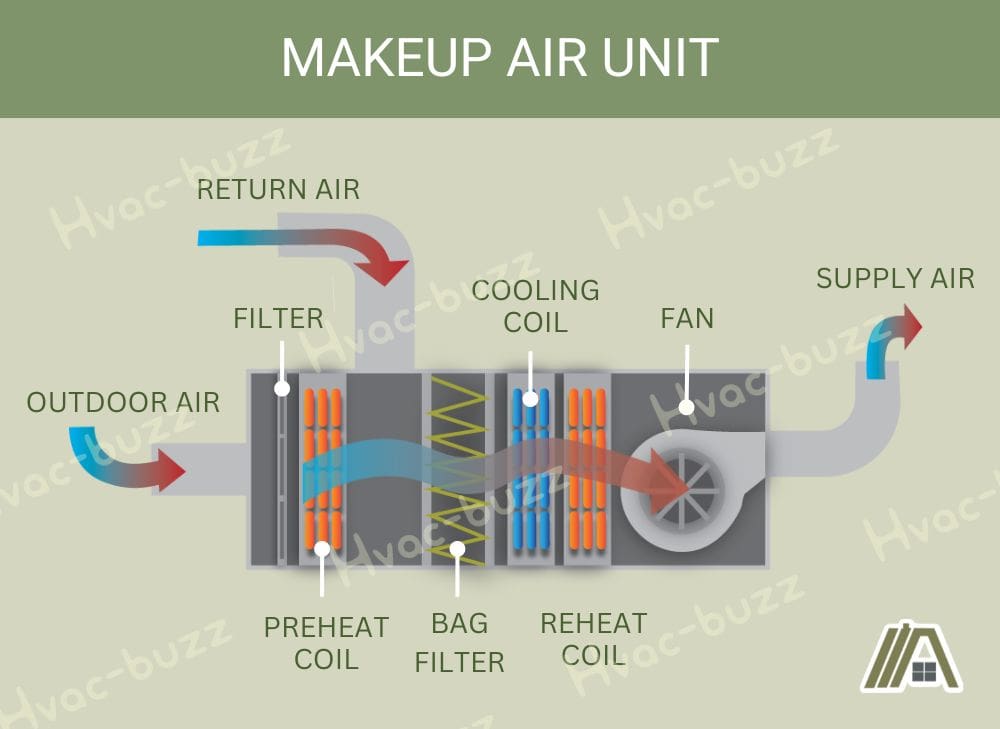
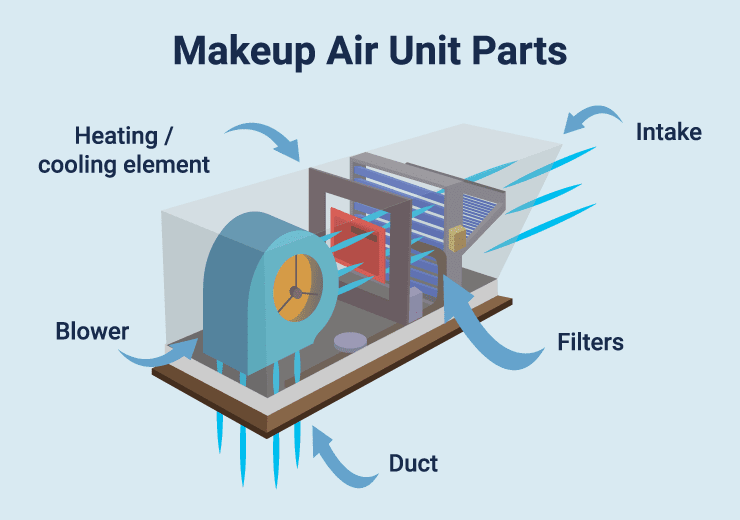
A typical makeup air unit consists of several key components:
- Air Intake: This is where the unit draws in fresh air from the outside. The intake is typically equipped with filters to remove dust, pollen, and other airborne contaminants.
- Filters: Crucial for maintaining indoor air quality and protecting the unit's components. MERV (Minimum Efficiency Reporting Value) ratings indicate the filter's efficiency at capturing particles of different sizes. Choosing the right MERV rating depends on your specific needs and air quality concerns. Consider filters with a MERV rating of 8-13 for good general filtration.
- Conditioning Components (Optional): Depending on the application, the MAU may include heating, cooling, humidification, and dehumidification components. These ensure the supplied air is at a comfortable temperature and humidity level. A heat recovery ventilator (HRV) or energy recovery ventilator (ERV) can be integrated to pre-heat or pre-cool the incoming air using the energy from the exhaust air, significantly improving energy efficiency.
- Fan: A powerful fan forces the fresh air into the building's ventilation system.
- Ductwork: A network of ducts distributes the makeup air throughout the building.
- Controls: A control system regulates the operation of the unit, ensuring that the correct amount of air is supplied and that the conditioning components function properly. This system can be integrated with smart thermostats and building automation systems for enhanced control and monitoring.
Benefits of Using a Makeup Air Unit
Investing in a makeup air unit offers a multitude of benefits for both homeowners and businesses:
- Improved Indoor Air Quality: By supplying fresh, filtered air, MAUs help to dilute indoor pollutants and create a healthier living and working environment. According to the EPA, indoor air pollutants are often 2 to 5 times higher than outdoor pollutants.
- Enhanced HVAC Efficiency: By maintaining a balanced pressure, MAUs allow your HVAC system to operate more efficiently, reducing energy consumption and lowering utility bills. Studies have shown that properly balanced ventilation can reduce HVAC energy consumption by 10-30%.
- Elimination of Backdrafting: MAUs prevent negative pressure, ensuring that combustion gases are safely vented outside.
- Increased Comfort: By eliminating drafts and cold spots, MAUs create a more comfortable and consistent indoor environment.
- Protection of Building Structure: By preventing negative pressure, MAUs help to prevent moisture from being drawn into the building structure, reducing the risk of mold growth and structural damage.
- Compliance with Building Codes: Many building codes now require makeup air units in certain applications, such as commercial kitchens and buildings with high exhaust rates. ASHRAE Standard 62.1 provides guidelines for ventilation and acceptable indoor air quality.
Makeup Air Units for Homes
While typically associated with commercial applications, makeup air units can also be beneficial for homes, especially those with powerful range hoods or other exhaust systems. Homes that have been tightly sealed for energy efficiency can also benefit from an MAU to ensure adequate ventilation. If you have recently upgraded to a high-efficiency range hood (over 400 CFM) or are experiencing drafts or indoor air quality problems, a makeup air unit may be a worthwhile investment.
ROI for Homeowners: The return on investment for a residential makeup air unit comes in the form of lower energy bills, improved indoor air quality, and a more comfortable living environment. The initial cost can range from $500 to $3,000 installed, but the long-term savings and health benefits can outweigh the upfront expense. Consider factors such as the size of your home, the type of exhaust systems you have, and your local climate when determining the appropriate size and type of MAU.
Makeup Air Units for Businesses
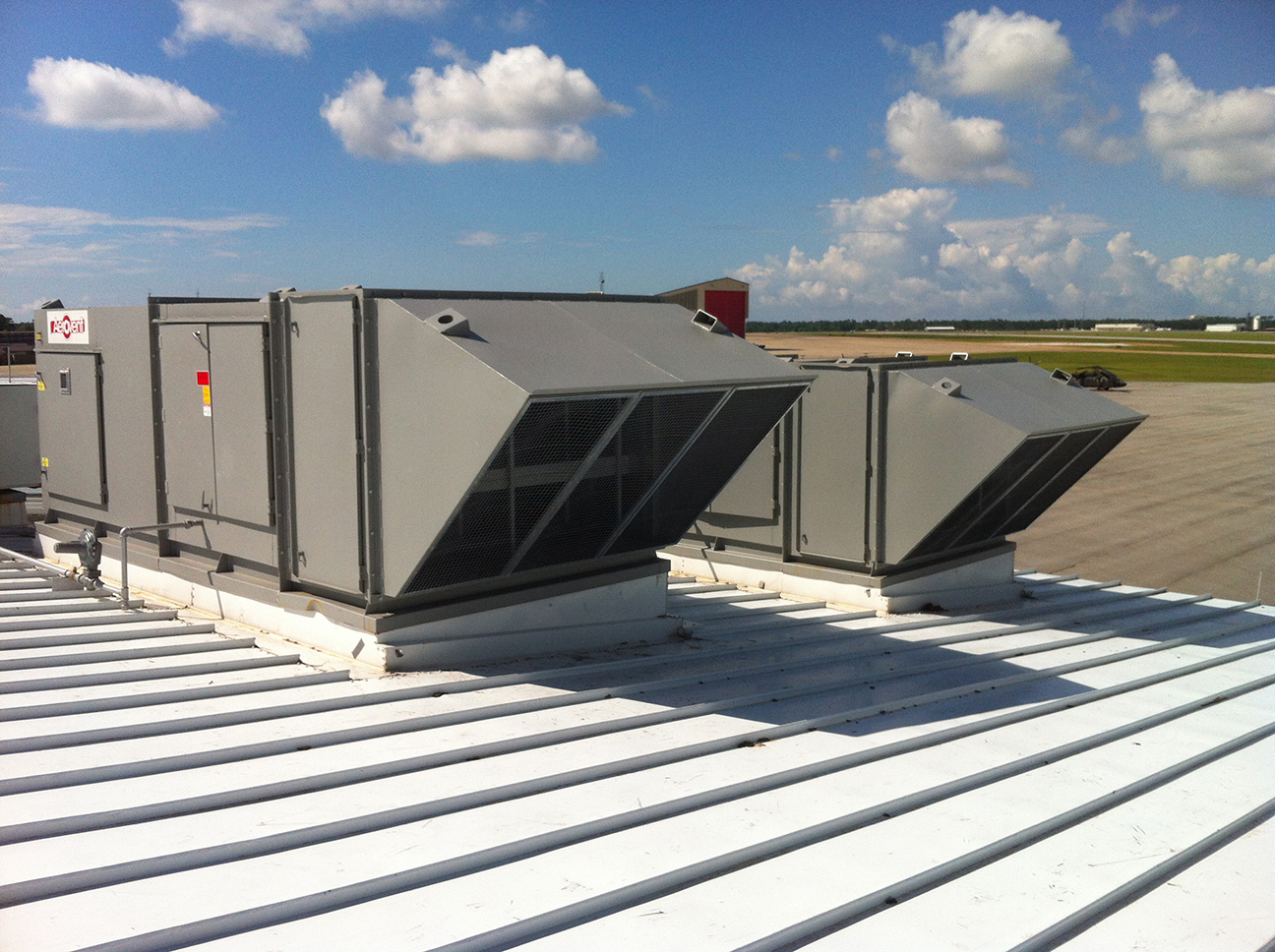
For businesses, especially restaurants, factories, and other facilities with high exhaust rates, makeup air units are essential. They ensure proper ventilation, maintain a comfortable environment for employees and customers, and comply with building codes and regulations. In commercial kitchens, for example, makeup air units are critical for removing smoke, grease, and other contaminants from the air.
ROI for Businesses: The ROI for a commercial makeup air unit is often more significant than for a residential unit. In addition to the benefits mentioned above, businesses can also benefit from increased productivity, reduced absenteeism, and a lower risk of health code violations. Businesses might also qualify for energy efficiency rebates from their local utility company when installing energy-efficient MAUs.
Choosing the Right Makeup Air Unit
Selecting the right makeup air unit depends on a number of factors, including:
- Exhaust Rate: The MAU should be sized to match the exhaust rate of your exhaust systems. Consult with an HVAC professional to determine the appropriate size.
- Climate: In colder climates, a heated MAU may be necessary to prevent uncomfortable drafts. In hot and humid climates, a cooled and dehumidified MAU may be desirable.
- Indoor Air Quality Needs: If you have specific air quality concerns, such as allergies or asthma, choose an MAU with a high-efficiency filter.
- Energy Efficiency: Look for MAUs with energy-efficient fans and heat recovery systems. ENERGY STAR certification can help you identify energy-efficient models.
- Budget: MAUs range in price from a few hundred dollars to several thousand dollars, depending on the size and features.
Smart HVAC Integration
Integrating your makeup air unit with a smart thermostat or building automation system can further enhance its performance and energy efficiency. Smart thermostats can automatically adjust the MAU's operation based on occupancy, outdoor temperature, and other factors. Sensors can monitor indoor air quality and trigger the MAU to operate when pollutant levels are high. Remote monitoring and control capabilities allow you to adjust settings and troubleshoot problems from anywhere.
Maintenance and Upkeep
To ensure optimal performance and longevity, regular maintenance is essential. This includes:
- Filter Replacement: Replace filters regularly, typically every 1-3 months, depending on the filter type and air quality conditions.
- Cleaning: Clean the air intake and other components regularly to remove dust and debris.
- Inspection: Inspect the unit annually for any signs of damage or wear and tear.
- Professional Servicing: Have the unit professionally serviced every few years to ensure that all components are functioning properly.
Government Guidelines and Rebates
Several government programs and initiatives promote energy efficiency and offer rebates for energy-efficient HVAC equipment, including makeup air units. Check with your local utility company and state energy office to see what rebates and incentives are available in your area. The ENERGY STAR program provides guidelines for energy-efficient products and can help you identify MAUs that meet certain energy performance standards.
Conclusion
A makeup air unit is an essential component of a healthy and energy-efficient building. By providing fresh, filtered air and maintaining a balanced pressure, MAUs improve indoor air quality, enhance HVAC efficiency, and create a more comfortable living and working environment. Whether you're a homeowner looking to improve your indoor air quality or a business owner seeking to reduce energy costs, a makeup air unit is a worthwhile investment. Consult with a qualified HVAC professional to determine the appropriate size and type of MAU for your specific needs.