What Is A Mini Split Ductless System
What is a Mini Split Ductless System? A Comprehensive Guide
Tired of inefficient window units or the hassle and expense of installing ductwork? A mini split ductless system might be the perfect solution for your heating and cooling needs. These systems offer a flexible, energy-efficient alternative to traditional central HVAC systems, and are gaining popularity among homeowners, real estate investors, and contractors alike.
Understanding the Basics
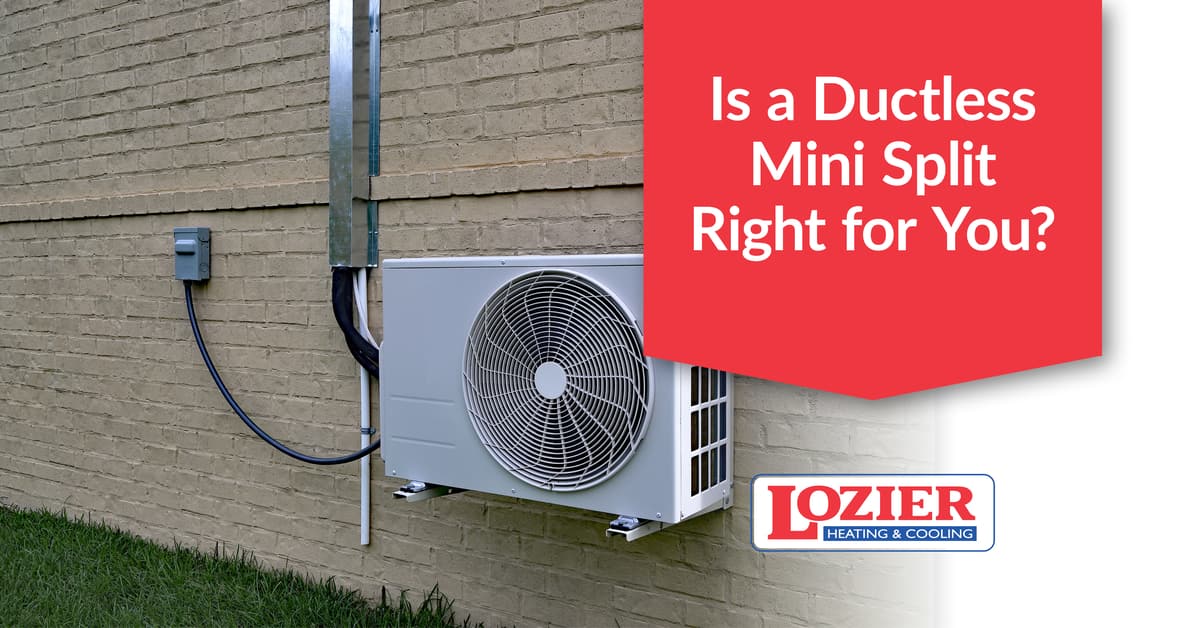
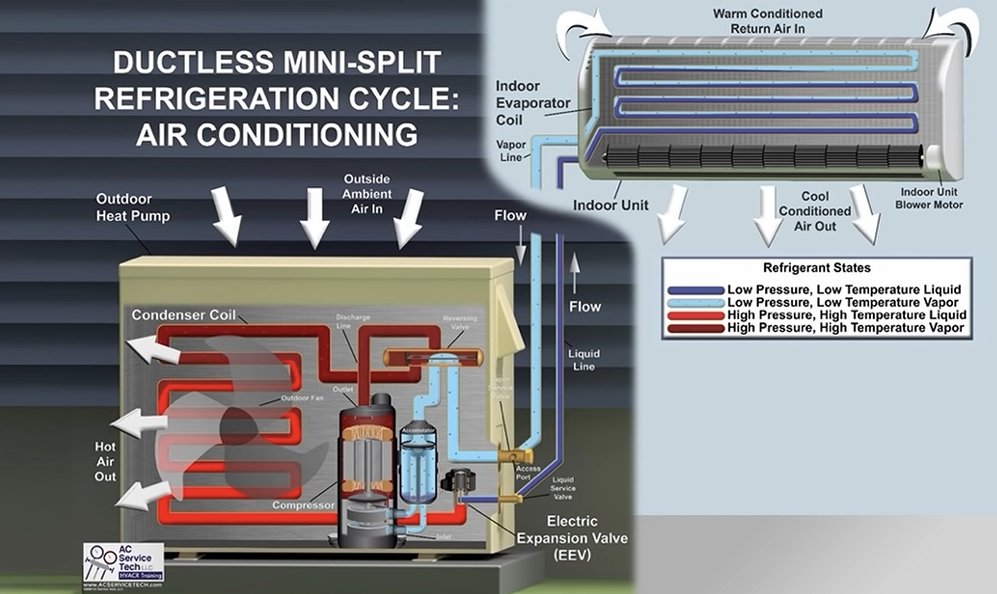
A mini split system, also known as a ductless mini-split, is a type of HVAC system that doesn't require ductwork to distribute conditioned air. Instead, it consists of two main components: an outdoor unit (compressor/condenser) and one or more indoor units (air handlers). These units are connected by a conduit containing the refrigerant lines, power cable, and a condensate drain. This allows for precise temperature control in individual zones or rooms.
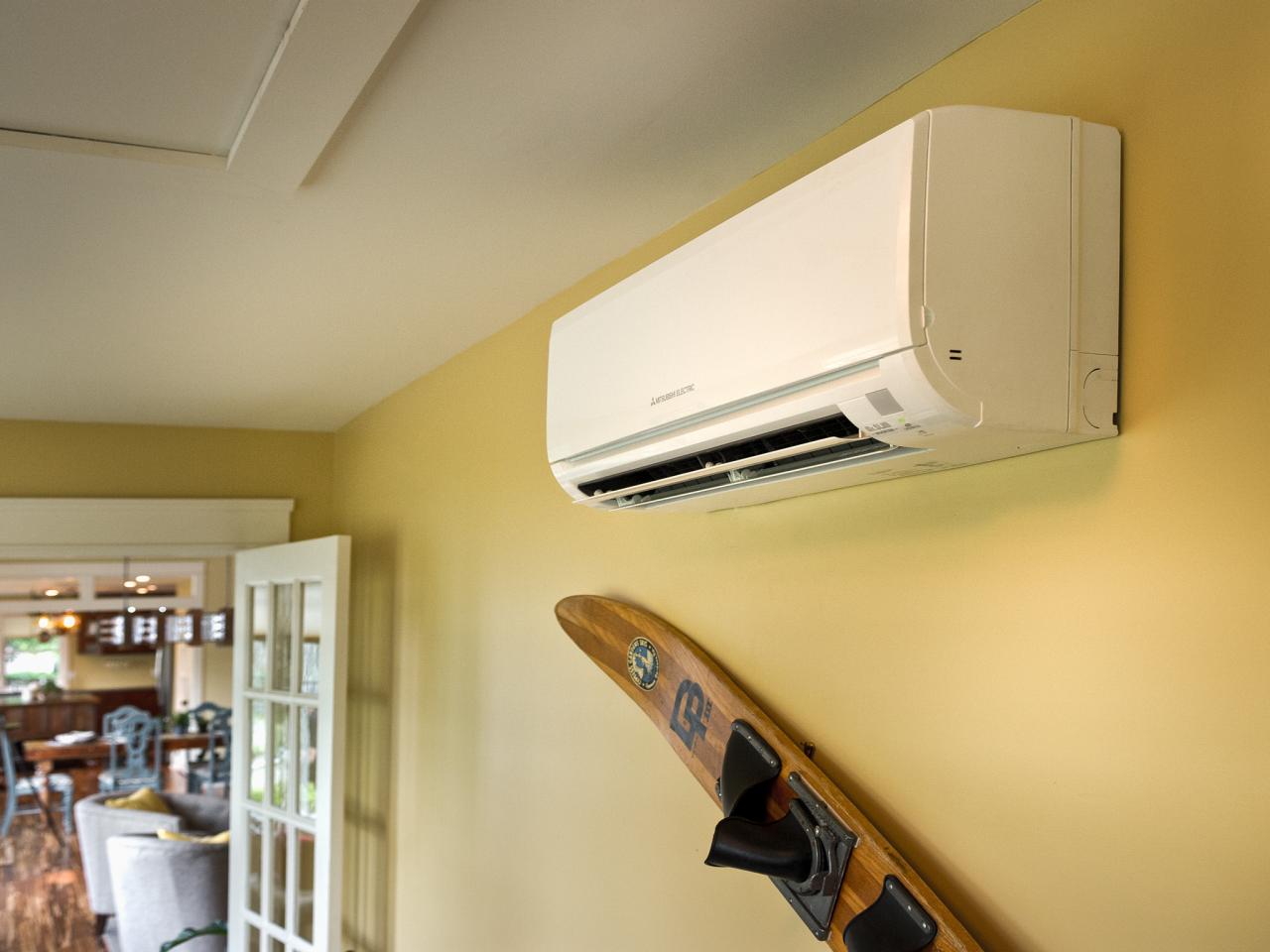
The outdoor unit, similar to a central air conditioner's compressor, is responsible for compressing and circulating refrigerant. The indoor units, mounted on walls or ceilings, blow conditioned air into the room. Because each indoor unit can be controlled independently, you can heat or cool specific zones as needed, leading to significant energy savings.
Key Features and Benefits
- Zoned Heating and Cooling: Control the temperature in individual rooms or zones, eliminating the need to heat or cool unoccupied spaces.
- Energy Efficiency: Ductless systems often boast higher SEER (Seasonal Energy Efficiency Ratio) and HSPF (Heating Seasonal Performance Factor) ratings compared to traditional systems, resulting in lower energy bills.
- Easy Installation: The absence of ductwork simplifies installation, reducing labor costs and minimizing disruption to your home.
- Improved Air Quality: Many mini split systems include advanced filtration systems that remove dust, allergens, and other pollutants from the air.
- Quiet Operation: Both the indoor and outdoor units are typically very quiet, providing a more comfortable living environment.
- Flexibility: Suitable for a variety of applications, including additions, renovations, and homes without existing ductwork.
Pros and Cons
Pros:
- Energy Savings: Zoned heating and cooling and high SEER/HSPF ratings translate to lower energy bills.
- Easy Installation: No ductwork required, resulting in faster and less expensive installation.
- Improved Air Quality: Advanced filtration systems remove allergens and pollutants.
- Quiet Operation: Minimal noise disruption.
- Flexibility: Suitable for various applications and home styles.
Cons:
- Aesthetic Considerations: Indoor units are visible and may not appeal to all homeowners. Professional installation can help minimize their visual impact.
- Initial Cost: The initial investment can be higher than traditional window units, although long-term energy savings often offset this cost.
- Installation Complexity: While easier than installing ductwork, proper installation requires a qualified HVAC technician.
- Limited Heating Capacity in Extreme Cold: Some models may struggle to provide adequate heating in very cold climates. Consider a cold-climate heat pump if you live in an area with harsh winters.
Understanding AFUE, SEER, and HSPF
When comparing mini split systems, it's crucial to understand the meaning of AFUE (Annual Fuel Utilization Efficiency), SEER, and HSPF. While AFUE primarily applies to furnaces, SEER and HSPF are key indicators of a mini-split's energy efficiency.
- SEER: Measures the cooling efficiency of an air conditioner or heat pump. The higher the SEER rating, the more efficient the unit. Look for systems with a SEER rating of 16 or higher for optimal energy savings.
- HSPF: Measures the heating efficiency of a heat pump. Again, a higher rating indicates greater efficiency. Aim for an HSPF rating of 8.5 or higher.
Popular Brands and Models
Several reputable manufacturers offer high-quality mini split systems. Here's a brief overview of some popular brands and models:
- Mitsubishi Electric: Known for their reliability, quiet operation, and advanced features, Mitsubishi offers a wide range of mini split systems. The Mitsubishi Electric M-Series is a popular choice for residential applications.
- Daikin: Daikin is another leading manufacturer of mini split systems, offering a variety of models with high SEER and HSPF ratings. The Daikin Emura series is known for its stylish design and energy efficiency.
- LG: LG offers a range of mini split systems with innovative features, such as Wi-Fi connectivity and smart controls. The LG Art Cool series features stylish indoor units that can blend seamlessly with your decor.
- Fujitsu: Fujitsu mini split systems are known for their affordability and reliability. They offer a variety of models suitable for different applications and budgets.
- Carrier: Carrier is a well-established HVAC brand with a reputation for quality and durability. Their mini split systems offer a good balance of performance and value.
When choosing a model, consider factors such as the size of the area you need to heat or cool, your budget, and your desired features. Consult with a qualified HVAC technician to determine the right system for your needs.
Pricing and Installation Costs
The cost of a mini split system varies depending on the brand, model, number of indoor units, and installation complexity. On average, you can expect to pay between $3,000 and $8,000 for a single-zone system (one outdoor unit and one indoor unit), including installation. Multi-zone systems, which can heat or cool multiple rooms, will cost more.
Installation costs typically range from $500 to $1,500 per indoor unit, depending on the complexity of the installation. Factors that can affect installation costs include the distance between the indoor and outdoor units, the type of wall or ceiling where the indoor unit will be mounted, and any electrical work required.
While the initial cost of a mini split system may be higher than traditional window units, the long-term energy savings can often offset this cost. Furthermore, many utility companies offer rebates and incentives for installing energy-efficient HVAC systems, which can help reduce your upfront costs.
Warranties and Maintenance
Most mini split systems come with a manufacturer's warranty that covers parts and labor for a specified period. The length of the warranty varies depending on the brand and model, but typically ranges from 5 to 10 years for parts and 1 to 5 years for labor.
Proper maintenance is essential to ensure the longevity and efficiency of your mini split system. Regular maintenance tasks include:
- Cleaning or replacing air filters every 1-3 months.
- Cleaning the indoor and outdoor unit coils annually.
- Checking refrigerant levels.
- Inspecting electrical connections.
It's recommended to schedule annual maintenance with a qualified HVAC technician to ensure that your system is operating at peak performance.
Is a Mini Split Right for You?
Mini split ductless systems offer a compelling alternative to traditional HVAC systems, providing zoned heating and cooling, energy efficiency, and easy installation. They are particularly well-suited for:
- Homes without existing ductwork.
- Additions or renovations.
- Rooms that are difficult to heat or cool with a central HVAC system.
- Homeowners seeking greater control over their energy bills.
Before making a decision, carefully consider your specific needs and budget, and consult with a qualified HVAC technician to determine the best system for your home.
Conclusion
Investing in a ductless mini-split system can be a significant upgrade to your home comfort and energy efficiency. By understanding the features, benefits, and considerations outlined in this guide, you can make an informed decision and choose the right system for your needs. Remember to compare brands, models, and pricing, and always hire a qualified HVAC technician for installation and maintenance.