What Is A Normal Air Conditioning Temperature
Determining what constitutes a "normal" air conditioning temperature is more complex than simply setting it to the lowest possible setting. Several factors contribute to achieving optimal comfort and energy efficiency. This guide will break down the key considerations to help you understand what a normal AC temperature should be for your home.
Understanding the Ideal Temperature Range
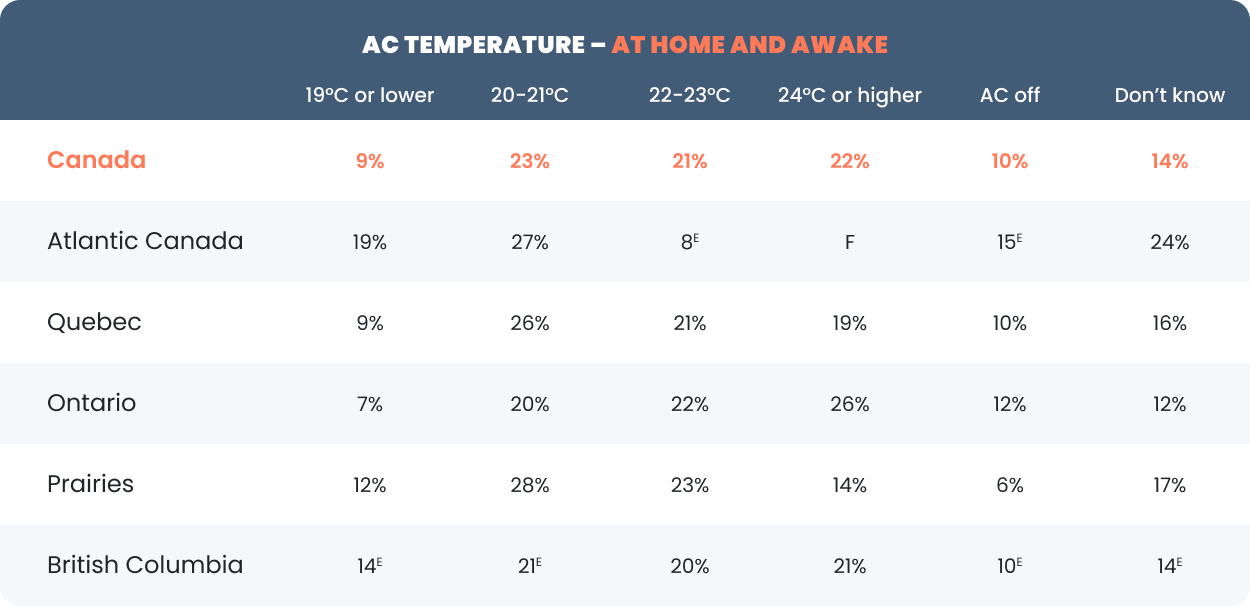
There isn't a single, universally agreed-upon "normal" AC temperature. However, most experts and organizations recommend a temperature range that balances comfort and energy savings. A generally accepted range is between 72°F and 78°F (22°C and 26°C). Let's explore why this range is considered ideal.
Factors Influencing the Ideal Temperature
Several elements play a role in determining the most comfortable and efficient temperature for your home:
* Personal Preference: Comfort is subjective. What feels comfortable to one person may feel too warm or too cold to another. Some individuals naturally prefer warmer or cooler environments. * Activity Level: If you are physically active, you might prefer a slightly cooler temperature than someone who is sedentary. During periods of exercise or high activity, the body generates more heat. * Clothing: The type of clothing you wear affects your perception of temperature. Lighter, more breathable clothing allows for better air circulation and can make a warmer temperature feel more comfortable. * Time of Day: You might prefer a cooler temperature at night for better sleep. The body's core temperature naturally drops during sleep, so a cooler room can aid in falling asleep and staying asleep. * Humidity: High humidity makes the air feel warmer than it actually is. In humid conditions, you may need to lower the thermostat to achieve the same level of comfort. * Energy Costs: Lowering the thermostat puts more strain on your AC system, leading to higher energy bills. Finding a balance between comfort and energy consumption is crucial. * Health Considerations: Certain health conditions may make individuals more sensitive to temperature changes. For example, elderly individuals or those with certain medical conditions may require a slightly warmer environment.The Importance of Energy Efficiency
While comfort is paramount, it's important to consider the impact of your AC usage on your energy bill and the environment. Lowering the thermostat drastically can significantly increase your energy consumption. The U.S. Department of Energy recommends setting your thermostat to 78°F (26°C) when you're home and even higher when you're away to maximize energy savings. Each degree you raise the thermostat can save you around 1% to 3% on your energy bill.
Programming Your Thermostat for Savings
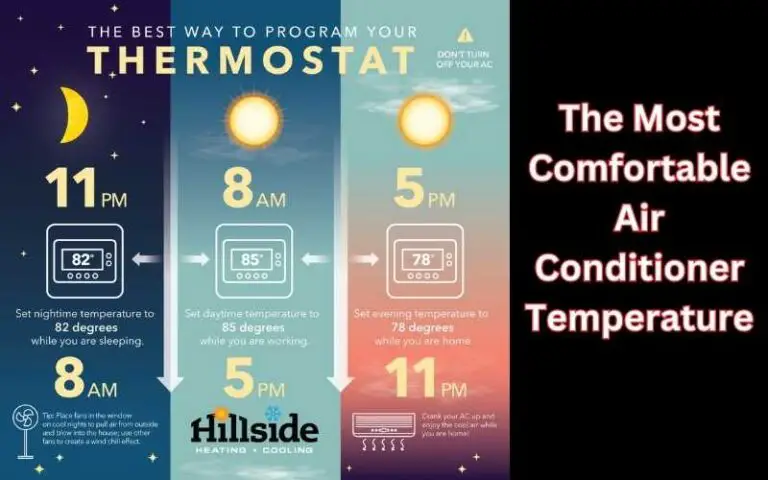
A programmable thermostat allows you to set different temperatures for different times of the day. This is an excellent way to optimize energy efficiency without sacrificing comfort. For example, you can program the thermostat to a higher temperature while you're at work or school and lower it to a more comfortable temperature before you arrive home.
Smart thermostats take this a step further by learning your habits and automatically adjusting the temperature based on your preferences and occupancy patterns. They can also be controlled remotely via a smartphone app.
The Role of Air Conditioner Efficiency
The efficiency of your air conditioner also plays a significant role in determining how effectively it can cool your home. An older, less efficient AC unit will have to work harder to maintain a desired temperature, resulting in higher energy bills. Look for the Seasonal Energy Efficiency Ratio (SEER) rating when purchasing a new AC unit. A higher SEER rating indicates greater energy efficiency. Modern AC units often have SEER ratings of 15 or higher.
Troubleshooting Common AC Issues
If your AC system isn't maintaining a comfortable temperature, several issues could be at play. Here are some common problems and potential solutions:
* Dirty Air Filter: A clogged air filter restricts airflow, making it harder for the AC to cool your home effectively. Replace your air filter every 1-3 months, or more often if you have pets or allergies. * Dirty Condenser Coils: The condenser coils are located outside your home and release heat from the refrigerant. Over time, these coils can become covered in dirt and debris, reducing their efficiency. Clean the condenser coils regularly with a garden hose (gently) or hire a professional to do so. * Refrigerant Leaks: Refrigerant is the fluid that cools the air in your AC system. Think of refrigerant as the "blood" of your AC system, carrying heat from inside to outside. If there is a leak, your AC won't be able to cool effectively. Refrigerant leaks must be repaired by a qualified HVAC technician. * Ductwork Leaks: Leaky ductwork can waste a significant amount of cooled air. Seal any visible leaks with duct tape or hire a professional to seal the ductwork properly. * Insufficient Insulation: Poor insulation in your walls and attic can allow heat to enter your home, making it harder for your AC to maintain a comfortable temperature. Add insulation to improve energy efficiency. * Improper Sizing: If your AC unit is too small for your home, it will struggle to cool the space effectively. If it's too large, it may cool the space too quickly and cycle on and off frequently, which can be inefficient and uncomfortable. A qualified HVAC technician can help you determine the correct size AC unit for your home.What is Temperature Pull Down?
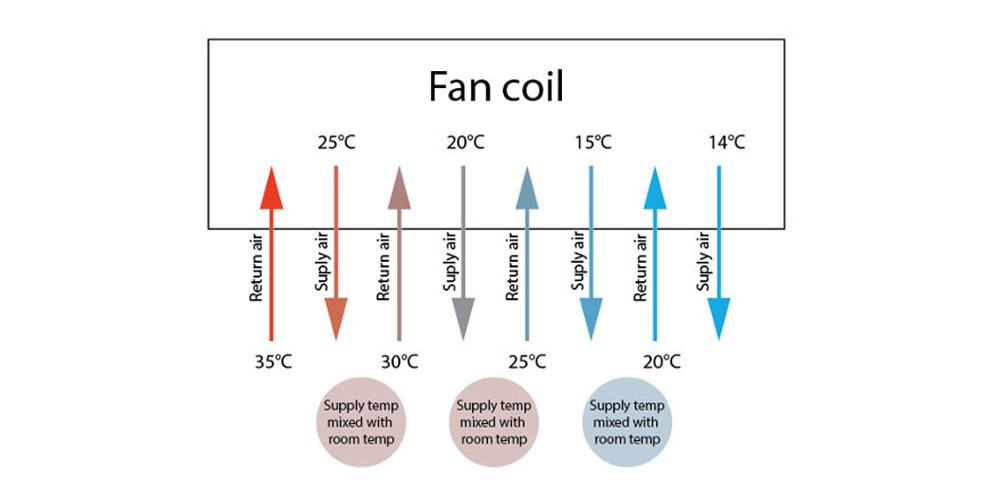
Temperature "pull down" is the term used to describe the time it takes for your air conditioner to lower the temperature in your home to the thermostat setting. Several factors can affect pull down.
* Size of the AC Unit: An undersized unit will struggle to pull down the temperature. * Outside Temperature: On very hot days, it will take longer. * Insulation: Poor insulation will increase the time it takes to pull down. * Air Leaks: Leaks will let cool air escape, increasing the time.A properly functioning AC unit should be able to lower the temperature in your home by 15-20 degrees Fahrenheit within a few hours. If it's taking significantly longer, there may be an underlying issue.
Tips for Maintaining a Comfortable and Efficient Home
Here are some additional tips for maintaining a comfortable and energy-efficient home:
* Use Ceiling Fans: Ceiling fans can help circulate air and make you feel cooler, even at a higher thermostat setting. Remember that fans cool people, not rooms. Turn them off when you leave the room. * Close Curtains and Blinds: During the hottest part of the day, close curtains and blinds to block sunlight and prevent heat from entering your home. * Cook Outdoors: Using your oven or stovetop can generate a lot of heat. Cook outdoors on a grill or use smaller appliances like a microwave or slow cooker to minimize heat buildup inside. * Ensure Proper Ventilation: Make sure your attic and crawl space are properly ventilated to prevent heat buildup. * Schedule Regular Maintenance: Have your AC system serviced by a qualified HVAC technician at least once a year. Regular maintenance can help prevent problems and ensure that your AC is running efficiently.When to Call a Professional
While some AC issues can be resolved with simple troubleshooting, others require the expertise of a qualified HVAC technician. Here are some situations when you should call a professional:
* Refrigerant Leaks: Handling refrigerant requires specialized equipment and training. * Compressor Problems: The compressor is the heart of your AC system. If it's not working properly, it can cause major problems. * Electrical Issues: Electrical problems can be dangerous and should only be handled by a qualified electrician or HVAC technician. * Persistent Cooling Problems: If you've tried troubleshooting common issues and your AC is still not cooling properly, it's time to call a professional.Conclusion
Finding the right "normal" air conditioning temperature is a balance between personal comfort, energy efficiency, and the specific characteristics of your home. By understanding the factors that influence temperature perception, programming your thermostat effectively, maintaining your AC system properly, and addressing any underlying issues, you can achieve a comfortable and cost-effective indoor environment. Remember to prioritize regular maintenance and don't hesitate to call a qualified HVAC technician when needed.
Ultimately, the "normal" temperature is the one that keeps you comfortable while minimizing your energy consumption. Experiment with different settings within the recommended range of 72°F to 78°F to find the sweet spot for your home and lifestyle.