What Is A Normal Humidity Level In A House
.jpg?width=3508&name=Humidity level chart (1).jpg)
Maintaining optimal indoor humidity is crucial for comfort, health, and the longevity of your home. Too much humidity can lead to mold growth and structural damage, while too little can cause dry skin and respiratory issues. Understanding what constitutes a normal humidity level and how to achieve it is essential for homeowners, HVAC professionals, and anyone interested in creating a healthy and comfortable indoor environment.
The Ideal Humidity Range: Balancing Comfort and Health
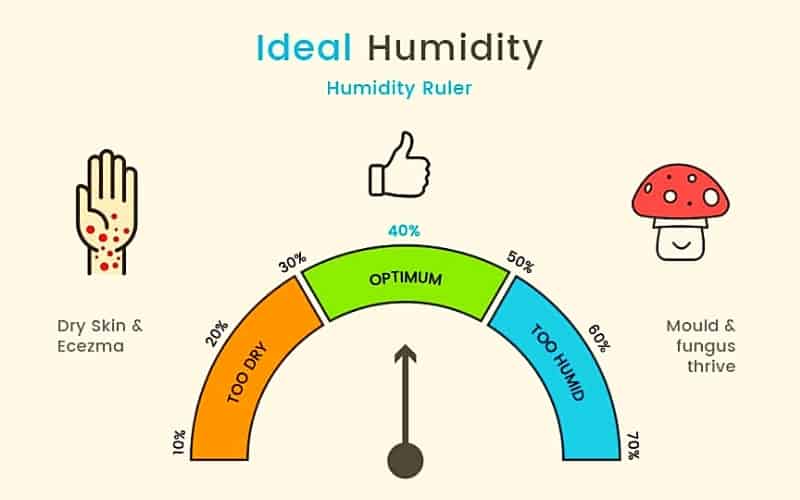
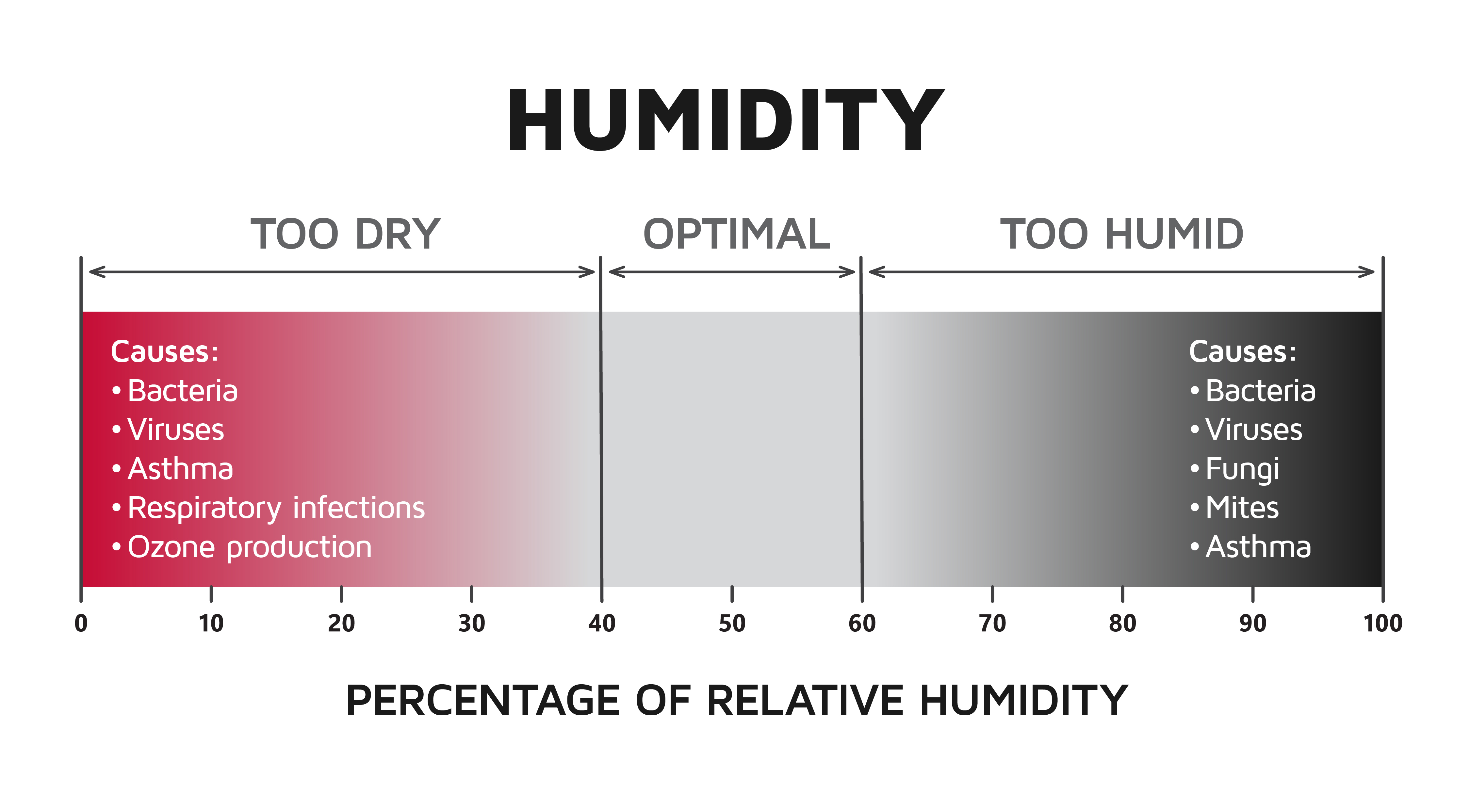
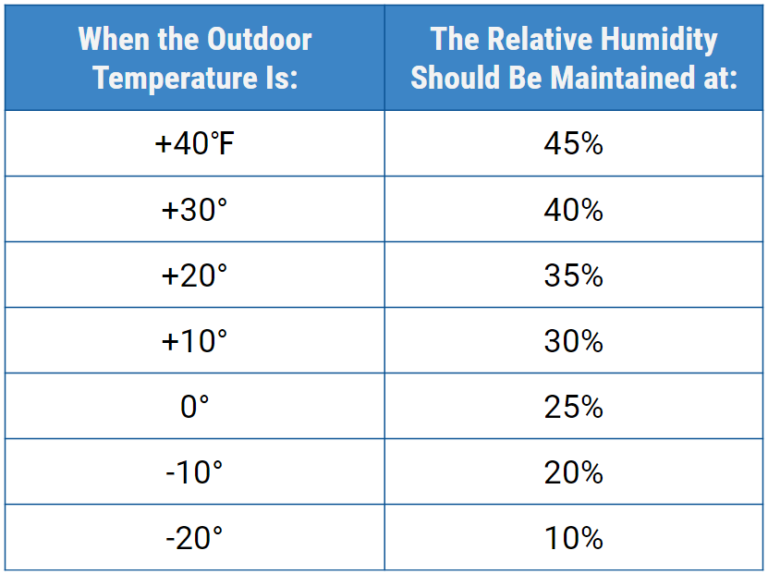
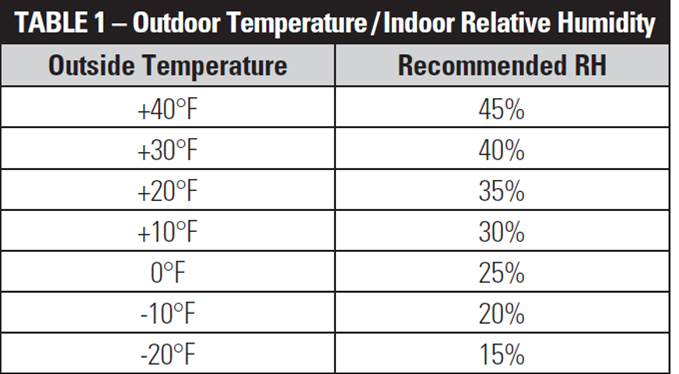
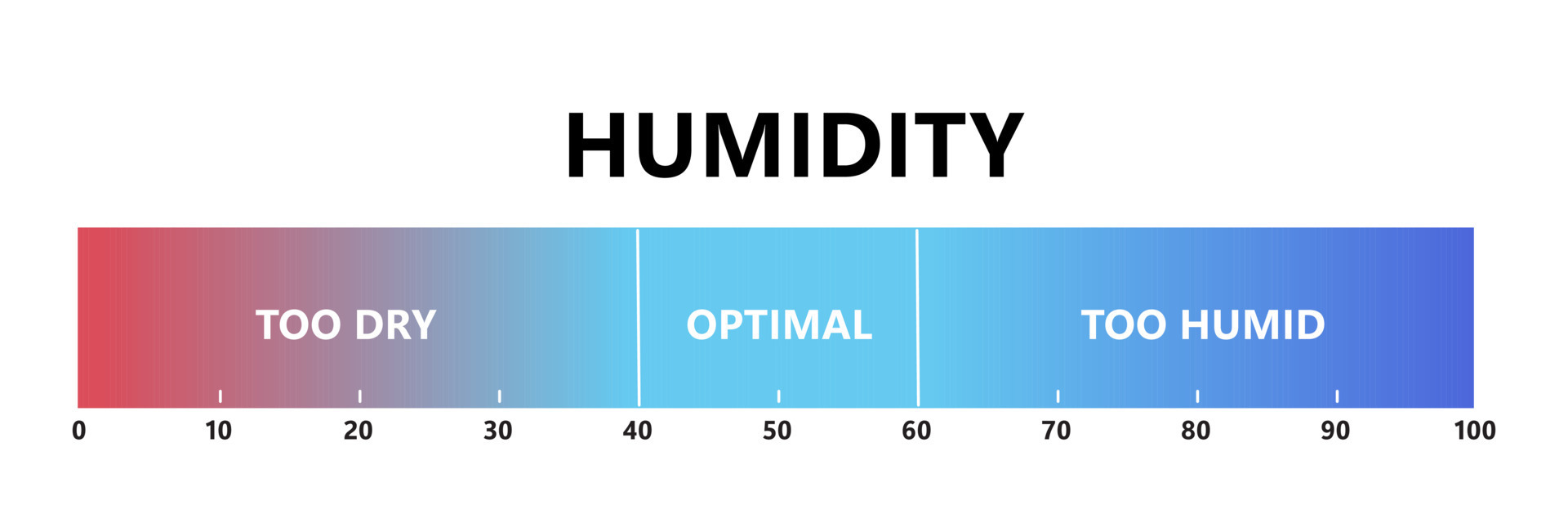
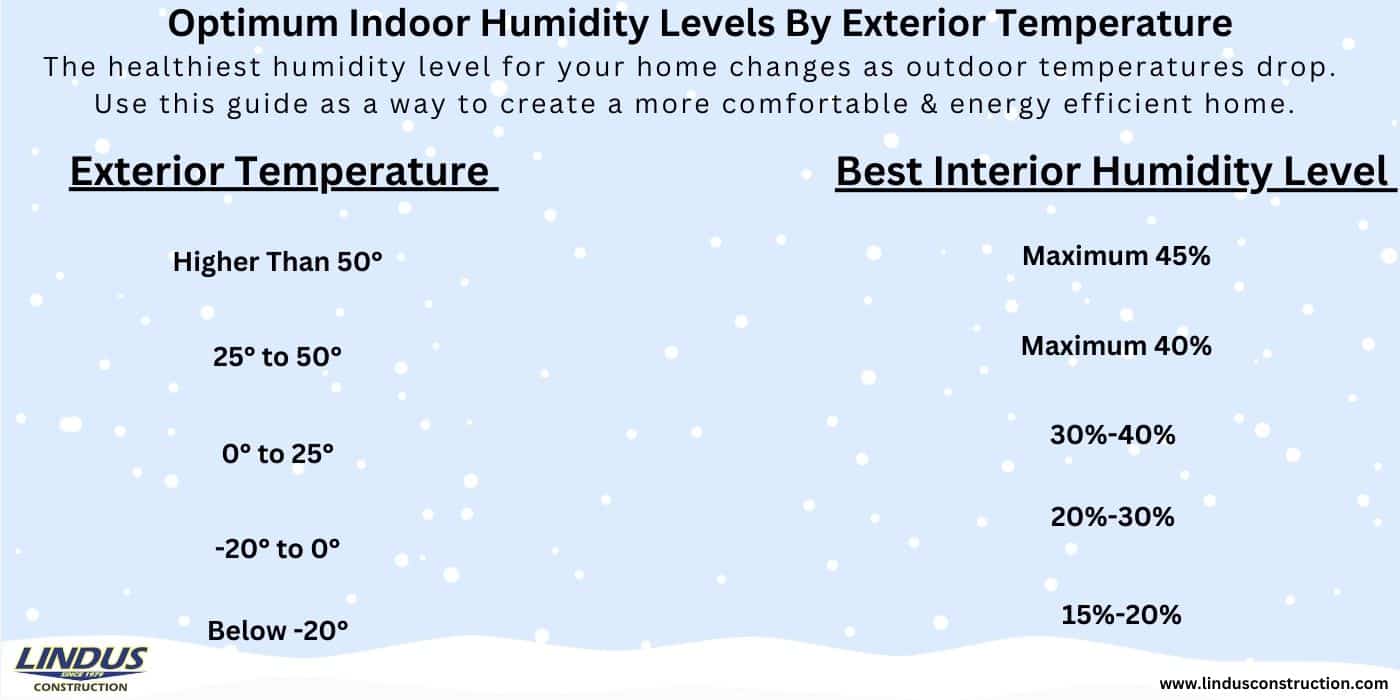
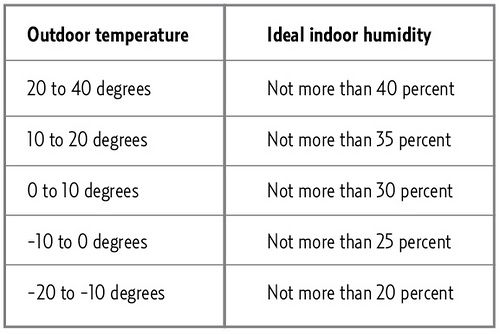
The generally accepted ideal indoor humidity range is between 30% and 50%. During the winter months, especially in colder climates, maintaining the lower end of this range (30-40%) is often preferable to prevent condensation on windows and potential mold growth. In the summer, aiming for the higher end (40-50%) can provide a comfortable balance without encouraging excessive moisture buildup. The Environmental Protection Agency (EPA) recommends keeping indoor humidity below 60% to prevent mold growth.
Why is Humidity Important?
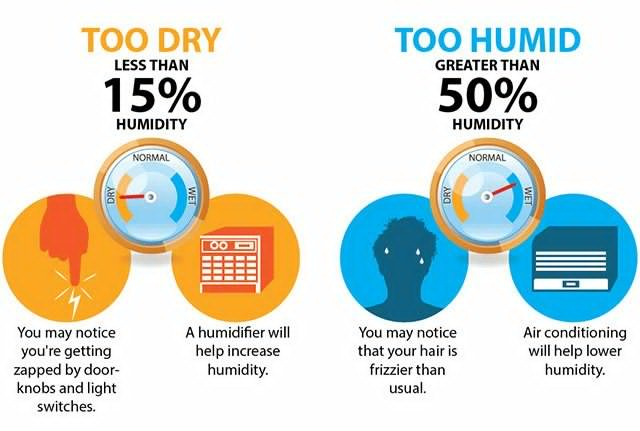
Humidity affects how we perceive temperature. High humidity makes the air feel warmer because sweat doesn't evaporate as easily, hindering the body's natural cooling mechanism. Conversely, low humidity can make the air feel cooler, leading to the over-use of heating systems and increased energy bills. Beyond comfort, humidity plays a significant role in:
- Health: Maintaining proper humidity levels can reduce the risk of respiratory infections, allergies, and asthma symptoms. Dry air can irritate the nasal passages and throat, making individuals more susceptible to viruses.
- Building Integrity: Excessive humidity can lead to condensation, which fosters mold and mildew growth. This can damage walls, ceilings, and furniture, leading to costly repairs.
- Energy Efficiency: Proper humidity levels can optimize the performance of your HVAC system. Overly dry air can strain heating systems, while excessive humidity can make cooling systems work harder.
- Comfort: Dry air can cause dry skin, chapped lips, and static electricity. Proper humidity levels contribute to a more comfortable and pleasant living environment.
Measuring Humidity: Tools and Techniques
Several tools can accurately measure indoor humidity levels. The most common are:
- Hygrometers: These devices directly measure the amount of moisture in the air. Digital hygrometers are readily available and provide accurate readings.
- Thermo-Hygrometers: These combine temperature and humidity measurements into one device.
- Smart Thermostats: Many modern smart thermostats include built-in humidity sensors, allowing you to monitor and control both temperature and humidity from a single interface.
When measuring humidity, place the device away from direct sunlight, vents, and exterior walls for the most accurate reading. Monitor humidity levels in different areas of your home to identify potential problem spots.
Controlling Humidity: Solutions for Every Season
Maintaining optimal humidity requires different strategies depending on the season:
In the Summer:
- Air Conditioning: Air conditioners remove moisture from the air as they cool, helping to lower humidity levels. Ensure your air conditioner is properly sized and maintained for optimal performance.
- Dehumidifiers: These devices are specifically designed to remove moisture from the air. They are particularly useful in basements, crawl spaces, and other areas prone to dampness.
- Ventilation: Proper ventilation helps to remove humid air from your home. Use exhaust fans in bathrooms and kitchens, and ensure your attic is adequately ventilated.
- Fix Leaks: Address any plumbing leaks or water intrusion issues promptly to prevent excessive moisture buildup.
In the Winter:
- Humidifiers: These devices add moisture to the air, counteracting the drying effects of heating systems. Choose a humidifier that is appropriately sized for your home, and clean it regularly to prevent mold and bacteria growth.
- Ventilation Control: Minimize unnecessary ventilation during the winter to prevent dry outdoor air from entering your home.
- Monitor Condensation: Watch for condensation on windows and other surfaces. If condensation occurs, increase ventilation or lower humidity levels.
HVAC Systems and Humidity Control
Modern HVAC systems offer sophisticated humidity control capabilities. Some systems feature integrated dehumidification and humidification functions, allowing for precise control over indoor humidity levels year-round. Variable speed air conditioners are particularly effective at removing humidity because they run for longer periods at lower speeds, maximizing moisture removal. Whole-house dehumidifiers can be integrated into your HVAC system to provide consistent humidity control throughout your home.
The Role of the HVAC Professional
HVAC technicians play a critical role in ensuring proper humidity control. Their expertise is essential for:
- System Design and Installation: Selecting and installing the right HVAC system, including humidity control features, is crucial for maintaining optimal indoor conditions.
- System Maintenance: Regular maintenance, including cleaning coils and filters, ensures that your HVAC system is operating efficiently and effectively removing humidity.
- Troubleshooting: HVAC technicians can diagnose and repair issues that may be contributing to high or low humidity levels, such as refrigerant leaks or ductwork problems.
- Indoor Air Quality Assessment: Professionals can assess overall indoor air quality, including humidity levels, and recommend solutions to improve air quality and comfort.
Career Opportunities in HVAC: A Growing Field
The HVAC industry offers diverse and rewarding career opportunities. According to the Bureau of Labor Statistics (BLS), the median annual wage for HVACR mechanics and installers was $51,900 in May 2022. The job outlook for HVACR mechanics and installers is projected to grow 6 percent from 2022 to 2032, about as fast as the average for all occupations. About 39,200 openings for HVACR mechanics and installers are projected each year, on average, over the decade. Many of those openings are expected to result from the need to replace workers who transfer to different occupations or retire.
Entry-level positions typically require a high school diploma or equivalent, along with vocational training or an apprenticeship. Experienced technicians can advance to supervisory or management roles. Specializing in areas such as indoor air quality or energy efficiency can further enhance career prospects.
Certifications: Enhancing Skills and Credibility
Earning industry certifications can significantly enhance your skills, credibility, and earning potential. Some of the most recognized certifications in the HVAC industry include:
- NATE (North American Technician Excellence): NATE certification is widely recognized as a mark of excellence in the HVAC industry. It demonstrates that a technician has the knowledge and skills to install, maintain, and repair HVAC systems properly.
- EPA 608 Certification: Required for technicians who handle refrigerants, the EPA 608 certification ensures that technicians are knowledgeable about proper refrigerant handling practices, helping to protect the environment.
- HVAC Excellence: This organization offers a range of certifications for technicians at different skill levels.
- RSES (Refrigeration Service Engineers Society): RSES offers training and certification programs for technicians working with refrigeration and air conditioning systems.
Pursuing certifications demonstrates a commitment to professional development and can open doors to higher-paying positions and more advanced career opportunities.
Real-World Career Paths
The HVAC field offers a variety of career paths, including:
- Residential HVAC Technician: Installs, maintains, and repairs HVAC systems in residential homes.
- Commercial HVAC Technician: Works on larger, more complex HVAC systems in commercial buildings.
- HVAC Service Manager: Oversees a team of HVAC technicians and manages service operations.
- HVAC Sales Engineer: Designs and sells HVAC systems to commercial and industrial clients.
- Building Automation Specialist: Installs and maintains building automation systems that control HVAC, lighting, and other building systems.
- Energy Auditor: Assesses the energy efficiency of buildings and recommends improvements.
Each of these paths requires a unique set of skills and knowledge, but all offer opportunities for professional growth and advancement.
Conclusion
Maintaining a normal humidity level in a house is crucial for comfort, health, and the structural integrity of the building. Understanding the ideal humidity range, how to measure it, and how to control it is essential for homeowners and HVAC professionals alike. With a growing job market, diverse career opportunities, and the potential for professional growth through certifications and specialization, the HVAC industry offers a rewarding and fulfilling career path for those who are passionate about creating comfortable and healthy indoor environments. As technology advances and energy efficiency becomes increasingly important, the demand for skilled HVAC technicians will continue to grow, making it a promising field for those seeking a stable and rewarding career.