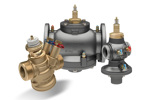
What Is A Pressure Independent Characterized Control Valve
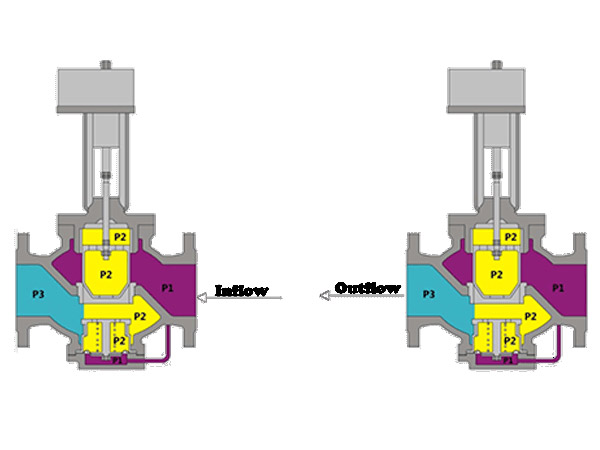
If you're diving into the world of home HVAC systems, especially hydronic (water-based) heating and cooling, you've likely stumbled across the term Pressure Independent Characterized Control Valve (PICCV). It sounds technical, and frankly, it is a bit complex. However, understanding the basics can empower you to troubleshoot issues, communicate effectively with HVAC professionals, and potentially even handle some minor repairs yourself. This article will break down PICCVs, their function, common problems, and when it's time to call in the experts.
What Exactly is a PICCV?
At its core, a PICCV is a type of control valve used in HVAC systems, particularly in systems with variable flow rates. Its primary function is to maintain a consistent flow of water (or other fluid) to a heating or cooling coil, regardless of pressure fluctuations in the system. Think of it like a traffic cop for your HVAC water. Even when traffic (pressure) gets heavy or light, it ensures a steady stream of cars (water) gets through.
Let's dissect that definition:
- Pressure Independent: This is the key differentiator. Unlike traditional control valves, a PICCV isn't significantly affected by changes in water pressure within the HVAC system. These pressure changes can be caused by things like other zones opening or closing, pump variations, or even pipe restrictions.
- Characterized: The term "characterized" refers to the valve's internal design. This design is carefully engineered to provide a specific flow rate at different valve openings. This allows for precise control and optimizes the performance of the heating or cooling coil it serves.
- Control Valve: Essentially, it's a valve that automatically modulates (opens and closes) to control the flow of water. It receives instructions from a thermostat or building automation system.
Why Use a PICCV?
You might be wondering why HVAC systems would need such a specialized valve. The answer lies in optimizing energy efficiency and comfort.
- Improved Temperature Control: By maintaining a consistent flow rate, PICCVs ensure stable and accurate temperature control in individual zones or areas of your home. No more hot and cold spots!
- Energy Savings: Consistent flow means the system is working optimally, not over- or under-delivering heating or cooling. This translates to lower energy bills.
- Simplified System Balancing: Traditional HVAC systems require a complex process called "balancing" to ensure proper flow distribution. PICCVs greatly simplify, or even eliminate, the need for manual balancing.
- Reduced Pump Energy: In some cases, PICCVs can reduce the overall pressure requirements of the system, which can lead to lower pump energy consumption.
How Does a PICCV Work?
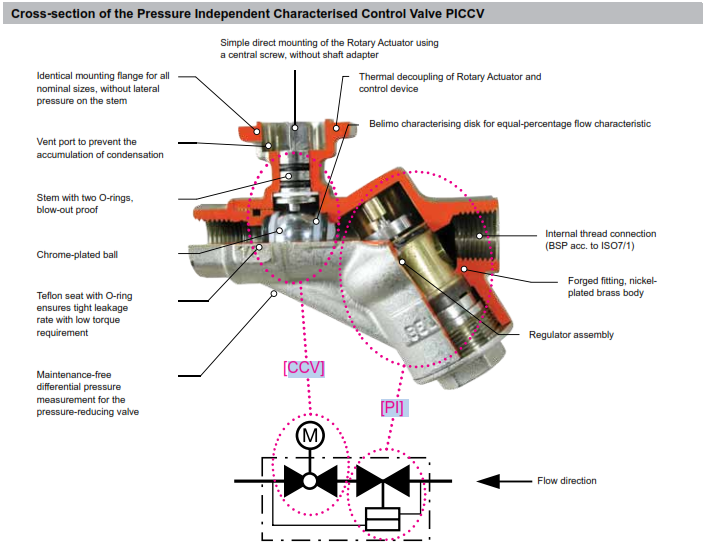
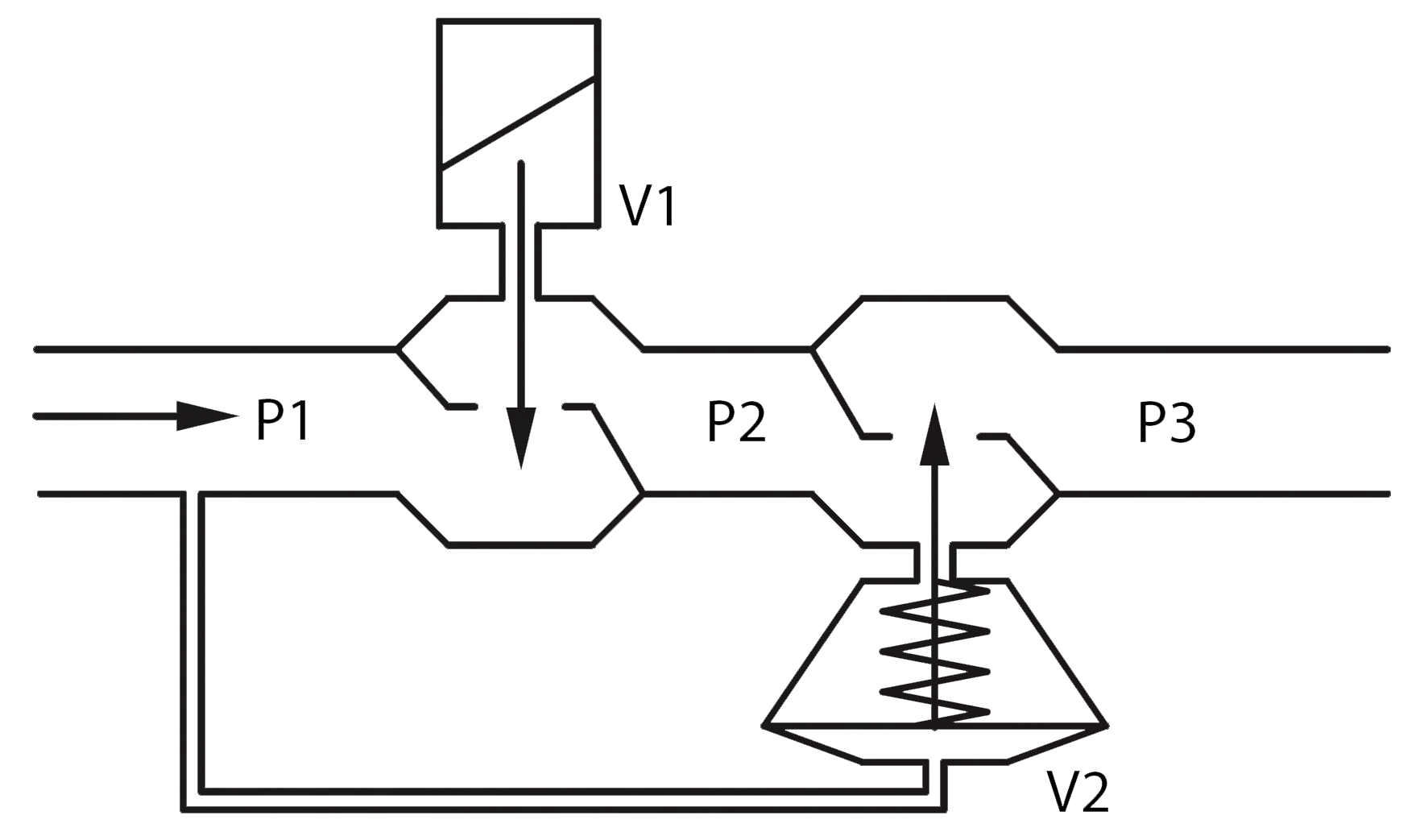

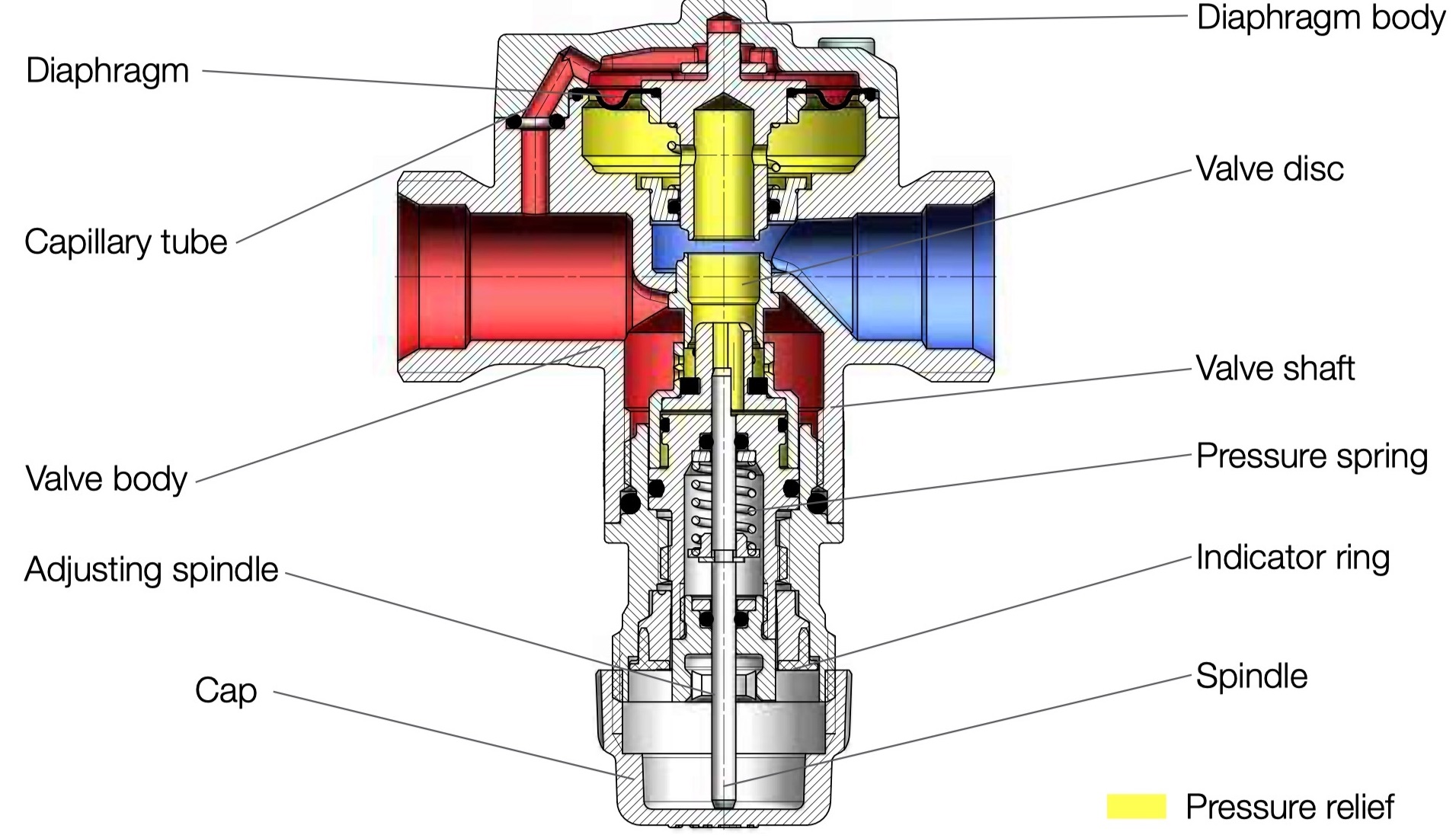
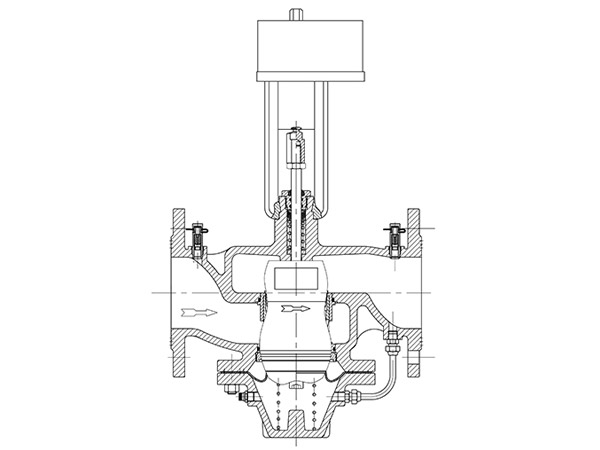
A PICCV typically consists of two main components:
- Control Valve: This is the part that opens and closes to regulate flow. It's controlled by an actuator, which is usually electric or pneumatic.
- Differential Pressure Controller: This component maintains a constant pressure drop across the control valve. This ensures that the flow rate through the valve remains consistent, even when the overall system pressure changes.
The differential pressure controller automatically adjusts the valve opening to compensate for pressure fluctuations. This ensures that the desired flow rate is maintained, regardless of what's happening elsewhere in the system.
Common PICCV Problems and Troubleshooting
Like any mechanical device, PICCVs can experience problems. Here are some common issues and troubleshooting steps you can take:
Symptom: Zone Not Heating or Cooling Properly
- Possible Cause: Valve is stuck or not opening/closing correctly.
- Troubleshooting:
- Check the Actuator: Is the actuator receiving power? Is it properly connected to the valve? Many actuators have a manual override; try using it to see if the valve moves freely.
- Inspect the Valve Body: Look for any signs of damage or corrosion.
- Verify the Setpoint: Ensure the setpoint on the thermostat or building automation system is correct.
- Check for Air in the System: Air pockets can impede flow. Bleed the system if necessary (see safety precautions below).
- When to Call a Professional: If the actuator is confirmed to be functioning, but the valve still isn't moving, it's likely an internal mechanical issue requiring professional diagnosis and repair.
Symptom: Leaking Valve
- Possible Cause: Worn seals or corrosion.
- Troubleshooting:
- Inspect the Valve Body and Connections: Look for visible leaks. Tighten connections if necessary (but don't overtighten!).
- Check for Corrosion: Corrosion can damage seals and cause leaks.
- When to Call a Professional: Leaks can worsen quickly and cause significant water damage. Call a professional immediately to assess the situation and repair or replace the valve. Do not attempt to repair a leaking valve yourself unless you are absolutely certain you can safely isolate the water supply and have the necessary skills and tools.
Symptom: Noisy Valve
- Possible Cause: Cavitation (formation of vapor bubbles in the water due to pressure changes) or excessive flow velocity.
- Troubleshooting:
- Check System Pressure: Ensure the system pressure is within the recommended range.
- Inspect Piping: Look for any restrictions or sharp bends in the piping near the valve.
- Consider Pump Speed: If the pump speed is too high, it can cause excessive flow velocity.
- When to Call a Professional: Noisy valves can indicate a more serious underlying problem with the system. A professional can diagnose the cause of the noise and recommend appropriate solutions.
Symptom: Inconsistent Temperature Across Multiple Zones
- Possible Cause: Incorrect PICCV sizing or configuration.
- Troubleshooting:
- Verify Valve Sizing: Ensure the PICCVs are properly sized for the specific heating or cooling coils they serve.
- Check System Design: Review the original system design to ensure the PICCVs are configured correctly.
- When to Call a Professional: PICCV sizing and system design are complex topics. A professional HVAC engineer or technician is best equipped to diagnose and resolve these issues.
Tools and Parts You Might Need (For Simple Troubleshooting)
Warning: Working with HVAC systems involves potential hazards, including electrical shock, scalding water, and exposure to refrigerant. If you are not comfortable working with these hazards, call a qualified professional. Always turn off power and water supply to the system before attempting any repairs.
- Multimeter (to check electrical continuity)
- Adjustable Wrench
- Screwdrivers (various sizes)
- Pliers
- Bleeding Key (for hydronic systems)
- Safety Glasses
- Gloves
- Replacement Actuator (if needed, ensure it's compatible with your valve)
Safety Precautions
- Always turn off the power to the HVAC system at the breaker box before working on any electrical components.
- Allow hot components to cool down before touching them.
- When bleeding air from a hydronic system, be careful of hot water spraying out. Wear safety glasses and gloves.
- If you are unsure about any aspect of the repair, call a qualified HVAC professional.
When to Call a Professional HVAC Technician
While some basic troubleshooting steps can be performed by homeowners, it's crucial to know when to call in a professional. Here are some situations that warrant professional assistance:
- Any electrical work beyond checking basic connections.
- Refrigerant leaks or repairs. Handling refrigerant requires specialized equipment and training.
- Major plumbing repairs involving cutting or soldering pipes.
- Internal valve repairs or replacements.
- System balancing or design issues.
- You are uncomfortable or unsure about any aspect of the repair.
Estimated Repair Costs
Repair costs for PICCV-related issues can vary widely depending on the problem, the complexity of the system, and your location. Here are some rough estimates:
- Actuator Replacement: $150 - $500 (parts and labor)
- PICCV Replacement: $300 - $1000 (parts and labor)
- Leak Repair: $200 - $800 (parts and labor, depending on the severity and location of the leak)
- Troubleshooting and Diagnosis: $75 - $150 per hour (labor)
These are just estimates. Always get a written quote from a qualified HVAC contractor before proceeding with any repairs.
Conclusion
Understanding the function and troubleshooting of a Pressure Independent Characterized Control Valve can empower you to maintain your HVAC system more effectively. While some minor issues can be addressed with DIY troubleshooting, it's crucial to prioritize safety and call a qualified professional for complex repairs. By being informed and proactive, you can ensure your HVAC system operates efficiently and keeps your home comfortable for years to come.