What Is A Return Air Duct
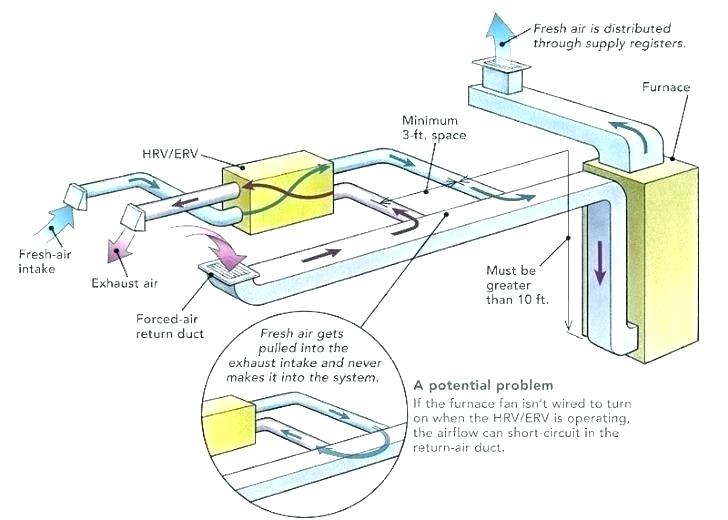
One of the most frustrating problems homeowners face is inconsistent heating or cooling. You might find one room freezing while another is sweltering. While there are many potential causes, a frequently overlooked culprit is a poorly functioning return air duct system. But what exactly is a return air duct, and how can you troubleshoot common issues?
This article will guide you through understanding your return air system, identifying potential problems, and performing simple DIY fixes. We'll also point out when it's time to call in a professional HVAC technician.
Understanding Your Return Air System
Before we dive into troubleshooting, let's clarify what a return air duct is and its crucial role in your home's HVAC (Heating, Ventilation, and Air Conditioning) system.
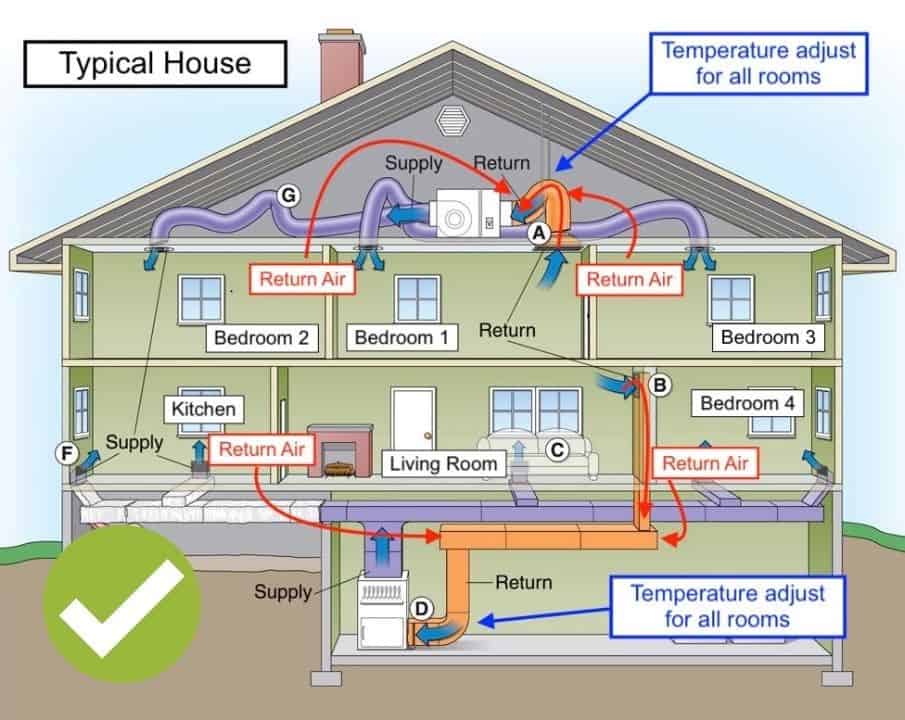
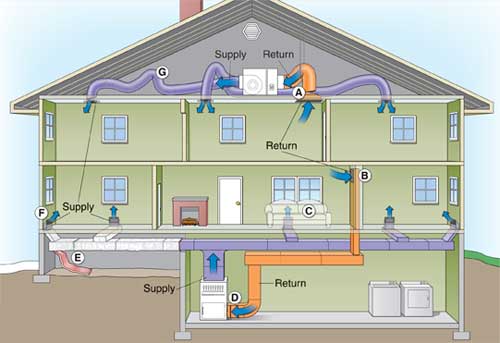
Think of your HVAC system like your lungs. The supply ducts are like the windpipe, delivering conditioned air (heated or cooled) into your rooms. The return air ducts are like the veins, collecting air from your rooms and bringing it back to the furnace or air conditioner to be reconditioned. Without a properly functioning return air system, your HVAC unit is essentially trying to blow air into a closed balloon – inefficient and ultimately ineffective.
In simpler terms:
- Supply Ducts: Deliver heated or cooled air to your rooms.
- Return Ducts: Suck air from your rooms back to the HVAC unit.
The return air system typically consists of:
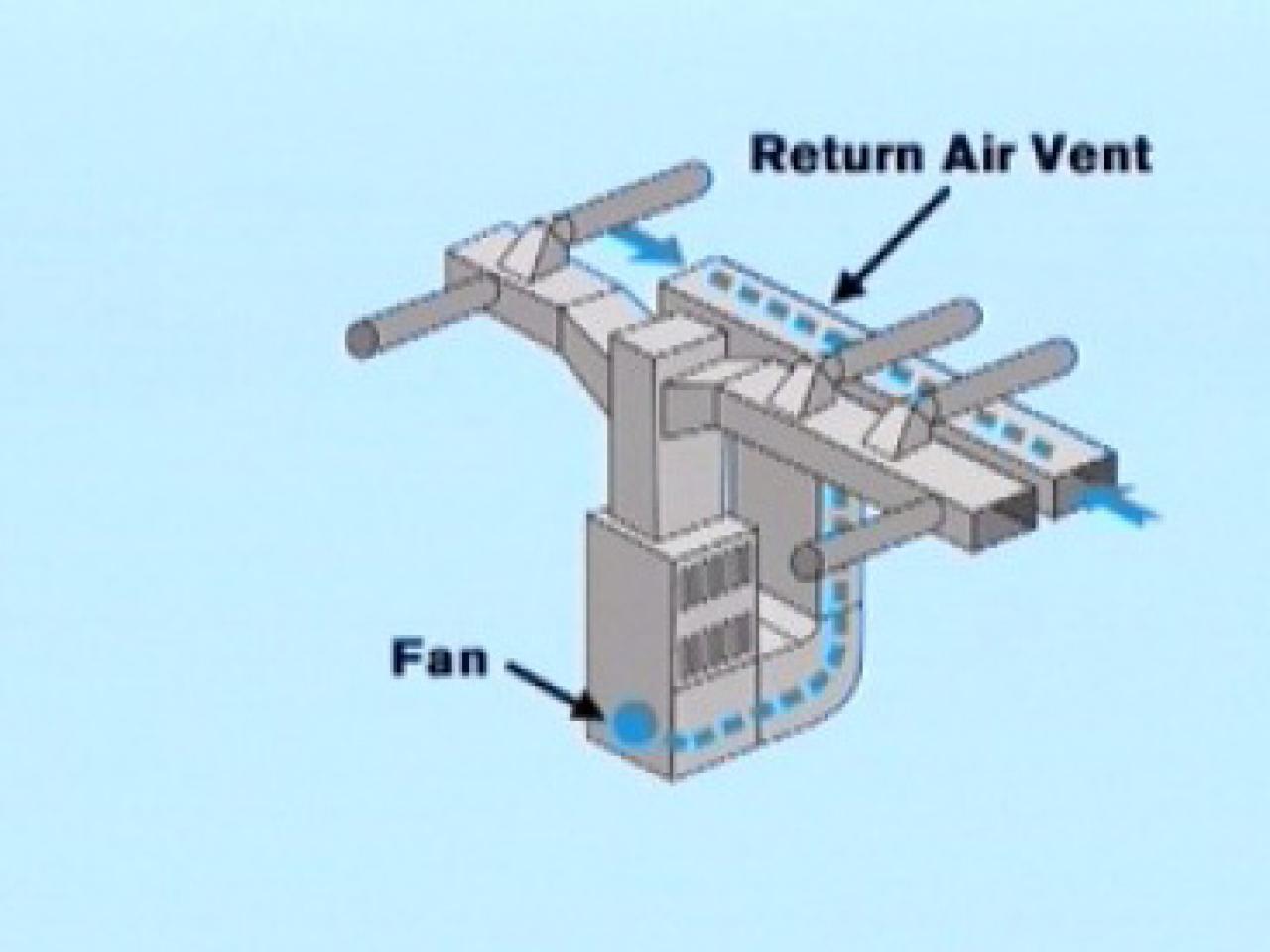
- Return Air Grilles/Registers: These are the vents, usually larger than supply vents, that you see on walls or ceilings. They're designed to draw air in.
- Return Air Ducts: These are the sheet metal or flexible ducts that connect the return air grilles to the air handler unit (the part of your HVAC system that contains the blower fan and filter).
- Return Air Plenum: This is a central collection point, often a large metal box near the air handler, where the return air from multiple ducts converges.
A properly functioning return air system ensures balanced airflow throughout your home, contributing to consistent temperatures, improved air quality, and reduced energy consumption. A malfunctioning system can lead to:
- Uneven heating and cooling
- Increased energy bills
- Strain on your HVAC equipment
- Poor air quality
Troubleshooting Common Return Air Duct Problems
Now that you understand the basics, let's address some common problems you might encounter with your return air system.
1. Blocked or Obstructed Return Air Grilles
Problem: This is perhaps the most common issue. Furniture, rugs, curtains, or even dust buildup can block airflow to the return air grilles.
Diagnosis: Visually inspect all your return air grilles. Are they obstructed in any way? Place your hand near the grille. Can you feel a strong airflow being pulled in?
DIY Fix:
- Clear Obstructions: Move furniture, rugs, or curtains away from the grilles. Aim for at least a foot of clearance.
- Clean the Grilles: Use a vacuum cleaner with a brush attachment to remove dust and debris from the grille surface. You can also remove the grille cover and wash it with soap and water. Ensure it's completely dry before replacing it.
2. Leaky or Disconnected Return Air Ducts
Problem: Leaks in the ductwork allow conditioned air to escape and pull in unconditioned air from attics, crawl spaces, or other unconditioned areas. This drastically reduces the efficiency of your system and can introduce pollutants into your home.
Diagnosis:
- Visual Inspection: Locate your return air ducts. This may involve crawling through your attic, basement, or crawl space. Look for any visible tears, holes, or disconnections in the ductwork. Safety First: Wear gloves, a mask, and eye protection during this process.
- Feel for Air Leaks: With your HVAC system running, carefully run your hand along the seams and joints of the ductwork. Can you feel air escaping?
- Smoke Test (Use with Extreme Caution): Light an incense stick or a small piece of paper (carefully controlled and away from flammable materials) near the ductwork. Observe the smoke. If it's drawn towards a specific area, it indicates a leak.
DIY Fix (For minor leaks only):
- Clean the Area: Before sealing any leaks, clean the area around the leak with a damp cloth to remove dust and debris.
- Use Duct Tape (Temporary Fix): For small tears or holes, you can use metal duct tape (not cloth-based duct tape, which will degrade quickly). Apply the tape firmly and ensure it covers the entire leak.
- Use Mastic Sealant (Better Option): For larger gaps or disconnections, use mastic sealant. Apply a generous layer of mastic to the joint or gap and allow it to dry completely. Mastic is available at most hardware stores.
Important Note: Duct tape is a temporary fix. Mastic sealant is a more durable solution. For significant damage or large-scale leaks, professional repair is recommended.
3. Undersized or Insufficient Return Air Ducts
Problem: Sometimes, the return air duct system simply isn't large enough to handle the airflow requirements of the HVAC system. This is a common issue in older homes that have had HVAC systems upgraded without upgrading the ductwork.
Diagnosis: This can be difficult to diagnose without specialized equipment. However, you might suspect this issue if:
- Your HVAC system runs constantly.
- You experience significant temperature differences between rooms.
- Your system seems to be working harder than it should.
- You hear a whistling or strained sound coming from the return air grilles.
DIY Fix: Unfortunately, there's no easy DIY fix for this problem. Adding or replacing ductwork is a complex process that requires professional expertise.
4. Dirty or Clogged Air Filter
Problem: A dirty air filter restricts airflow to the HVAC system, impacting both the supply and return sides. This reduces efficiency and can damage your equipment.
Diagnosis: Visually inspect your air filter. If it's visibly dirty, clogged with dust, or significantly discolored, it needs to be replaced.
DIY Fix:
- Locate Your Air Filter: It's typically located near the air handler unit, either in a slot or behind a panel.
- Remove the Old Filter: Note the direction of airflow on the old filter (there's usually an arrow).
- Install a New Filter: Install a new filter of the same size and type, ensuring the airflow arrow points in the correct direction.
- Set a Replacement Schedule: Replace your air filter every 1-3 months, depending on the type of filter and the air quality in your home.
5. Closed or Partially Closed Interior Doors
Problem: This might seem counterintuitive, but closed doors can significantly impact airflow and pressure within your home, hindering the effectiveness of your return air system. When doors are closed, particularly to bedrooms or other enclosed spaces, the return air system struggles to draw air effectively from those rooms. This creates pressure imbalances and can lead to uneven heating and cooling.
Diagnosis: Think about which rooms consistently feel hotter or colder than others. Are the doors to those rooms usually closed?
DIY Fix:
- Ensure Adequate Airflow: If possible, keep interior doors slightly ajar (at least an inch or two). This allows air to circulate more freely between rooms.
- Consider Undercutting Doors: If keeping doors open isn't practical, consider undercutting them. This involves trimming the bottom of the door to create a gap for airflow. A general rule of thumb is to aim for a gap of about 1/2 to 1 inch. However, be mindful of soundproofing and privacy considerations.
- Install Transfer Grilles: Transfer grilles are small vents installed in walls or doors that allow air to pass through. They're a more aesthetically pleasing solution than undercutting doors, but they require more installation effort.
When to Call a Professional
While many return air duct problems can be addressed with simple DIY fixes, some issues require the expertise of a qualified HVAC technician. Here are some situations where professional intervention is necessary:
- Significant Duct Damage: If you find large tears, holes, or collapsed sections of ductwork, professional repair or replacement is required.
- Undersized or Insufficient Ductwork: Determining the proper size of your ductwork and making necessary modifications requires specialized knowledge and equipment.
- Mold Growth: If you suspect mold growth in your ductwork, do not attempt to clean it yourself. Mold can be hazardous to your health and requires professional remediation.
- Complex Ductwork Systems: If your ductwork is complex or difficult to access, it's best to leave repairs to the professionals.
- Unsure of the Problem: If you've tried the DIY troubleshooting steps and are still unable to identify the problem, it's time to call a professional.
Benefits of Professional HVAC Service:
- Accurate Diagnosis: Professionals have the experience and equipment to accurately diagnose the problem.
- Proper Repair: They can perform repairs or replacements that meet industry standards and ensure optimal performance.
- Improved Efficiency: A properly functioning HVAC system will save you money on energy bills.
- Extended Equipment Lifespan: Regular maintenance and repairs can extend the lifespan of your HVAC equipment.
By understanding your return air duct system and performing simple maintenance and repairs, you can improve the efficiency of your HVAC system, reduce your energy bills, and create a more comfortable home. Remember to prioritize safety and when in doubt, call a professional!