What Is A Riser In Plumbing

Plumbing systems, often hidden behind walls and under floors, are intricate networks designed to deliver fresh water and remove wastewater. Understanding the different components of these systems can empower you to make informed decisions about maintenance, repairs, and even new installations. A crucial element in many plumbing setups is the riser. This guide will comprehensively explain what a riser is in plumbing, its different types, functions, and common materials used.
What is a Plumbing Riser?
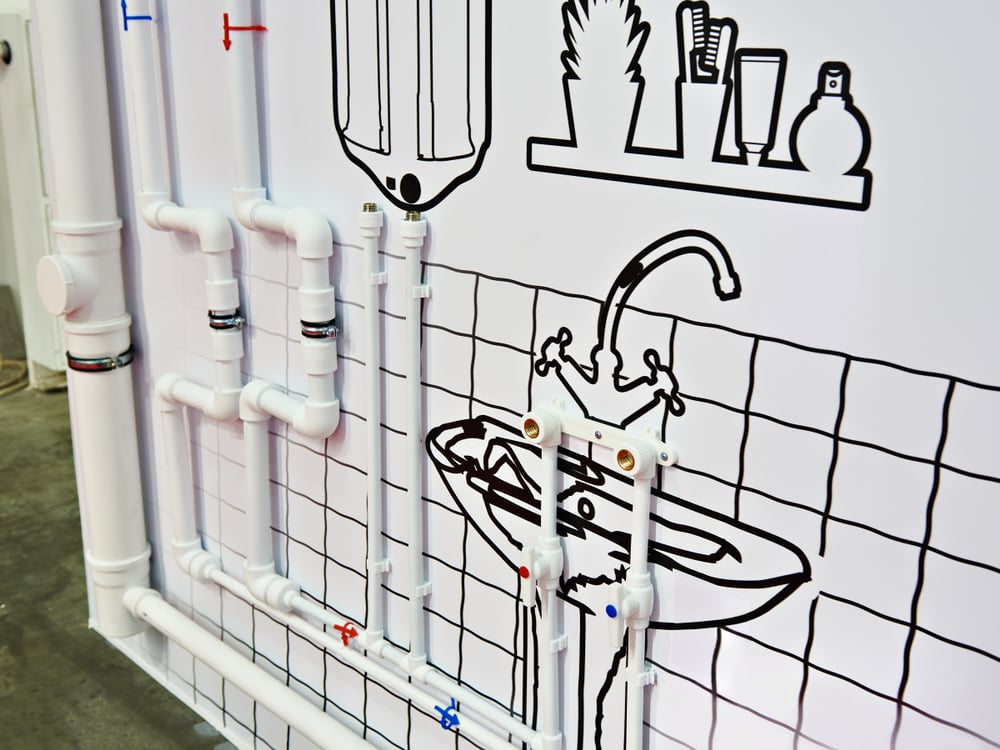
A plumbing riser is essentially a vertical pipe that transports water or waste between different levels of a building. Think of it as the backbone of the plumbing system, connecting horizontal branches and fixtures on various floors. It's the main artery for water supply and the primary pathway for waste removal in multi-story buildings.
Unlike horizontal pipes that typically run along walls or floors on a single level, risers extend vertically through walls or dedicated pipe chases, connecting different stories. They are critical for providing water and drainage to fixtures like sinks, toilets, showers, and appliances on each floor.
Functions of a Plumbing Riser
The core function of a riser is to facilitate the vertical transport of fluids. However, its specific purpose can be further categorized:
1. Water Supply Risers
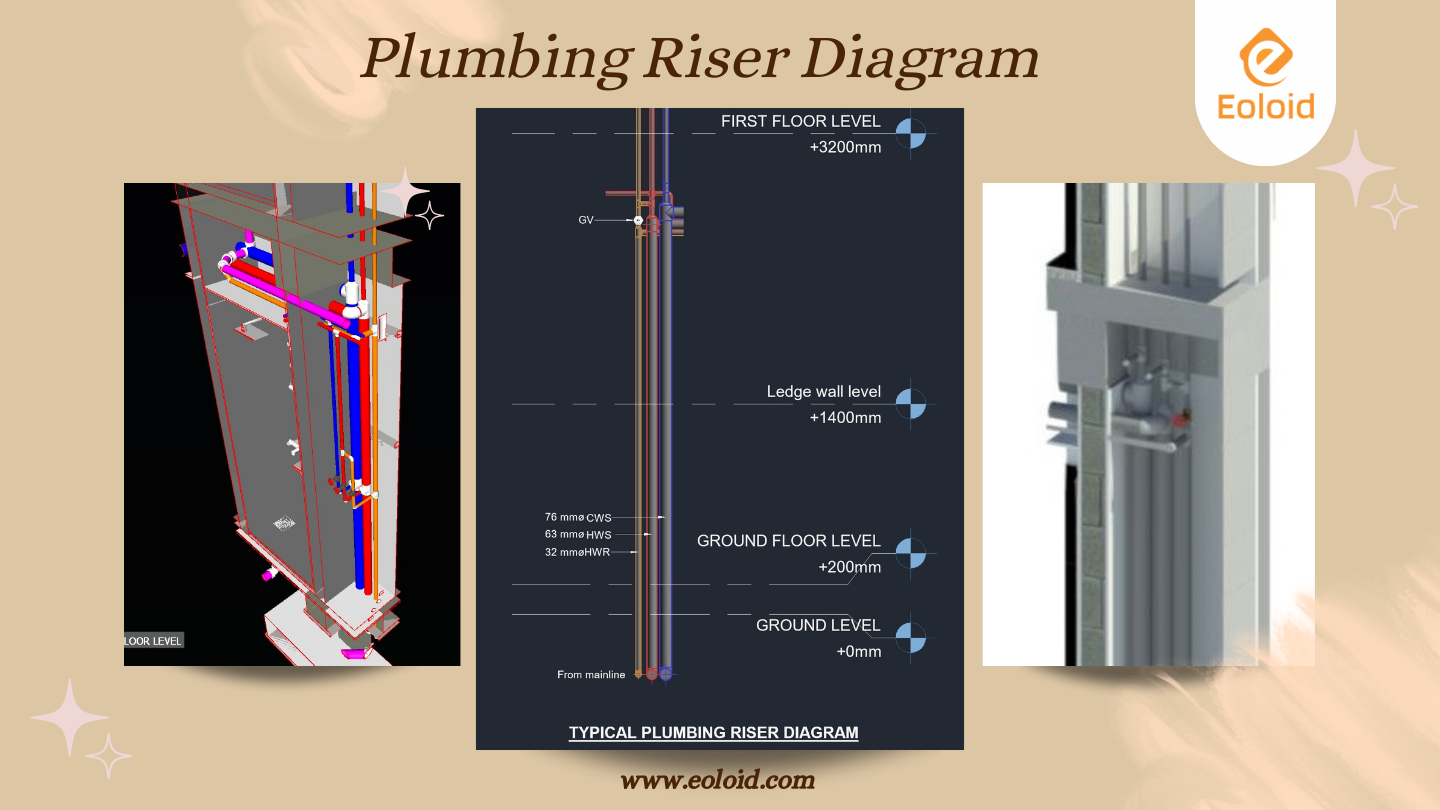
These risers bring fresh, potable water from the main water supply (usually located in the basement or at ground level) to the various fixtures throughout the building. They are pressurized to ensure water reaches all levels with adequate force.
2. Waste Risers (Drainage Risers)
Waste risers, also known as drainage risers or soil stacks, remove wastewater from fixtures on each floor. They carry water and sewage down to the main drain line, which then leads to the municipal sewer system or a septic tank. These risers are typically larger in diameter than water supply risers to accommodate the volume of waste.
3. Vent Risers
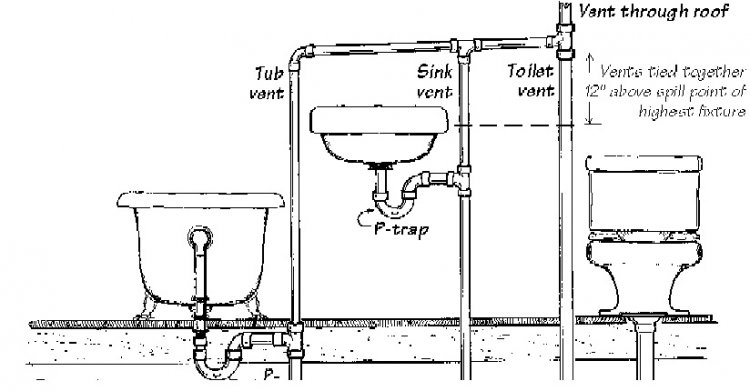
Vent risers are an essential, but often overlooked, part of the drainage system. They provide ventilation to the waste risers, allowing air to enter the system and prevent vacuums from forming. Vacuums can impede the flow of wastewater and potentially siphon water from fixture traps (the curved pipe under sinks), leading to unpleasant odors. Vent risers often connect to a vent stack, which extends above the roofline to allow for proper air circulation.
Types of Plumbing Risers
While all risers share the characteristic of being vertical pipes, they can be further categorized based on their specific function and the type of fluid they carry:
1. Cold Water Risers
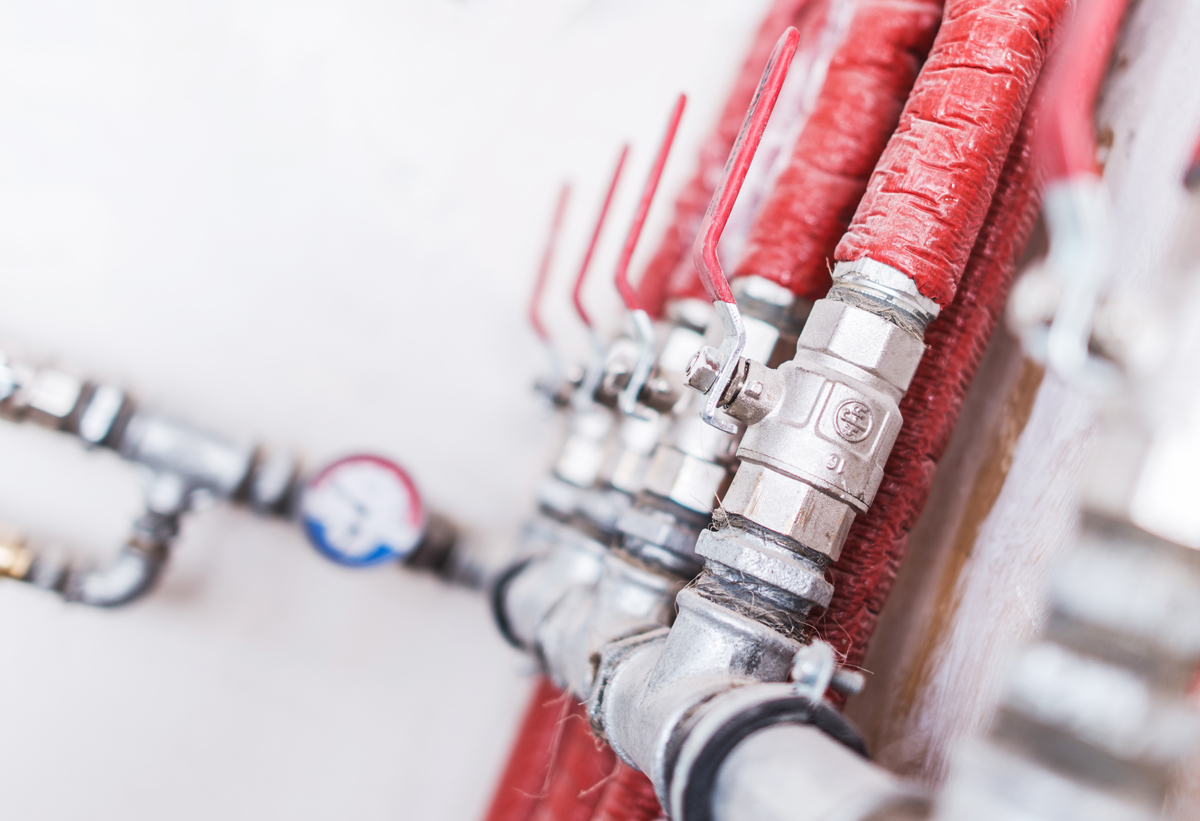
These risers supply cold water to fixtures. They are typically made of copper, PEX, or CPVC. Insulation may be required to prevent condensation and energy loss, especially in warm environments.
2. Hot Water Risers
Hot water risers transport heated water from the water heater to fixtures. They are also usually made of copper, PEX, or CPVC, but are designed to withstand higher temperatures. Insulation is crucial for hot water risers to minimize heat loss and improve energy efficiency.
3. Soil Stack (Main Waste Riser)
The soil stack is the primary waste riser that carries wastewater containing human waste (from toilets) down to the main drain. Because of the nature of the waste, soil stacks are subject to strict regulations and require careful installation.
4. Waste Stack (Secondary Waste Riser)
A waste stack is similar to a soil stack, but it carries wastewater that doesn't contain human waste (e.g., from sinks, showers, and washing machines). In some jurisdictions, soil stacks and waste stacks may be combined into a single riser.
5. Vent Stack Riser
As mentioned earlier, the vent stack riser provides ventilation to the drainage system. It prevents pressure imbalances that could disrupt the flow of wastewater and keeps traps from being siphoned dry. Vent stacks are often located near the soil stack or waste stack and extend through the roof.
Materials Used for Plumbing Risers
The choice of material for a plumbing riser depends on factors such as the type of fluid being transported, pressure requirements, temperature, local building codes, and budget. Common materials include:
1. Copper
Copper is a traditional and reliable material for water supply risers. It's durable, corrosion-resistant, and can withstand high temperatures and pressures. Copper pipes are typically joined by soldering or using compression fittings. However, copper is more expensive than other options and can be susceptible to theft.
2. PEX (Cross-linked Polyethylene)
PEX is a flexible plastic material that has become increasingly popular for water supply risers. It's relatively inexpensive, easy to install (using specialized crimp or expansion fittings), and resistant to corrosion. PEX is also freeze-resistant, making it a good choice for areas with cold climates. However, it's not suitable for all applications, especially those involving extremely high temperatures.
3. CPVC (Chlorinated Polyvinyl Chloride)
CPVC is another type of plastic that is similar to PVC but is designed to withstand higher temperatures. It's often used for hot water risers and is joined by solvent welding. CPVC is less expensive than copper but more rigid than PEX.
4. PVC (Polyvinyl Chloride)
PVC is a rigid plastic that is commonly used for drainage risers (waste and vent). It's inexpensive, lightweight, and resistant to corrosion. PVC pipes are joined by solvent welding. However, PVC is not suitable for hot water or potable water supply.
5. Cast Iron
Cast iron was historically used for drainage risers due to its durability and sound-dampening properties. While less common in new construction, it's still found in many older buildings. Cast iron is heavy, difficult to work with, and susceptible to corrosion over time.
6. ABS (Acrylonitrile Butadiene Styrene)
ABS is another type of plastic used for drainage risers. It's similar to PVC but is slightly more flexible and impact-resistant. ABS is often black in color and is joined by solvent welding. However, its use may be restricted in some jurisdictions due to concerns about fire safety.
Installation Considerations
Proper installation of plumbing risers is crucial for the overall performance and longevity of the plumbing system. Here are some key considerations:
1. Building Codes
Adherence to local building codes is essential. Codes specify requirements for pipe sizing, materials, venting, support, and fire safety. Failure to comply with codes can result in fines and safety hazards.
2. Pipe Sizing
Correct pipe sizing is critical for ensuring adequate water pressure and preventing drain blockages. The size of the riser depends on the number of fixtures it serves and the expected flow rate. Oversized pipes can be wasteful, while undersized pipes can cause pressure problems.
3. Support and Bracing
Risers must be properly supported and braced to prevent sagging, vibration, and damage. Supports should be spaced according to code requirements and made of materials compatible with the pipe material.
4. Insulation
Insulating hot and cold water risers is important for energy efficiency and preventing condensation. Insulation reduces heat loss in hot water pipes and prevents cold water pipes from sweating, which can lead to water damage and mold growth.
5. Fire Safety
In multi-story buildings, risers must be fire-stopped to prevent the spread of fire and smoke between floors. Firestopping involves sealing the openings around the pipes where they pass through walls and floors with fire-resistant materials.
6. Accessibility
While risers are often concealed behind walls, it's important to provide access for maintenance and repairs. Access panels or removable sections of drywall can make it easier to inspect and service the risers.
Common Problems with Plumbing Risers
Like any plumbing component, risers can experience problems over time. Common issues include:
1. Leaks
Leaks can occur at joints, fittings, or due to corrosion. Even small leaks can cause significant water damage if left unattended. Regular inspections can help identify and address leaks early on.
2. Corrosion
Corrosion can weaken pipes and lead to leaks. The type of corrosion depends on the pipe material and the water chemistry. Galvanic corrosion can occur when dissimilar metals are in contact, causing one metal to corrode more rapidly.
3. Blockages
Drainage risers can become blocked by debris, grease, or foreign objects. Blockages can cause backups and overflows. Regular cleaning and maintenance can help prevent blockages.
4. Freezing
In cold climates, water supply risers can freeze and burst if not properly insulated. Frozen pipes can cause extensive water damage when they thaw. Insulating pipes and taking precautions during cold weather can help prevent freezing.
5. Noise
Water hammer (a banging noise caused by sudden changes in water pressure) and noisy drainage can be annoying and disruptive. Properly supporting pipes and installing water hammer arrestors can help reduce noise.
Conclusion
Plumbing risers are an indispensable part of plumbing systems in multi-story buildings. They provide the vertical pathways for water supply, waste removal, and ventilation. Understanding the different types of risers, the materials used, and the installation considerations can help you maintain a healthy and efficient plumbing system. Regular inspections and prompt attention to any problems can prevent costly repairs and ensure the long-term performance of your plumbing risers.