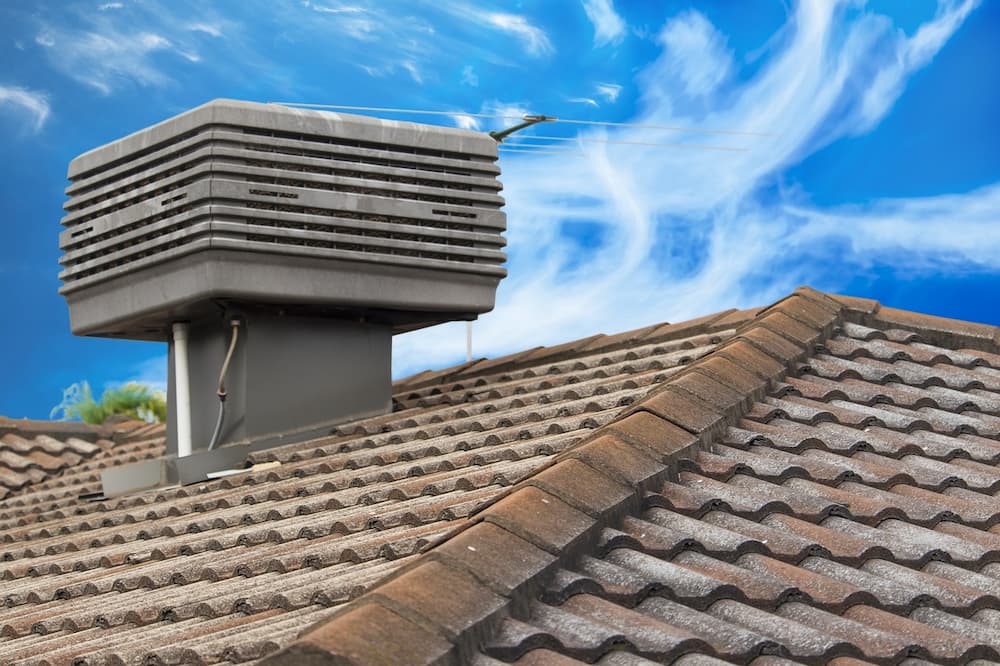
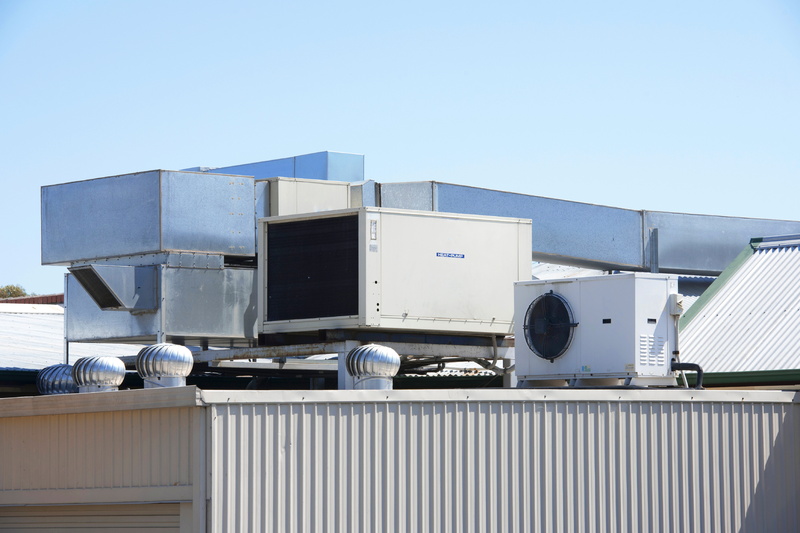
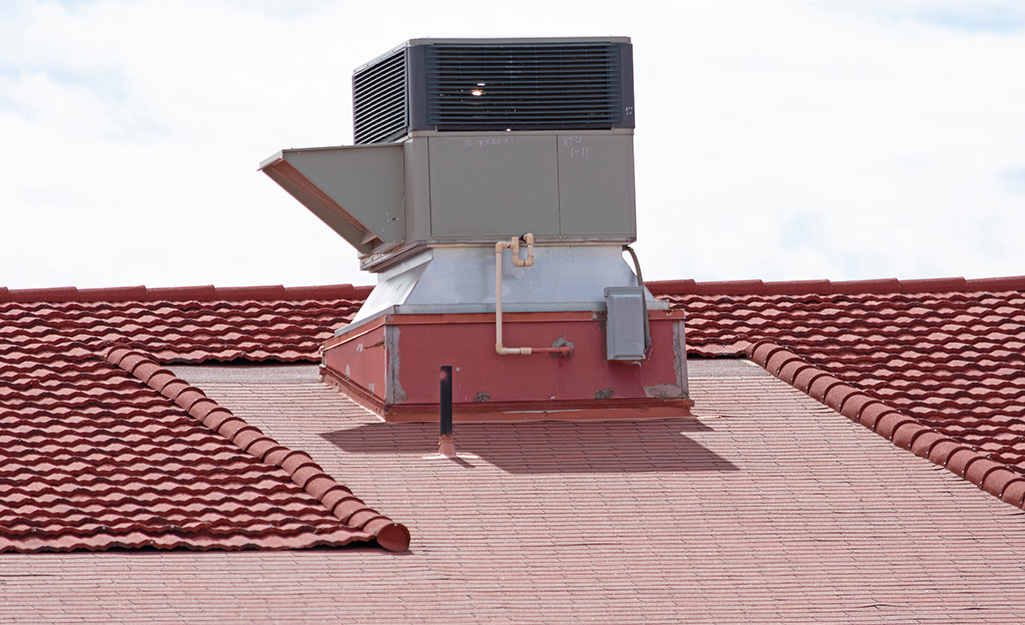
What Is A Rooftop Air Conditioner
Frequently Asked Questions About Rooftop Air Conditioners
What exactly is a rooftop air conditioner?
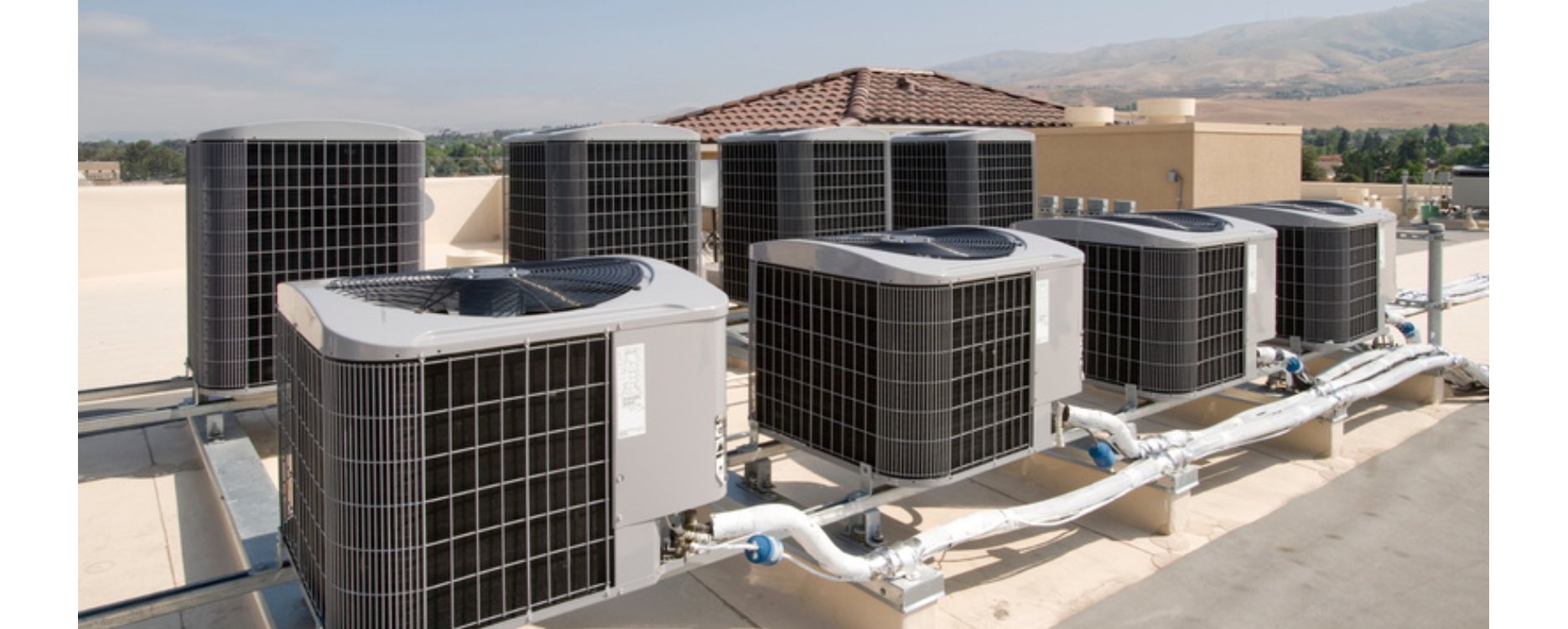
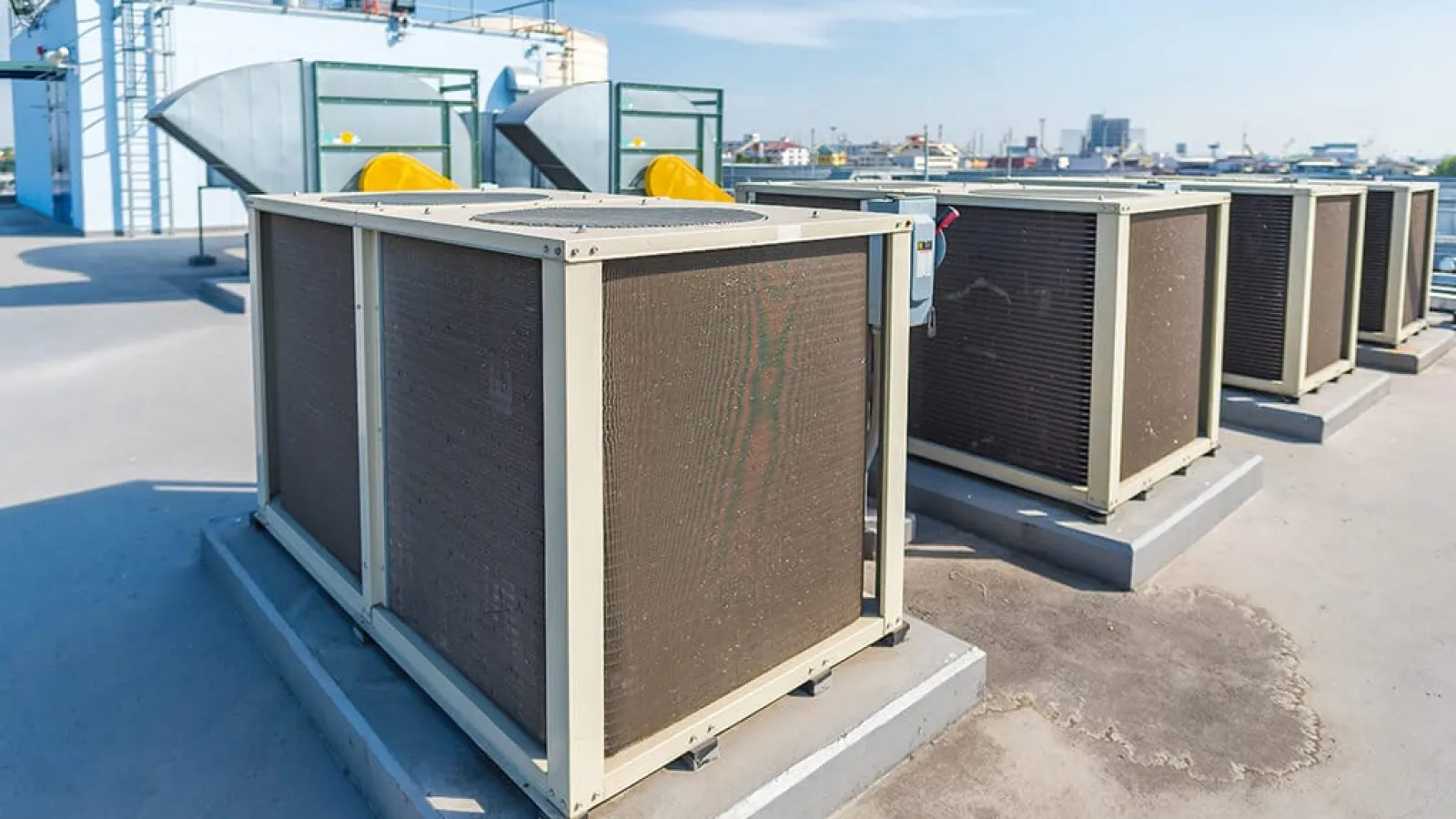
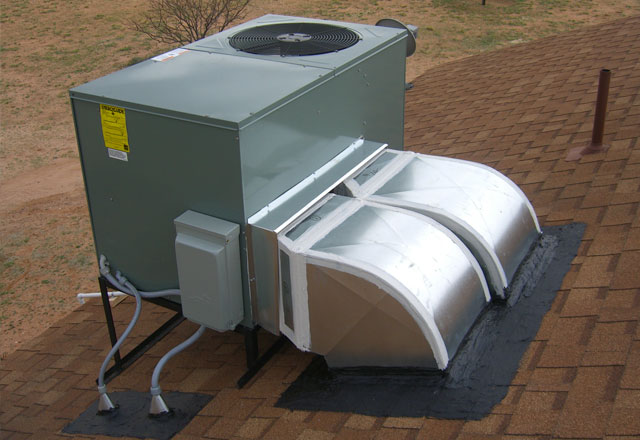
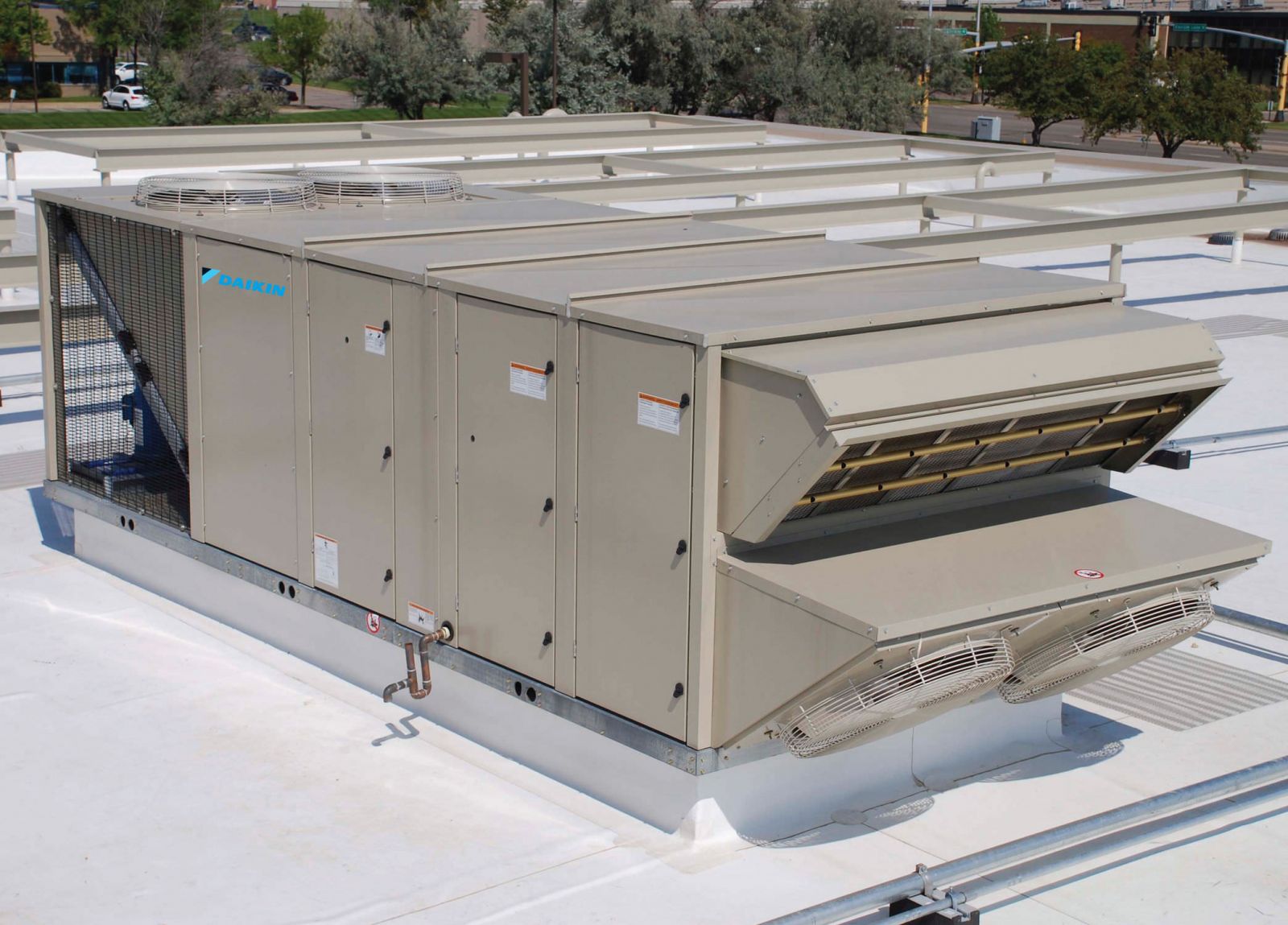
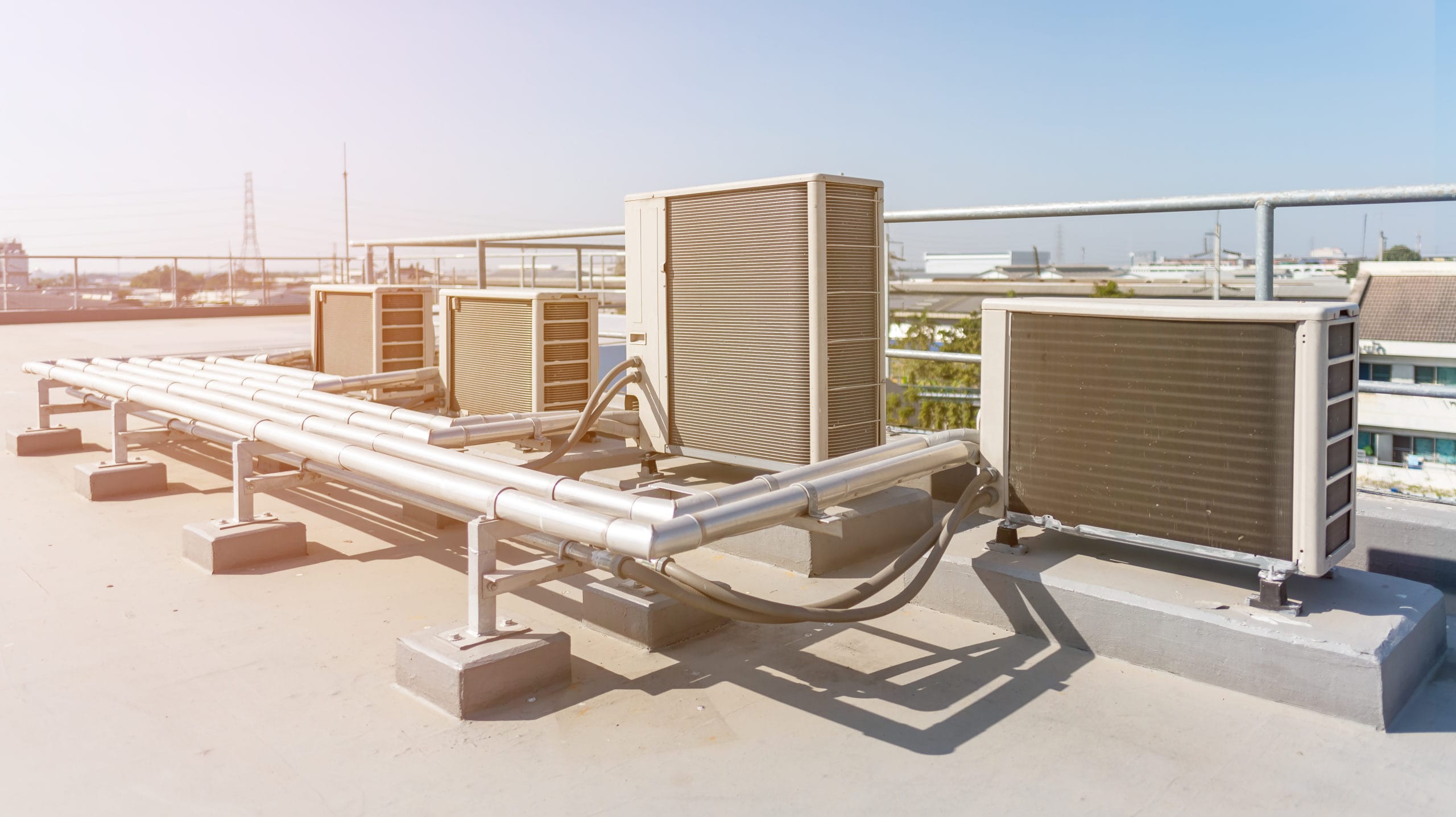
A rooftop air conditioner, also known as a packaged rooftop unit (RTU), is a self-contained heating and cooling system designed to be installed on the roof of a building. Unlike split systems that have indoor and outdoor components, an RTU houses all the necessary components – compressor, condenser, evaporator, blower, and controls – in one single unit.
Think of it as a giant window air conditioner, but much more powerful and designed for larger spaces. They are commonly used for commercial buildings, warehouses, schools, and even some residential buildings with flat roofs.
Why are rooftop air conditioners used instead of ground-level units?
There are several compelling reasons to opt for a rooftop air conditioner:
- Space Saving: Arguably the biggest advantage! By placing the unit on the roof, you free up valuable ground space that can be used for parking, landscaping, or other purposes.
- Security: Rooftop units are less accessible to vandals and thieves, providing enhanced security.
- Noise Reduction: The noise generated by the unit is less likely to disturb occupants since it's located away from living or working areas.
- Easier Maintenance: While it might seem counterintuitive, rooftop access can sometimes simplify maintenance. Technicians have unobstructed access around the unit.
- Air Quality: Rooftop units can draw air from higher elevations, often resulting in cleaner and fresher air intake compared to ground-level units near traffic or other pollutants.
What are the different types of rooftop air conditioners?
Rooftop air conditioners can be categorized based on their function and energy source:
- Cooling-Only Units: These units provide only air conditioning. They are suitable for climates where heating is not required or is provided by a separate system.
- Heating and Cooling Units (Heat Pumps): These are the most common type. They can both heat and cool a building, providing year-round climate control. They reverse the refrigerant flow to switch between heating and cooling modes.
- Gas Heating/Electric Cooling Units: These units use natural gas or propane for heating and electricity for cooling. They are often used in areas where gas is readily available and cost-effective.
- Electric Heating/Electric Cooling Units: These units use electricity for both heating and cooling. They are a good option in areas where gas is not available or is expensive. Electrical resistance coils are used for the heating element.
Beyond the function, they can also be classified by size and capacity, measured in tons. The right size will depend entirely on the square footage of the building and the climate you live in. Consult an HVAC professional to determine the appropriate tonnage for your needs.
How do I know what size rooftop air conditioner I need?
Determining the correct size of a rooftop air conditioner is crucial for efficient and effective climate control. An undersized unit will struggle to keep the building comfortable, while an oversized unit will cycle on and off frequently, leading to wasted energy and potential equipment damage. This is called short-cycling.
The best way to determine the appropriate size is to have an HVAC professional perform a load calculation. This calculation takes into account various factors, including:
- Square footage of the building: The larger the space, the more cooling capacity is needed.
- Climate: Hotter climates require larger units.
- Insulation levels: Well-insulated buildings require less cooling.
- Number of windows and doors: Windows and doors allow heat to enter the building.
- Occupancy: The number of people in the building affects the cooling load.
- Equipment and appliances: Heat-generating equipment adds to the cooling load.
- Building orientation: The direction the building faces affects solar heat gain.
A load calculation ensures that the unit is sized appropriately for the specific needs of the building. Don't rely on guesswork – invest in a professional assessment to avoid problems down the road.
What are the advantages and disadvantages of rooftop air conditioners?
As with any HVAC system, rooftop air conditioners have both advantages and disadvantages. Weighing these factors is important before making a decision.
Advantages:
- Space saving: As mentioned before, frees up ground space.
- Security: Less prone to vandalism and theft.
- Noise reduction: Reduces noise levels inside the building.
- Easier maintenance access (in some cases): Can provide unobstructed access for technicians.
- Improved air quality (potentially): Can draw cleaner air from higher elevations.
- Centralized location for ductwork: Simplifies ductwork design and installation.
Disadvantages:
- Higher upfront cost: Typically more expensive than split systems.
- Roof access required for maintenance: Requires safe access to the roof for technicians.
- Potential for roof leaks: Improper installation or maintenance can lead to roof leaks.
- Exposure to the elements: Exposed to harsh weather conditions, potentially shortening lifespan.
- Can be difficult to install: Requires specialized equipment and expertise.
- Difficult to monitor performance Harder to hear noises that indicate problems since it is outside and away from the core parts of the building.
How much does a rooftop air conditioner cost to install and maintain?
The cost of installing a rooftop air conditioner can vary widely depending on several factors:
- Size and capacity of the unit: Larger units cost more.
- Type of unit (cooling-only, heat pump, etc.): Heat pumps are generally more expensive.
- Complexity of the installation: Factors like ductwork modifications and roof access can impact the cost.
- Labor costs: Labor rates vary by region.
- Brand and model: Some brands are more expensive than others.
- Permitting and inspection fees: Local codes may require permits and inspections.
Generally, you can expect to pay significantly more for a rooftop unit than a comparable ground-level split system. It’s essential to get multiple quotes from reputable HVAC contractors to get an accurate estimate.
Maintenance costs include routine inspections, filter replacements, coil cleaning, and potential repairs. Regular maintenance can extend the lifespan of the unit and prevent costly breakdowns. It's advisable to have a preventative maintenance agreement with a qualified HVAC contractor. The cost of maintenance agreements will vary, but it is typically more cost effective to purchase the plan, rather than pay for parts and labor on each repair.
What are some tips for ensuring a long lifespan for my rooftop air conditioner?
To maximize the lifespan and efficiency of your rooftop air conditioner, follow these tips:
- Regular Maintenance: Schedule regular maintenance checks with a qualified HVAC technician. This includes inspecting and cleaning coils, checking refrigerant levels, and lubricating moving parts.
- Filter Replacement: Change air filters regularly (typically every 1-3 months). Dirty filters restrict airflow and reduce efficiency.
- Keep the Area Clear: Ensure that the area around the unit is free of debris, such as leaves, branches, and snow. These can obstruct airflow and damage the unit.
- Inspect Ductwork: Periodically inspect the ductwork for leaks or damage. Seal any leaks to prevent energy loss.
- Proper Insulation: Ensure that the ductwork is properly insulated to minimize heat gain or loss.
- Monitor Performance: Pay attention to the unit's performance. If you notice any unusual noises, reduced cooling capacity, or increased energy bills, contact an HVAC technician promptly.
- Professional Installation: Ensure that the unit is installed by a qualified HVAC contractor. Proper installation is crucial for optimal performance and longevity.
- Consider a Surge Protector: Protect the unit from power surges, which can damage sensitive components.
- Clean the Coils: The condenser and evaporator coils should be cleaned at least once a year. Dirty coils reduce efficiency and can lead to overheating.
- Monitor Refrigerant Levels: Low refrigerant levels can indicate a leak. Have a technician check the refrigerant levels and repair any leaks promptly.
By following these tips, you can help ensure that your rooftop air conditioner operates efficiently and reliably for many years to come, saving you money on energy bills and prolonging the life of your equipment.