What Is A Self Evaporative Condensate Unit
Understanding Self-Evaporative Condensate Units: A Homeowner's Guide
If you've ever noticed water dripping from your air conditioner or heat pump, you're likely dealing with condensate. All air conditioning systems produce condensate as they cool warm, humid air. This condensate needs to be managed, and one solution is the self-evaporative condensate unit. This article will explain what these units are, how they work, their pros and cons, and when you might need one.
What is Condensate and Why is it a Problem?
When your air conditioner cools warm, humid air, the moisture in the air condenses on the cold evaporator coil. This is the same process that forms water droplets on a cold glass on a humid day. This condensate needs to be drained away. If it's not, it can lead to:
- Water Damage: Leaks can damage walls, ceilings, and floors.
- Mold Growth: Standing water is a breeding ground for mold and mildew, which can cause health problems.
- Equipment Corrosion: Condensate can corrode metal components of your HVAC system, shortening its lifespan.
How Traditional Condensate Drains Work
Traditional systems use a condensate drain line to gravity-feed the water to a suitable drain. Typically, this line leads to a floor drain, a plumbing drain, or even outside. However, sometimes a gravity drain isn't feasible, especially in basements or interior spaces.
Enter the Self-Evaporative Condensate Unit
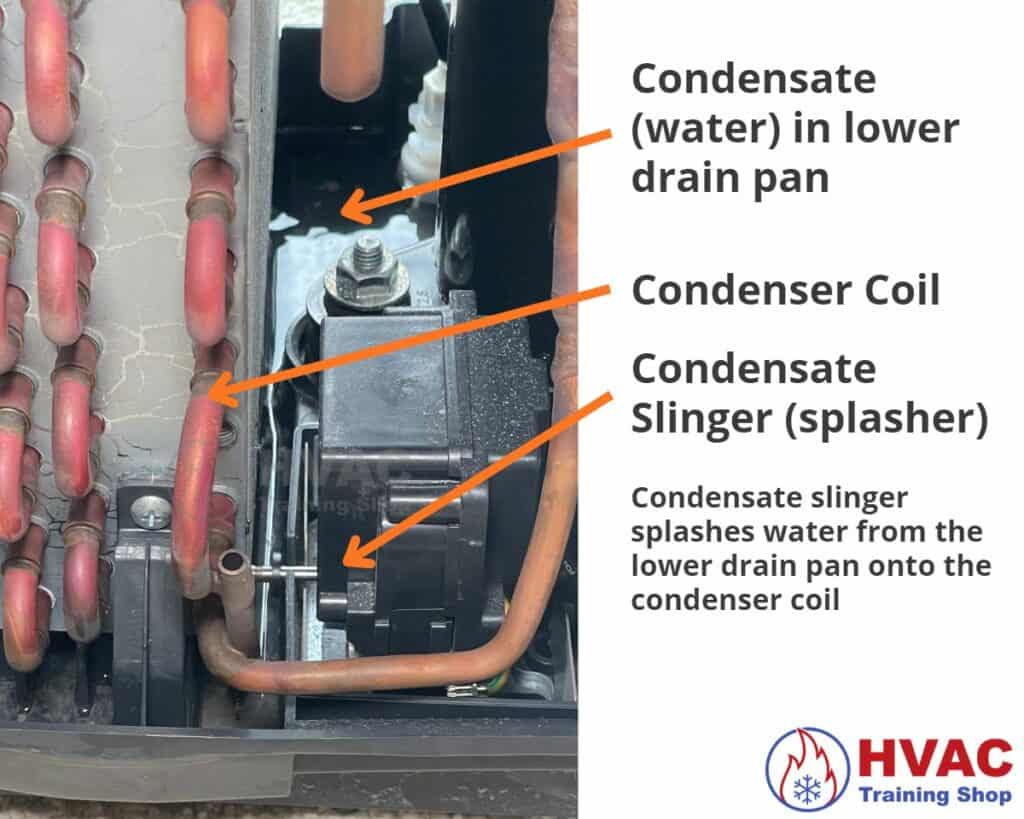
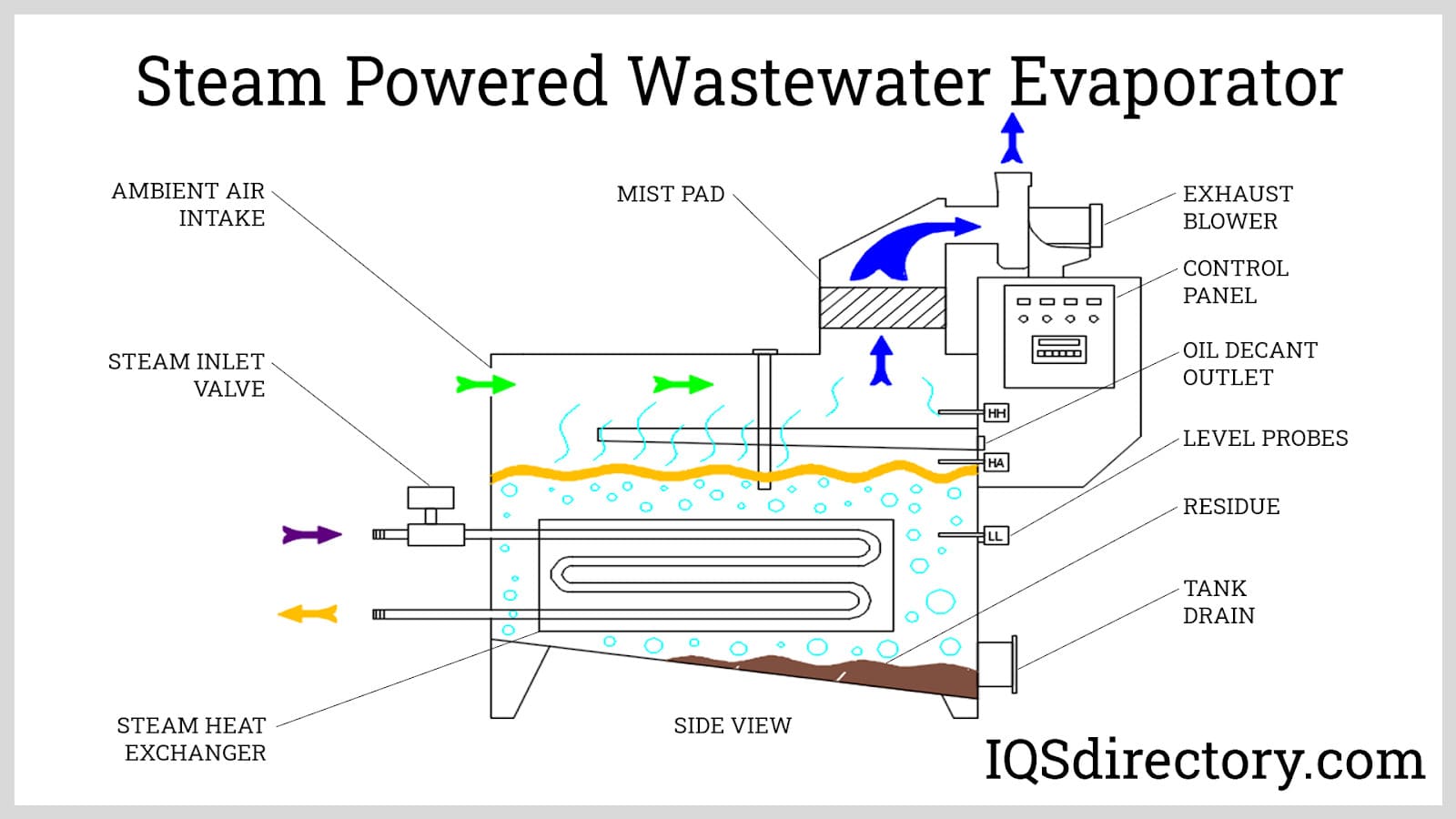
A self-evaporative condensate unit is a device designed to collect and evaporate the condensate produced by an air conditioner or heat pump. It's essentially a small container with a heating element and often a fan. Instead of relying on gravity to drain the water, it uses heat to turn the liquid water into vapor, which is then released into the surrounding air.
How Does a Self-Evaporative Unit Work?
The process is relatively straightforward:
- Condensate Collection: The condensate from the air conditioner or heat pump is routed into the unit's reservoir.
- Heating: A heating element inside the unit warms the water.
- Evaporation: The heat causes the water to evaporate, turning it into water vapor.
- Dispersion: A fan (in some models) helps to circulate the air and disperse the water vapor into the room. The slightly increased humidity is usually unnoticeable, especially in already air-conditioned spaces.
When Would You Need a Self-Evaporative Unit?
Self-evaporative units are particularly useful in situations where a gravity drain isn't practical or possible:
- Basements: If your air handler is located in a basement below the level of the sewer line, a gravity drain may not be possible without a condensate pump. A self-evaporative unit can be a simpler alternative.
- Interior Spaces: In buildings where running a drain line through walls or ceilings is difficult or aesthetically undesirable, a self-evaporative unit offers a clean solution.
- Portable Air Conditioners: Many portable air conditioners incorporate a self-evaporative system to eliminate the need for constant draining.
Pros and Cons of Self-Evaporative Units
Like any HVAC solution, self-evaporative units have their advantages and disadvantages:
Pros:
- Eliminates the need for a drain line: This simplifies installation and avoids potential drain line issues like clogs and leaks.
- Easy installation: Most units are relatively easy to install, requiring only a power outlet and connection to the condensate line.
- Reduced risk of water damage: By evaporating the condensate, the risk of leaks and water damage is minimized.
- Can be a cost-effective alternative: In some situations, a self-evaporative unit can be cheaper than installing a condensate pump and running a drain line.
Cons:
- Increased humidity: While the increase is usually negligible, it can contribute to slightly higher humidity levels in the room.
- Energy consumption: The heating element consumes electricity, adding to your energy bill.
- Maintenance: The unit needs to be cleaned periodically to prevent the build-up of mineral deposits and mold.
- Limited capacity: Self-evaporative units have a limited capacity. If your air conditioner produces a large amount of condensate, the unit may not be able to keep up.
- Potential for malfunction: Like any electrical appliance, self-evaporative units can malfunction. A faulty heating element or fan can render the unit ineffective.
Choosing the Right Self-Evaporative Unit
When selecting a self-evaporative unit, consider the following factors:
- Capacity: Choose a unit with a capacity that matches the amount of condensate your air conditioner produces.
- Size: Ensure the unit is small enough to fit in the available space.
- Features: Look for features like automatic shut-off, overflow protection, and a removable reservoir for easy cleaning.
- Energy efficiency: Consider the unit's energy consumption and choose a model with a low wattage rating.
- Noise level: Some units can be noisy, especially those with a fan. Look for a model with a low noise rating.
Maintenance Tips for Self-Evaporative Units
Proper maintenance is essential to keep your self-evaporative unit running smoothly and efficiently:
- Regular Cleaning: Clean the reservoir regularly to remove mineral deposits and prevent mold growth. Use a mild detergent and a soft brush.
- Check the Heating Element: Inspect the heating element periodically for signs of damage or corrosion.
- Clean the Fan: If your unit has a fan, clean it regularly to remove dust and debris.
- Inspect the Condensate Line: Ensure the condensate line is properly connected and free of clogs.
Troubleshooting Common Problems
Here are some common problems you might encounter with a self-evaporative unit and how to troubleshoot them:
- Unit Not Evaporating Water:
- Check if the unit is plugged in and receiving power.
- Inspect the heating element for damage. If damaged, replace it.
- Ensure the reservoir is not overfilled.
- Unit Overflowing:
- The unit might be undersized for the amount of condensate. Consider a larger unit.
- Check the condensate line for clogs.
- The float switch (if equipped) might be malfunctioning.
- Unit is Noisy:
- Check the fan for obstructions or damage.
- Ensure the unit is placed on a level surface.
DIY Repairs vs. Calling a Professional
Some basic maintenance and troubleshooting tasks, such as cleaning the unit or checking the condensate line, can be safely performed by homeowners. However, more complex repairs, such as replacing the heating element or diagnosing electrical issues, should be left to a qualified HVAC technician.
Safety First! Always disconnect the power to the unit before performing any maintenance or repairs.
Cost Considerations
The cost of a self-evaporative condensate unit can vary depending on its capacity, features, and brand. A small unit for a window air conditioner might cost around $50-$100, while a larger unit for a central air conditioner could cost $150-$300. Installation costs will vary depending on the complexity of the job. If you're hiring a professional, expect to pay an additional $50-$200 for labor. The cost of a replacement heating element typically ranges from $20 to $50, depending on the model. Remember to factor in the added cost of electricity for the heating element, even if it is a small additional expense.
Tools and Parts You Might Need
Here's a list of common tools and parts you might need when working with self-evaporative condensate units:
Tools:
- Screwdrivers (Phillips and flathead)
- Pliers
- Adjustable wrench
- Multimeter (for testing electrical components)
- Soft brush
- Shop vacuum
Parts:
- Replacement heating element
- Replacement fan
- Replacement float switch
- Condensate line tubing
- Condensate line connectors
- Mild detergent
When to Call a Professional
While some issues can be addressed with DIY repairs, it's crucial to know when to call a qualified HVAC technician. Here are some situations where professional help is recommended:
- Electrical Problems: If you suspect an electrical problem, such as a short circuit or a faulty wiring, do not attempt to fix it yourself. Electrical repairs can be dangerous and should only be performed by a licensed electrician or HVAC technician.
- Refrigerant Leaks: If you suspect a refrigerant leak, contact a qualified HVAC technician immediately. Refrigerant is a hazardous substance, and handling it requires specialized equipment and training.
- Complex Repairs: If you're not comfortable performing a particular repair, or if you're unsure how to proceed, it's always best to err on the side of caution and call a professional.
- System Performance Issues: If your air conditioner or heat pump is not cooling or heating properly, it could be a sign of a more serious problem. A qualified HVAC technician can diagnose the problem and recommend the appropriate solution.
By understanding what self-evaporative condensate units are, how they work, and how to maintain them, you can keep your HVAC system running smoothly and efficiently. Remember to prioritize safety and call a professional when needed.