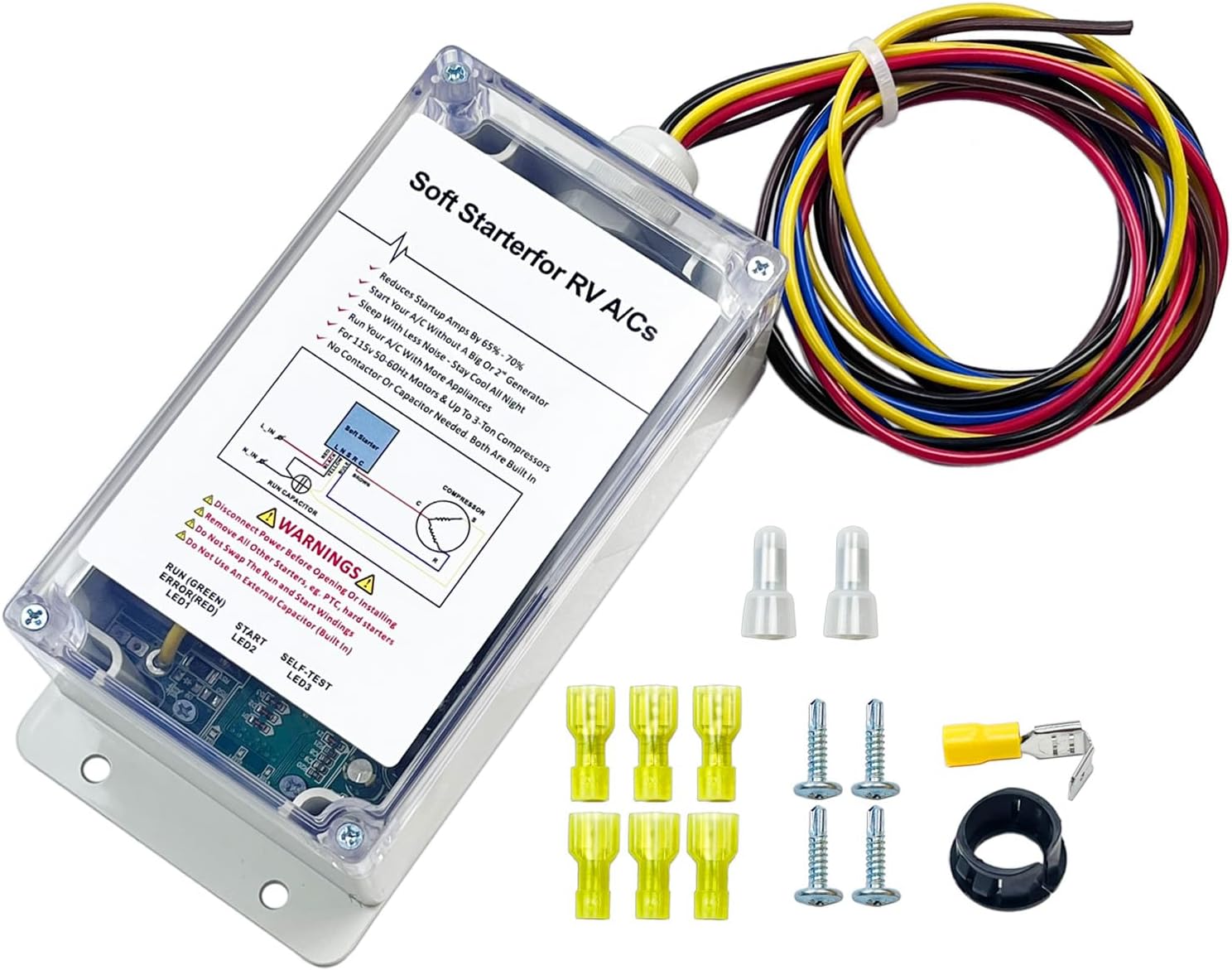
What Is A Soft Start Kit For Air Conditioner

Summer's here, and with it comes the dreaded energy bill. But what if your air conditioner is really struggling to start, causing your lights to flicker or even trip the breaker? You're not alone! Many homeowners experience this, and often, the culprit is the high initial current draw of the AC compressor. This is where a soft start kit can be a lifesaver.
Understanding the Problem: AC Start-Up Struggles
Air conditioners use a compressor, which is a motor that needs a lot of power to get going. When the compressor starts, it draws a significant surge of electricity, often several times its running current. This inrush current can overwhelm your electrical system, leading to:
- Flickering Lights: The sudden power demand can temporarily dim your lights.
- Tripped Breakers: The excessive current can overload the circuit breaker, causing it to trip and shut off power.
- Strain on Electrical System: Repeated hard starts can put stress on your wiring and other appliances.
- AC Compressor Wear: The hard starts can prematurely wear down the compressor, shortening its lifespan.
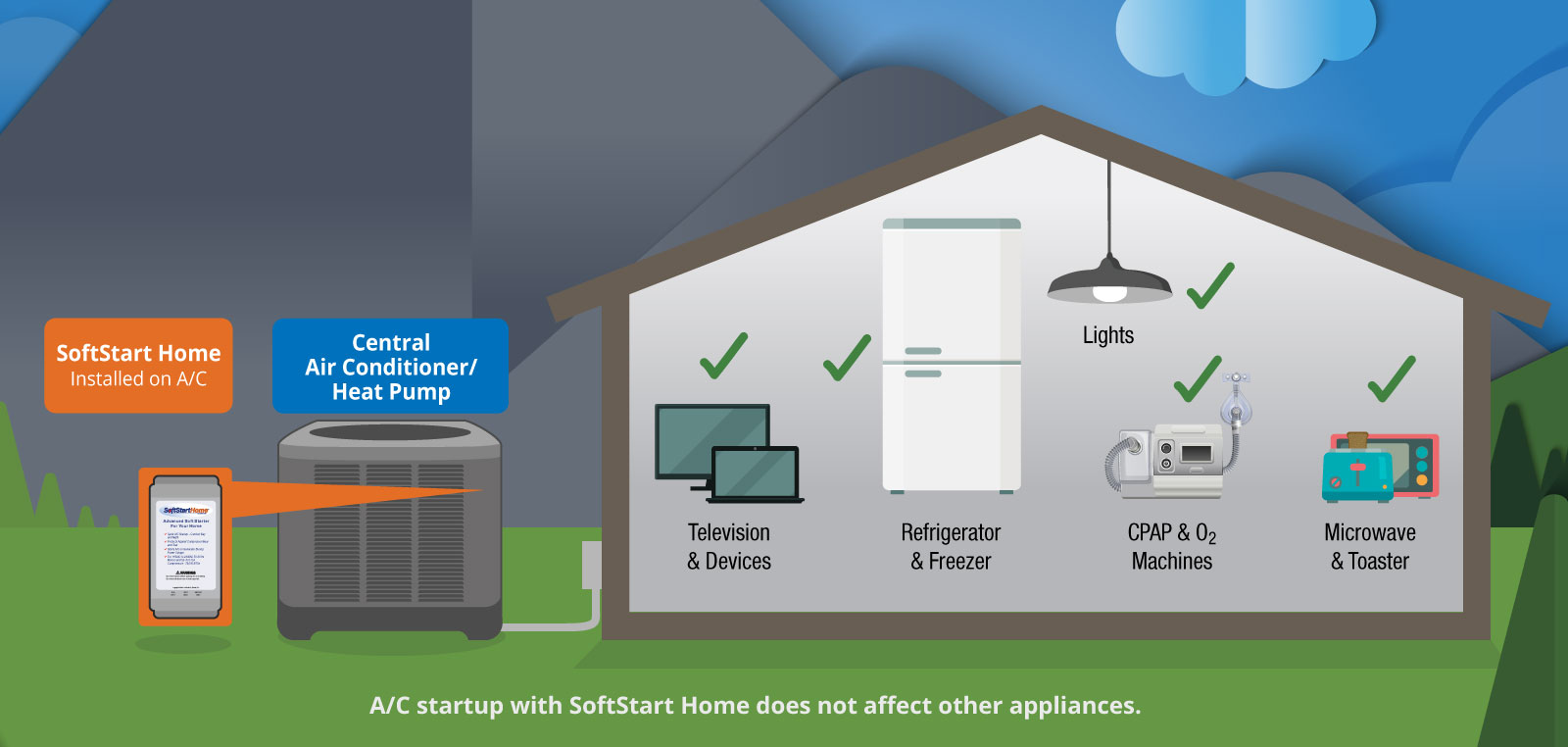
A soft start kit is designed to mitigate these problems by gradually increasing the voltage to the compressor during startup, thus reducing the inrush current.
What Is a Soft Start Kit?
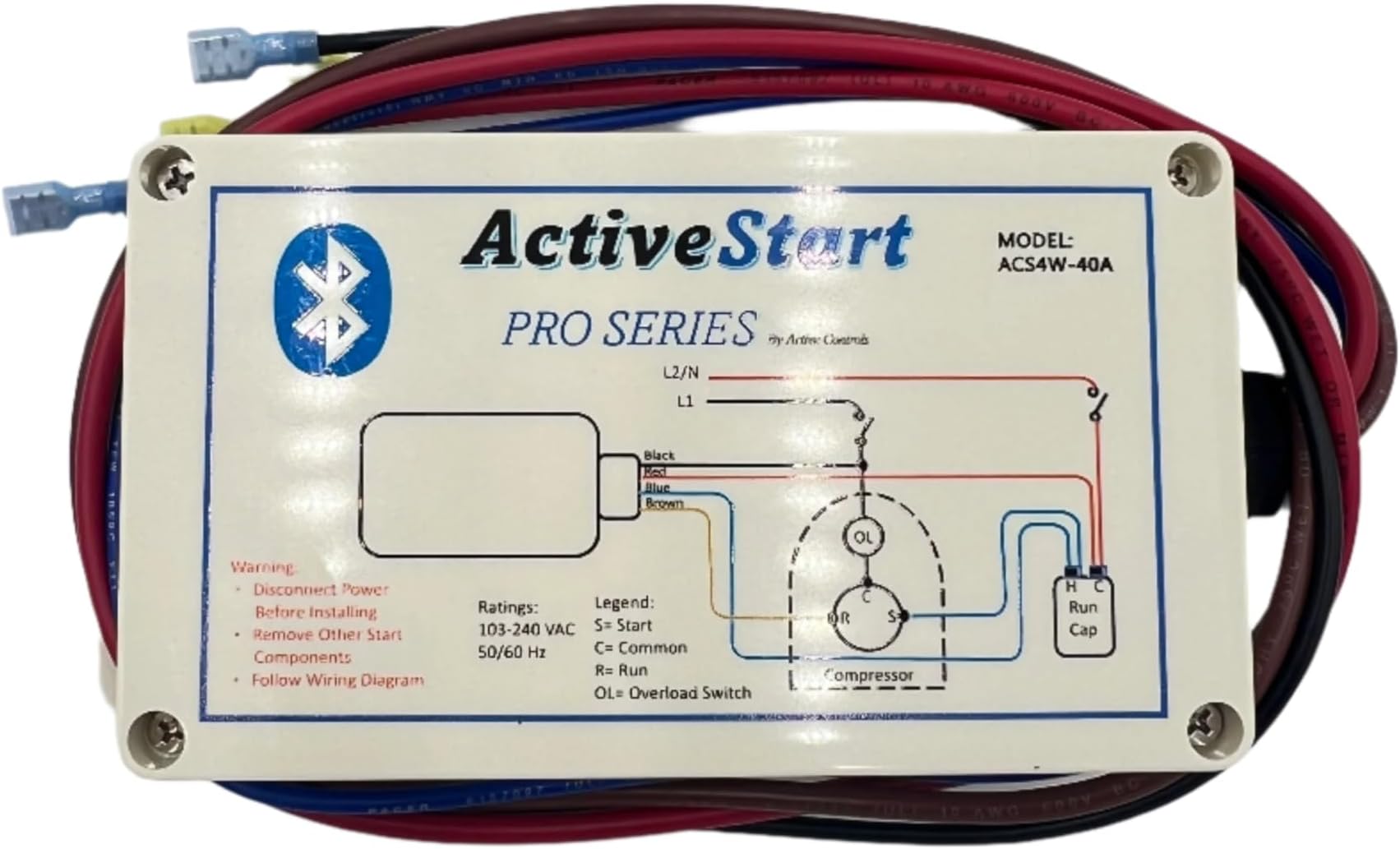
A soft start kit, also known as a soft starter, is an electronic device installed on your air conditioner's compressor. It uses components like thyristors or triacs to control the voltage supplied to the compressor motor during startup. Instead of hitting the compressor with full power instantly, it gradually ramps up the voltage over a few seconds. This reduces the inrush current, minimizing the strain on your electrical system.
Benefits of a Soft Start Kit:
- Reduced Inrush Current: Significantly lowers the peak current needed for startup.
- Prevents Breaker Tripping: Eliminates or reduces the likelihood of overloading circuits.
- Extended Compressor Life: Reduces stress on the compressor motor, prolonging its operational life.
- Quieter Operation: Gradual startup results in smoother and quieter operation.
- Compatibility with Generators: Allows you to run your AC unit on a smaller generator, as the startup current is reduced.
Diagnosis: Is a Soft Start Kit the Right Solution?
Before investing in a soft start kit, it's essential to determine if it's the correct solution for your specific issue. Here's a step-by-step diagnostic approach:
Step 1: Identify the Symptoms
Clearly identify the symptoms you're experiencing. Are your lights flickering only when the AC starts? Does the breaker always trip when the AC turns on? Note down the specific symptoms to help narrow down the problem.
Step 2: Check the Breaker
Locate the breaker that controls your air conditioner. Is it properly sized for the AC unit's requirements? You can find the required breaker size on the AC unit's nameplate. Never replace a breaker with one of a higher amperage rating, as this can create a fire hazard.
If the breaker is the correct size, try resetting it. Sometimes, a breaker can trip due to a temporary surge, even without a serious underlying issue.
Step 3: Inspect Wiring and Connections
Safety First! Turn off the power to the AC unit at the breaker before inspecting any wiring.
Carefully inspect the wiring connections at the AC unit's disconnect switch and at the compressor. Look for:
- Loose Connections: Tighten any loose screws or terminals.
- Corrosion: Clean any corroded connections with a wire brush and apply a corrosion inhibitor.
- Damaged Wiring: Replace any frayed, cracked, or burnt wires. If you are not comfortable working with electrical wiring, contact a qualified electrician.
Step 4: Test Other Appliances
Try running other high-power appliances, such as a microwave or hairdryer, on the same circuit as the AC unit. If they also cause the lights to flicker or the breaker to trip, the problem might be an overloaded circuit, not necessarily the AC compressor itself.
Step 5: Monitor the AC Start-Up
With the power back on, carefully observe the AC unit as it starts. Listen for unusual noises, such as a loud humming or buzzing. Watch for any signs of strain or struggle. This information can be helpful for a technician if you need to call one later.
Step 6: Measure Voltage (Advanced - Requires a Multimeter and Electrical Knowledge)
Warning: This step involves working with live electricity and should only be performed by someone comfortable and experienced with electrical testing. If you're not confident, skip this step and consult an electrician.
Using a multimeter, measure the voltage at the AC disconnect switch while the unit is attempting to start. A significant voltage drop during startup can indicate a wiring issue or an undersized electrical service. A voltage drop of more than 10% is generally considered problematic.
Simple DIY Fixes (Proceed with Caution)
If your diagnosis reveals simple issues, you might be able to resolve them yourself. However, remember to always prioritize safety and turn off the power before working on any electrical components.
Tightening Loose Connections
Loose connections are a common cause of voltage drops and can contribute to hard starts. Carefully tighten all accessible electrical connections at the disconnect switch and the AC unit's control panel. Use the appropriate screwdriver size and avoid over-tightening, which can damage the terminals.
Cleaning Corroded Connections
Corrosion can impede electrical flow and cause resistance. Clean any corroded connections with a wire brush or sandpaper. Apply a thin layer of electrical grease or a corrosion inhibitor to prevent future corrosion.
Replacing a Weak Capacitor (Advanced - Requires Electrical Knowledge and Safety Precautions)
Warning: Capacitors store electrical energy, even after the power is turned off. You must discharge the capacitor before handling it. This process requires specific tools and knowledge. If you're not familiar with discharging capacitors, consult an electrician.
A failing capacitor can contribute to hard starts. Locate the start capacitor inside the AC unit's control panel. Visually inspect it for signs of bulging, leaking, or cracking. If it appears damaged, it likely needs replacement. Ensure you purchase a capacitor with the exact same voltage and capacitance ratings as the original. Before removing the old capacitor, discharge it using an appropriate discharge tool. Follow proper safety procedures when replacing the capacitor. If you are not comfortable with this process, consult a qualified technician.
When to Call a Professional
While some issues can be resolved with simple DIY fixes, certain situations require the expertise of a qualified HVAC technician or electrician. It's time to call a professional if:
- You're not comfortable working with electricity.
- You suspect a problem with the compressor itself. Compressor problems often require specialized tools and knowledge to diagnose and repair.
- The breaker continues to trip after trying the DIY fixes. This could indicate a more serious electrical issue.
- You suspect a problem with the main electrical service to your home. This requires the attention of a qualified electrician.
- You're unsure how to properly discharge a capacitor. Never attempt to replace a capacitor without proper knowledge and safety precautions.
- You find burnt wires or components. This is a sign of a potentially dangerous electrical fault.
- You suspect a refrigerant leak. Refrigerant leaks require specialized equipment to locate and repair.
Installing a Soft Start Kit (Generally Recommended for Professional Installation)
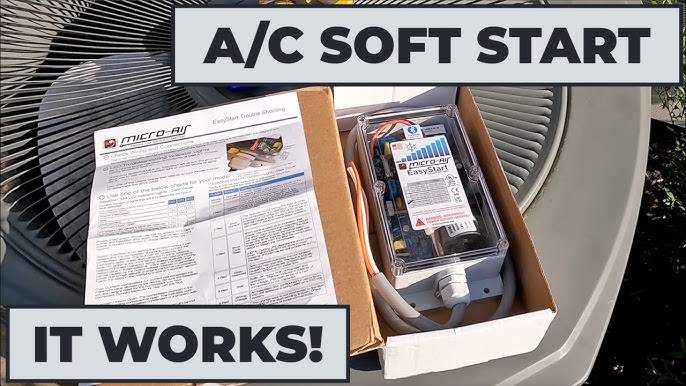
While some homeowners may be tempted to install a soft start kit themselves, it's generally recommended to have it installed by a qualified HVAC technician or electrician. The installation process involves working with electrical wiring and requires a good understanding of AC unit components. Improper installation can damage the AC unit or create a safety hazard.
A professional will be able to:
- Select the correct soft start kit for your specific AC unit.
- Properly wire the soft start kit into the AC unit's control panel.
- Test the installation to ensure proper operation.
- Provide warranty coverage for the installation.
If you choose to install a soft start kit yourself, be sure to follow the manufacturer's instructions carefully and take all necessary safety precautions.
Choosing the Right Soft Start Kit
Selecting the appropriate soft start kit is crucial for ensuring proper operation and compatibility with your air conditioner. Consider these factors:
- AC Unit Size (Tonnage): Soft start kits are typically rated for specific AC unit sizes, measured in tons. Choose a kit that is compatible with your AC unit's tonnage.
- Voltage and Phase: Ensure the soft start kit is compatible with your AC unit's voltage (e.g., 240V) and phase (single-phase or three-phase). Most residential AC units are single-phase.
- Compressor Type: Some soft start kits are designed for specific compressor types, such as rotary or scroll compressors. Check the kit's specifications to ensure compatibility.
- Reputable Brand: Choose a soft start kit from a reputable brand with a good track record for reliability and performance.
- Warranty: Look for a soft start kit with a good warranty to protect your investment.
Maintaining Your Air Conditioner
Regular maintenance can help prevent hard starts and other AC problems. Here are some tips:
- Clean the Condenser Coils: Dirty condenser coils restrict airflow and can cause the compressor to work harder, leading to higher current draw during startup. Clean the coils regularly with a garden hose or a coil cleaner.
- Replace the Air Filter: A dirty air filter restricts airflow to the evaporator coil, which can also cause the compressor to work harder. Replace the air filter every 1-3 months, depending on usage.
- Schedule Regular Maintenance: Have your AC unit professionally inspected and serviced annually by a qualified HVAC technician.
By understanding the causes of hard starts and taking proactive measures, you can keep your air conditioner running smoothly and efficiently for years to come.
Remember, safety always comes first. If you're ever unsure about working with electricity or your AC unit, don't hesitate to consult a qualified professional.