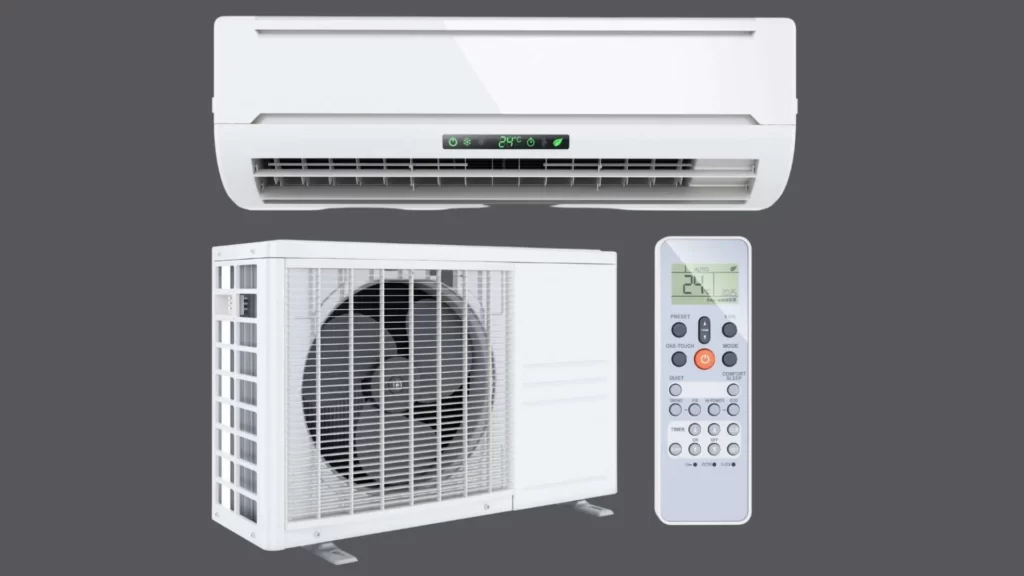
What Is A Split Air Conditioner

Imagine this: It's a sweltering summer day, and you walk into your home expecting that refreshing blast of cool air from your air conditioner. But instead, you're met with… nothing. The unit is running, but the air is lukewarm at best. Disappointing, isn't it? Before you resign yourself to suffering through the heat or calling a costly technician, let's explore some common issues with split air conditioners and guide you through some basic troubleshooting steps you can safely undertake yourself.
Understanding Your Split Air Conditioner
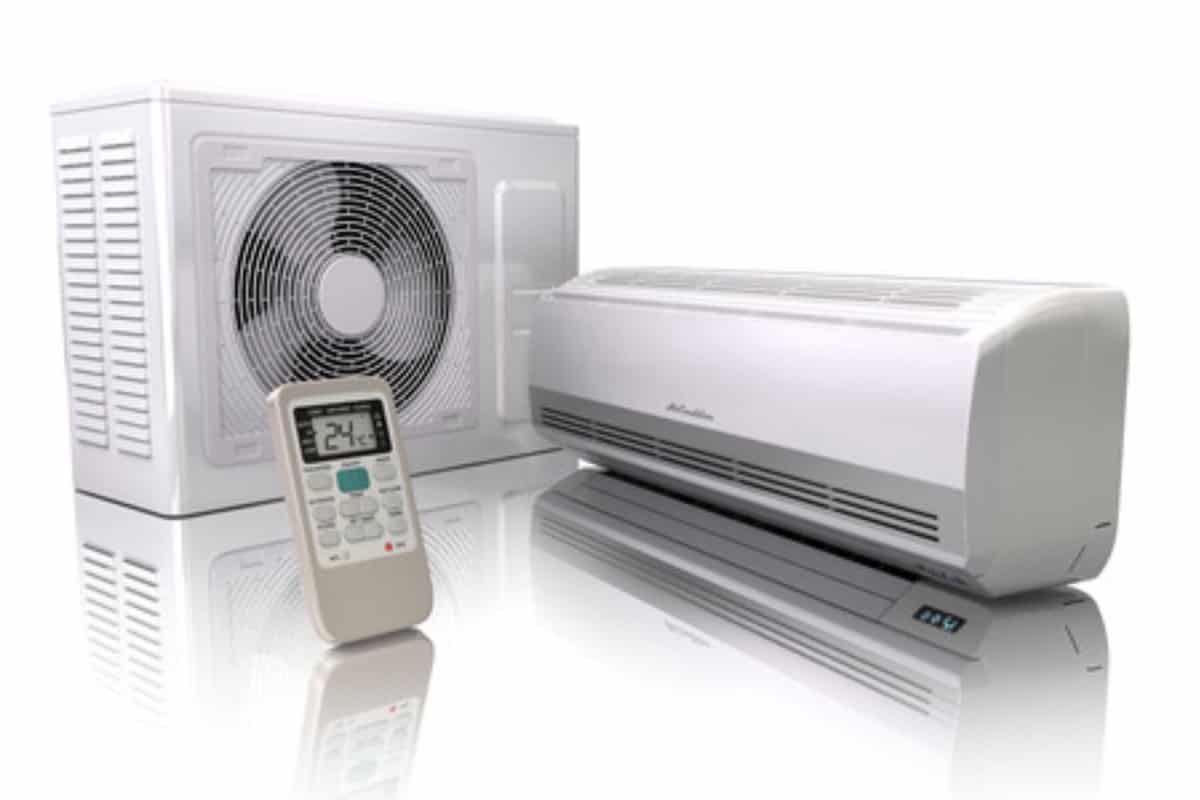
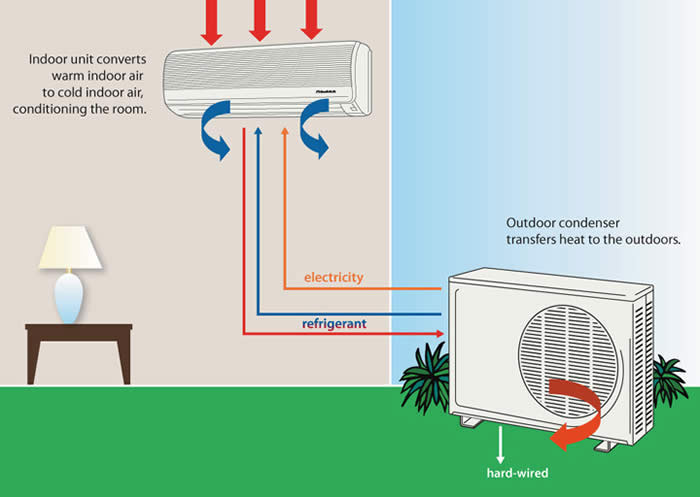
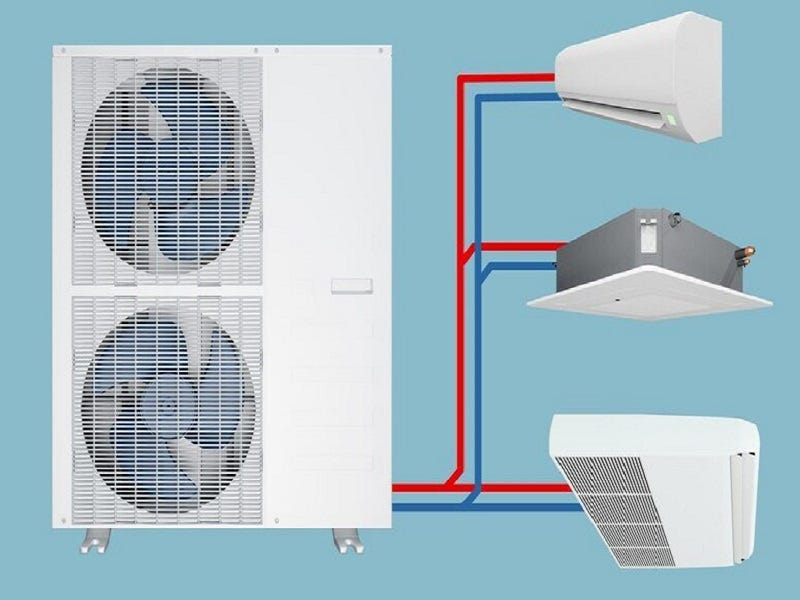
First, let's clarify what a split air conditioner actually is. Unlike window units, a split AC system is comprised of two main components: an indoor unit (the evaporator, usually mounted on a wall) and an outdoor unit (the condenser, typically placed outside your house). These two units are connected by refrigerant lines and electrical wiring. The indoor unit draws warm air from the room, cools it using refrigerant, and then blows the cool air back into the room. The outdoor unit releases the heat extracted from the air outside.
Initial Checks: The First Line of Defense
Before diving into more complicated troubleshooting, let's start with the obvious – and often overlooked – basics. These simple checks can resolve many common AC problems.
1. Power Supply Verification
This might sound elementary, but it's crucial: is the unit actually receiving power?
- Check the Circuit Breaker: Locate the circuit breaker for your AC unit in your electrical panel. If it's tripped (in the "off" or middle position), flip it fully to the "off" position and then back to the "on" position. Never repeatedly reset a tripped breaker without identifying the underlying problem, as this could indicate a serious electrical issue. If it trips again immediately, call an electrician.
- Examine the Power Cord: Inspect the power cord connecting the indoor unit to the wall outlet. Make sure it's securely plugged in and shows no signs of damage, like fraying or exposed wires. If you see any damage, do not attempt to use the cord. Replace it immediately or call a qualified electrician.
- Batteries in the Remote: Ensure the remote control batteries are fresh and properly installed. A weak battery can prevent the remote from sending commands to the AC unit.
2. Thermostat Settings
Double-check your thermostat settings to ensure they're correct.
- Mode Selection: Make sure the unit is set to "Cool" mode, not "Fan Only" or "Heat."
- Temperature Setting: Verify that the target temperature is set lower than the current room temperature. If the target temperature is higher, the AC won't turn on or will operate less effectively.
- Fan Speed: Experiment with different fan speeds. Sometimes, a lower fan speed can restrict airflow and reduce cooling efficiency.
- Timer Function: Many AC units have a timer function that can inadvertently turn the unit off or delay its operation. Make sure the timer is not activated or is set correctly.
3. Airflow Obstructions
Restricted airflow is a common cause of poor AC performance.
- Inspect the Indoor Unit Filter: A dirty air filter is the most frequent culprit. A clogged filter restricts airflow, forcing the AC unit to work harder, reducing its efficiency, and potentially causing it to overheat. Clean or replace the air filter every 1-3 months, depending on usage and air quality. The filter is usually located behind a removable panel on the indoor unit. Washable filters can be cleaned with mild soap and water, allowed to dry completely, and then reinstalled. Disposable filters should be replaced.
- Check for Blocked Vents: Ensure that the supply and return air vents are not blocked by furniture, curtains, or other objects. Clear any obstructions to allow for proper air circulation.
- Outdoor Unit Clearance: The outdoor unit needs adequate airflow to dissipate heat. Make sure it's not surrounded by bushes, debris, or other obstructions. Maintain at least 2-3 feet of clearance around the unit.
Troubleshooting Common Problems
If the initial checks don't resolve the issue, let's move on to more specific problems.
1. AC Unit Not Cooling Properly
This is the most common complaint. After confirming the basics above, consider these possibilities:
- Refrigerant Leaks: Refrigerant is the lifeblood of your AC system. A leak will cause the unit to gradually lose its cooling capacity. Signs of a refrigerant leak include hissing sounds, ice buildup on the refrigerant lines, and a noticeable decrease in cooling performance. Refrigerant leaks require professional attention. Do not attempt to handle refrigerant yourself. It is a regulated substance, and improper handling can be harmful to both you and the environment.
- Dirty Condenser Coils: The condenser coils on the outdoor unit release heat. If they're coated in dirt, dust, or debris, they won't be able to dissipate heat effectively, reducing cooling performance. Turn off the power to the outdoor unit at the circuit breaker. Carefully clean the condenser coils with a soft brush or a fin comb. Do not use a pressure washer, as this can damage the delicate fins. You can also use a garden hose with a gentle spray nozzle to rinse away loose debris. Allow the coils to dry completely before restoring power.
- Frozen Evaporator Coils: If the evaporator coils inside the indoor unit freeze up, airflow will be restricted, and the unit won't cool properly. This can be caused by low refrigerant, a dirty air filter, or a malfunctioning blower fan. Turn off the AC unit and allow the ice to melt completely. Replace the air filter. If the problem persists, call a professional to check the refrigerant levels and the blower fan.
2. AC Unit Making Unusual Noises
Strange noises coming from your AC unit are often a sign of a mechanical problem.
- Rattling: Rattling noises could indicate loose screws, debris inside the unit, or a malfunctioning fan. Check for loose screws and tighten them. If you can safely access the inside of the unit, look for debris and remove it. If the rattling persists, it could be a sign of a more serious problem, such as a damaged fan blade or a failing motor. Call a professional.
- Buzzing: Buzzing noises could be caused by electrical issues, a loose fan motor, or a refrigerant leak. Turn off the AC unit immediately and call a qualified technician to diagnose the problem. Electrical issues can be dangerous. Do not attempt to troubleshoot them yourself.
- Hissing: A hissing sound is often a sign of a refrigerant leak. Turn off the AC unit and call a qualified technician immediately. Refrigerant leaks require professional attention.
- Clicking: A clicking sound when the unit starts or stops is usually normal, but excessive or continuous clicking could indicate a problem with the compressor or other components. If the clicking is excessive or accompanied by other symptoms, call a professional.
3. AC Unit Not Turning On
If your AC unit refuses to power on at all, consider these possibilities:
- Power Supply Issues: Double-check the circuit breaker and power cord, as described earlier.
- Thermostat Problems: Verify that the thermostat is functioning correctly. Try replacing the batteries. If the thermostat is still not working, it may need to be replaced.
- Capacitor Failure: Capacitors are electrical components that help start and run the AC motor. If a capacitor fails, the unit may not turn on. Capacitors can store an electrical charge even after the unit is turned off. Replacing a capacitor is a job best left to a qualified technician.
When to Call a Professional
While many basic AC problems can be resolved with DIY troubleshooting, certain situations require the expertise of a qualified HVAC technician. Never attempt repairs that involve:
- Refrigerant Handling: Working with refrigerant requires specialized equipment and training. Improper handling can be dangerous and illegal.
- Electrical Work: Electrical repairs can be hazardous if you're not properly trained. Always call a qualified electrician for any electrical issues.
- Complex Component Replacements: Replacing major components like the compressor, blower motor, or control board requires specialized knowledge and tools.
- Gas Leaks: If you suspect a gas leak, evacuate the area immediately and call your gas company or the fire department. Do not attempt to locate or repair the leak yourself.
Here's a summary of situations where a professional is required:
- Refrigerant leaks.
- Electrical problems (e.g., short circuits, tripped breakers that immediately re-trip).
- Compressor failures.
- Blower motor malfunctions.
- Any situation where you feel uncomfortable or unsure about proceeding.
Preventative Maintenance: Avoiding Future Problems
The best way to avoid AC problems is to perform regular preventative maintenance. This includes:
- Regular Filter Changes: Replace or clean your air filter every 1-3 months.
- Coil Cleaning: Clean the condenser coils on the outdoor unit at least once a year.
- Professional Tune-Ups: Schedule a professional AC tune-up every year or two. A technician can inspect the system, identify potential problems, and perform necessary maintenance to keep your AC running efficiently.
By following these troubleshooting steps and practicing preventative maintenance, you can keep your split air conditioner running smoothly and efficiently for years to come. Remember, safety is always paramount. When in doubt, call a professional to handle the job.