What Is A Split Air Conditioning System
Are you considering a new air conditioning system for your home or office? Understanding the different types available is crucial for making the right choice. This guide provides a comprehensive overview of split air conditioning systems, explaining their components, benefits, and how they compare to other AC options. We aim to equip you with the knowledge needed to determine if a split AC is the best fit for your needs.
What Exactly is a Split Air Conditioning System?
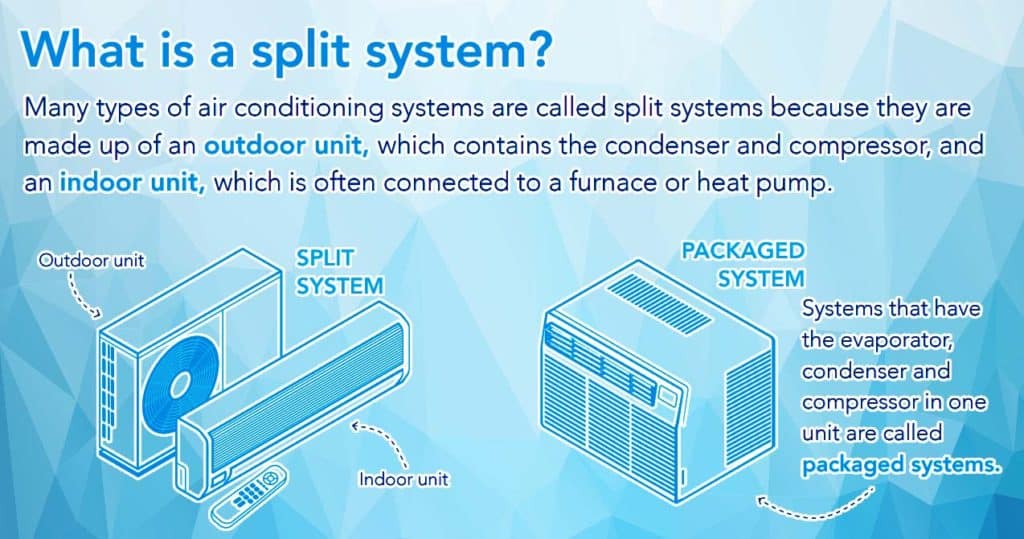
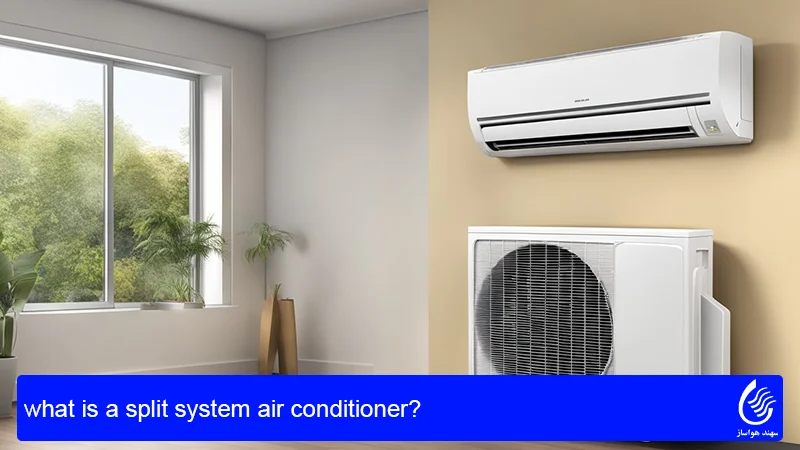
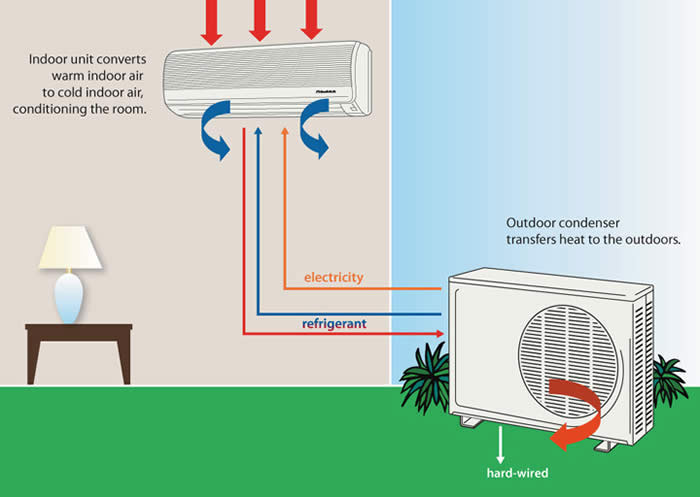
A split air conditioning system, as the name suggests, is split into two main units: an indoor unit and an outdoor unit. These two units are connected by refrigerant lines and electrical wiring.
Unlike window AC units which house all components in a single casing, split systems separate the noisy components (like the compressor and condenser) from the area you want to cool. This results in a quieter and more efficient cooling experience.
The Indoor Unit (Evaporator)
The indoor unit, also known as the evaporator unit, is typically mounted on a wall, ceiling, or floor inside the room you wish to cool. Its primary function is to absorb heat from the air inside the room.
Here’s how it works:
- Fan: A fan draws warm air from the room across the cooling coil.
- Cooling Coil: The cooling coil contains refrigerant, a special fluid that absorbs heat as it evaporates. Think of refrigerant as the 'blood' of your AC system, carrying heat from inside to outside.
- Heat Absorption: As the warm air passes over the cooling coil, the refrigerant absorbs the heat, cooling the air.
- Cooled Air Release: The cooled air is then blown back into the room, lowering the overall temperature.
- Condensation Management: As the air cools, moisture condenses on the coil. This condensate is collected and drained away, typically through a drain pipe.
The Outdoor Unit (Condenser)
The outdoor unit, also called the condenser unit, is typically placed outside the building on a concrete pad or mounted on a wall. Its job is to release the heat absorbed by the refrigerant from the indoor unit.
Here’s the process:
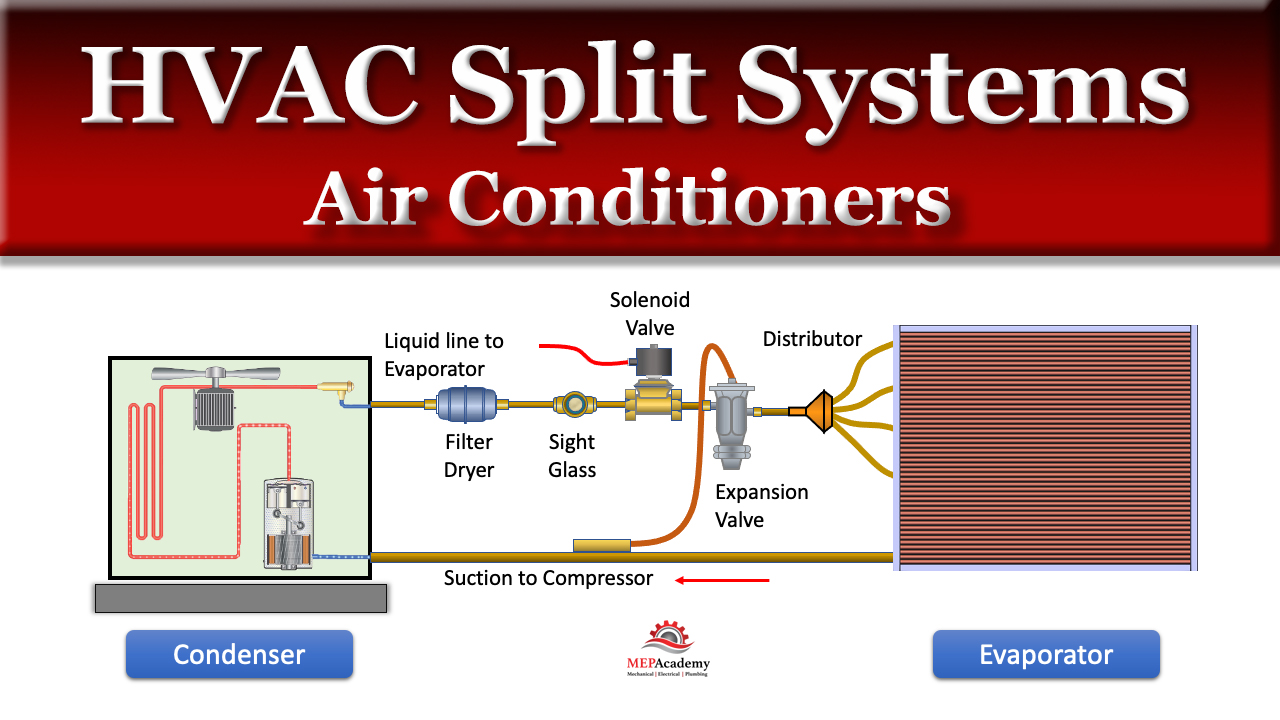
- Compressor: The compressor is the heart of the system. It pressurizes the refrigerant, increasing its temperature. This allows the refrigerant to release heat more effectively.
- Condenser Coil: The hot, high-pressure refrigerant flows through the condenser coil.
- Heat Dissipation: A fan blows air across the condenser coil, dissipating the heat into the outdoor air. The refrigerant then cools and condenses back into a liquid.
- Expansion Valve: The liquid refrigerant then passes through an expansion valve, which reduces its pressure and temperature, preparing it to absorb heat again in the indoor unit.
Benefits of Split Air Conditioning Systems
Split AC systems offer numerous advantages over other types of air conditioning, making them a popular choice for many homes and businesses.
- Quiet Operation: Because the compressor and condenser are located outside, split systems are significantly quieter than window units or portable ACs. This allows for more comfortable sleeping, working, or relaxing in the cooled space.
- Energy Efficiency: Split systems are generally more energy-efficient than window units, resulting in lower electricity bills. Many models come with features like inverter technology and smart thermostats that further optimize energy consumption. Inverter technology allows the compressor to run at variable speeds, adjusting the cooling output to match the actual demand. This avoids the energy-wasting on/off cycling of traditional AC systems.
- Zoned Cooling: Split systems allow for zoned cooling, meaning you can cool only the rooms you're using, further saving energy. You can install multiple indoor units connected to a single outdoor unit (multi-split system) to cool different zones in your home.
- Aesthetic Appeal: Indoor units come in various designs and styles, allowing you to choose one that complements your interior décor. They are also less obtrusive than window units.
- Improved Air Quality: Many split systems come equipped with air filters that remove dust, pollen, and other allergens from the air, improving indoor air quality.
- Easy Installation (Relatively): While professional installation is recommended, split systems are generally easier to install than central air conditioning systems. The connection between the indoor and outdoor units requires drilling a small hole in the wall for the refrigerant lines and electrical wiring.
- Precise Temperature Control: Digital thermostats offer precise temperature control, allowing you to set the desired temperature to your exact preference.
Types of Split Air Conditioning Systems
While all split systems share the same basic principle, they come in different configurations to suit various needs.
- Single-Split System: This is the most common type, consisting of one indoor unit connected to one outdoor unit. It's ideal for cooling a single room or area.
- Multi-Split System: A multi-split system allows you to connect multiple indoor units (typically up to five or more) to a single outdoor unit. This is perfect for cooling multiple rooms or zones in a home or office without the need for multiple outdoor units. Each indoor unit can be controlled independently, allowing for personalized temperature settings in each zone.
- Ductless Mini-Split System: These systems don't require ductwork, making them a good choice for homes without existing duct systems or for adding air conditioning to additions or renovations.
- VRF (Variable Refrigerant Flow) System: VRF systems are a type of multi-split system designed for larger commercial buildings. They offer advanced features like simultaneous heating and cooling and precise temperature control in each zone.
Comparing Split Systems to Other AC Options
To make an informed decision, it's important to understand how split systems stack up against other common air conditioning options.
- Split Systems vs. Window AC Units: Split systems are generally quieter, more energy-efficient, and more aesthetically pleasing than window units. However, they are also more expensive to purchase and install. Window units are a cheaper and simpler option for cooling a single room.
- Split Systems vs. Portable AC Units: Portable AC units are easy to move from room to room, but they are typically less efficient and noisier than split systems. They also require venting to the outside, often through a window, which can be cumbersome.
- Split Systems vs. Central Air Conditioning: Central air conditioning systems provide whole-house cooling and are more efficient for larger homes. However, they require extensive ductwork, which can be expensive to install or modify. Split systems are a better option for homes without existing ductwork or for cooling specific zones. Central AC systems also typically require more significant professional expertise for installation and maintenance.
Factors to Consider When Choosing a Split AC System
Selecting the right split AC system involves considering several factors to ensure optimal performance and energy efficiency.
- Room Size: The size of the room you need to cool is the most important factor. AC capacity is measured in British Thermal Units (BTUs). A larger room requires a higher BTU rating. Consult a sizing chart or professional to determine the appropriate BTU rating for your space.
- Energy Efficiency: Look for models with a high Energy Efficiency Ratio (EER) or Seasonal Energy Efficiency Ratio (SEER) rating. A higher EER/SEER rating indicates better energy efficiency and lower operating costs. Also, consider models with the Energy Star label.
- Features: Consider features like inverter technology, programmable thermostats, sleep mode, and air filters to enhance comfort and convenience.
- Budget: Split systems range in price depending on their capacity, features, and brand. Set a budget and compare different models within your price range. Remember to factor in installation costs.
- Installation: Professional installation is highly recommended to ensure proper operation and avoid potential problems. Choose a qualified and experienced installer.
- Brand Reputation and Warranty: Research different brands and read reviews to assess their reliability and performance. Choose a brand with a good reputation and a comprehensive warranty.
Installation and Maintenance
Proper installation and regular maintenance are essential for maximizing the lifespan and efficiency of your split AC system.
- Installation: As mentioned earlier, professional installation is highly recommended. The installer will connect the indoor and outdoor units, run refrigerant lines, and ensure the system is properly charged and operating correctly.
- Regular Cleaning: Clean the air filters regularly (typically every month) to maintain good air quality and prevent the unit from overworking. Clogged filters reduce airflow and decrease cooling efficiency.
- Coil Cleaning: Clean the indoor and outdoor coils periodically to remove dust and debris. You can use a soft brush or a vacuum cleaner with a brush attachment.
- Professional Servicing: Schedule annual servicing by a qualified technician to inspect the system, check refrigerant levels, and perform any necessary repairs.
Conclusion
Split air conditioning systems offer a versatile and efficient cooling solution for a variety of spaces. By understanding their components, benefits, and types, you can make an informed decision about whether a split system is the right choice for your needs. Remember to consider factors like room size, energy efficiency, features, and budget when selecting a system, and always prioritize professional installation and regular maintenance to ensure optimal performance and longevity. With the right split AC system, you can enjoy a comfortable and energy-efficient indoor environment for years to come.