What Is A Split System Ac

Frequently Asked Questions About Split System Air Conditioners
If you're considering a new air conditioning system for your home or office, a split system AC is likely one of the options you're exploring. This article answers common questions about split systems, providing a clear and understandable overview.
What exactly *is* a split system air conditioner?
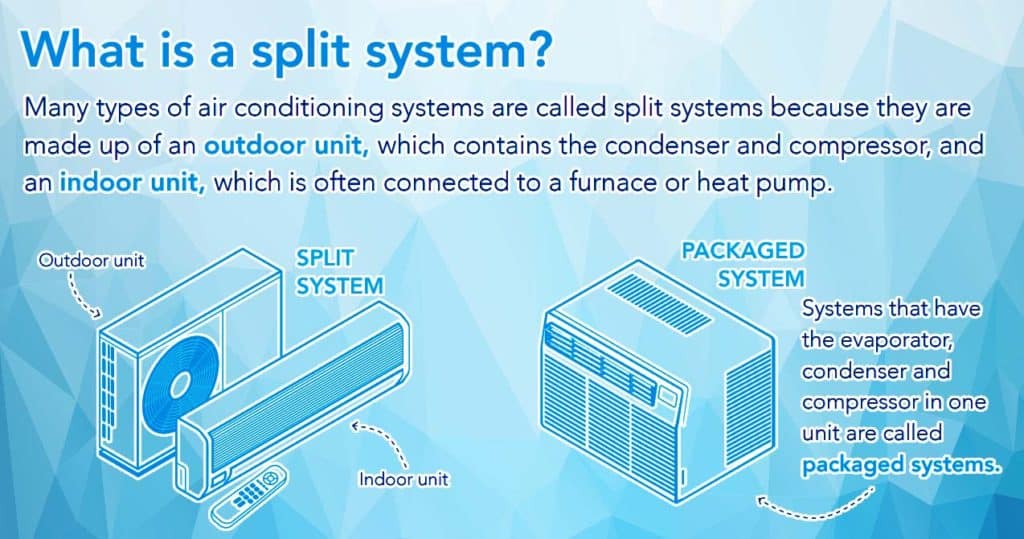
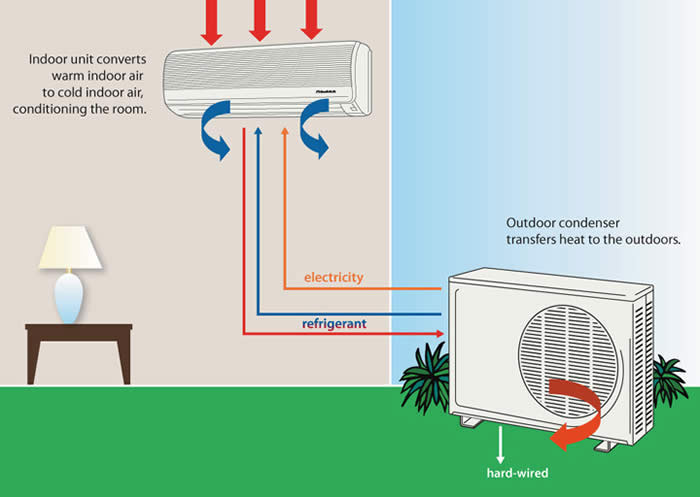
A split system air conditioner is an AC system comprised of two main units: an indoor unit and an outdoor unit. These units are connected by refrigerant lines and electrical wiring. Unlike window units, which are self-contained, split systems separate the noisy components (like the compressor) from the living space.
- Indoor Unit (Evaporator): This unit is typically mounted on a wall, ceiling, or floor inside your home or office. It contains the evaporator coil and a fan that circulates cool air into the room.
- Outdoor Unit (Condenser): This unit is placed outside and contains the compressor, condenser coil, and a fan that releases heat extracted from the indoor air.
The refrigerant circulates between the two units, absorbing heat inside and releasing it outside, thus cooling the indoor space.
How does a split system AC actually *work*?
The working principle of a split system is quite simple, and relies on the properties of refrigerant to cycle heat:
- Refrigerant Absorbs Heat: Warm air from the room is blown over the evaporator coil (inside the indoor unit), which contains cold, low-pressure refrigerant. This refrigerant absorbs the heat from the air, causing it to evaporate into a gas.
- Refrigerant Travels Outdoors: The gaseous refrigerant then travels through insulated pipes to the outdoor condenser unit.
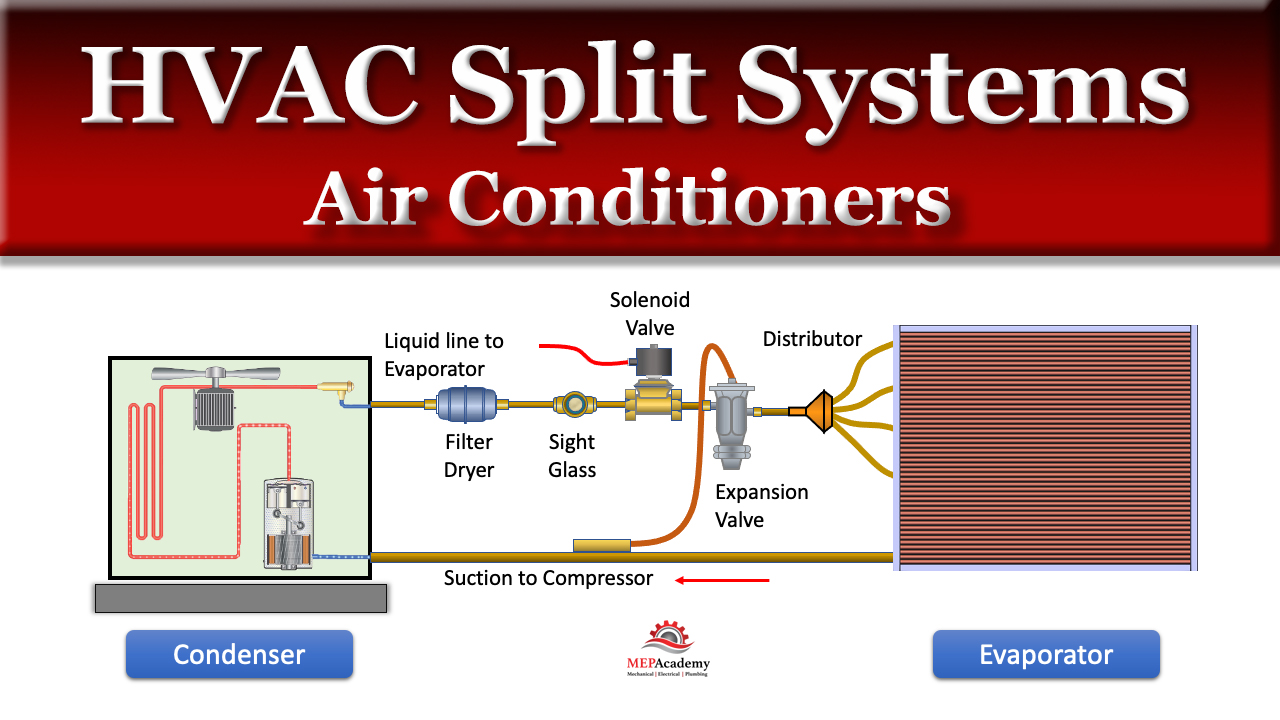
- Refrigerant Releases Heat: Inside the condenser, the refrigerant is compressed, increasing its temperature and pressure. The hot, high-pressure refrigerant then flows through the condenser coil, where a fan blows air across it, releasing the heat into the outside environment. The refrigerant condenses back into a liquid.
- Refrigerant Returns Indoors: The cooled, high-pressure liquid refrigerant flows back to the indoor unit through another insulated pipe.
- Refrigerant Expands and Cools: Before entering the evaporator coil, the refrigerant passes through an expansion valve, which reduces its pressure and temperature, making it cold again. This completes the cycle, and the process repeats continuously to maintain the desired temperature.
- Air Circulation: A fan inside the indoor unit blows the cooled air back into the room, while a thermostat monitors the room temperature and adjusts the cooling as needed.
Essentially, the split system transfers heat from inside your home to the outside.
What are the *advantages* of choosing a split system AC?
Split systems offer several key advantages over other types of air conditioning:
- Quiet Operation: Because the noisy compressor is located outside, split systems are significantly quieter than window units or portable ACs.
- Energy Efficiency: Many split systems, especially those with inverter technology, are highly energy efficient, leading to lower electricity bills. They are designed to use less energy by more precisely matching the cooling output to the cooling demand.
- Zoned Cooling: You can install multiple indoor units connected to a single outdoor unit (in a multi-split system), allowing you to control the temperature in different zones of your home or office independently. This avoids cooling areas that aren't in use.
- Improved Aesthetics: Indoor units are generally sleek and modern in design, blending in well with most interiors.
- Flexibility: Split systems can be installed in a variety of locations and are suitable for both residential and commercial applications. They don't require windows, which can be particularly useful in rooms without any natural light.
- Better Air Quality: Many models come equipped with air filters that help remove dust, pollen, and other allergens from the air.
Are there any *disadvantages* to split system ACs?
While split systems offer many benefits, there are also some potential drawbacks to consider:
- Higher Initial Cost: Split systems generally have a higher upfront cost compared to window units or portable ACs.
- Professional Installation Required: Installing a split system requires a qualified HVAC technician to connect the refrigerant lines and electrical wiring properly. This adds to the overall cost. Improper installation can lead to leaks and reduced efficiency.
- Space Requirements: You need space for both the indoor and outdoor units. The outdoor unit should be placed in a well-ventilated area.
- Maintenance: Regular maintenance, including filter cleaning and coil cleaning, is necessary to keep the system running efficiently.
- Potential Refrigerant Leaks: Although rare, refrigerant leaks can occur, requiring professional repair. Refrigerant is also a greenhouse gas, so leaks should be addressed promptly.
How do I choose the *right size* split system for my needs?
Choosing the correct size of split system is crucial for optimal performance and energy efficiency. An undersized unit will struggle to cool the space adequately, while an oversized unit will cycle on and off frequently, leading to wasted energy and poor dehumidification.
The size of an air conditioner is measured in British Thermal Units (BTUs). The appropriate BTU rating depends on several factors, including:
- Room Size (Square Footage): Larger rooms require higher BTU ratings.
- Climate: Hotter climates require more cooling power.
- Insulation: Well-insulated rooms require less cooling.
- Sun Exposure: Rooms with more sun exposure require more cooling.
- Number of Occupants: More occupants generate more heat.
- Heat-Generating Appliances: Kitchens and rooms with computers or other heat-generating appliances require more cooling.
- Ceiling Height: Rooms with higher ceilings require more cooling.
As a general guideline, you can use the following table as a starting point, but it's always best to consult with an HVAC professional for a more accurate assessment:
| Room Size (Square Feet) | Recommended BTU Rating |
|---|---|
| 100-150 | 5,000 - 6,000 |
| 150-250 | 6,000 - 8,000 |
| 250-300 | 8,000 - 10,000 |
| 300-400 | 10,000 - 12,000 |
| 400-500 | 12,000 - 14,000 |
| 500-600 | 14,000 - 18,000 |
| 600-700 | 18,000 - 21,000 |
| 700-1000 | 21,000 - 24,000 |
An HVAC professional will perform a heat load calculation to determine the precise cooling needs of your space.
What is *inverter technology* and why is it important?
Inverter technology is a feature found in many modern split system air conditioners that significantly improves energy efficiency and comfort. Traditional AC systems use a compressor that operates at a fixed speed, cycling on and off to maintain the desired temperature. Inverter systems, on the other hand, use a variable-speed compressor that can adjust its output to match the cooling demand.
Here's why inverter technology is important:
- Energy Savings: Inverter systems use less energy because they don't have to start and stop the compressor repeatedly. They can modulate the cooling output to precisely match the room's needs, reducing energy consumption by up to 30-50% compared to non-inverter models.
- More Consistent Temperature: Because the compressor runs continuously (at varying speeds), inverter systems provide a more consistent temperature and avoid the temperature fluctuations associated with traditional on/off cycling.
- Quieter Operation: Inverter systems are generally quieter because the compressor operates at lower speeds for most of the time.
- Longer Lifespan: The reduced stress on the compressor due to the variable speed operation can extend the lifespan of the unit.
- Faster Cooling: Inverter systems can often cool a room faster than traditional systems because they can temporarily operate at a higher capacity when needed.
While inverter models typically have a higher upfront cost, the long-term energy savings and improved comfort make them a worthwhile investment.
How much *maintenance* does a split system AC require?
Regular maintenance is essential to ensure that your split system AC operates efficiently and reliably for years to come. Here are some key maintenance tasks:
- Filter Cleaning or Replacement: Clean or replace the air filters regularly (typically every 1-3 months, depending on usage and air quality). Dirty filters restrict airflow, reducing cooling efficiency and potentially damaging the unit.
- Coil Cleaning: Periodically clean the evaporator and condenser coils to remove dust, dirt, and debris. You can use a soft brush and a vacuum cleaner for light cleaning, or hire a professional for a more thorough cleaning.
- Drain Line Cleaning: Check the condensate drain line for clogs and clear any obstructions to prevent water leaks.
- Refrigerant Level Check: Have a qualified technician check the refrigerant level annually and top it up if necessary. Low refrigerant can reduce cooling performance and indicate a leak.
- Electrical Connection Check: Have a technician inspect the electrical connections to ensure they are tight and secure.
- Outdoor Unit Inspection: Ensure that the outdoor unit is free from obstructions (e.g., plants, leaves, snow) that could restrict airflow.
- Professional Servicing: Schedule a professional service appointment at least once a year for a comprehensive inspection and cleaning.
By performing regular maintenance, you can extend the lifespan of your split system, improve its energy efficiency, and prevent costly repairs.