What Is A Vav Box In Hvac
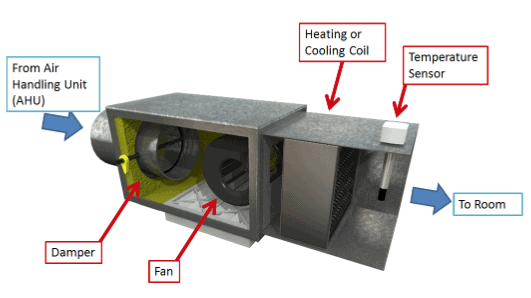
Is your home experiencing inconsistent temperatures? One room freezing while another swelters? While many factors can contribute to uneven heating or cooling, a common culprit, especially in larger homes or commercial spaces, is a Variable Air Volume (VAV) box. Let's break down what a VAV box is and how to troubleshoot some common issues you might encounter.
What Exactly is a VAV Box?
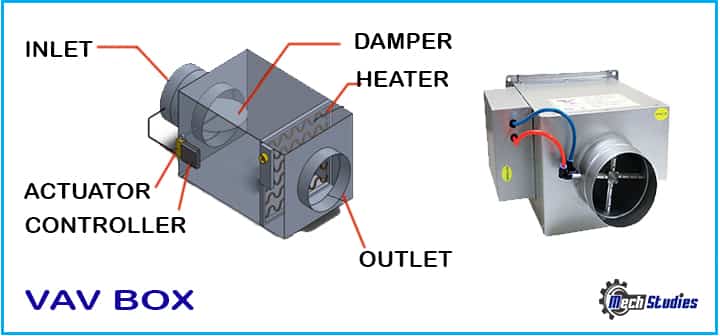
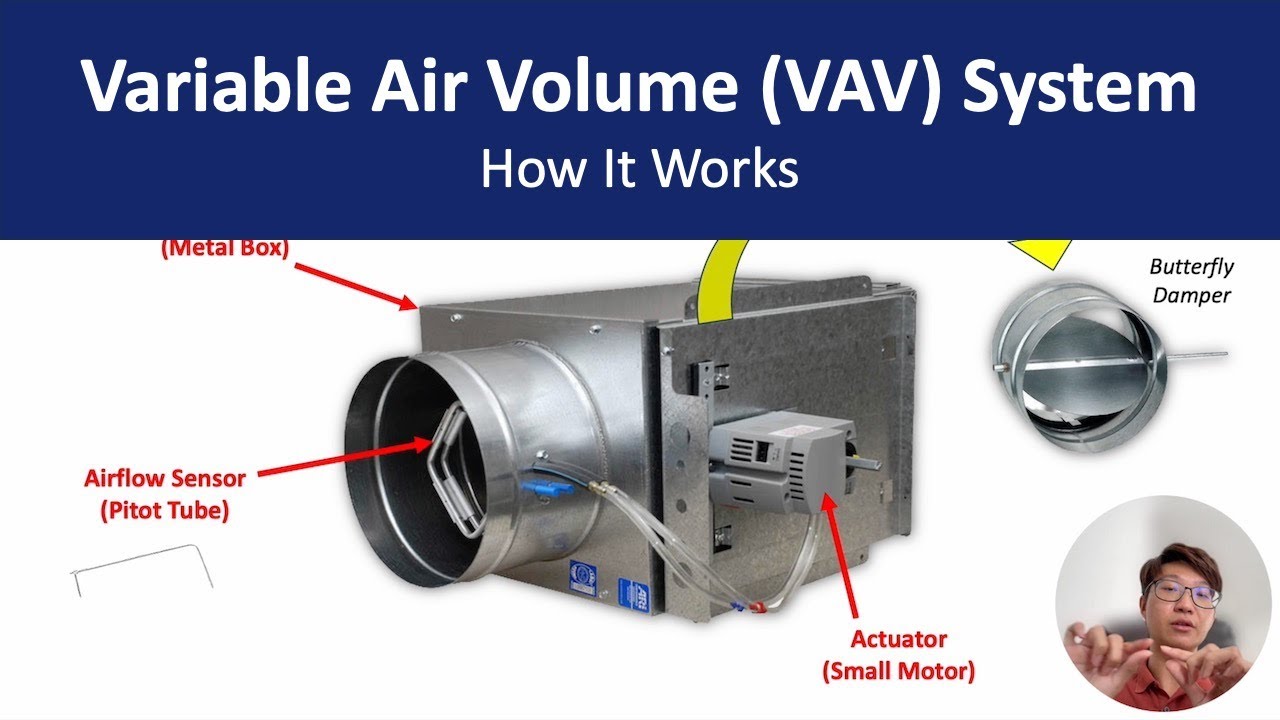
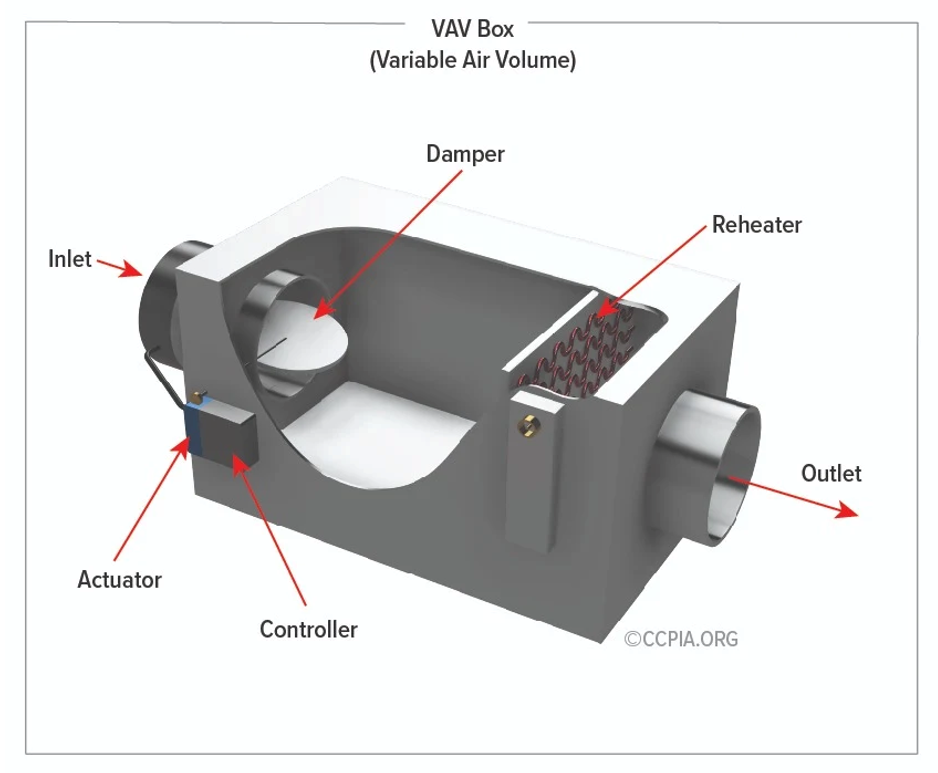
Imagine your home's HVAC system as a network of roads, and the VAV box as a smart traffic controller. A VAV box is a device installed in the ductwork that regulates the volume of conditioned air (heated or cooled) delivered to a specific zone or room. It does this based on the room's thermostat setting.
Here's the basic idea:
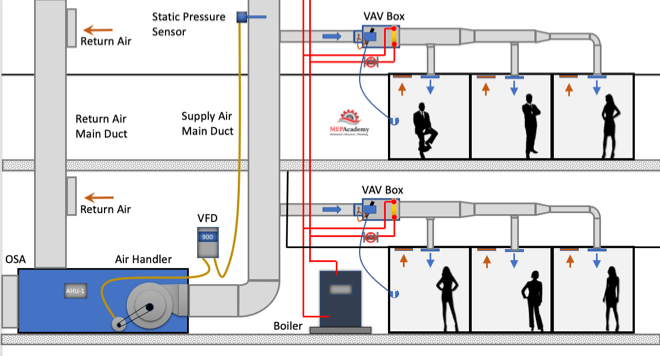
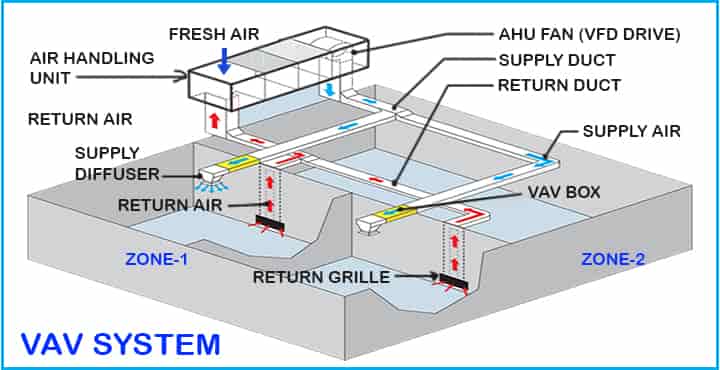
- A central air handler (your furnace or AC unit) produces conditioned air.
- That air travels through the main ductwork.
- VAV boxes, located in each zone, receive this air.
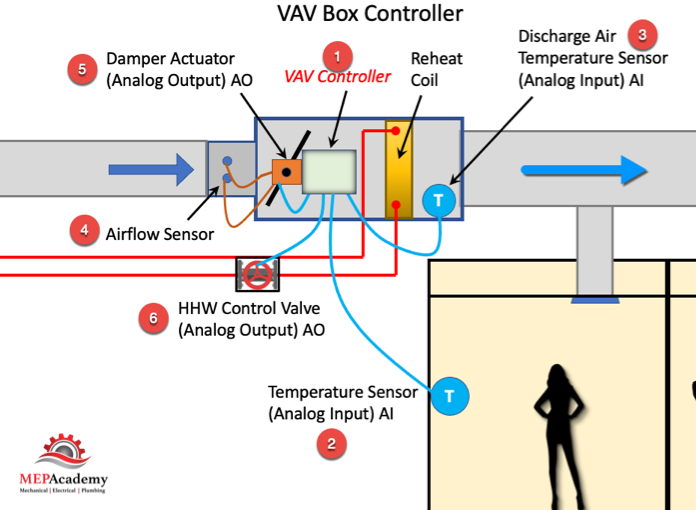
- Based on the thermostat reading in that zone, the VAV box's damper (a kind of valve) opens or closes, controlling the amount of air entering the room.
- If the room is too hot, the damper opens wider to allow more cool air. If it's too cold, the damper closes to reduce airflow.
This allows for customized temperature control in different areas of your home, improving comfort and potentially saving energy. However, when a VAV box malfunctions, it can lead to significant temperature imbalances.
Troubleshooting VAV Box Issues: A Step-by-Step Guide
Before we dive in, remember that safety is paramount. If you're uncomfortable working with electrical components or heights, or if you suspect a serious issue, call a qualified HVAC technician. Also, always turn off the power to the HVAC system at the breaker box before performing any maintenance.
Step 1: Identify the Affected Zone
The first step is pinpointing which room or zone is experiencing the temperature problem. This will help you narrow down which VAV box to investigate.
Action: Walk through your home and note which rooms are consistently too hot or too cold compared to the thermostat setting. If the problem is localized to a single room, the VAV box serving that room is the prime suspect.
Step 2: Locate the VAV Box
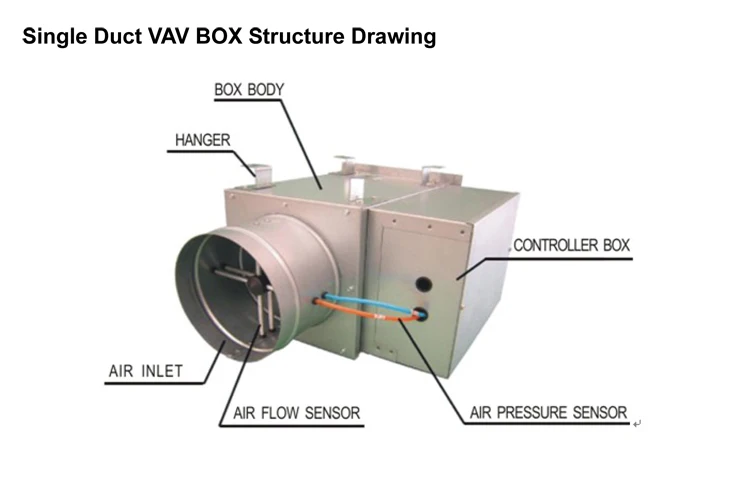
VAV boxes are typically located in the ceiling, above the drop ceiling in commercial buildings or in attics or crawl spaces in residential settings. They are often rectangular metal boxes attached to the ductwork. They will typically have a control box attached to them.
Action: Look for access panels in the ceiling or inspect your attic or crawl space. You may need a flashlight to see clearly. Identify the VAV box that serves the affected zone. Ductwork is often labeled. If not, you may need to trace the ductwork from the air supply grill in the affected room back to the VAV box.
Important Note: Be cautious when working in attics or crawl spaces. Watch out for exposed insulation, sharp objects, and potential pests.
Step 3: Basic Visual Inspection (No Tools Required)
Start with a simple visual inspection. This can often reveal obvious problems.
Checklist:
- Ductwork: Look for any obvious damage to the ductwork connected to the VAV box. Are there any tears, holes, or disconnections? Even small leaks can significantly impact airflow.
- Insulation: Is the insulation around the VAV box and ductwork intact? Damaged or missing insulation can lead to heat loss or gain, affecting the room's temperature.
- Damper Linkage: Can you see the damper linkage (the mechanism that connects the actuator motor to the damper)? Does it appear to be damaged or disconnected?
- Control Box: Is the control box (the electrical box attached to the VAV box) securely mounted? Are there any obvious signs of damage, such as cracks or loose wires?
Action: Carefully examine the VAV box and surrounding ductwork. Note any irregularities you observe.
Step 4: Thermostat Verification (No Tools Required)
Before assuming the VAV box itself is the problem, double-check the thermostat settings in the affected zone.
Checklist:
- Setpoint Temperature: Is the thermostat set to the desired temperature? It might sound obvious, but sometimes the simplest explanations are the correct ones.
- Thermostat Mode: Is the thermostat in the correct mode (heating or cooling)?
- Thermostat Batteries: If your thermostat is battery-powered, are the batteries fresh? Low batteries can cause inaccurate readings or erratic behavior.
Action: Adjust the thermostat settings and monitor the temperature in the affected zone to see if the problem resolves itself.
Step 5: Airflow Assessment (No Tools Required)
Try to assess the airflow coming from the supply vents in the affected room. This can give you a clue about whether the VAV box is functioning correctly.
Action: Place your hand near the supply vent. Do you feel a strong, consistent airflow? If the airflow is weak or nonexistent, even with the thermostat calling for heating or cooling, it could indicate a problem with the VAV box or the ductwork leading to it.
Step 6: Control Box Inspection (Requires Basic Tools and Knowledge – Proceed with Caution!)
This step involves working with electrical components, so proceed with extreme caution. If you're not comfortable with basic electrical troubleshooting, stop here and call a professional.
Tools Needed: Multimeter, screwdriver set.
Steps:
- Turn off the Power: Completely shut off the power to the HVAC system at the breaker box. Verify that the power is off using a multimeter before proceeding.
- Open the Control Box: Carefully open the control box attached to the VAV box.
- Check Wiring: Look for any loose or disconnected wires. Gently tug on each wire to ensure it's securely connected to its terminal.
- Inspect the Actuator Motor: The actuator motor is the device that controls the damper. Check for any signs of damage or overheating. You can use a multimeter to check the voltage to the motor. Consult the VAV box's wiring diagram (usually located inside the control box) to determine the correct voltage. If the motor is not receiving the correct voltage, there may be a wiring problem or a faulty control board.
- Check Fuses (If Applicable): Some VAV boxes have fuses in the control box. Use a multimeter to check the continuity of the fuses. Replace any blown fuses with the same type and amperage.
- Carefully Close the Control Box: Ensure all wires are properly routed and the cover is securely reattached.
- Turn the Power Back On: Restore power to the HVAC system at the breaker box.
- Observe: Monitor the VAV box to see if it starts functioning correctly.
Important Considerations:
- Wiring Diagrams: Always refer to the wiring diagram before disconnecting or reconnecting any wires. Incorrect wiring can damage the VAV box or the HVAC system.
- Voltage Readings: Be extremely careful when taking voltage readings. Ensure your multimeter is set to the correct voltage range and avoid touching any exposed wires.
- Component Identification: If you're unsure about the function of a particular component, consult the VAV box's documentation or call a professional.
Step 7: Damper Operation Check (Requires Observation and Possible Manual Override)
This step involves observing how the damper responds to changes in the thermostat setting. It might also require manually overriding the damper position for testing purposes.
Steps:
- Adjust the Thermostat: Significantly raise or lower the thermostat setting in the affected zone.
- Observe the Damper: Watch the damper linkage to see if it moves in response to the change in thermostat setting. If the thermostat calls for more cooling, the damper should open wider. If it calls for less cooling, the damper should close.
- Manual Override (If Possible): Some VAV boxes have a manual override mechanism that allows you to manually adjust the damper position. Use this feature to temporarily open or close the damper. Does this action correct the temperature problem in the zone? If so, it suggests a problem with the actuator motor or the control system.
Important Considerations:
- Damper Movement: The damper should move smoothly and consistently. If it's jerky or unresponsive, the actuator motor may be failing.
- Manual Override Risks: Use the manual override feature with caution. Forcing the damper beyond its intended range can damage the VAV box.
When to Call a Professional
While these troubleshooting steps can help you identify and resolve some common VAV box problems, there are situations where it's best to call a qualified HVAC technician. You should contact a professional if:
- You're uncomfortable working with electrical components.
- You suspect a more complex problem, such as a faulty control board or a malfunctioning actuator motor.
- You've tried the troubleshooting steps outlined above and the problem persists.
- You notice any signs of electrical arcing, burning smells, or other safety hazards.
- The VAV box is difficult to access or requires specialized tools to repair.
Attempting to repair a VAV box without the proper knowledge and experience can be dangerous and may void your warranty. A qualified HVAC technician has the training, experience, and tools to diagnose and repair VAV box problems safely and effectively.
Preventative Maintenance
Like any mechanical system, VAV boxes benefit from regular maintenance. Here are a few tips to help prevent problems and extend the life of your VAV boxes:
- Regularly inspect the ductwork: Look for any signs of damage or leaks and repair them promptly.
- Keep the area around the VAV box clean: Remove any dust, debris, or obstructions that could interfere with its operation.
- Consider a professional HVAC tune-up: A qualified technician can inspect your VAV boxes and other HVAC components to identify and address potential problems before they become major issues.
By following these troubleshooting steps and preventative maintenance tips, you can help ensure that your VAV boxes are functioning properly, keeping your home comfortable and energy-efficient.