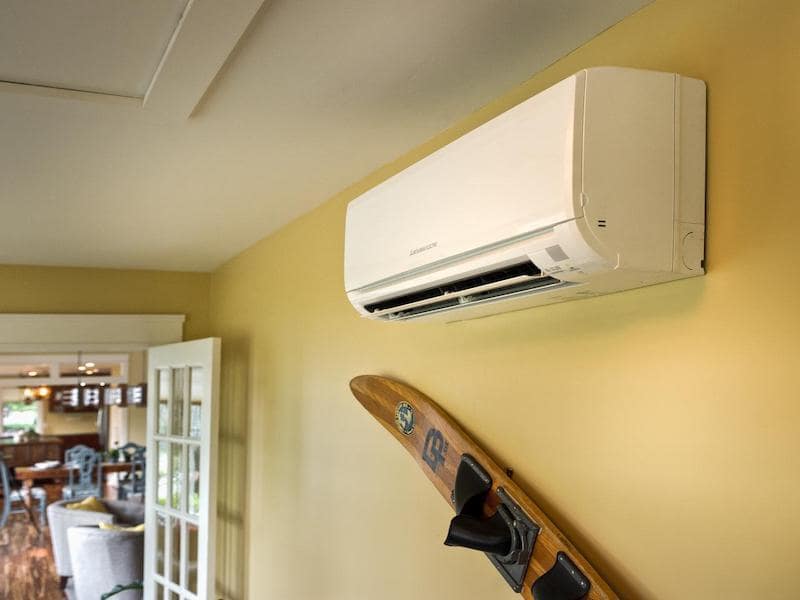
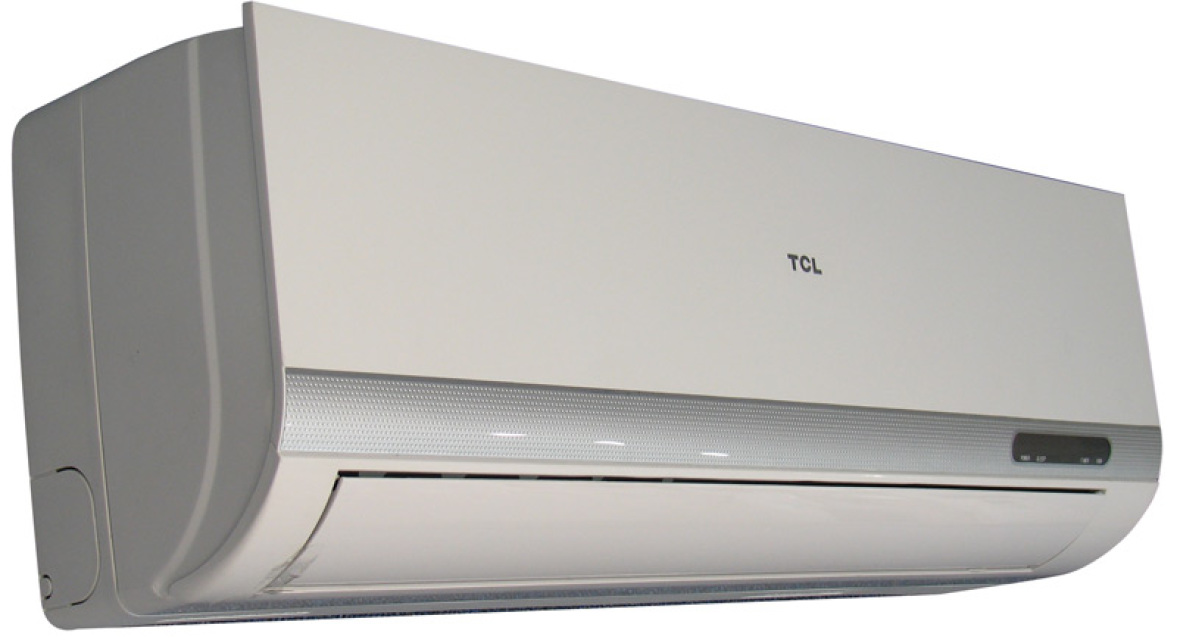
What Is A Wall Air Conditioner
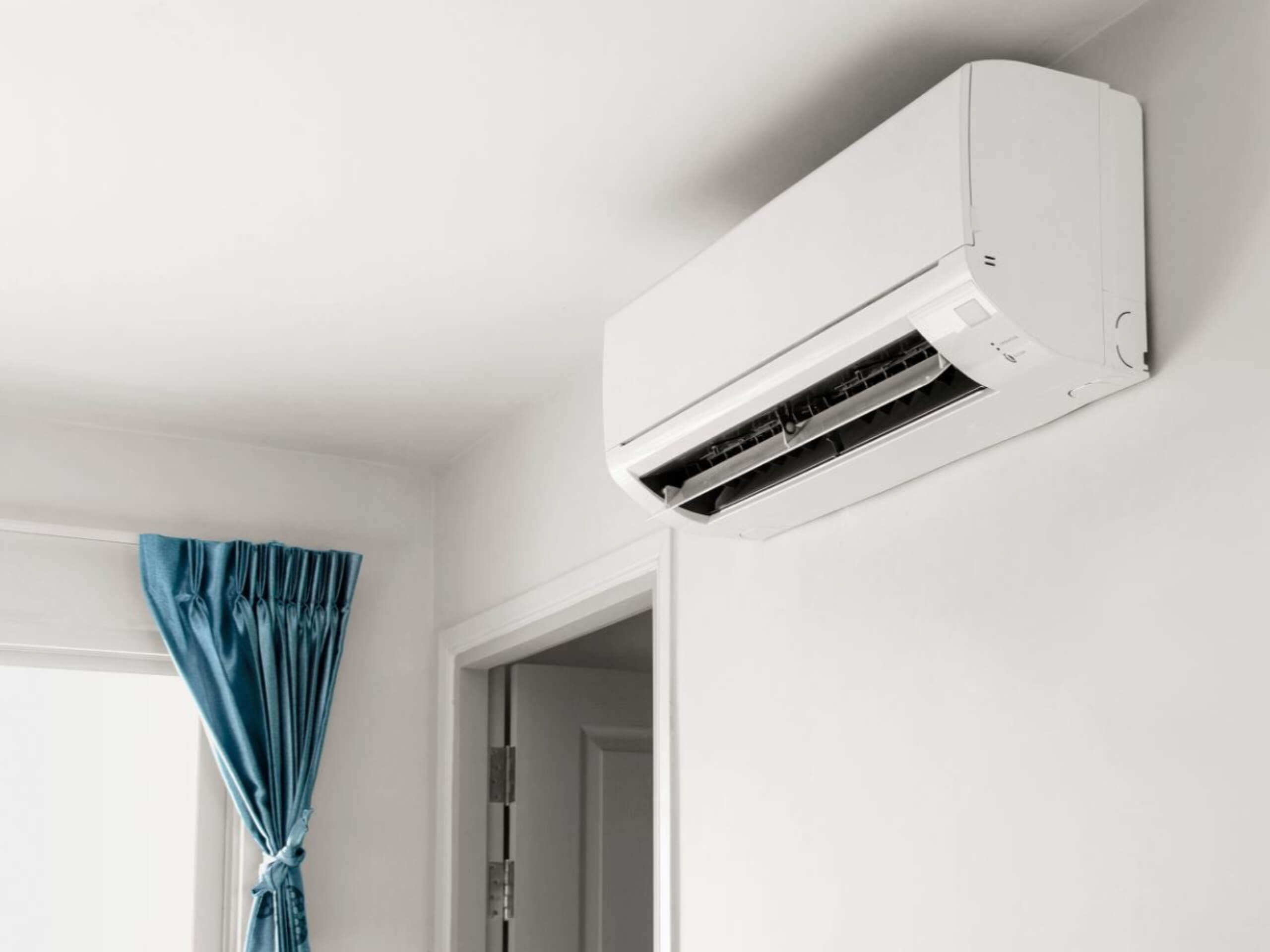
You're sweltering. The thermostat is set low, but your wall air conditioner is stubbornly refusing to blow cold air. Instead, it's puffing out lukewarm air, or maybe even just humming loudly without any noticeable cooling effect. This is a common summer nightmare for many homeowners, but don't panic! Before calling in the professionals, let's explore some simple troubleshooting steps you can take yourself.
Understanding Your Wall Air Conditioner
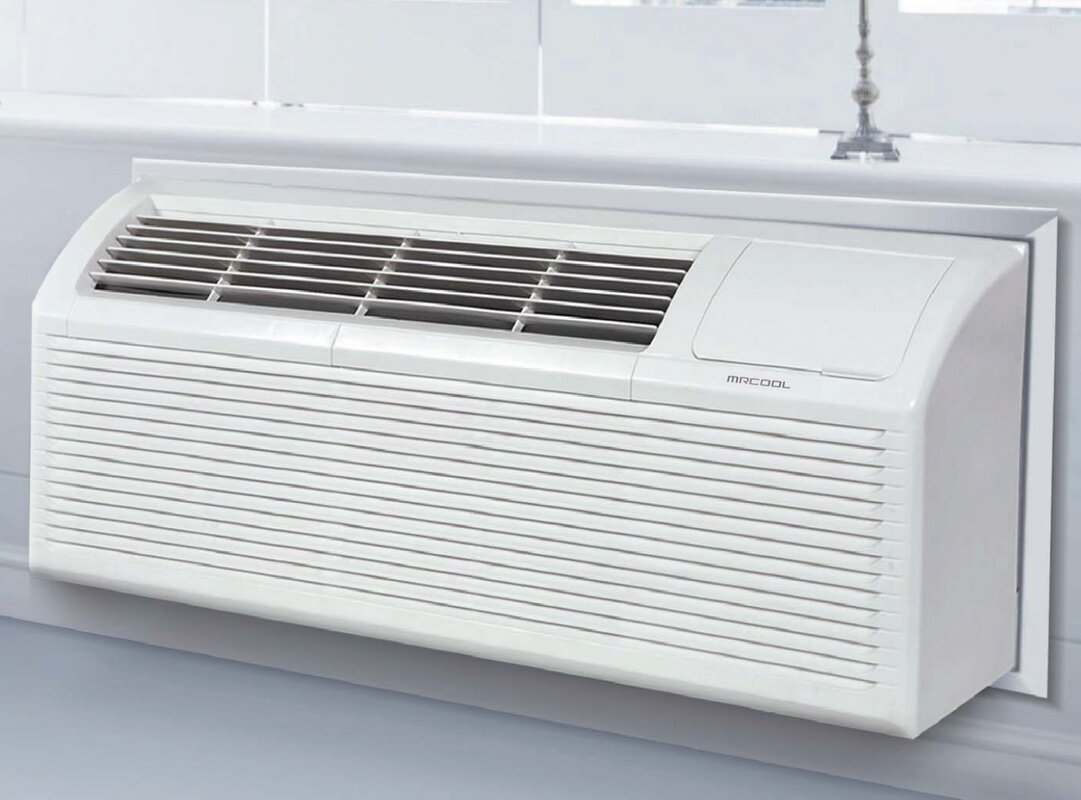
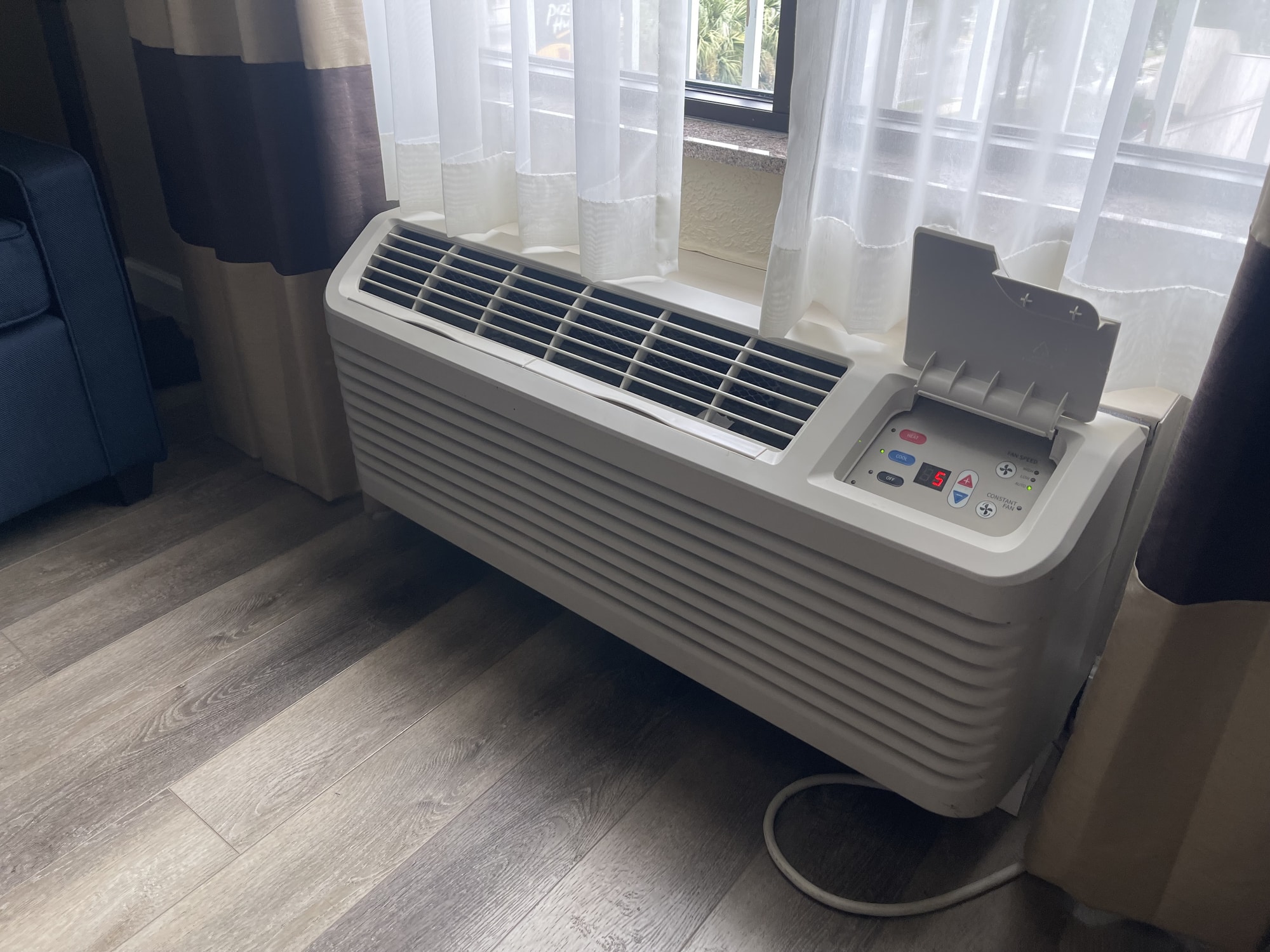
First, let's quickly recap what we're dealing with. A wall air conditioner, also known as a through-the-wall AC unit, is a self-contained cooling system designed to be installed directly into an opening in an exterior wall. Unlike window units, they often offer a more permanent and streamlined appearance. They operate on the same basic principle as other air conditioners, using a refrigerant to absorb heat from inside your room and release it outside. Understanding the components – compressor, condenser coils, evaporator coils, fan – is helpful, but not essential for basic troubleshooting.
The "No Cold Air" Diagnosis: A Step-by-Step Guide
Let's get down to business. Follow these steps systematically to identify the root cause of your warm air woes:
Step 1: Check the Power Supply
This might sound obvious, but it's often overlooked. Ensure the unit is properly plugged into a working outlet. Try plugging another appliance into the same outlet to confirm it's providing power. Also, check your circuit breaker box. A tripped breaker is a common culprit, especially if the AC unit draws a lot of power. If the breaker is tripped, reset it. If it trips again immediately, DO NOT keep resetting it. This indicates a potential electrical problem that requires a qualified electrician.
Step 2: Inspect the Thermostat Setting
Double-check that the thermostat is set to a temperature significantly lower than the current room temperature. It sounds simple, but it's easy to accidentally bump the setting or leave it on "fan only." Also, make sure the unit is set to "cool" mode, not "fan" or "heat." Sometimes the simplest solutions are the correct ones!
Step 3: Air Filter Inspection and Cleaning
A dirty air filter is a prime suspect when an AC unit fails to cool effectively. A clogged filter restricts airflow, making the unit work harder and less efficiently. It can even cause the evaporator coils to freeze up (we'll get to that later). Locate the air filter. It's usually behind a removable panel on the front of the unit. Remove the filter and inspect it. If it's visibly dirty, either clean it or replace it.
Cleaning a Reusable Filter:
- Vacuum the filter with a brush attachment.
- Rinse the filter with warm, soapy water.
- Shake off excess water and allow the filter to dry completely before reinstalling it.
Replacing a Disposable Filter:
Simply purchase a new filter of the correct size (check the unit's manual or the old filter for the size) and install it.
Aim to clean or replace your air filter every 1-3 months, depending on usage and air quality. This simple maintenance task can significantly improve your AC's performance and lifespan.
Step 4: Check for Obstructed Airflow (Inside and Out)
Now that you've addressed the air filter, let's look for other potential airflow obstructions. Make sure furniture, curtains, or other objects aren't blocking the front of the AC unit inside your room.
More importantly, check the exterior of the unit. Over time, leaves, dirt, and debris can accumulate around the condenser coils (the part of the unit that vents heat outside). Clear away any obstructions that might be hindering airflow. A garden hose (on a gentle setting) can be used to rinse away accumulated dirt, but be careful not to spray directly into any electrical components.
Step 5: Inspect for Ice Buildup on the Coils
As mentioned earlier, restricted airflow (due to a dirty filter or other obstruction) can cause the evaporator coils (inside the unit) to freeze up. If you suspect this, turn off the AC unit and allow the ice to melt completely. This may take several hours. Do not attempt to chip away the ice, as you could damage the delicate coils. Once the ice has melted, clean or replace the air filter and clear any other airflow obstructions before turning the AC back on.
Step 6: Check the Condenser Fan
The condenser fan is responsible for dissipating heat from the condenser coils. If the fan isn't running, the unit won't be able to cool effectively. Carefully inspect the fan blades. Are they obstructed by debris? Are they spinning freely? If the fan is blocked, remove the obstruction. If the fan motor seems to be dead (not spinning at all, even after clearing any obstructions), this likely requires professional repair.
Step 7: Listen Carefully to the Unit
Pay attention to any unusual noises coming from the AC unit. Loud grinding, rattling, or buzzing sounds can indicate a mechanical problem, possibly with the compressor or fan motor. Note the specific sound and when it occurs (e.g., only when the unit starts up, or constantly while it's running). This information will be helpful if you need to describe the problem to a technician.
When to Call a Professional
You've diligently followed all the steps above, but your wall air conditioner is still stubbornly refusing to blow cold air. At this point, it's time to call in a qualified HVAC technician. Here are some specific scenarios where professional intervention is necessary:
- Refrigerant Leaks: Refrigerant is the lifeblood of your AC unit. If you suspect a refrigerant leak (e.g., you hear a hissing sound, or the unit is consistently unable to cool even after cleaning the filter and checking for obstructions), DO NOT attempt to repair it yourself. Refrigerant handling requires specialized equipment and training. Leaking refrigerant is also an environmental hazard.
- Compressor Problems: The compressor is the heart of the AC system. If it's failing, the unit simply won't cool. Compressor repairs are complex and require specialized tools and knowledge.
- Electrical Issues: As mentioned earlier, if the circuit breaker keeps tripping, or if you suspect any other electrical problems with the unit, DO NOT attempt to diagnose or repair it yourself. Electrical work is dangerous and should only be performed by a qualified electrician.
- Fan Motor Failure: If the condenser fan motor is dead, replacing it is a job best left to a professional. It involves electrical wiring and disassembly of the unit.
- Frozen Evaporator Coils (Recurring): If your evaporator coils keep freezing up even after you've addressed airflow issues, there may be an underlying problem, such as a refrigerant leak or a faulty thermostat.
- Unfamiliar Noises: Loud and unusual noises that persist after basic troubleshooting often indicate a serious mechanical problem requiring professional attention.
In general, if you're uncomfortable working with electrical components or refrigerant, or if you're unsure about any aspect of the repair process, it's always best to err on the side of caution and call a professional.
Preventative Maintenance: Keeping Your Wall AC Running Smoothly
The best way to avoid air conditioning problems is to perform regular preventative maintenance. Here are some tips:
- Clean or replace the air filter regularly (every 1-3 months).
- Keep the area around the unit (both inside and outside) free of obstructions.
- Periodically inspect the condenser coils for dirt and debris and clean them as needed. A gentle brushing and rinsing with a garden hose can help.
- Consider having your AC unit professionally serviced annually. A technician can check the refrigerant levels, clean the coils, and inspect the unit for any potential problems.
By following these simple troubleshooting steps and preventative maintenance tips, you can keep your wall air conditioner running efficiently and reliably for years to come. Remember to prioritize your safety and call a professional when needed. Stay cool!