What Is A Wenis On The Human Body

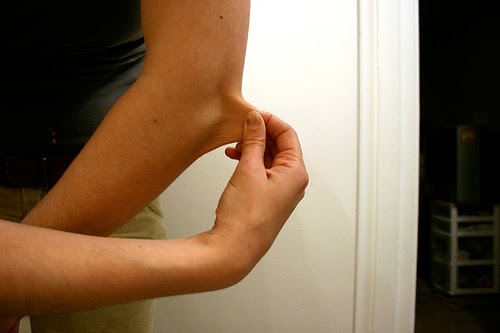
Have you ever heard the term "wenis" and wondered what it refers to on the human body? It's a commonly used, albeit informal, term that refers to the skin on the back of your elbow. While not a medical term, understanding why this particular area is sometimes given a playful name can offer insight into the anatomy of our joints and skin.
Understanding the Wenis: Anatomy and Location
The "wenis" is essentially the skin that covers the olecranon process of the ulna, one of the two long bones in your forearm. The olecranon process is the bony prominence you can easily feel at the point of your elbow. When you extend your arm, the skin stretches across this bony point. When you flex your arm, the skin bunches up, creating the wrinkled or folded appearance that some find amusing.
Think of it like this: imagine a balloon. When you inflate it fully, the surface is smooth and taut. Now, let some air out and pinch a section. The material bunches up and forms wrinkles. The skin at the back of your elbow behaves similarly. It's designed to allow for a wide range of motion in the elbow joint without tearing or overstretching.
Why is it Called a "Wenis"?
The origin of the term "wenis" is somewhat obscure. It seems to have gained popularity through internet culture and is primarily used humorously. It's likely a combination of "weenie" (a slang term sometimes used for a small or insignificant part) and "elbow" or perhaps just a playful-sounding word that stuck.
The important thing to remember is that "wenis" is not a medical or scientific term. Doctors and medical professionals will refer to the area by its anatomical description: the skin covering the olecranon process.
The Function of the Skin at the Elbow
The skin on your elbow, like skin everywhere else on your body, serves several crucial functions. It acts as a protective barrier against the outside world, shielding underlying tissues from injury, infection, and harmful UV radiation. But the skin on the elbow also has to be especially flexible. Here's why:
- Range of Motion: The elbow is a hinge joint, allowing for flexion (bending) and extension (straightening) of the arm. The skin must accommodate this wide range of motion without tearing or restricting movement.
- Protection: The skin protects the olecranon bursa, a small fluid-filled sac that cushions the bony prominence of the elbow. This bursa reduces friction between the bone, tendons, and skin during movement.
- Sensory Input: The skin contains nerve endings that provide sensory information about touch, temperature, and pressure. This allows you to feel and interact with your environment.
The skin's elasticity and ability to stretch and contract are vital for the proper functioning of the elbow joint.
Common Issues Affecting the Elbow Skin (and "Wenis")
While the "wenis" is generally just a humorous term, the skin at the back of the elbow can be susceptible to various skin conditions and injuries. Here are a few common examples:
- Eczema (Atopic Dermatitis): This chronic skin condition can cause dry, itchy, and inflamed skin. The folds of the elbow are a common site for eczema to develop, leading to discomfort and irritation in the "wenis" area.
- Psoriasis: This autoimmune disease can cause thick, scaly patches of skin. The elbows are a frequent location for psoriasis plaques to appear.
- Contact Dermatitis: This occurs when the skin comes into contact with an irritant or allergen. Soaps, detergents, lotions, and certain fabrics can trigger contact dermatitis on the elbows.
- Bursitis: Inflammation of the olecranon bursa can cause pain, swelling, and redness at the back of the elbow. While bursitis primarily affects the bursa itself, the overlying skin can become sensitive and tender.
- Sunburn: Like any other area of exposed skin, the elbows are vulnerable to sunburn. Protecting your elbows with sunscreen is crucial, especially during prolonged sun exposure.
- Dry Skin: The skin on the elbows tends to be drier than other areas of the body due to fewer oil glands. This can lead to cracking, flaking, and itching.
Caring for Your Elbow Skin
Taking care of the skin on your elbows is essential for maintaining its health and preventing discomfort. Here are some tips:
- Moisturize Regularly: Apply a rich moisturizer to your elbows daily, especially after showering or bathing. Look for moisturizers containing ingredients like shea butter, cocoa butter, or hyaluronic acid.
- Use Gentle Soaps: Avoid harsh soaps and detergents that can strip the skin of its natural oils. Opt for gentle, fragrance-free cleansers.
- Exfoliate Gently: Exfoliating your elbows once or twice a week can help remove dead skin cells and prevent dryness and flakiness. Use a gentle scrub or a washcloth.
- Protect from the Sun: Apply sunscreen to your elbows whenever you're exposed to the sun. Choose a broad-spectrum sunscreen with an SPF of 30 or higher.
- Avoid Irritants: Identify and avoid any irritants that may be causing skin problems on your elbows. This could include certain fabrics, soaps, or lotions.
- Stay Hydrated: Drinking plenty of water helps keep your skin hydrated from the inside out.
When to See a Doctor
While minor skin issues on the elbows can often be managed with home care, it's essential to seek medical attention if you experience any of the following:
- Severe Pain: Intense pain that interferes with your ability to use your arm.
- Significant Swelling: Marked swelling, redness, and warmth around the elbow joint.
- Open Sores or Wounds: Any breaks in the skin that don't heal properly.
- Persistent Itching or Rash: An itchy rash that doesn't improve with over-the-counter treatments.
- Fever: A fever accompanied by skin symptoms.
- Limited Range of Motion: Difficulty bending or straightening your arm.
A doctor can diagnose the underlying cause of your skin problems and recommend appropriate treatment options. This might include topical creams, oral medications, or other therapies.
The "Wenis" in Popular Culture
Beyond its anatomical existence, the "wenis" has, thanks to the internet, achieved a level of recognition that most anatomical features don't. It is used in jokes, memes, and casual conversation, highlighting the human tendency to find humor in the mundane. While it's not a term you'd use in a medical setting, its playful usage reflects a lighthearted acceptance of our own bodies.
The fact that such a small area of the body has its own (unofficial) name underscores the human fascination with language and our tendency to categorize and label everything around us.
In Conclusion
The "wenis" is simply the skin on the back of your elbow. While not a medical term, it's a fun and informal way to refer to this area. Understanding the anatomy of the elbow and the function of the skin in this region can help you appreciate the complexity and resilience of the human body. Remember to care for your elbow skin by moisturizing regularly, protecting it from the sun, and avoiding irritants. If you experience any concerning symptoms, don't hesitate to consult a doctor.
So, the next time you hear someone mention the "wenis," you'll know exactly what they're talking about. And you'll also have a better understanding of the skin, joints, and overall anatomy of your own amazing body.