What Is A Zone Control System

Are you tired of your upstairs being an icebox in the winter while your downstairs feels like a sauna? Or vice-versa in the summer? A zone control system might be the solution you've been searching for. This article will delve into what a zone control system is, how it works, its benefits, potential problems, and whether it's a project you can tackle yourself or if you need to call in a professional.
What is a Zone Control System?
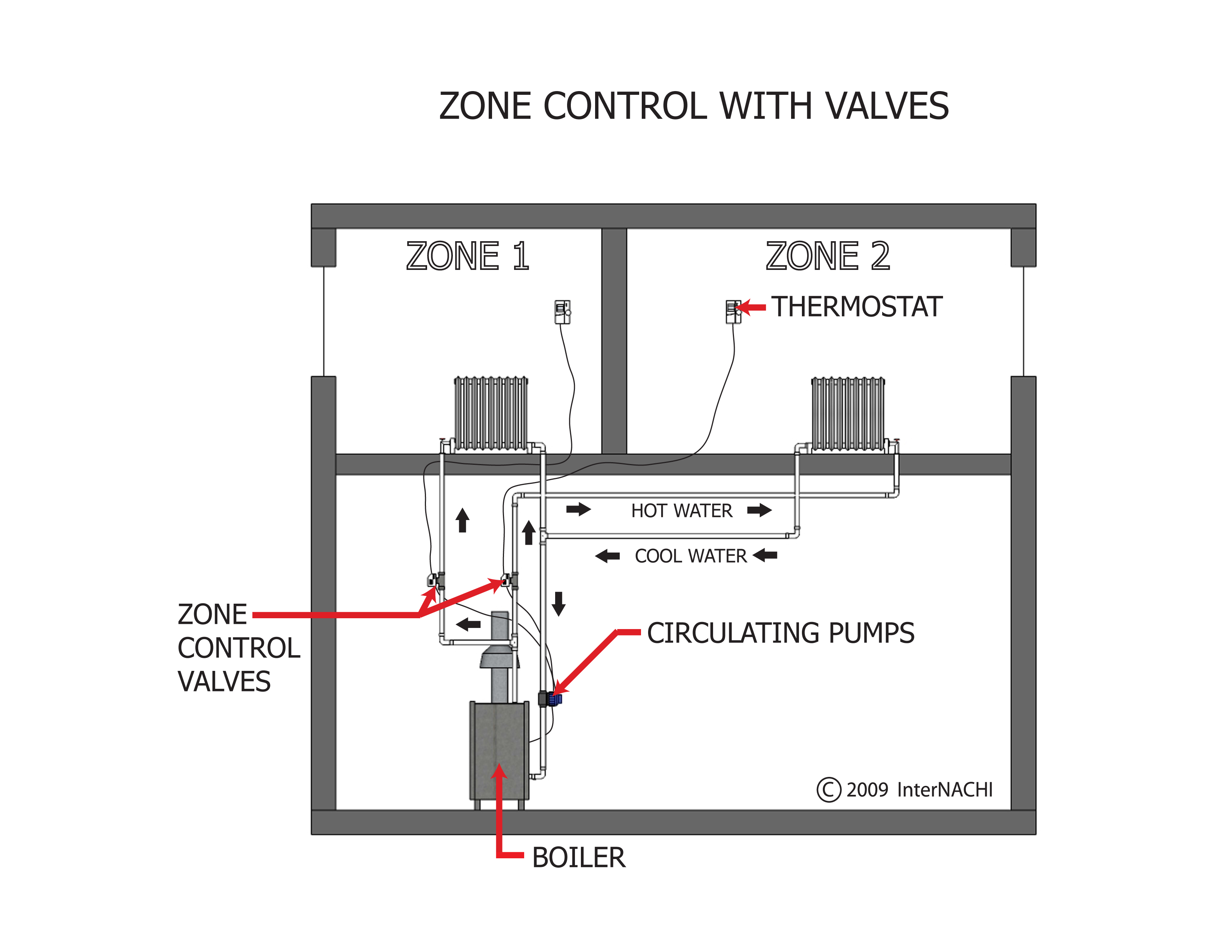
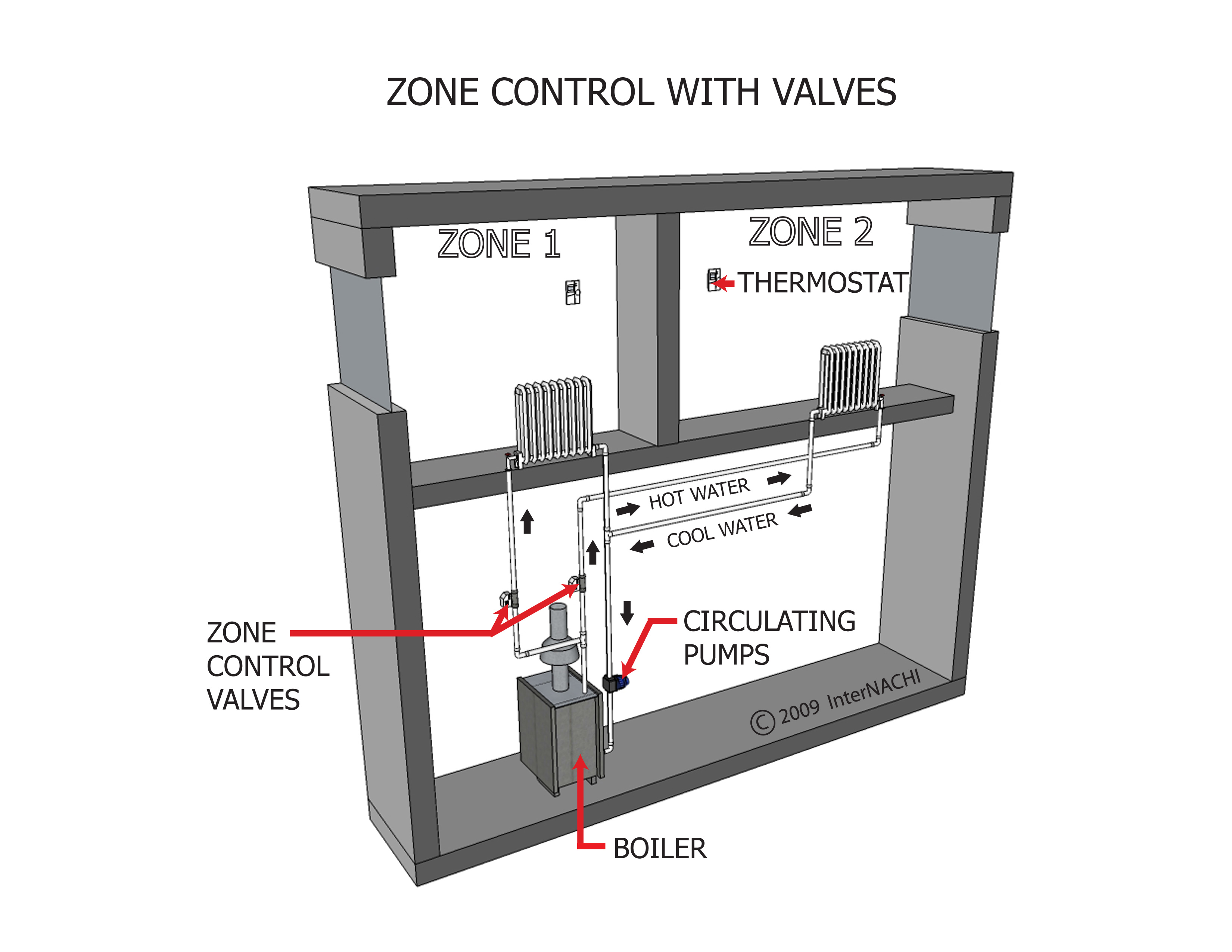
Simply put, a zone control system divides your home into individual "zones," each with its own thermostat to independently control the temperature. Instead of your entire HVAC system working to heat or cool the whole house based on a single thermostat reading, zone control allows you to customize the temperature in different areas. This is especially useful in multi-story homes, homes with large windows, or areas with varying occupancy levels.
How Does It Work?
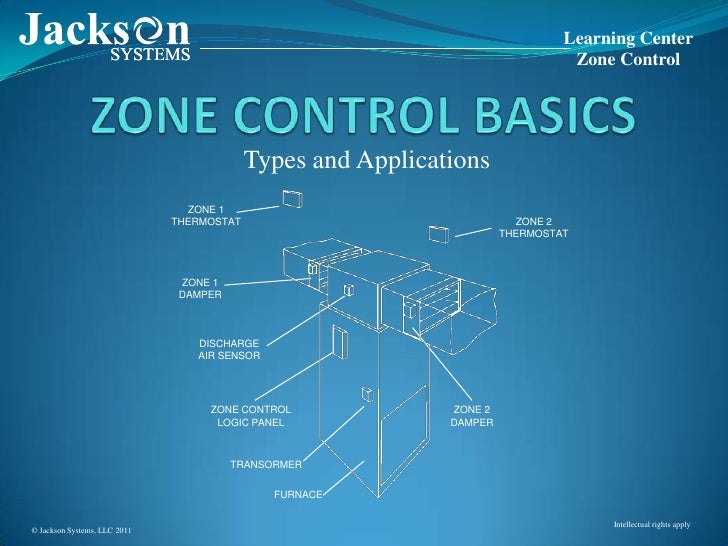
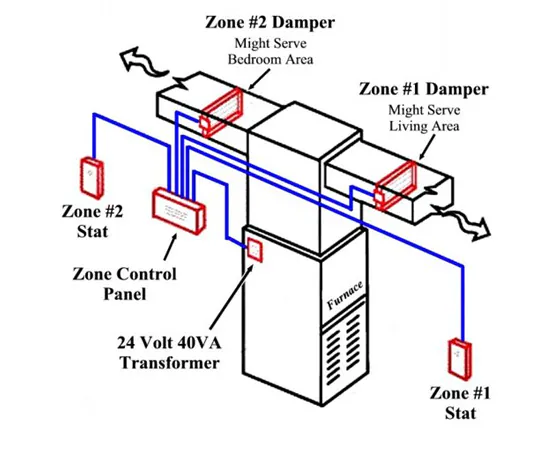
A typical zone control system consists of these components:
- Zoned Thermostats: One thermostat per zone, allowing individual temperature settings.
- Zone Dampers: Motorized dampers installed inside your ductwork that open and close to regulate airflow to each zone.
- Zone Control Panel: The "brain" of the system, receiving signals from the thermostats and controlling the zone dampers.
- Bypass Damper (Optional): Helps regulate static pressure in the ductwork when only a few zones are calling for air. This prevents excessive stress on your HVAC unit.
- HVAC Unit (Furnace/Air Conditioner/Heat Pump): Your existing heating and cooling system.
When a thermostat in a zone calls for heat or cool, it signals the control panel. The control panel then opens the corresponding zone damper and signals the HVAC unit to turn on. If other zones are also calling for heat or cool, their dampers will open as well. When the desired temperature is reached in a zone, the damper closes, and if no other zones need heating or cooling, the HVAC unit shuts off. The bypass damper is essential when some zones are closed, and the blower is pushing air into a limited ductwork volume. It prevents damaging back pressure in the system.
Benefits of a Zone Control System
Investing in a zone control system can offer several advantages:
- Increased Comfort: Enjoy customized temperatures in different areas of your home, eliminating hot and cold spots.
- Energy Savings: Avoid heating or cooling unoccupied areas, reducing energy consumption and lowering utility bills. Estimates show a potential 15-30% energy savings.
- Improved HVAC Efficiency: By only heating or cooling the zones that need it, your HVAC system runs more efficiently, potentially extending its lifespan.
- Reduced Wear and Tear: Less frequent cycling of your HVAC unit can lead to reduced wear and tear on components, minimizing repair costs.
Potential Problems and Troubleshooting
Like any mechanical system, zone control systems can experience problems. Here are some common issues and troubleshooting steps:
- Zone Not Heating or Cooling:
- Possible Cause: Thermostat malfunction.
- Troubleshooting: Check thermostat batteries, settings, and wiring. Test the thermostat with a multimeter if you're comfortable.
- Possible Cause: Damper not opening or closing.
- Troubleshooting: Visually inspect the damper. Listen for the motor activating when the thermostat calls for heat or cool. Check wiring connections to the damper motor.
- Possible Cause: Zone control panel issue.
- Troubleshooting: Check the control panel for error codes or blown fuses. Consult the manufacturer's manual for troubleshooting guidance.
- System Running Constantly:
- Possible Cause: One or more zones constantly calling for heat or cool.
- Troubleshooting: Check thermostat settings in all zones. Look for drafts or insulation issues in the affected zones.
- Possible Cause: Faulty damper constantly open.
- Troubleshooting: Visually inspect the damper. Check wiring connections.
- Loud Noises in Ductwork:
- Possible Cause: High static pressure due to closed dampers.
- Troubleshooting: Ensure the bypass damper is functioning correctly and adjusted properly.
Safety Tip: Always turn off the power to your HVAC system at the breaker before attempting any electrical troubleshooting or repairs.
When to Call a Professional: If you're uncomfortable working with electrical components, dealing with ductwork, or if you suspect a problem with the control panel or HVAC unit itself, it's best to call a qualified HVAC technician. Attempting complex repairs without proper knowledge can be dangerous and may void your warranty.
DIY Installation vs. Professional Installation
While some aspects of zone control system maintenance and troubleshooting can be handled by DIY enthusiasts, installing a new system is a more complex undertaking. Here's a breakdown:
DIY Considerations
Skills Required:
- Basic electrical knowledge (wiring thermostats, control panels).
- Familiarity with HVAC systems and ductwork.
- Ability to read wiring diagrams and technical manuals.
- Experience with tools like wire strippers, multimeters, and drills.
Tools and Materials:
- New zone control system kit (thermostats, dampers, control panel).
- Wiring and connectors.
- Drill and drill bits.
- Wire strippers and crimpers.
- Multimeter.
- Duct tape or mastic sealant.
- Screwdrivers.
- Safety glasses and gloves.
Steps Involved (Simplified):
- Plan your zones and damper placement.
- Install zone dampers in the ductwork. This might involve cutting into the ducts.
- Wire the thermostats to the control panel.
- Connect the control panel to the dampers and HVAC unit.
- Configure the control panel according to the manufacturer's instructions.
- Test the system thoroughly.
Important Note: DIY installation may void warranties on your HVAC equipment or the zone control system components. Always consult the manufacturer's documentation before attempting a DIY install.
Professional Installation
Benefits:
- Proper system design and zone selection.
- Expert installation and wiring.
- Correct system configuration and calibration.
- Warranty coverage.
- Peace of mind knowing the job is done right.
Cost: The cost of professional installation varies depending on the size of your home, the complexity of the system, and local labor rates. Expect to pay anywhere from $2,000 to $6,000 or more for a complete system installation.
Zone Control System Cost Estimates
The overall cost of a zone control system will depend on several factors:
- Size of your home: More zones mean more thermostats and dampers.
- Complexity of your ductwork: Difficult ductwork configurations can increase labor costs.
- Type of system: Basic systems are less expensive than more advanced systems with features like wireless thermostats or remote control.
- Professional vs. DIY installation: DIY will save on labor costs but may require more time and effort.
Here's a general cost breakdown:
- Zone Control Kit (Thermostats, Dampers, Control Panel): $500 - $2000+
- Professional Installation Labor: $1500 - $4000+
- Bypass Damper (If Needed): $100 - $300
- Permits (If Required): $50 - $200
Total Estimated Cost: $2,000 - $6,500+
It's always best to get multiple quotes from qualified HVAC contractors to get an accurate estimate for your specific needs.
Maintenance Tips
To keep your zone control system running smoothly, follow these maintenance tips:
- Regularly check thermostat batteries: Replace batteries as needed to ensure proper operation.
- Inspect zone dampers: Periodically visually inspect dampers for any signs of damage or malfunction.
- Clean or replace air filters: Dirty air filters can restrict airflow and reduce HVAC efficiency.
- Schedule annual HVAC maintenance: A professional tune-up can help identify and address potential problems before they become major issues.
Is a Zone Control System Right for You?
A zone control system can be a worthwhile investment if you experience inconsistent temperatures in your home, have multiple levels, or want to save on energy costs. Carefully consider your needs, budget, and technical skills before deciding whether to tackle the installation yourself or hire a professional. A well-designed and properly installed zone control system can provide years of comfort and energy savings. It’s a significant upgrade to consider for both new constructions and existing homes.
Remember to consult with a qualified HVAC professional for personalized advice and recommendations.