What Is Air Source Heat Pumps
Air source heat pumps (ASHPs) are rapidly gaining popularity as energy-efficient heating and cooling solutions for residential and commercial buildings. Unlike traditional furnaces that burn fuel to generate heat, or air conditioners that solely cool, heat pumps move heat from one place to another. This transfer principle allows them to provide both heating and cooling, making them a versatile option for year-round comfort.
How Air Source Heat Pumps Work
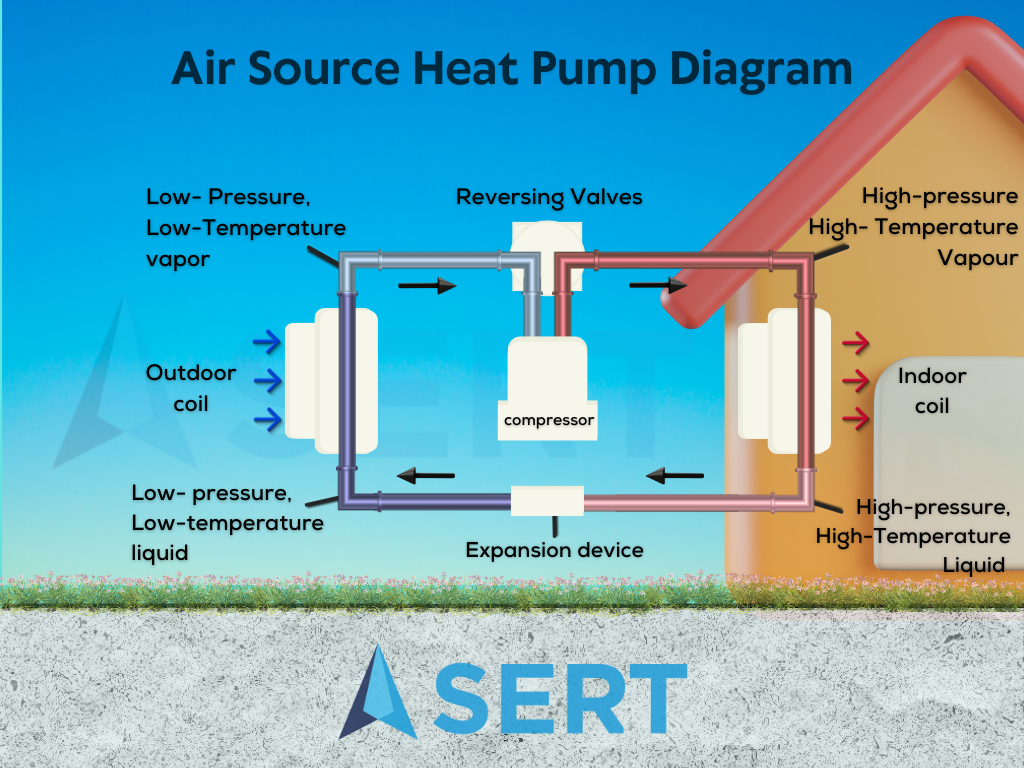
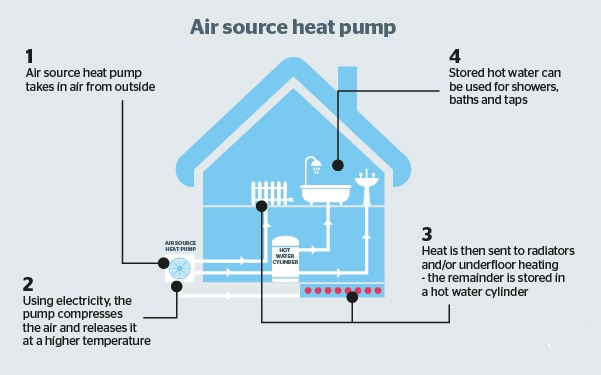
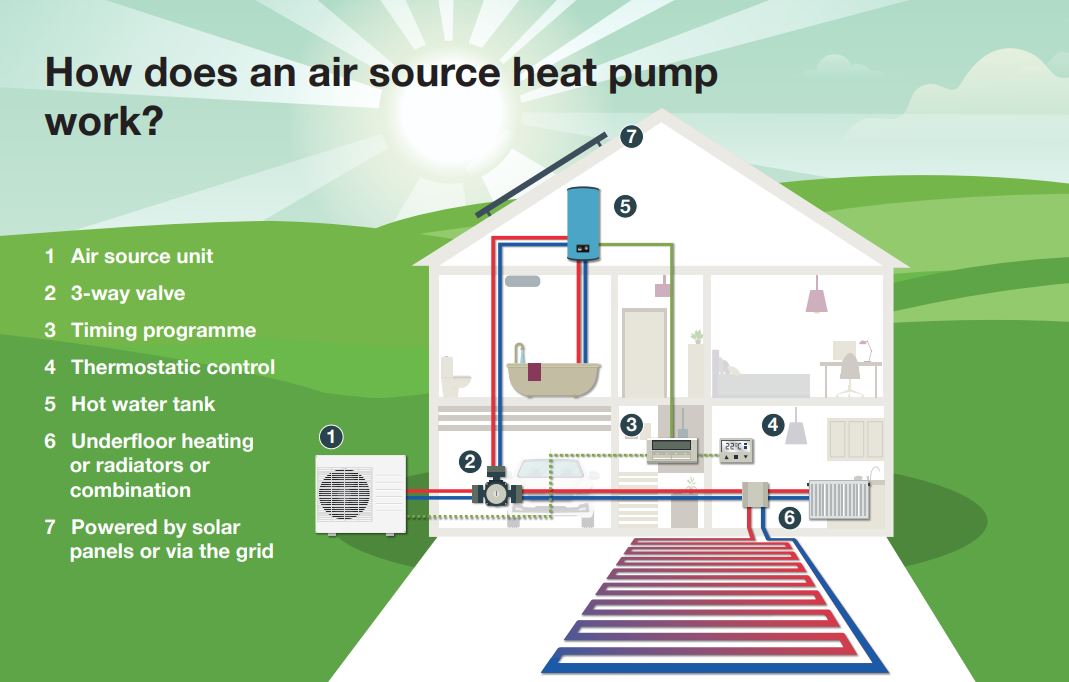
The fundamental process behind an air source heat pump is refrigeration, the same process used in your refrigerator. The system uses a refrigerant, a special fluid that absorbs and releases heat as it changes state (liquid to gas and vice versa). The heat pump cycle involves four main components: a compressor, condenser coil, expansion valve, and evaporator coil. The outdoor unit contains a coil (acting as either the evaporator or condenser depending on the season) and a fan to move air across the coil. The indoor unit also contains a coil and a fan to circulate air.
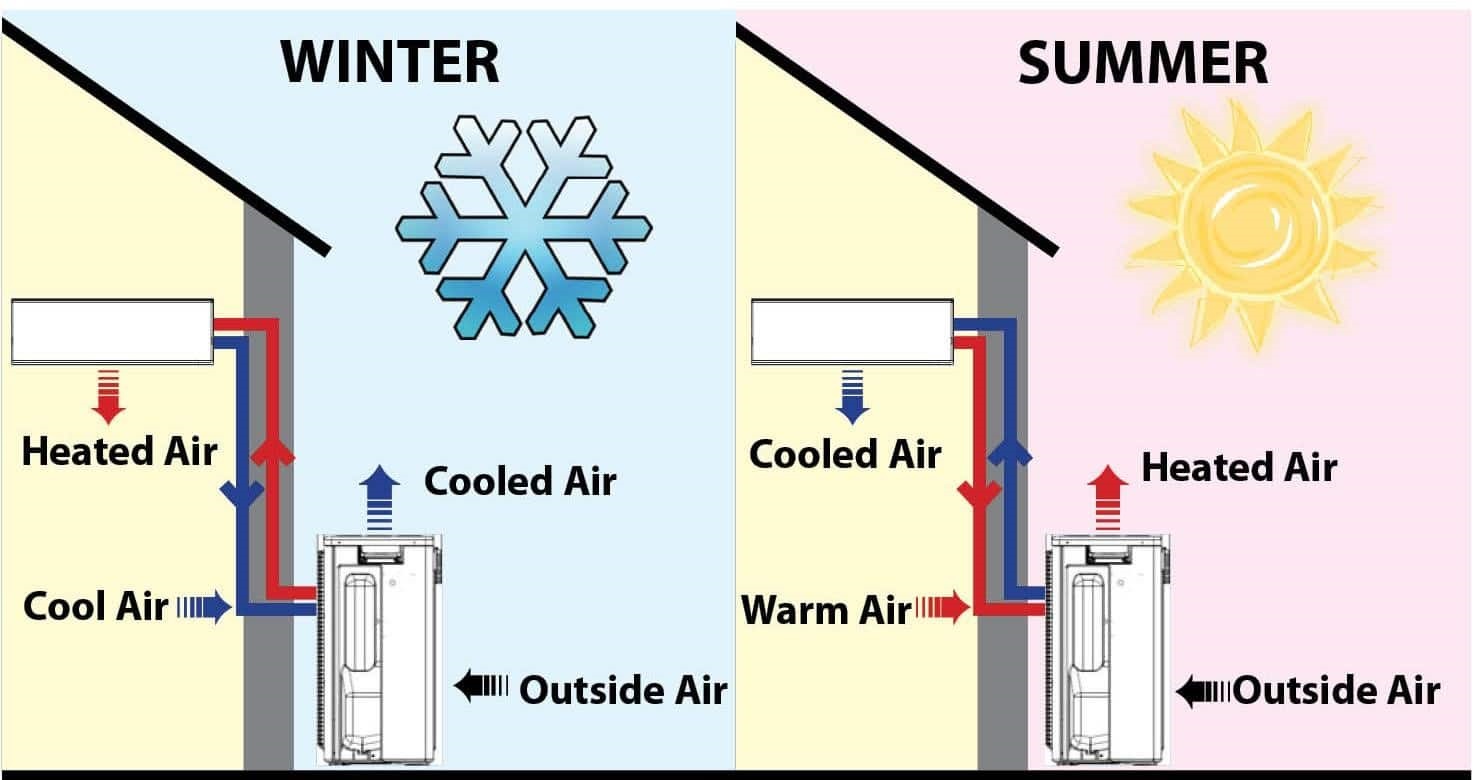
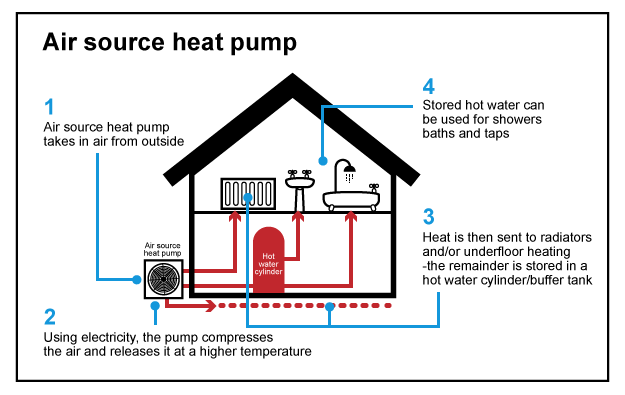
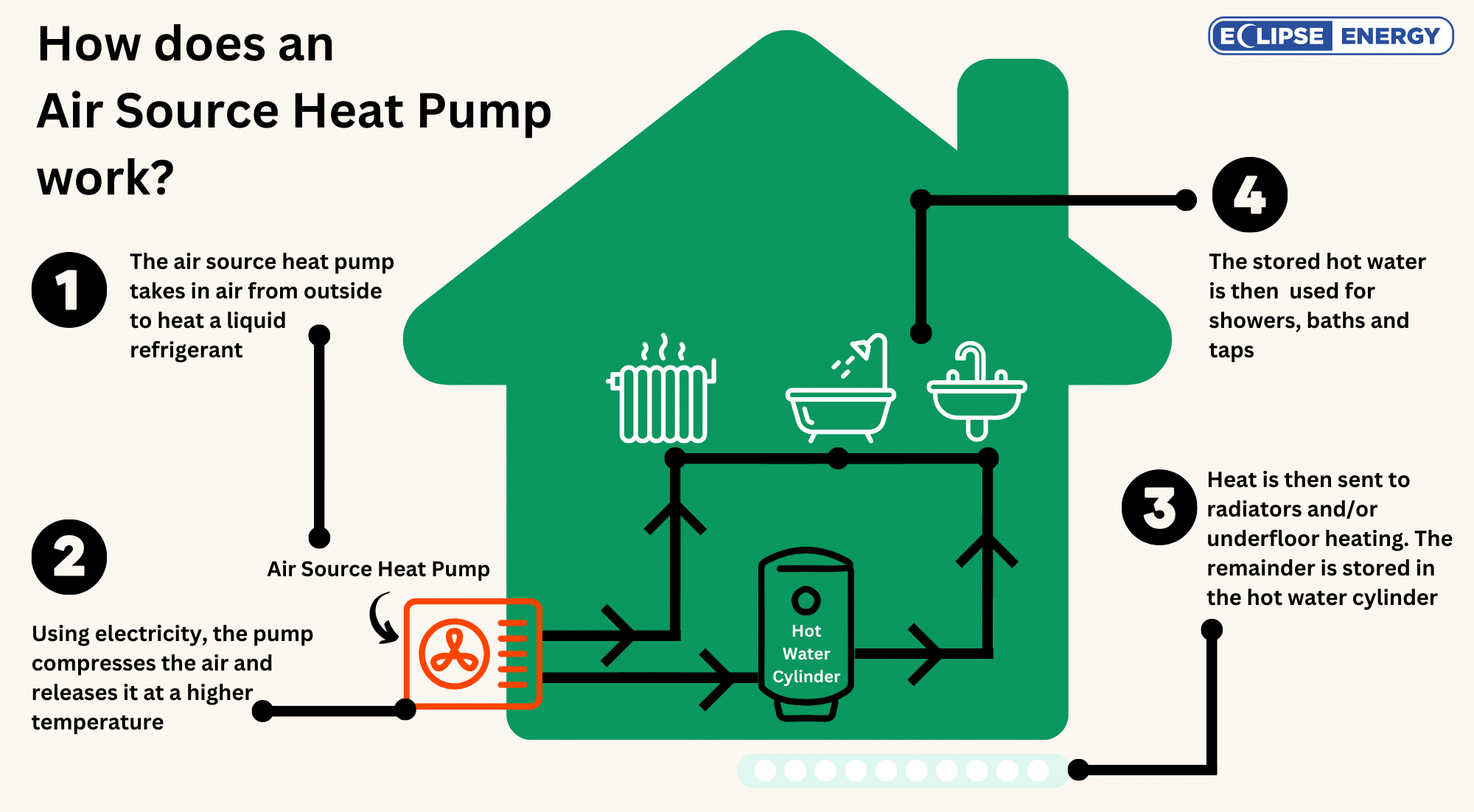
Heating Mode: In heating mode, the heat pump extracts heat from the outdoor air, even in cold temperatures. The refrigerant absorbs this heat in the evaporator coil and becomes a low-pressure gas. The compressor then increases the pressure and temperature of the gas. This hot, high-pressure gas flows to the condenser coil located inside the building, where it releases heat to the indoor air, warming the space. As the refrigerant releases heat, it condenses back into a liquid and flows through an expansion valve, which reduces its pressure and temperature. The low-pressure, low-temperature refrigerant then returns to the outdoor evaporator coil, and the cycle repeats.
Cooling Mode: In cooling mode, the heat pump operates in reverse. The indoor coil becomes the evaporator, absorbing heat from the indoor air and cooling the space. The refrigerant becomes a low-pressure gas, which is then compressed by the compressor into a high-pressure, high-temperature gas. This hot gas flows to the outdoor condenser coil, where it releases heat to the outside air. As the refrigerant releases heat, it condenses back into a liquid and flows through the expansion valve, returning to the indoor evaporator coil to repeat the cycle.
Types of Air Source Heat Pumps
There are primarily two main types of air source heat pumps:
1. Traditional Air Source Heat Pumps
These are the most common type. They transfer heat between the inside of a building and the outside air. Their efficiency decreases as the outdoor temperature drops. Most traditional ASHPs rely on supplemental heat (electric resistance coils or a fossil fuel furnace) to provide adequate heating when temperatures fall below freezing. This supplementary heat can significantly reduce the system's overall efficiency.
2. Cold Climate Air Source Heat Pumps (ccASHPs)
Cold climate air source heat pumps are specifically designed to operate efficiently in colder temperatures. They incorporate advanced compressor technology, larger coils, and improved defrost controls to maintain heating capacity and efficiency even when temperatures are well below freezing (often down to -15°F or lower). Some ccASHPs can operate without supplemental heat in many colder climates. They are the preferred choice for homeowners in northern regions who want to minimize their reliance on fossil fuels or electric resistance heating. Look for models with the "NEEP Cold Climate Air Source Heat Pump Specification" endorsement.
Efficiency Ratings: SEER, HSPF, and COP
When evaluating air source heat pumps, it's crucial to understand the efficiency ratings:
- SEER (Seasonal Energy Efficiency Ratio): Measures the cooling efficiency of the heat pump. A higher SEER rating indicates better cooling efficiency. Modern heat pumps typically have SEER ratings ranging from 14 to over 20. The minimum SEER rating currently required by the Department of Energy (DOE) is 14 or 15, depending on the region.
- HSPF (Heating Seasonal Performance Factor): Measures the heating efficiency of the heat pump. A higher HSPF rating indicates better heating efficiency. Current heat pumps have HSPF ratings ranging from 8 to over 10. The minimum HSPF rating required by the DOE is 8.8 in most regions.
- COP (Coefficient of Performance): Represents the ratio of heating output to electrical input at a specific operating condition. COP is generally used for comparing performance at a specific temperature point, while HSPF represents seasonal performance. A higher COP indicates greater efficiency. Cold climate heat pumps typically have higher COPs at low temperatures.
Costs and Lifespan
The initial cost of an air source heat pump can be higher than that of a traditional furnace and air conditioner. However, the operating costs are often lower, resulting in long-term savings. Installation costs vary depending on the complexity of the installation, the size of the unit, and the location. The cost of a new air source heat pump system can range from $4,000 to $12,000 or more, installed.
The lifespan of an air source heat pump is typically 15 to 20 years, provided that it is properly maintained. Regular maintenance, such as cleaning coils and replacing filters, can extend the life of the unit and ensure optimal performance.
Benefits of Air Source Heat Pumps
- Energy Efficiency: Heat pumps can be significantly more energy-efficient than traditional heating and cooling systems, reducing energy bills.
- Year-Round Comfort: Provides both heating and cooling, eliminating the need for separate systems.
- Reduced Carbon Footprint: By using electricity instead of fossil fuels, heat pumps can reduce greenhouse gas emissions.
- Improved Air Quality: Heat pumps don't burn fuel, so they don't produce combustion byproducts like carbon monoxide, which can improve indoor air quality.
- Quiet Operation: Modern heat pumps are designed to operate quietly, both indoors and outdoors.
Considerations Before Installing an Air Source Heat Pump
- Climate: Although cold climate heat pumps are designed for colder regions, it's essential to choose a system that is properly sized for your climate and heating/cooling needs.
- Insulation: Proper insulation is crucial for maximizing the efficiency of a heat pump. Ensure that your home is well-insulated to minimize heat loss in the winter and heat gain in the summer.
- Ductwork: If you have existing ductwork, ensure that it is properly sealed and insulated to prevent air leaks. Ductless mini-split heat pumps are a good option for homes without ductwork.
- Professional Installation: Proper installation is essential for ensuring optimal performance and longevity. Choose a qualified and experienced HVAC contractor to install your heat pump.
- Backup Heating: Depending on your climate, you may need a backup heating system (e.g., electric resistance heat) for extremely cold days.
Air Source Heat Pumps vs. Other HVAC Systems
Air Source Heat Pumps vs. Furnaces: Furnaces burn fuel to generate heat, while heat pumps transfer heat. Heat pumps are typically more energy-efficient than furnaces, especially in mild climates. However, furnaces can provide more heat output in extremely cold temperatures, unless a cold climate heat pump is used.
Air Source Heat Pumps vs. Air Conditioners: Air conditioners only provide cooling, while heat pumps provide both heating and cooling. Heat pumps are a more versatile option for year-round comfort.
Air Source Heat Pumps vs. Geothermal Heat Pumps: Geothermal heat pumps use the earth's constant temperature as a heat source/sink, making them even more efficient than air source heat pumps. However, geothermal systems are more expensive to install due to the need for underground piping.
Maintenance Tips for Air Source Heat Pumps
- Regularly change or clean air filters: Dirty filters restrict airflow and reduce efficiency.
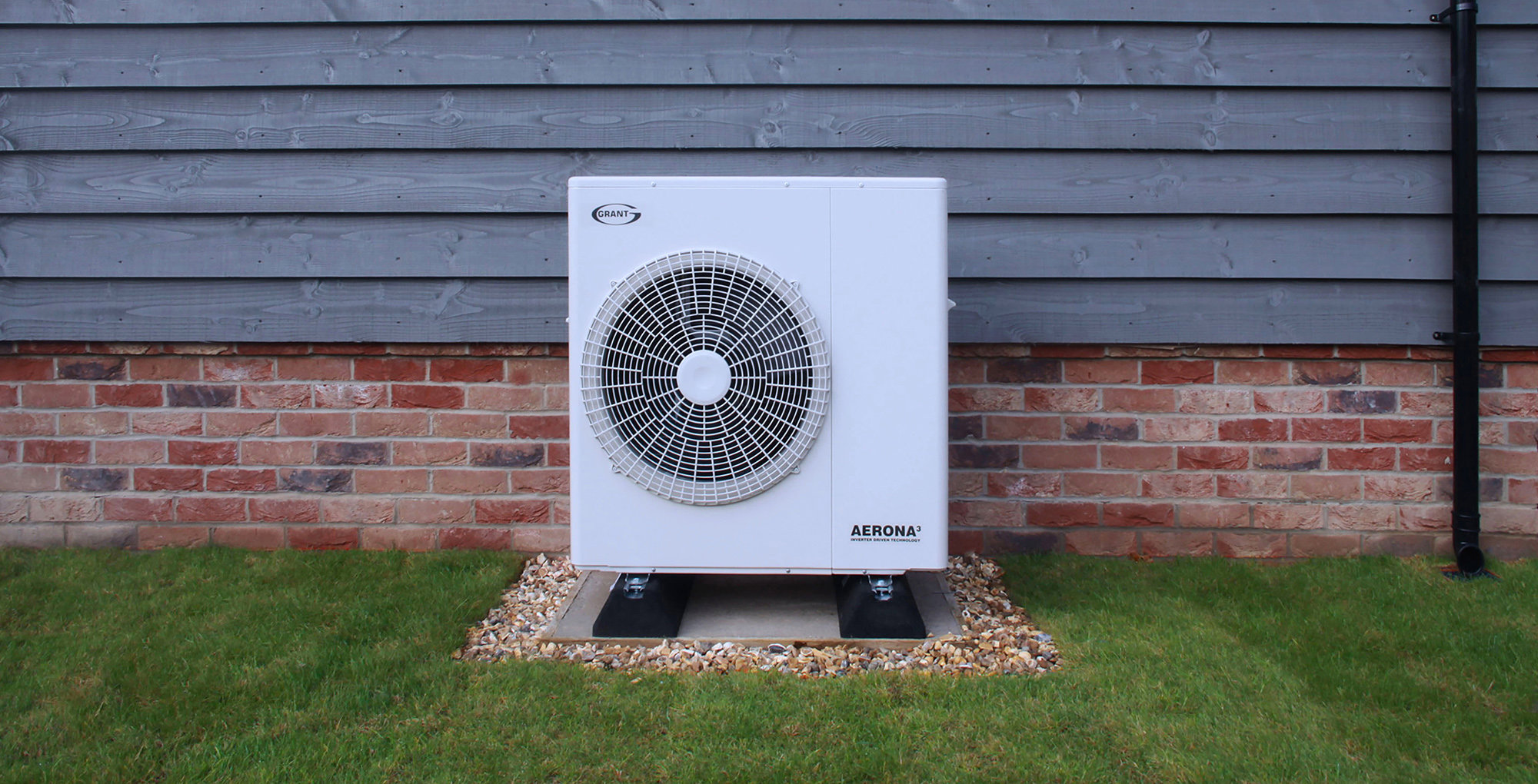
- Keep outdoor unit clear of debris: Trim vegetation and remove snow or ice that could block airflow.
- Schedule annual maintenance: Have a qualified HVAC technician inspect and service the system.
- Monitor system performance: Pay attention to any unusual noises or changes in performance.
Air source heat pumps offer an energy-efficient and environmentally friendly way to heat and cool your home or building. By understanding the technology, efficiency ratings, and installation considerations, you can make an informed decision about whether an air source heat pump is right for you. Consider consulting with a qualified HVAC professional to assess your specific needs and recommend the best system for your situation. With proper installation and maintenance, an air source heat pump can provide years of reliable and efficient comfort.