What Is An Ac Condenser Unit

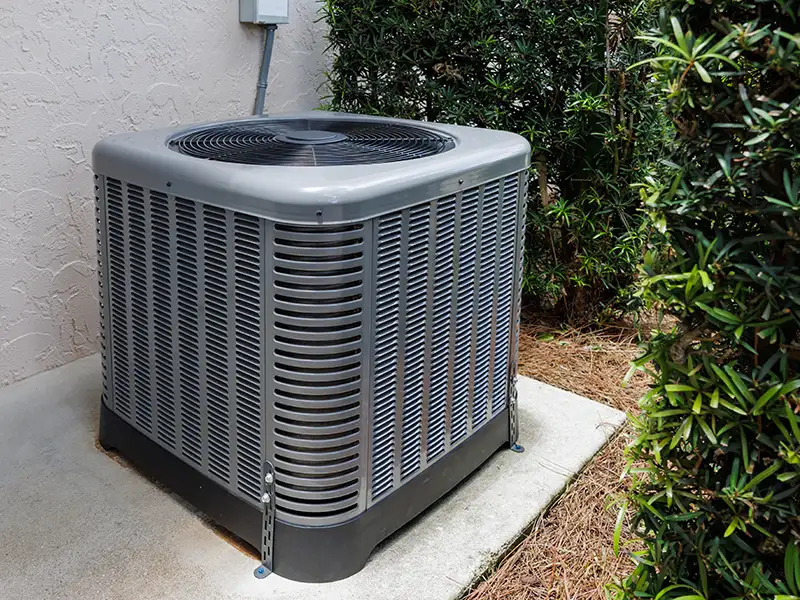
The AC condenser unit, that large, humming box sitting outside your house, is a critical component of your home's air conditioning system. Understanding its function and how it interacts with other parts of your HVAC system can empower you to troubleshoot minor issues, perform basic maintenance, and communicate effectively with HVAC technicians when professional help is needed. This guide will provide a comprehensive overview of the AC condenser unit, covering its components, function, common problems, and basic troubleshooting tips.
What Exactly Is the AC Condenser Unit?
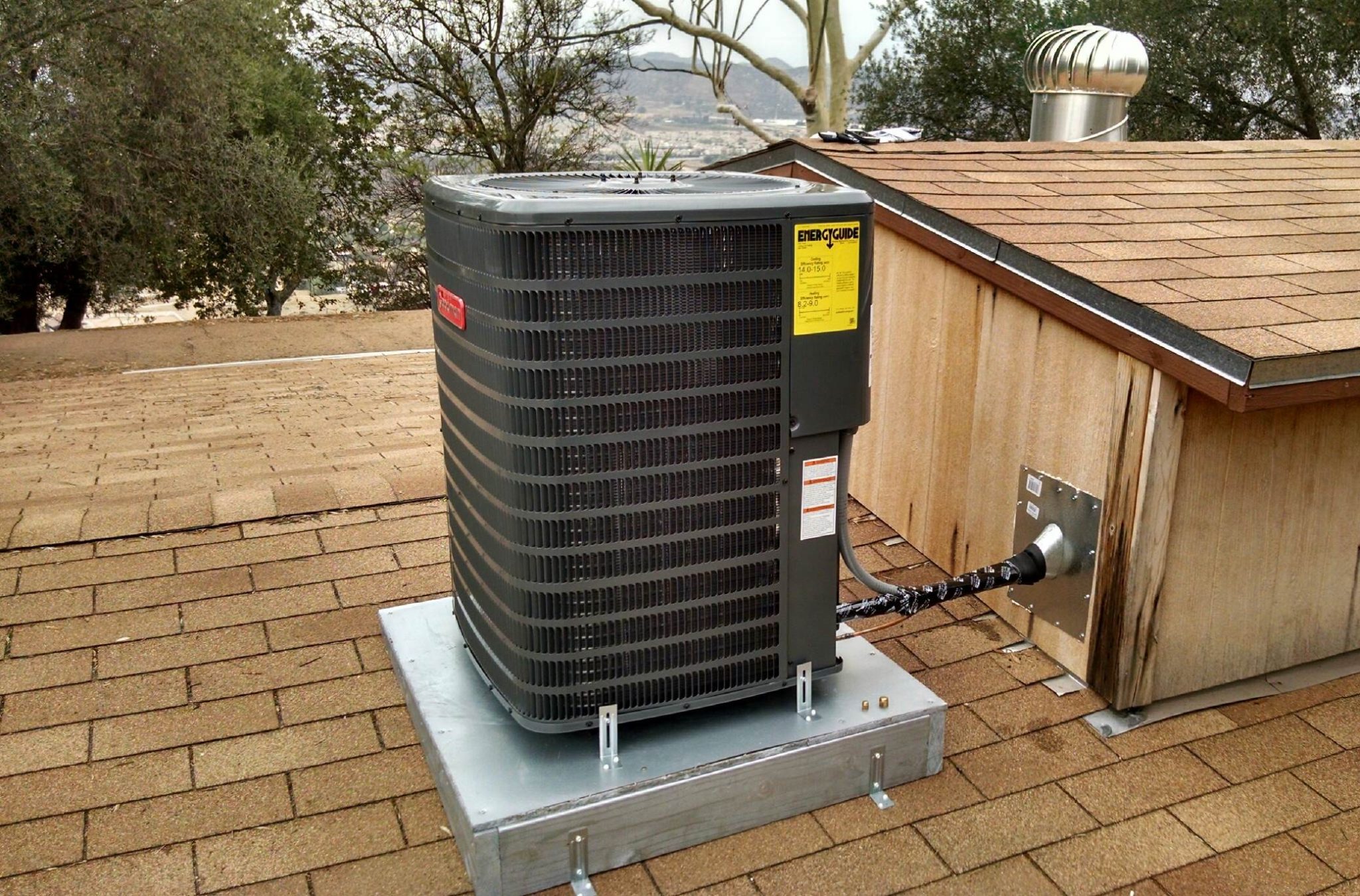
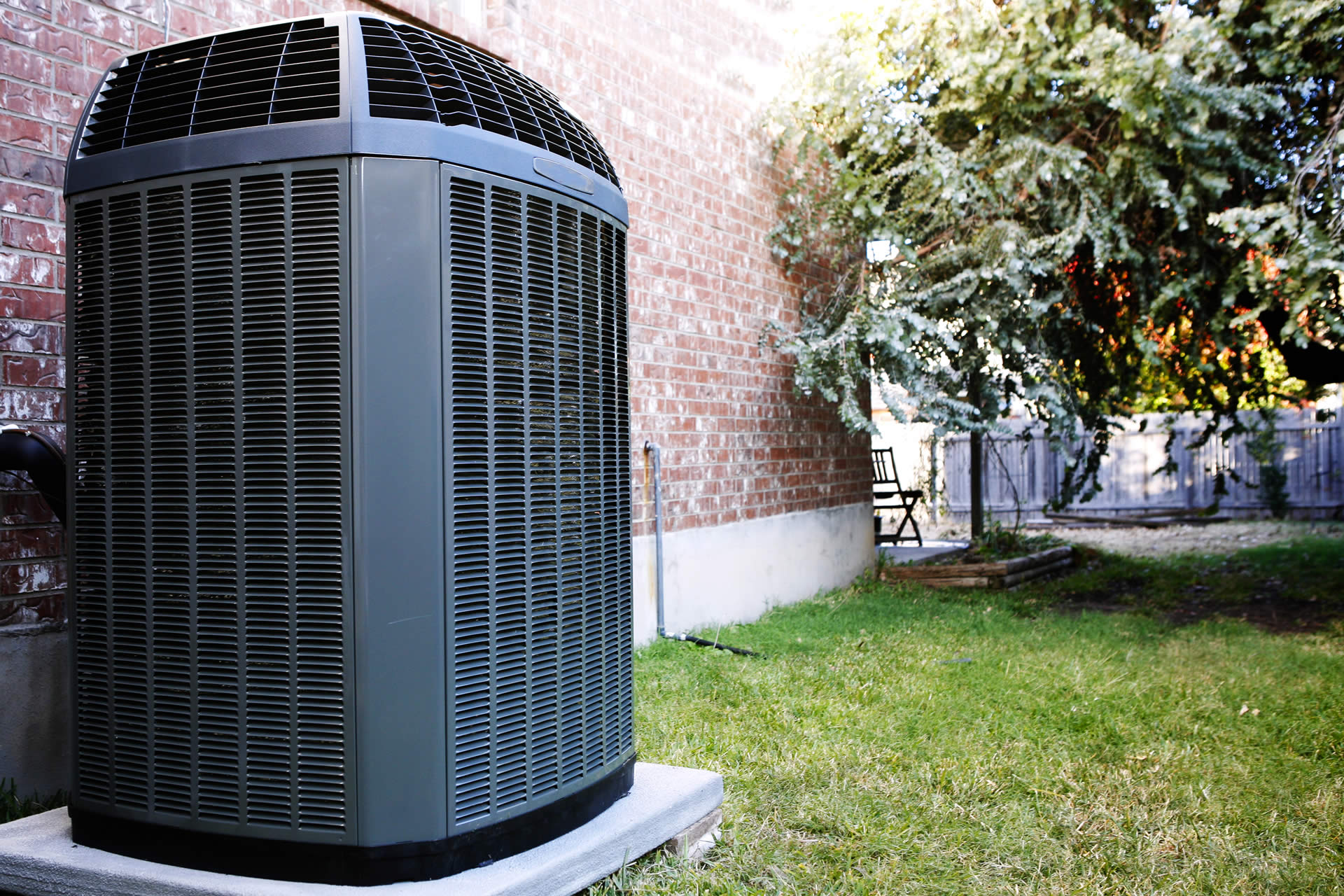
The AC condenser unit is the outdoor portion of a split-system air conditioner. It's responsible for releasing the heat that's been absorbed from inside your home. Think of it as the exhaust system for your cooling system. Without a functioning condenser unit, your air conditioner simply can't cool your home effectively.
Key Components of the Condenser Unit:
Let's break down the core components that make up the condenser unit:
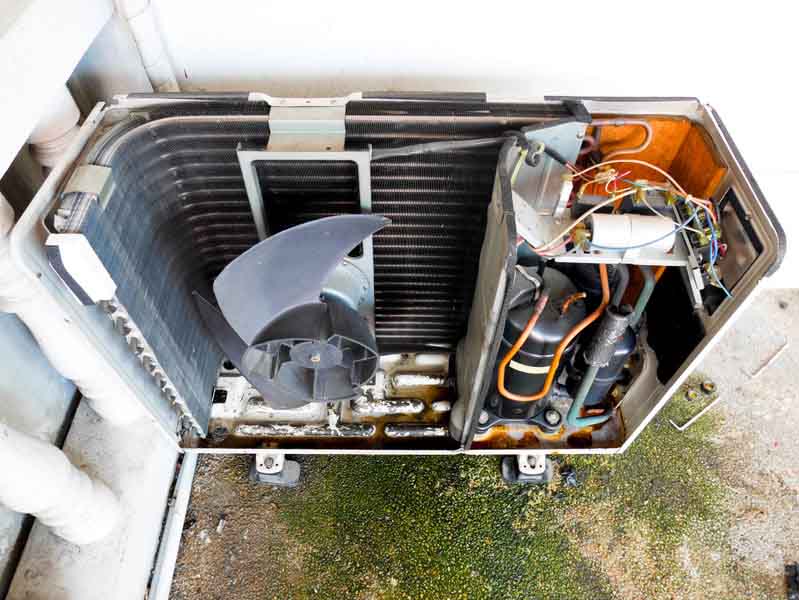
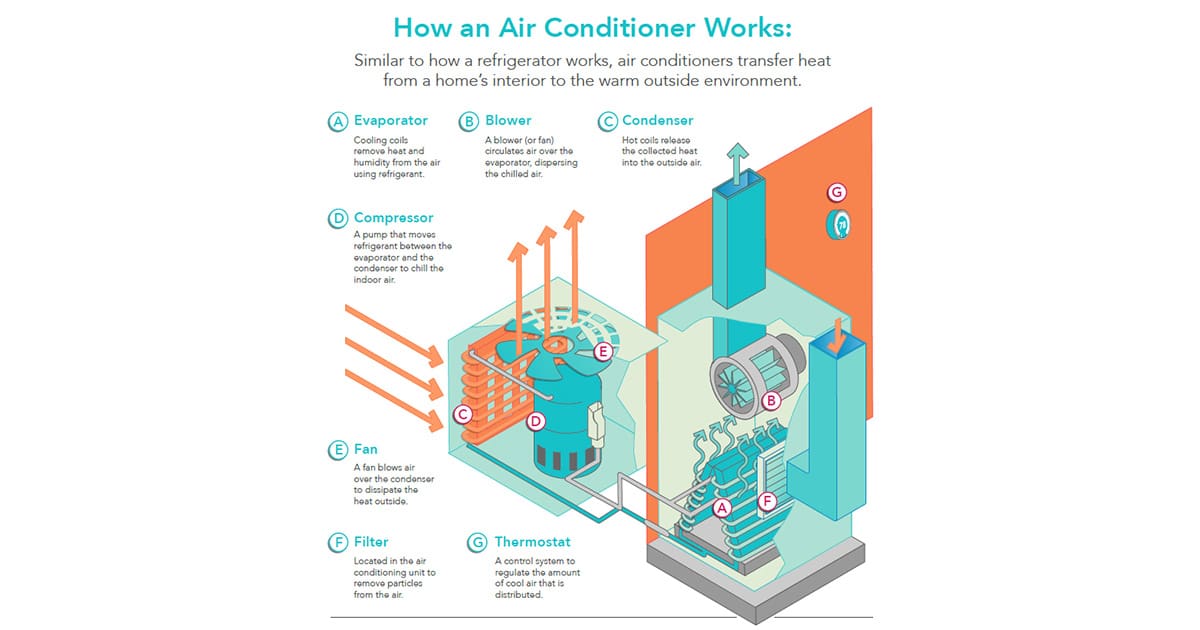
- Compressor: The heart of the system. It's a pump that circulates refrigerant throughout the AC system. The compressor increases the pressure and temperature of the refrigerant.
- Condenser Coil: A series of copper or aluminum tubes with fins that radiate heat. Hot refrigerant flows through these coils, and the fan helps to dissipate the heat to the outside air.
- Condenser Fan: This fan pulls air across the condenser coil, aiding in the heat exchange process. A malfunctioning fan significantly reduces the unit's cooling capacity.
- Expansion Valve or Metering Device: While sometimes located near the indoor unit, it controls the flow of refrigerant into the evaporator coil.
- Electrical Components: This includes the capacitor (which helps start the compressor and fan motor), contactor (a switch that controls power to the compressor), and wiring.
- Refrigerant: The fluid that absorbs and releases heat as it circulates through the system. Common refrigerants include R-22 (being phased out) and R-410A.
How the AC Condenser Unit Works: The Cooling Cycle
To understand the condenser unit's role, it's important to understand the basic cooling cycle:
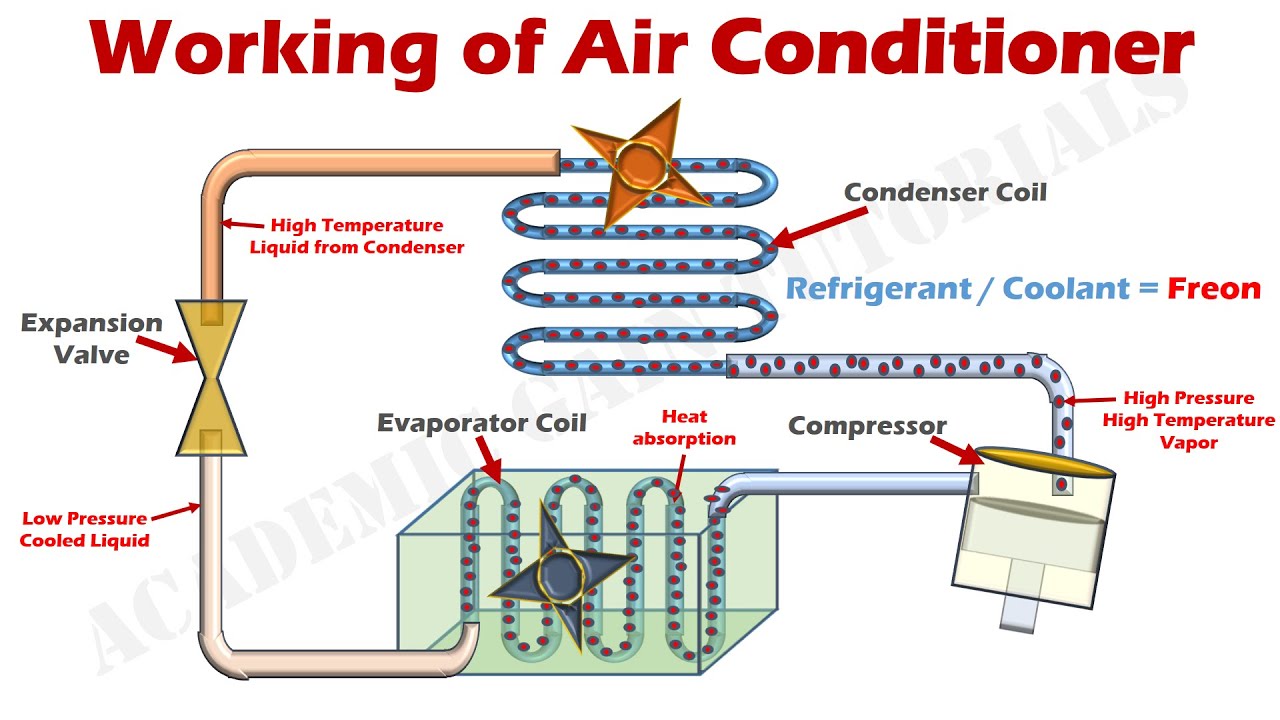
- Refrigerant Absorption: Warm air from your home is blown across the evaporator coil (located in your indoor unit). The refrigerant inside the evaporator coil absorbs the heat, cooling the air.
- Refrigerant Transport: The refrigerant, now warm, travels as a gas through a copper pipe to the condenser unit.
- Compression: Inside the condenser unit, the compressor pressurizes the refrigerant, further increasing its temperature.
- Heat Rejection: The hot, high-pressure refrigerant flows through the condenser coil. The condenser fan blows air across the coil, removing heat and causing the refrigerant to condense back into a liquid.
- Expansion and Return: The liquid refrigerant then flows through the expansion valve or metering device, which reduces its pressure and temperature. It then returns to the evaporator coil to repeat the cycle.
Common Problems with AC Condenser Units
A malfunctioning condenser unit can lead to a variety of problems, including reduced cooling, higher energy bills, and complete system failure. Here are some common issues:
- Dirty Condenser Coil: Dirt, leaves, and debris can accumulate on the condenser coil, preventing proper heat transfer. This is one of the most common and easily preventable problems.
- Faulty Condenser Fan: A broken or weak condenser fan will reduce the unit's ability to dissipate heat, leading to overheating and reduced cooling efficiency.
- Compressor Failure: The compressor is the most expensive component to replace. Failure can be caused by overheating, electrical problems, or refrigerant leaks.
- Refrigerant Leaks: Low refrigerant levels reduce the system's cooling capacity and can damage the compressor. Leaks need to be located and repaired by a qualified technician.
- Capacitor Failure: A bad capacitor can prevent the compressor or fan motor from starting. This is a relatively common and inexpensive repair.
- Contactor Failure: The contactor can become corroded or worn, preventing power from reaching the compressor.
- Electrical Problems: Loose wiring, damaged wiring, or faulty electrical components can cause the condenser unit to malfunction.
- Frozen Evaporator Coil: Although the issue starts at the indoor unit, a frozen evaporator coil can put excessive strain on the condenser unit.
Troubleshooting Your AC Condenser Unit: A DIY Approach
Before calling a professional, there are a few things you can check yourself. Always disconnect power to the unit at the disconnect box before performing any maintenance or troubleshooting.
Basic Troubleshooting Steps:
- Visual Inspection: Check for obvious signs of damage, such as bent fins, loose wiring, or leaks.
- Clean the Condenser Coil: Turn off the power to the unit. Use a garden hose with a gentle spray nozzle to wash away dirt and debris from the outside of the coil. Avoid using high-pressure spray, as it can damage the fins. You can also use a fin comb to straighten bent fins.
- Check the Condenser Fan: Make sure the fan blades are clean and free of obstructions. Check if the fan motor is running smoothly. If the fan is not running or is making unusual noises, it may need to be replaced.
- Check the Capacitor: This step requires extreme caution. Capacitors store electricity and can deliver a dangerous shock even after the power is turned off. If you are not comfortable working with electricity, call a professional. If you are experienced and comfortable, discharge the capacitor with an insulated screwdriver before touching it. Look for signs of bulging, leaking, or corrosion. A multimeter can be used to test the capacitor's capacitance.
- Check the Contactor: Look for signs of corrosion or damage. If the contactor is visibly damaged, it should be replaced by a qualified technician.
- Check the Air Filter: A dirty air filter restricts airflow to the indoor evaporator coil which may lead to freezing and put extra load on the condenser unit.
Tools You Might Need:
- Screwdrivers (various sizes)
- Wrench set
- Multimeter
- Fin comb
- Garden hose with spray nozzle
- Work gloves
- Safety glasses
- Voltage Tester
When to Call a Professional HVAC Technician
While some issues can be addressed with basic DIY troubleshooting, certain problems require the expertise of a qualified HVAC technician. It is time to call a professional in these situations:
- Refrigerant Leaks: Handling refrigerant requires specialized equipment and knowledge. It's also illegal to knowingly release refrigerant into the atmosphere.
- Compressor Problems: Compressor repair or replacement is a complex and expensive job that should be left to the pros.
- Electrical Issues: Working with electrical components can be dangerous. If you are not comfortable working with electricity, call a professional.
- Frozen Evaporator Coil: While checking the air filter is a DIY fix, determining the root cause of the freeze and fixing it often requires professional diagnostics.
- You're Not Comfortable: If you're unsure about any aspect of the troubleshooting process, it's always best to err on the side of caution and call a professional.
Estimated Repair Costs
Here are some rough estimates for common AC condenser unit repairs. Keep in mind that these prices can vary depending on your location, the complexity of the job, and the HVAC contractor you choose. Always get multiple quotes before hiring a technician.
- Condenser Coil Cleaning: $75 - $200
- Condenser Fan Motor Replacement: $150 - $400
- Capacitor Replacement: $100 - $250
- Contactor Replacement: $150 - $350
- Refrigerant Leak Repair: $200 - $1,000+ (depending on the size and location of the leak)
- Compressor Replacement: $1,500 - $4,000+
- Complete Condenser Unit Replacement: $2,000 - $6,000+ (including installation)
Preventative Maintenance for a Long Life
Regular maintenance can help extend the life of your AC condenser unit and prevent costly repairs. Here are some tips:
- Clean the Condenser Coil Regularly: At least once a year, or more frequently if you live in a dusty or debris-prone area.
- Trim Vegetation: Keep bushes and plants trimmed back from the condenser unit to allow for proper airflow.
- Change Air Filters Regularly: Dirty air filters restrict airflow and can cause the system to work harder.
- Schedule Professional Tune-Ups: Have your HVAC system inspected and tuned up by a qualified technician at least once a year.
Conclusion
The AC condenser unit is a vital part of your home's cooling system. By understanding its function, common problems, and basic troubleshooting steps, you can keep your system running efficiently and avoid costly repairs. Remember to prioritize safety and call a professional when needed. Regular maintenance is key to extending the life of your unit and keeping your home comfortable for years to come.