What Is An Air Conditioner Evaporator

Understanding the Heart of Your Cooling System: The Air Conditioner Evaporator
When considering a new air conditioning system, understanding the components that make it work is crucial. While terms like "SEER rating" and "BTUs" get a lot of attention, the evaporator coil, often hidden from view, is the workhorse responsible for actually cooling your home. This article will break down what an evaporator is, how it functions, its importance to overall system efficiency, and what to look for when choosing a new air conditioning unit.
What Exactly is an Air Conditioner Evaporator Coil?
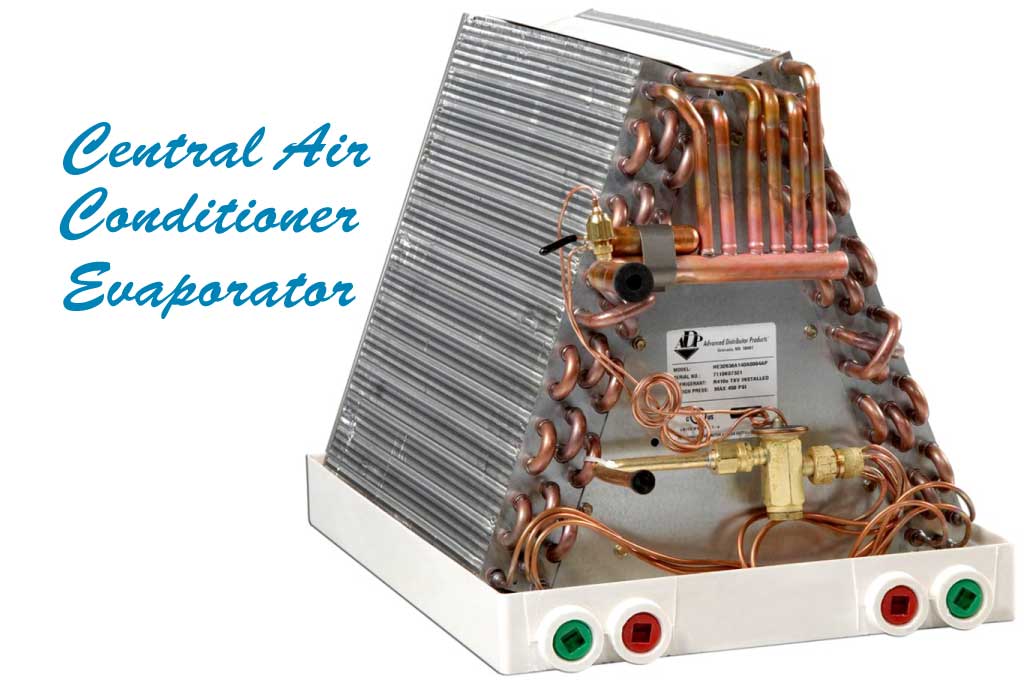
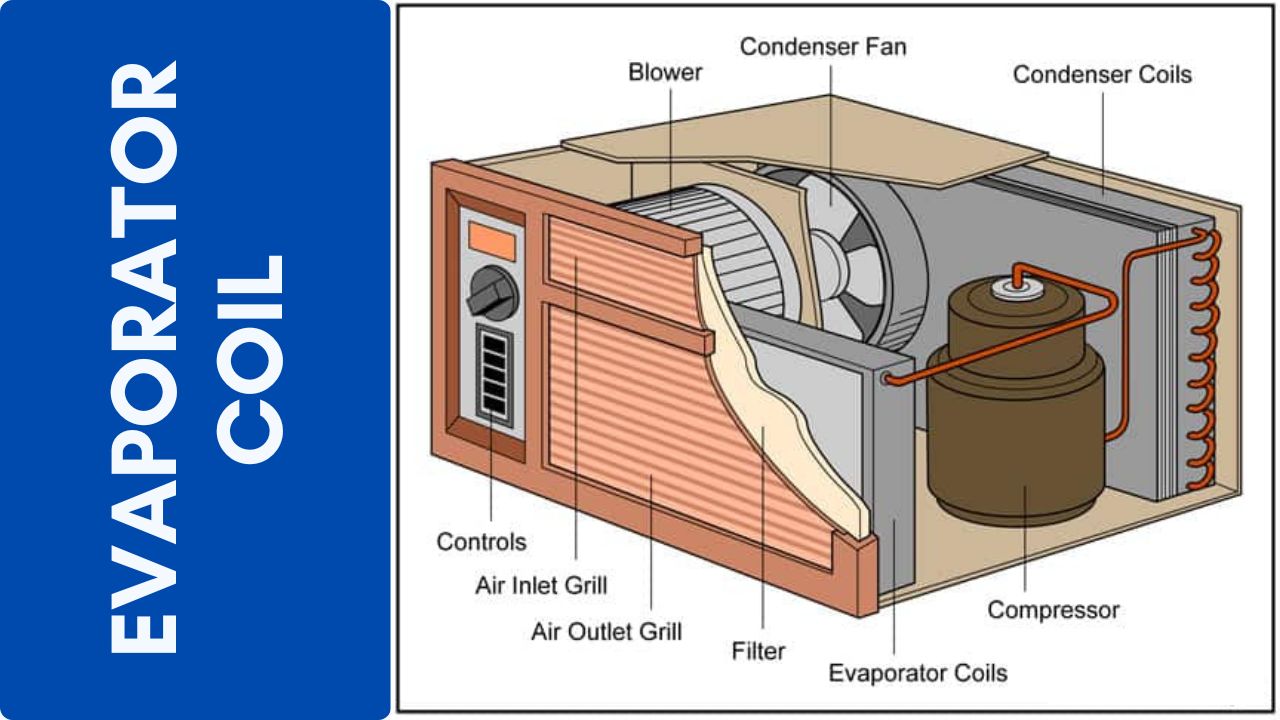
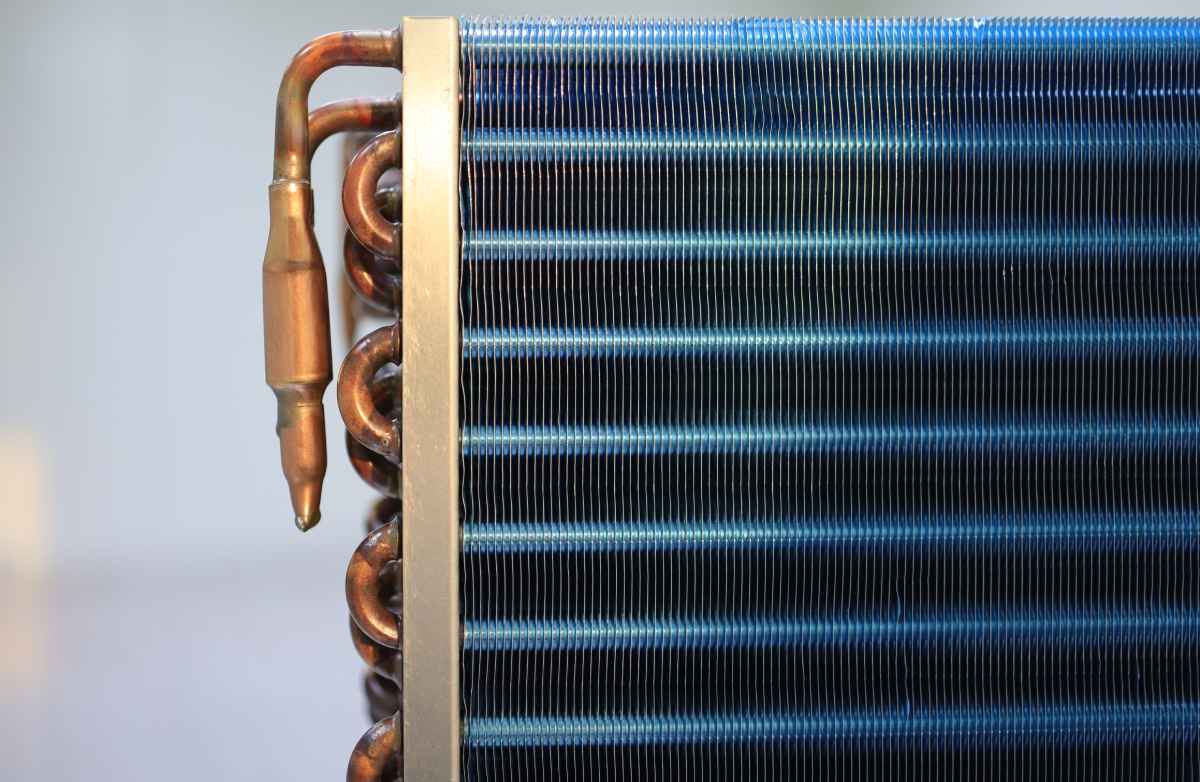
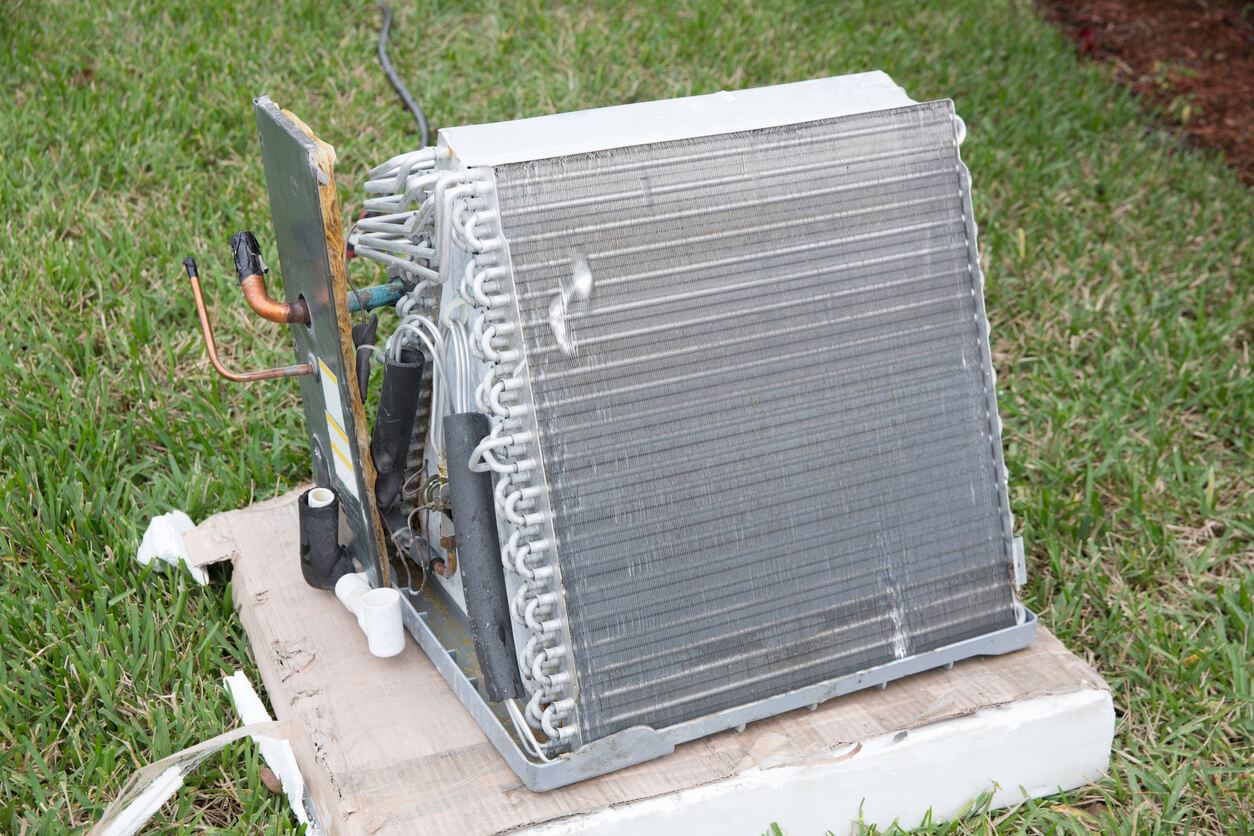
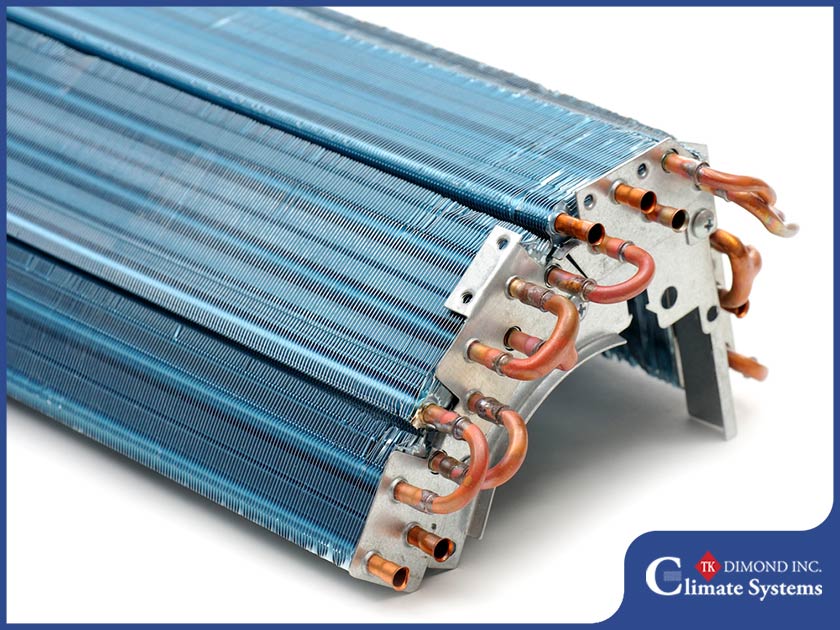
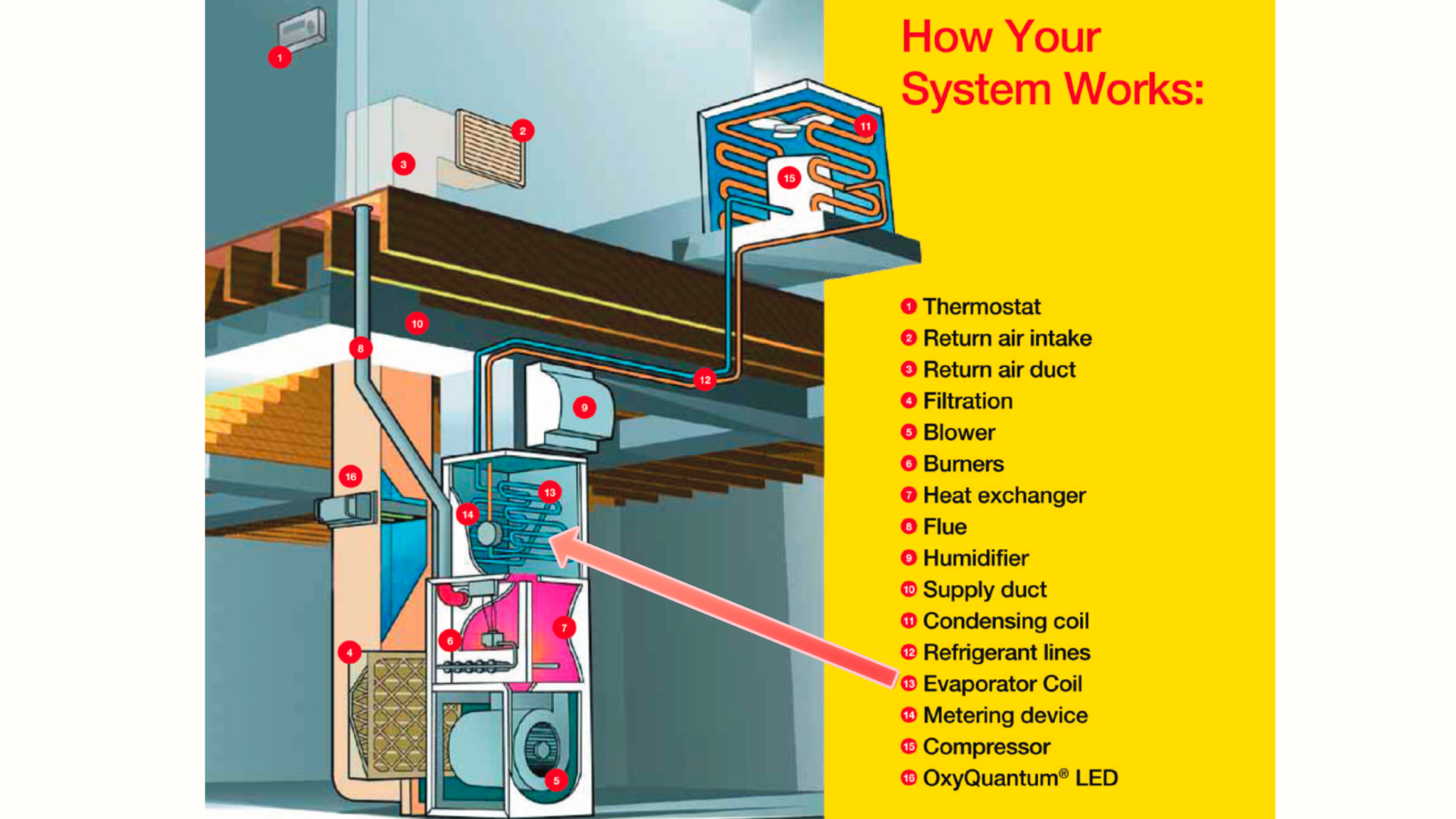
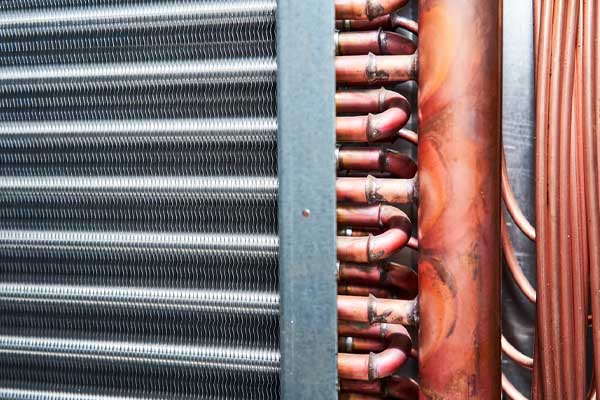
The evaporator coil is a key component within the indoor unit of your air conditioning system. Its primary function is to absorb heat from the air inside your home, effectively cooling it down. It's typically made of copper or aluminum tubing, arranged in a series of fins to maximize surface area. This design allows for efficient heat transfer. Inside the coil flows refrigerant, a special chemical that cycles between liquid and gaseous states, absorbing and releasing heat.
How the Evaporator Coil Works: The Cooling Process Explained
The cooling process within the evaporator coil involves several steps:
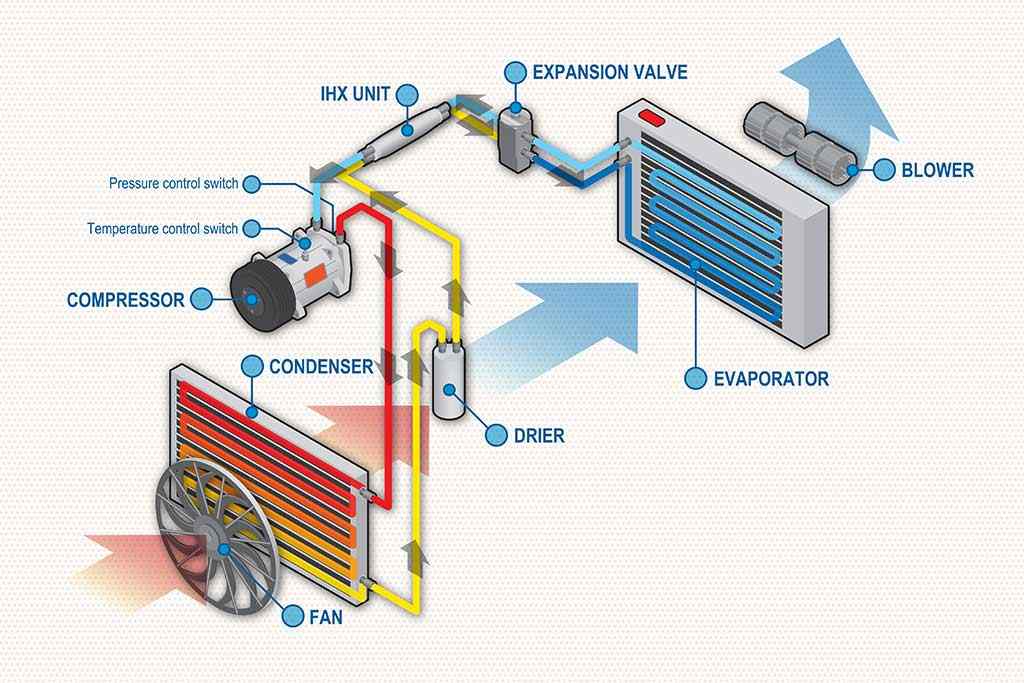
- Refrigerant Intake: Low-pressure, low-temperature liquid refrigerant enters the evaporator coil.
- Heat Absorption: A fan blows warm air from your home across the evaporator coil. The refrigerant absorbs this heat, causing it to evaporate and turn into a low-pressure gas.
- Cool Air Distribution: As the refrigerant absorbs heat, the air passing over the coil is cooled and blown back into your home through the ductwork.
- Refrigerant Journey: The low-pressure gas then travels to the compressor (located in the outdoor unit), where it is pressurized and heated, restarting the cycle.
Importance of the Evaporator Coil in Overall System Efficiency
The efficiency of your air conditioning system, indicated by its SEER rating (Seasonal Energy Efficiency Ratio), is significantly impacted by the evaporator coil. A larger, well-designed coil can absorb more heat, leading to more efficient cooling and lower energy bills. Factors like coil material, surface area, and airflow all play a role in determining its efficiency.
A dirty or damaged evaporator coil will reduce cooling efficiency, forcing the system to work harder and consume more energy. Regular maintenance, including cleaning the coil, is essential to maintain peak performance and lower energy costs.
Types of Evaporator Coils
Evaporator coils come in various shapes and configurations, each with its own advantages and disadvantages. Here are some common types:
- A-Coil: Shaped like an inverted "A," these coils are popular due to their large surface area and efficient airflow. They are often found in residential air conditioning systems.
- Slab Coil: A flat, rectangular coil that is less expensive to manufacture but may not be as efficient as an A-coil in terms of airflow.
- N-Coil: Similar to an A-coil but with a more complex shape to further maximize surface area. These are generally more expensive but offer improved efficiency.
- H-Coil: Resembles an "H" shape. Often used in larger commercial HVAC units.
Common Evaporator Coil Problems and How to Identify Them
Like any mechanical component, evaporator coils can experience problems over time. Here are some common issues and how to spot them:
- Frozen Evaporator Coil: This occurs when the coil gets too cold, causing moisture to freeze on its surface. This can be caused by low refrigerant levels, restricted airflow (due to a dirty air filter), or a malfunctioning blower motor. Symptoms include reduced cooling, ice visible on the indoor unit, and potentially water leaks.
- Dirty Evaporator Coil: Dust, dirt, and debris can accumulate on the coil, reducing its ability to absorb heat. This leads to decreased cooling efficiency and increased energy consumption. Regularly cleaning the coil is essential.
- Refrigerant Leaks: Leaks in the evaporator coil can cause low refrigerant levels, leading to reduced cooling capacity and potential damage to the compressor. Signs of a refrigerant leak include hissing sounds, ice formation on the coil, and warm air blowing from the vents.
- Corrosion: Over time, the evaporator coil can corrode due to moisture and chemical exposure. Corrosion can lead to leaks and reduced efficiency.
Maintenance and Care for Your Evaporator Coil
Proper maintenance is crucial for extending the life of your evaporator coil and ensuring optimal performance. Here are some essential maintenance tips:
- Regularly Change Air Filters: A clean air filter prevents dust and debris from accumulating on the evaporator coil, maintaining proper airflow and efficiency. Change your filter every 1-3 months, depending on usage and air quality.
- Professional Cleaning: Schedule professional cleaning of the evaporator coil every 1-2 years. HVAC technicians have specialized tools and cleaning solutions to remove stubborn dirt and debris without damaging the coil.
- Inspect for Leaks: Periodically inspect the area around the indoor unit for signs of water leaks, which could indicate a refrigerant leak or a frozen coil.
- Ensure Proper Airflow: Make sure vents are not blocked by furniture or curtains, allowing for proper airflow throughout your home.
Choosing the Right Air Conditioner: Evaporator Coil Considerations
When selecting a new air conditioning system, consider the following factors related to the evaporator coil:
- Coil Size: The size of the evaporator coil should be appropriately matched to the size of your home and your cooling needs. A larger coil generally provides better cooling performance and efficiency. Your HVAC contractor will perform a load calculation to determine the appropriate size.
- Coil Material: Evaporator coils are typically made of copper or aluminum. Copper is more durable and has better heat transfer properties, but it is also more expensive. Aluminum is more affordable but may be more susceptible to corrosion.
- Coil Design: As mentioned earlier, different coil designs (A-coil, slab coil, etc.) offer varying levels of efficiency. Discuss the pros and cons of each design with your HVAC contractor to determine the best option for your home.
- SEER Rating: While the evaporator coil is just one component, it contributes to the overall SEER rating of the system. A higher SEER rating indicates greater energy efficiency. Aim for a SEER rating of at least 15 or higher.
- Matching System Components: It’s important to ensure the evaporator coil is properly matched with the outdoor condenser unit. Mismatched components can lead to reduced efficiency and premature system failure.
Popular HVAC Brands and Models
Many leading HVAC brands offer air conditioning systems with high-quality evaporator coils. Here are a few examples:
- Carrier: Known for their high-efficiency systems and innovative features. Carrier offers models with advanced coil designs and durable materials. Look for models in their Infinity series for top-tier performance. Example: Carrier Infinity 26
- Trane: Trane is another reputable brand with a wide range of air conditioning systems. Their units often feature Spine Fin coils, designed for efficient heat transfer and corrosion resistance. Example: Trane XV20i
- Lennox: Lennox offers a variety of energy-efficient air conditioners, including models with MicroChannel coils, which are designed for compact size and high performance. Example: Lennox SL28XCV
- Goodman: Goodman provides affordable air conditioning systems with reliable performance. While their systems may not have as many advanced features as some higher-end brands, they offer good value for the price. Example: Goodman GSX16
When comparing models, pay attention to the AFUE (Annual Fuel Utilization Efficiency) rating for furnaces (if you're considering a packaged system), the SEER rating for cooling efficiency, and the HSPF (Heating Seasonal Performance Factor) for heat pumps (if applicable). Also, consider the warranty offered by the manufacturer. A longer warranty typically indicates greater confidence in the product's quality and durability.
Warranty and Maintenance Contracts
Before purchasing a new air conditioning system, carefully review the warranty terms and conditions. Most manufacturers offer a limited warranty that covers defects in materials and workmanship. Some manufacturers also offer extended warranties that provide additional coverage for a longer period. Look for warranties that cover the evaporator coil specifically.
Consider purchasing a maintenance contract from a reputable HVAC contractor. A maintenance contract typically includes regular inspections, cleaning, and tune-ups, which can help extend the life of your system and prevent costly repairs. Regular maintenance will ensure that your evaporator coil remains clean and functioning properly.
Conclusion
The evaporator coil is a critical component of your air conditioning system, responsible for absorbing heat and cooling your home. Understanding how it works, the different types available, and the importance of maintenance can help you make informed decisions when choosing a new system. By considering factors like coil size, material, design, and SEER rating, you can select an air conditioner that provides efficient, reliable, and long-lasting cooling performance.