What Is An Air Handler Hvac

Understanding the Heart of Your HVAC System: What is an Air Handler?
When upgrading your heating and cooling system, you'll encounter various components, each playing a crucial role in maintaining a comfortable indoor environment. One of the most important, yet often overlooked, is the air handler. This comprehensive guide will delve into what an air handler is, how it works, its key features, and why it's a critical consideration when choosing a new HVAC system.
What Exactly is an Air Handler?
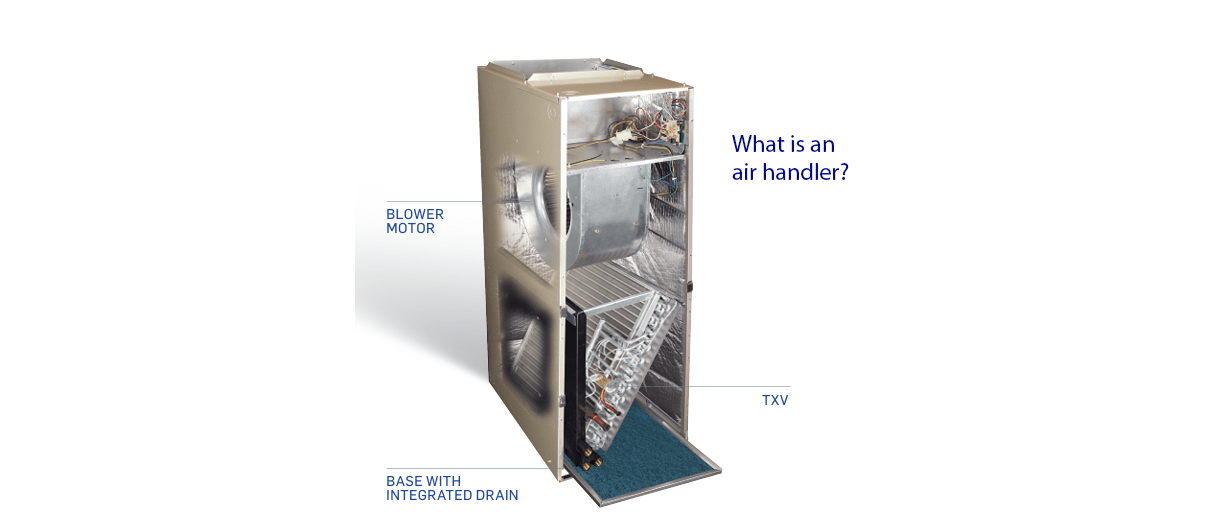
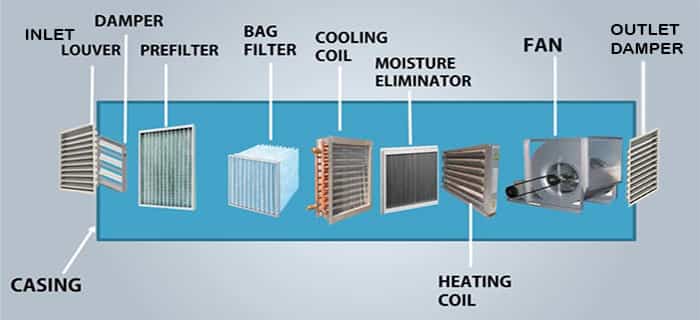
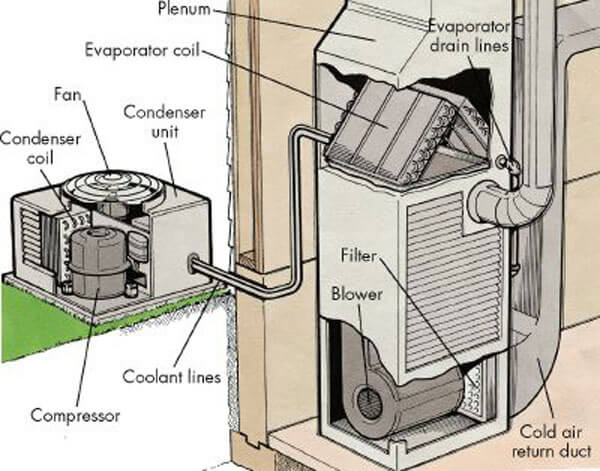
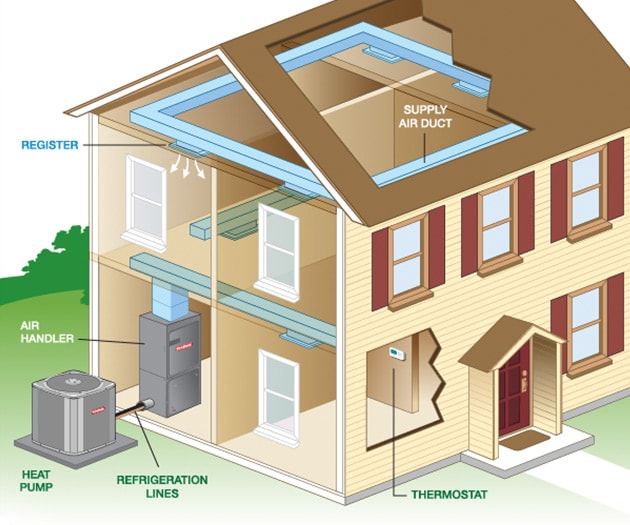
The air handler is the indoor component of a split-system HVAC setup. It’s primarily responsible for circulating conditioned air (heated or cooled) throughout your home. Think of it as the distribution center for your HVAC system. It contains essential elements such as:
- Blower Fan: This is the powerhouse that moves air through the ductwork.
- Cooling Coil (Evaporator Coil): This coil cools the air when your air conditioner is running. Refrigerant absorbs heat from the air passing over the coil.
- Heating Coil (or Electric Resistance Heaters): In some models, a heating coil or electric resistance heaters warm the air. This is common in heat pump systems where the air handler provides supplemental heat.
- Air Filter: Filters the air to remove dust, pollen, and other airborne particles.
- Cabinet: Houses and protects all the internal components.
The air handler works in conjunction with an outdoor unit (either an air conditioner or a heat pump) to provide complete heating and cooling. In the case of an air conditioner, the outdoor unit contains the compressor and condenser coil. In a heat pump system, the outdoor unit serves as both the condenser and evaporator, depending on whether you're heating or cooling.
Air Handler vs. Furnace: What's the Difference?
It's crucial to distinguish between an air handler and a furnace. While both distribute air, they differ in their primary function. A furnace generates heat by burning fuel (natural gas, propane, or oil). An air handler, on the other hand, does not produce heat; it only circulates it. In systems with a furnace, the air handler often sits atop the furnace, using the furnace's blower to distribute heated air.
Here's a table summarizing the key differences:
| Feature | Air Handler | Furnace |
|---|---|---|
| Primary Function | Circulates conditioned air (heated or cooled) | Generates heat by burning fuel |
| Heat Source | Relies on an external heat source (heat pump or electric resistance heaters) | Burns fuel (natural gas, propane, or oil) |
| Fuel Required | Electricity | Natural gas, propane, or oil |
| Common Pairing | Air conditioner or heat pump | Air conditioner (sometimes) |
Key Features to Consider in an Air Handler
Choosing the right air handler involves carefully evaluating several features. Here's what to consider:
- Variable-Speed Blower Motor: This is one of the most important features to look for. Variable-speed blowers adjust their speed based on the heating or cooling demand. This leads to more consistent temperatures, improved energy efficiency, and quieter operation. Older models often use single-speed or multi-speed blowers, which are less efficient.
- Airflow Capacity (CFM): Measured in cubic feet per minute (CFM), airflow capacity indicates how much air the handler can move. The correct CFM is crucial for proper heating and cooling. A professional HVAC technician can determine the appropriate CFM for your home based on its size and layout.
- Electric Heat Strips: Some air handlers include electric resistance heat strips for supplemental heat. This is especially common in heat pump systems, providing a backup heat source when the heat pump can't keep up with demand during very cold weather.
- Coil Type: The type of cooling coil can impact efficiency. Look for models with enhanced coil designs for improved heat transfer.
- Filter Compatibility: Ensure the air handler is compatible with high-efficiency air filters (like MERV 13 or higher) to improve indoor air quality.
- Noise Level: A quieter air handler contributes to a more comfortable home environment. Look for models with sound-dampening features.
Pros and Cons of Air Handlers
Like any HVAC component, air handlers have their advantages and disadvantages:
Pros:
- Improved Energy Efficiency: Variable-speed models significantly reduce energy consumption.
- Consistent Temperatures: Variable-speed blowers provide more even heating and cooling throughout the home.
- Enhanced Air Quality: When paired with high-efficiency air filters, air handlers improve indoor air quality.
- Quieter Operation: Modern air handlers are designed for quieter operation.
- Versatility: Can be paired with either an air conditioner or a heat pump.
Cons:
- Initial Cost: Variable-speed models are more expensive than single-speed models.
- Complexity: More complex systems require specialized maintenance and repairs.
- Reliance on Electricity: Requires electricity to operate, so it won't function during a power outage unless you have a backup generator.
Popular HVAC Brands and Models: Air Handler Edition
Several reputable HVAC brands offer high-quality air handlers. Here are a few popular options:
- Carrier: Carrier is a well-known brand offering a wide range of air handlers, including models with variable-speed blowers and advanced features. The Carrier Performance Series offers a good balance of performance and affordability.
- Trane: Trane is another leading brand known for its durable and reliable HVAC equipment. Their Trane Hyperion™ air handlers are designed for optimal performance and energy efficiency.
- American Standard: American Standard is closely related to Trane and offers similar quality and features. Their American Standard Platinum Series provides premium performance.
- Goodman: Goodman offers more budget-friendly options without sacrificing essential features. Their air handlers provide reliable performance at a lower price point.
- Rheem: Rheem offers a comprehensive range of HVAC products, including air handlers with various features and price points.
When comparing models, pay attention to the SEER (Seasonal Energy Efficiency Ratio) and HSPF (Heating Seasonal Performance Factor) ratings of the overall system (air handler paired with an outdoor unit). Higher SEER and HSPF ratings indicate better energy efficiency, leading to lower utility bills. Look for systems with SEER ratings of 16 or higher and HSPF ratings of 9 or higher for optimal efficiency.
Air Handler Installation, Maintenance, and Warranty
Installation:
Proper installation is crucial for optimal performance and longevity. It's highly recommended to hire a qualified HVAC technician for the installation. A professional will ensure the air handler is properly sized, connected to the ductwork, and calibrated for your home's specific needs.
Maintenance:
Regular maintenance is essential to keep your air handler running smoothly. This includes:
- Replacing Air Filters: Replace air filters every 1-3 months, depending on the type of filter and the air quality in your home.
- Cleaning the Blower Fan: Periodically clean the blower fan to remove dust and debris.
- Inspecting the Coils: Inspect the cooling and heating coils for dirt and debris and clean them as needed.
- Professional Inspection: Schedule an annual inspection with a qualified HVAC technician to identify and address any potential issues.
Warranty:
Air handler warranties typically cover parts and labor for a specific period. Most manufacturers offer a standard 5-year warranty, but some offer extended warranties (up to 10 years) if the system is registered within a certain timeframe. Be sure to read the warranty details carefully to understand what's covered and what's not.
Pricing Considerations
The cost of an air handler varies depending on the brand, model, features, and installation complexity. Generally, you can expect to pay between $1,500 and $5,000 for the air handler unit itself, excluding installation costs. Installation costs can range from $500 to $2,000 or more, depending on the complexity of the installation and the labor rates in your area.
Variable-speed models are typically more expensive than single-speed models, but the energy savings over time can often offset the higher initial cost. Consider the long-term cost of ownership, including energy bills and maintenance expenses, when making your decision.
Making the Right Choice
Choosing the right air handler is a significant investment that can impact your home's comfort, energy efficiency, and indoor air quality. By understanding the key features, pros and cons, and maintenance requirements, you can make an informed decision that meets your specific needs and budget. Always consult with a qualified HVAC professional to assess your home's needs and recommend the best air handler for your situation. Getting professional advice will help you navigate the complexities and ensure a smooth installation process. Remember to compare models, consider your budget, and prioritize energy efficiency for long-term savings and comfort.