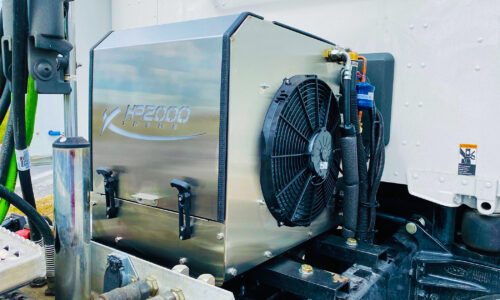
What Is An Apu Unit On A Truck

In the ever-evolving world of transportation and logistics, the term "APU" pops up frequently, especially when discussing long-haul trucking and commercial vehicles. But what exactly *is* an APU unit on a truck, and why is it relevant to the HVAC industry? This article delves into the details of Auxiliary Power Units (APUs), their functionality, benefits, and the connection to skilled trades like HVAC, offering insights for students, technicians, and employers alike.
Understanding Auxiliary Power Units (APUs)
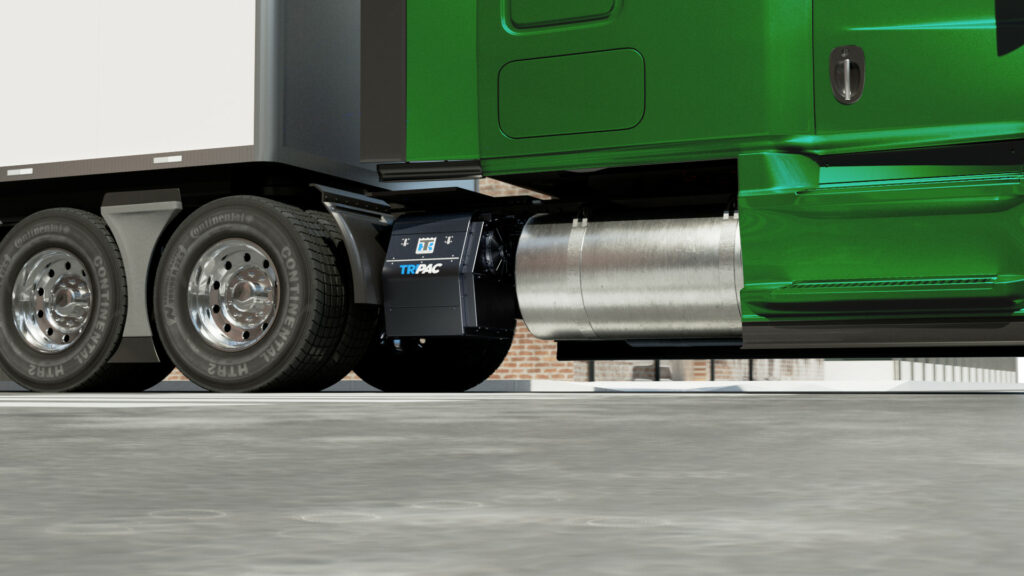
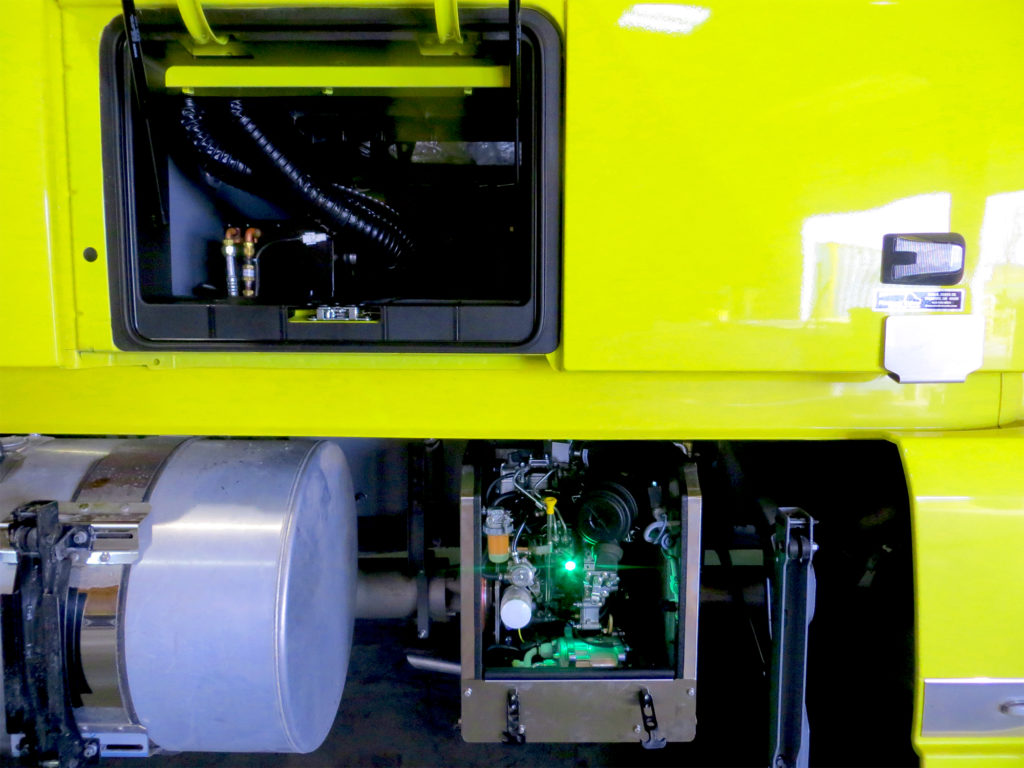
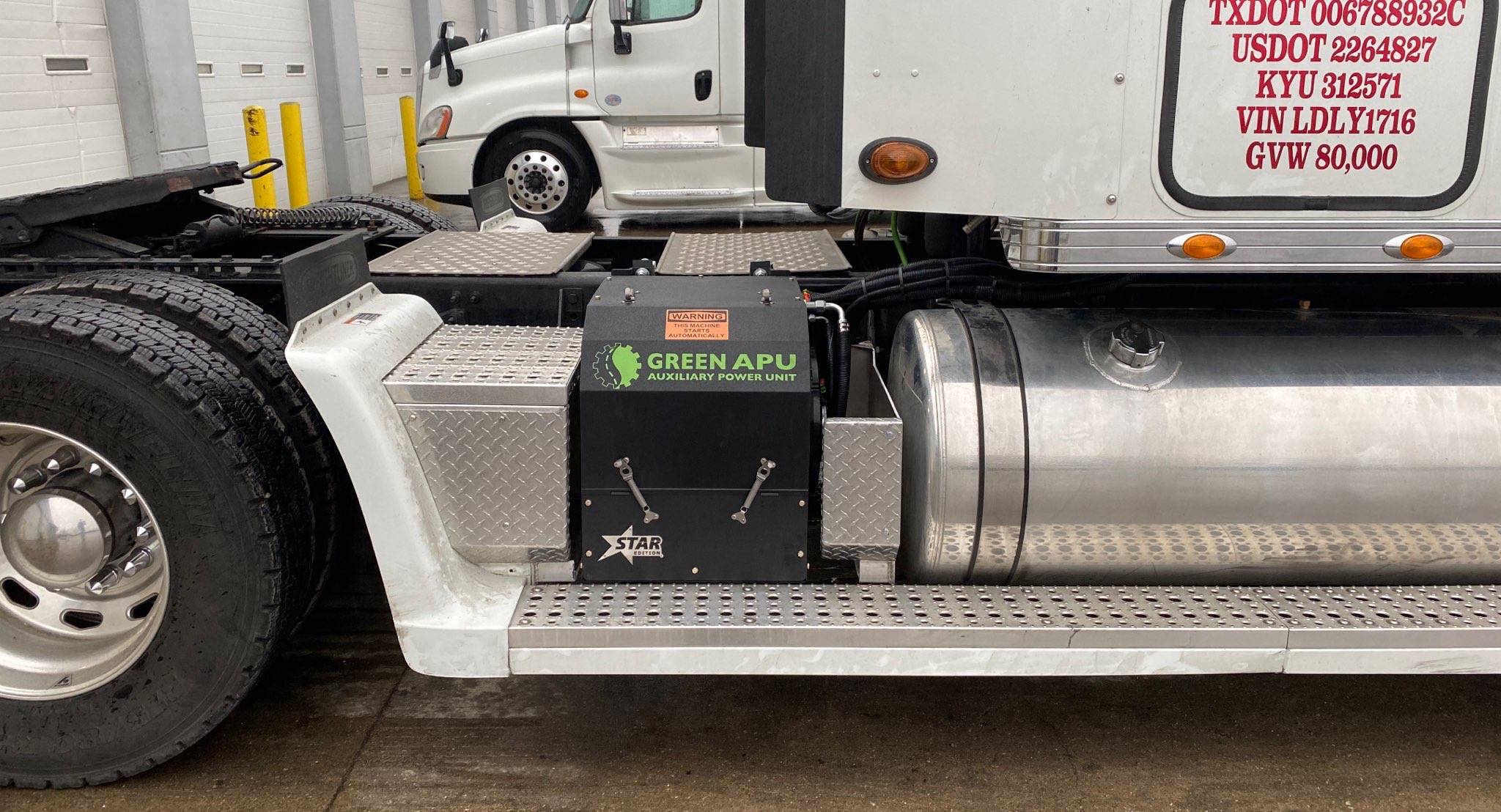
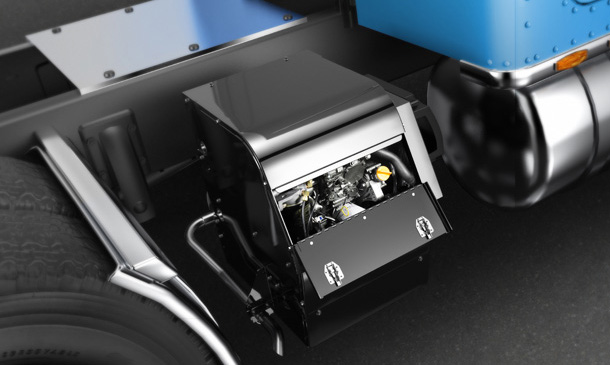
An Auxiliary Power Unit (APU) is essentially a self-contained system that provides power to a vehicle's accessories without requiring the main engine to run. Think of it as a mini-generator for your truck. Traditionally, truck drivers idling their main engine was the standard method for powering various needs during rest stops or overnight stays. These needs include:
- Climate Control: Heating and air conditioning for the cab.
- Electronics: Powering laptops, televisions, refrigerators, and other appliances.
- Battery Charging: Maintaining battery health for starting the engine.
However, idling the main engine consumes significant amounts of fuel, leads to increased emissions, and puts unnecessary wear and tear on the engine. APUs offer a far more efficient and environmentally friendly alternative.
Types of APUs
APUs come in several different forms, primarily categorized by their power source:
- Diesel APUs: These are the most common type. They run on diesel fuel from the truck's fuel tank and use a small diesel engine to generate electricity.
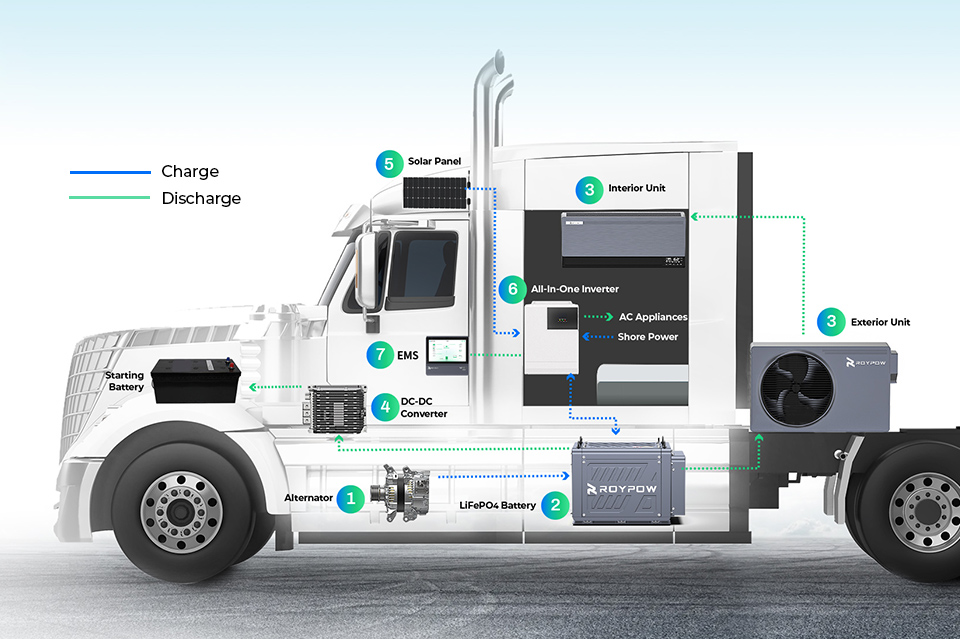
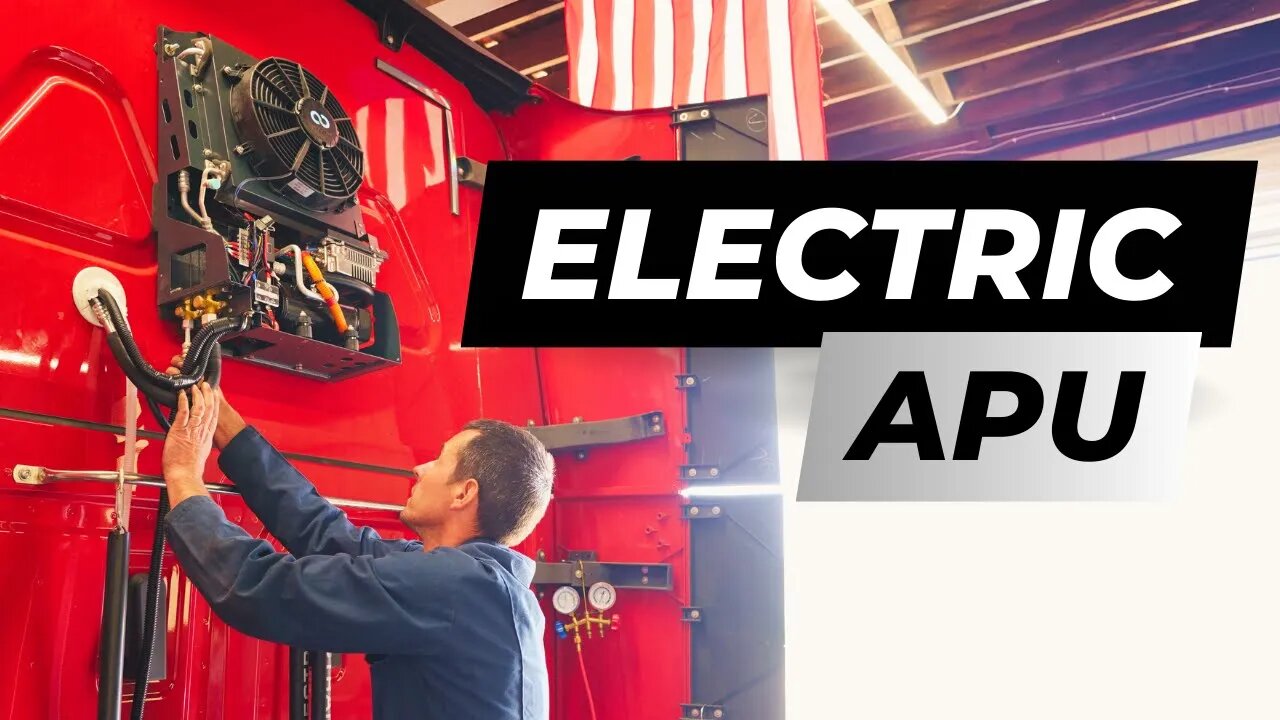
- Electric APUs: Powered by batteries, electric APUs are becoming increasingly popular due to their zero-emission operation. They require regular charging, either from shore power or regenerative braking.
- Hybrid APUs: These combine features of both diesel and electric APUs. They may use a small diesel engine to charge batteries or provide supplemental power when battery levels are low.
The HVAC Connection
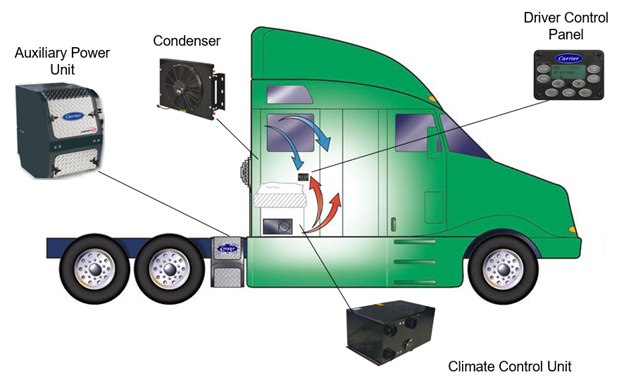
The most significant connection between APUs and the HVAC industry lies in their ability to provide efficient and reliable climate control for the truck cab. This is where HVAC technicians come into play. APUs often incorporate HVAC components such as:
- Air Conditioning Compressors: Responsible for cooling the air within the cab.
- Evaporator Coils: Absorbing heat from the air inside the cab.
- Condenser Coils: Releasing heat outside the cab.
- Refrigerant: The working fluid that cycles through the system, transferring heat.
- Heating Elements: Providing heat during colder months.
- Control Systems: Regulating the temperature and airflow.
Just like any other HVAC system, APU climate control systems require regular maintenance, troubleshooting, and repair. This presents opportunities for HVAC technicians, especially those with experience in mobile HVAC systems.
Career Opportunities for HVAC Technicians in the APU Sector
The increasing adoption of APUs in the trucking industry is creating a demand for skilled technicians who can install, maintain, and repair these systems. Here are some potential career paths:
- Mobile HVAC Technician: Specializing in the installation and repair of HVAC systems in commercial vehicles, including APUs.
- APU Service Technician: Working directly for APU manufacturers or service centers, providing technical support and repair services.
- Fleet Maintenance Technician: Maintaining and repairing APUs as part of a larger fleet maintenance program.
Job Outlook and Salary: The Bureau of Labor Statistics (BLS) projects a growth rate of 5% for HVAC mechanics and installers from 2022 to 2032, about average for all occupations. This growth is driven by increasing construction activity and the need to replace aging HVAC systems. The median annual wage for HVAC mechanics and installers was $59,620 in May 2023. Salaries can vary depending on experience, location, and specialization. Technicians specializing in mobile HVAC and APU systems may command higher salaries due to the specialized knowledge required.
Essential Skills and Certifications
To succeed in the APU sector, HVAC technicians need a combination of technical skills, problem-solving abilities, and relevant certifications. Key skills include:
- HVAC Fundamentals: A solid understanding of refrigeration cycles, electrical systems, and control systems.
- Troubleshooting: The ability to diagnose and repair complex HVAC problems.
- Electrical Skills: Experience working with electrical circuits and components.
- Welding and Brazing: Skills in joining metal components using welding or brazing techniques.
- Diagnostic Tools: Proficiency in using diagnostic tools to identify and resolve issues.
- Communication Skills: The ability to communicate effectively with customers and colleagues.
Relevant certifications can significantly enhance career prospects and demonstrate competency to employers. Some important certifications include:
- NATE (North American Technician Excellence): NATE certification is widely recognized in the HVAC industry and demonstrates a technician's knowledge and skills. Specializations relevant to APUs include mobile HVAC and light commercial refrigeration.
- EPA Section 608 Certification: Required for technicians who handle refrigerants. This certification ensures that technicians understand the proper procedures for handling and recovering refrigerants, minimizing environmental impact.
- ASE (Automotive Service Excellence) Certifications: While not specifically HVAC-focused, ASE certifications in areas such as Heating and Air Conditioning (H series) and Electrical/Electronic Systems (A series) can demonstrate expertise in automotive systems, which is valuable for working on APUs.
The Employer's Perspective: Finding and Retaining Skilled APU Technicians
For employers in the trucking and logistics industries, finding and retaining skilled technicians to maintain and repair APUs is crucial for maximizing the benefits of these systems. Here are some key considerations:
- Recruitment Strategies: Target vocational schools, technical colleges, and apprenticeship programs to identify promising candidates.
- Training Programs: Invest in training programs to equip technicians with the specific skills needed to work on APUs. This may include in-house training, manufacturer-sponsored training, or partnerships with educational institutions.
- Competitive Compensation and Benefits: Offer competitive salaries and benefits packages to attract and retain top talent.
- Career Development Opportunities: Provide opportunities for technicians to advance their careers through certifications, specialized training, and leadership roles.
- Focus on Safety: Emphasize safety in the workplace and provide technicians with the necessary safety equipment and training.
Furthermore, employers should stay up-to-date on the latest APU technologies and industry trends. This includes understanding the evolving regulatory landscape related to emissions and idling, as well as the increasing adoption of electric and hybrid APUs.
Real-World Examples and Career Paths
Let's look at some examples of how an HVAC professional might specialize in APU systems:
Example 1: The Apprentice. Sarah completes a two-year HVAC program at a technical college. Recognizing the growing demand for mobile HVAC specialists, she seeks an apprenticeship with a company specializing in APU installation and repair. She gains hands-on experience, earns her EPA 608 certification, and eventually becomes a certified APU service technician.
Example 2: The Experienced Technician. John is an experienced HVAC technician with 10 years in residential service. He wants to expand his skillset and increase his earning potential. He enrolls in a specialized training program on mobile HVAC and APU systems. He earns his NATE certification in mobile HVAC and finds a new job with a fleet maintenance company, where he is responsible for maintaining the APUs on a fleet of long-haul trucks.
Example 3: The Business Owner. Maria, a seasoned HVAC professional, identifies a gap in the market for specialized APU repair services. She starts her own mobile HVAC business, focusing on providing on-site repair and maintenance services to trucking companies and owner-operators. She hires a team of skilled technicians and builds a successful business based on her expertise and excellent customer service.
The Future of APUs and the HVAC Industry
The future of APUs is closely tied to the broader trends in the transportation industry, including the increasing focus on fuel efficiency, emissions reduction, and electrification. As regulations become stricter and fuel costs continue to rise, the adoption of APUs is likely to increase, creating even more opportunities for HVAC technicians. Furthermore, the development of more advanced APU technologies, such as electric and hybrid systems, will require technicians with specialized knowledge and skills.
The demand for skilled HVAC technicians in the APU sector is expected to remain strong in the coming years. By investing in training, certifications, and continuous learning, HVAC professionals can position themselves for success in this growing and dynamic field. For employers, investing in training and retention strategies is crucial for building a skilled workforce capable of maintaining and repairing these critical systems.
Ultimately, understanding the intricacies of APUs and their connection to HVAC systems is essential for students, technicians, and employers looking to thrive in the evolving landscape of the transportation industry. By embracing these technologies and investing in the necessary skills and training, the HVAC industry can play a vital role in promoting efficiency, sustainability, and innovation in the world of trucking and logistics.