
What Is An Economizer On A Boiler

When considering a new boiler for your home or investment property, you'll encounter a range of features and technologies designed to boost efficiency and reduce operating costs. One such component, the economizer, often gets overlooked but can significantly impact your boiler's overall performance. This guide will break down what an economizer is, how it works, its benefits and drawbacks, and whether it's the right choice for your specific heating needs.
Understanding Boiler Economizers
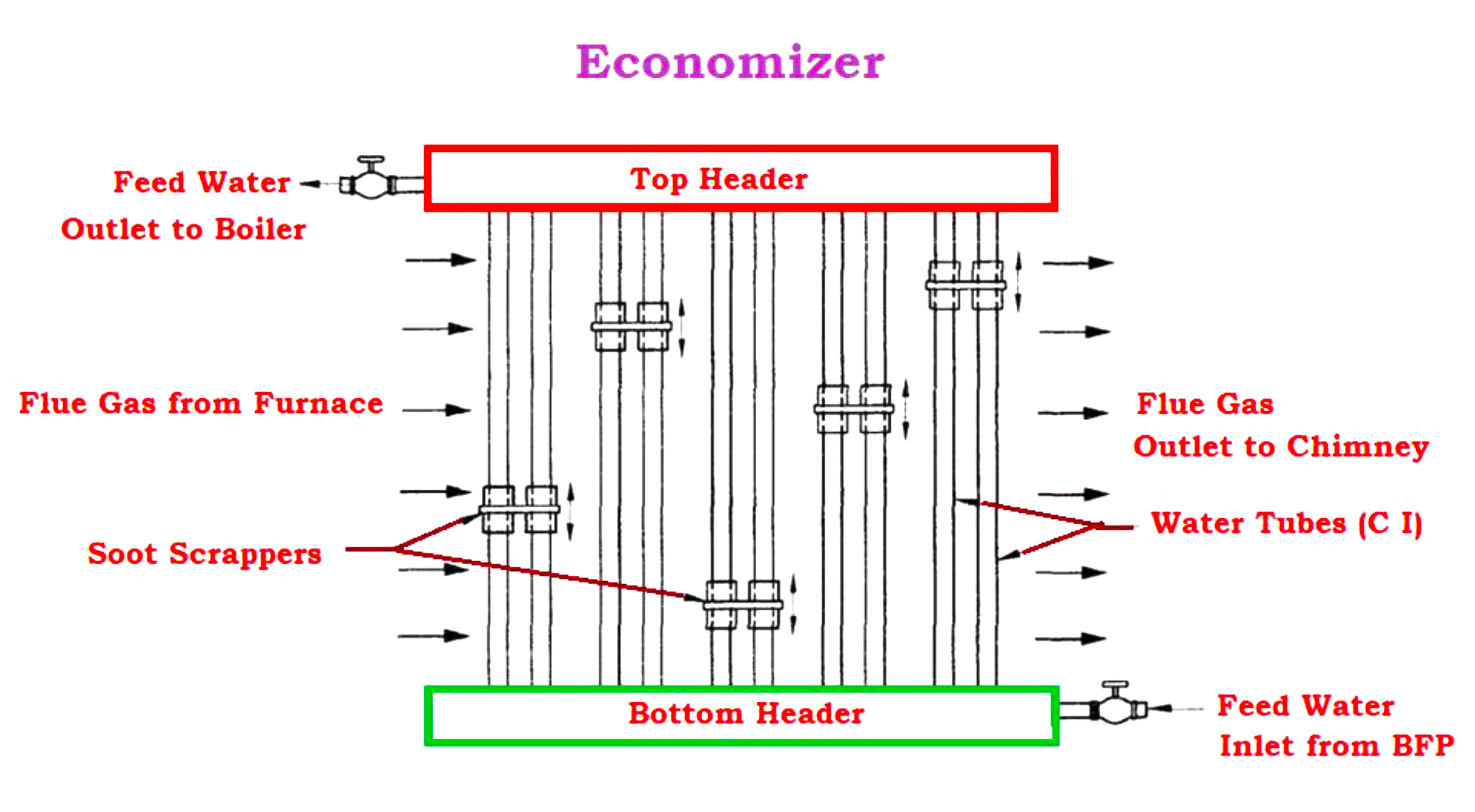
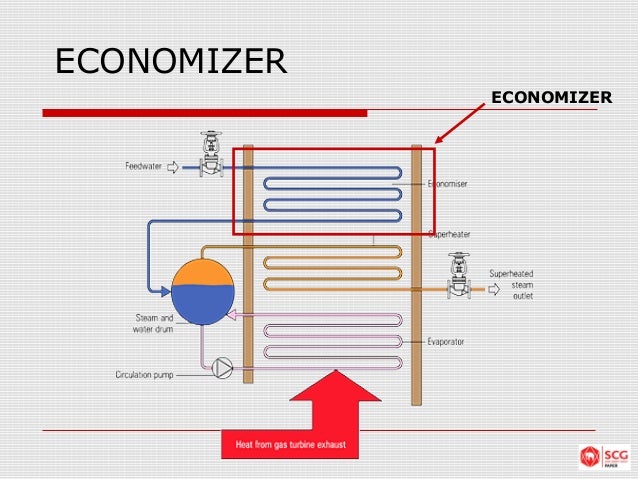
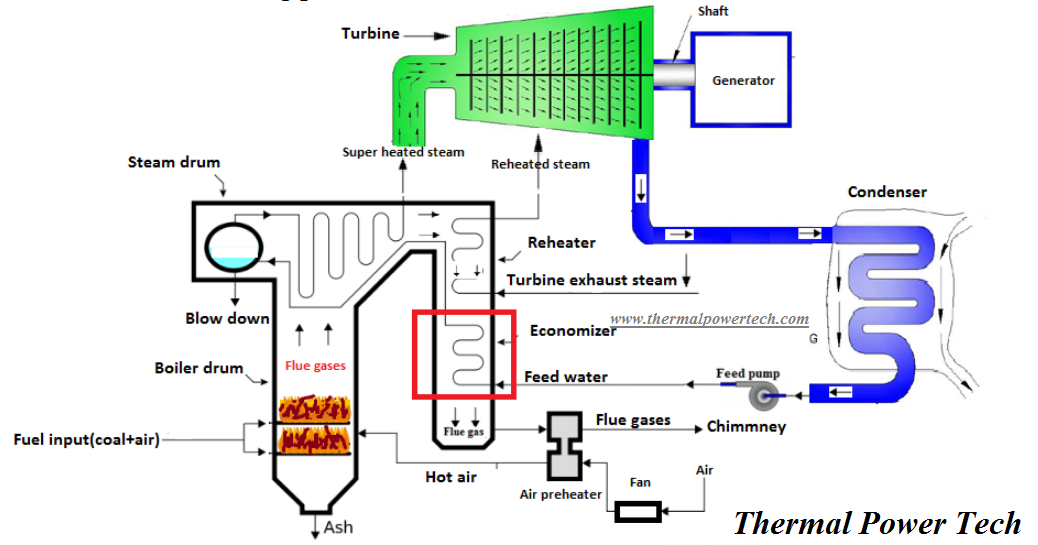
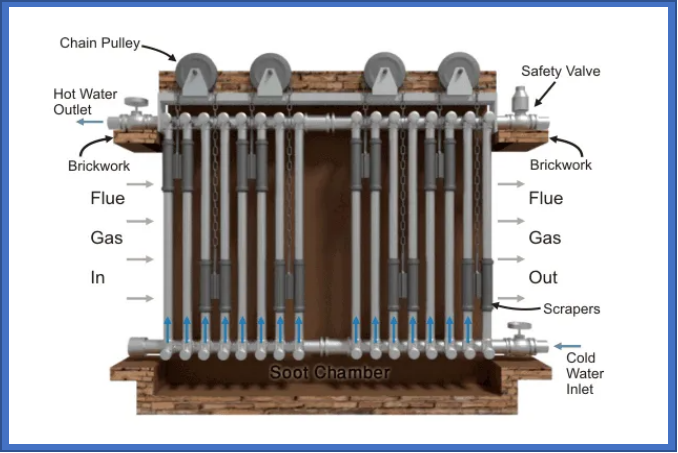
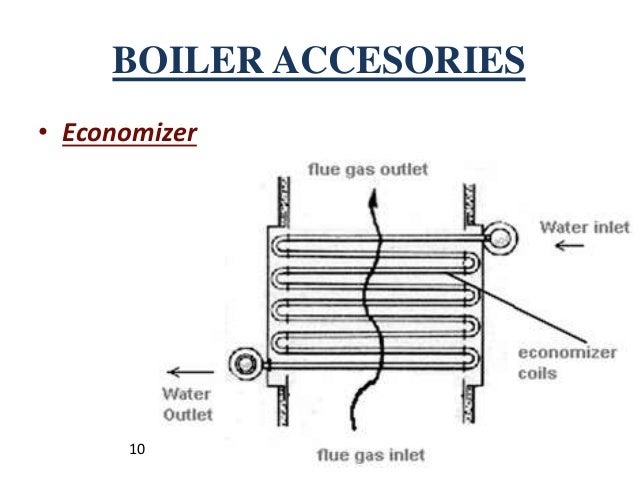
At its core, a boiler economizer is a heat exchanger designed to preheat the boiler's feedwater using the waste heat from the flue gases. Instead of venting this heat directly into the atmosphere, the economizer recovers it and transfers it to the incoming water supply, thereby reducing the amount of energy required to bring the water to its boiling point. This process directly translates into fuel savings and improved efficiency.
How Economizers Work
Imagine a car's radiator, but instead of cooling engine coolant, it’s heating water. Here's a step-by-step breakdown:
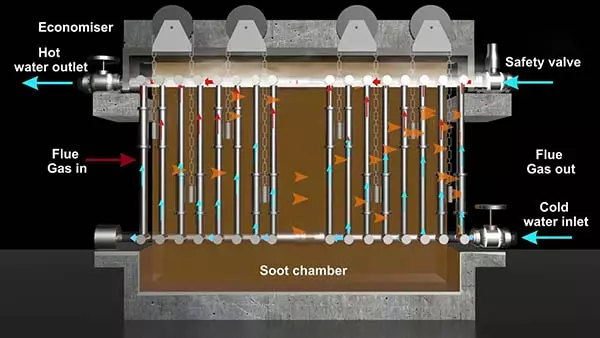
- Flue Gas Collection: The hot flue gases produced during combustion are channeled through the economizer.
- Heat Transfer: The flue gases pass over a series of finned tubes or plates within the economizer. These tubes are filled with the incoming boiler feedwater.
- Water Preheating: The heat from the flue gases is transferred to the feedwater, raising its temperature before it enters the boiler drum.
- Exhaust: The cooled flue gases are then vented out through the chimney or exhaust system.
- Efficiency Boost: Because the feedwater is already preheated, the boiler needs to burn less fuel to reach the desired steam or hot water temperature.
Types of Economizers
Economizers can be broadly classified based on their design and application:
- Bare Tube Economizers: These are the simplest and most common type, consisting of bare tubes arranged in the flue gas stream. They are relatively inexpensive but offer lower heat transfer efficiency compared to finned tube designs.
- Finned Tube Economizers: These economizers feature tubes with extended surfaces (fins) to increase the heat transfer area. This results in higher efficiency but also higher cost and potential for fouling (accumulation of deposits on the fins).
- Integrated Economizers: These are designed as an integral part of the boiler system, offering optimized performance and space savings. They are often found in higher-end, more efficient boiler models.
- Standalone Economizers: These are separate units that can be retrofitted to existing boiler systems. They offer flexibility but require more space and careful integration with the existing system.
Benefits of Using an Economizer
The primary benefit of using a boiler economizer is improved energy efficiency. However, there are several other advantages to consider:
- Reduced Fuel Consumption: By preheating the feedwater, the boiler uses less fuel to produce the same amount of steam or hot water, resulting in lower energy bills.
- Lower Operating Costs: Reduced fuel consumption directly translates into lower operating costs for your heating system.
- Reduced Emissions: Burning less fuel also reduces the amount of greenhouse gases and other pollutants released into the atmosphere, contributing to a cleaner environment.
- Extended Boiler Lifespan: By reducing thermal stress on the boiler components, an economizer can potentially extend the lifespan of the boiler.
- Increased Boiler Capacity: In some cases, an economizer can increase the boiler's capacity by providing preheated feedwater, allowing it to produce more steam or hot water.
Drawbacks of Using an Economizer
While economizers offer significant benefits, there are also some potential drawbacks to consider:
- Higher Initial Cost: Boilers equipped with economizers typically have a higher upfront cost compared to those without.
- Increased Complexity: Economizers add complexity to the boiler system, potentially increasing maintenance requirements.
- Potential for Fouling: Flue gases can contain particulate matter that can accumulate on the economizer tubes, reducing heat transfer efficiency. Regular cleaning is necessary to prevent fouling.
- Space Requirements: Depending on the type of economizer, it may require additional space in the boiler room.
- Condensation Issues: If the flue gas temperature drops too low, condensation can occur, leading to corrosion of the economizer tubes.
Is an Economizer Right for You?
The decision of whether to invest in a boiler with an economizer depends on several factors:
- Heating Load: If you have a consistently high heating load, the fuel savings from an economizer will likely justify the initial investment.
- Fuel Costs: If fuel costs are high, the savings from an economizer will be more significant.
- Environmental Concerns: If you are concerned about reducing your carbon footprint, an economizer can help you achieve your goals.
- Budget: Consider the upfront cost of the economizer and weigh it against the potential long-term savings.
- Space Availability: Ensure that you have enough space in your boiler room to accommodate the economizer.
As a general rule, economizers are more cost-effective for larger boiler systems with high operating hours. For smaller residential boilers with intermittent use, the payback period may be longer.
Popular Boiler Brands and Models with Economizers
Several leading boiler manufacturers offer models with integrated or optional economizers. Here are a few examples:
- Bosch: Bosch offers a range of high-efficiency condensing boilers with optional economizers. Their models often boast impressive AFUE (Annual Fuel Utilization Efficiency) ratings. Look for models in their Buderus line for advanced features.
- Weil-McLain: Weil-McLain is a well-known brand with a wide selection of boilers, including models with economizer options. Their GV90+ series is a popular choice known for its reliability and efficiency.
- Lochinvar: Lochinvar specializes in high-efficiency boilers and water heaters, and many of their commercial and industrial boilers come standard with economizers. Consider their Crest series for high-performance applications.
- Viessmann: Viessmann is a German manufacturer known for its innovative and energy-efficient heating solutions. Their condensing boilers often feature advanced economizer designs.
When comparing boiler models, pay attention to the AFUE rating, which indicates the boiler's overall efficiency. Higher AFUE ratings generally mean lower operating costs. Also, carefully review the warranty terms and conditions to understand the coverage for the economizer and other boiler components.
Maintenance and Longevity
To ensure optimal performance and longevity of your boiler with an economizer, regular maintenance is essential. This includes:
- Regular Cleaning: Clean the economizer tubes regularly to remove any accumulated deposits that can reduce heat transfer efficiency.
- Water Treatment: Proper water treatment is crucial to prevent scaling and corrosion of the boiler and economizer components.
- Flue Gas Analysis: Periodically analyze the flue gases to ensure proper combustion and identify any potential problems.
- Professional Inspection: Schedule regular professional inspections to identify and address any potential issues before they become major problems.
By following these maintenance guidelines, you can maximize the lifespan of your boiler and economizer and ensure that they continue to operate efficiently for years to come.
Pricing and Installation
The cost of a boiler with an economizer can vary significantly depending on the size, type, and features of the boiler. As a general estimate, expect to pay a premium of 10-20% for a boiler with an economizer compared to a similar model without. Installation costs will also be higher due to the added complexity of the system.
It's essential to get quotes from multiple contractors to compare prices and ensure that you are getting a fair deal. Be sure to ask about the contractor's experience installing boilers with economizers and their qualifications to perform the work.
Conclusion
A boiler economizer can be a valuable addition to your heating system, offering significant energy savings and environmental benefits. However, it's essential to weigh the benefits against the potential drawbacks and consider your specific heating needs and budget. By understanding how economizers work and what factors to consider when choosing a boiler, you can make an informed decision that will help you save money and reduce your environmental impact. Remember to consult with a qualified HVAC professional to determine the best heating solution for your home or business.



.jpg)