What Is An Electrostatic Air Filter
Are you experiencing uneven heating or cooling in your home? Perhaps some rooms are noticeably warmer or colder than others, even when your thermostat is set to a comfortable temperature? This is a common problem many homeowners face, and while it could stem from several issues, one often-overlooked culprit is a dirty or malfunctioning air filter, specifically, an electrostatic air filter.
Understanding Electrostatic Air Filters
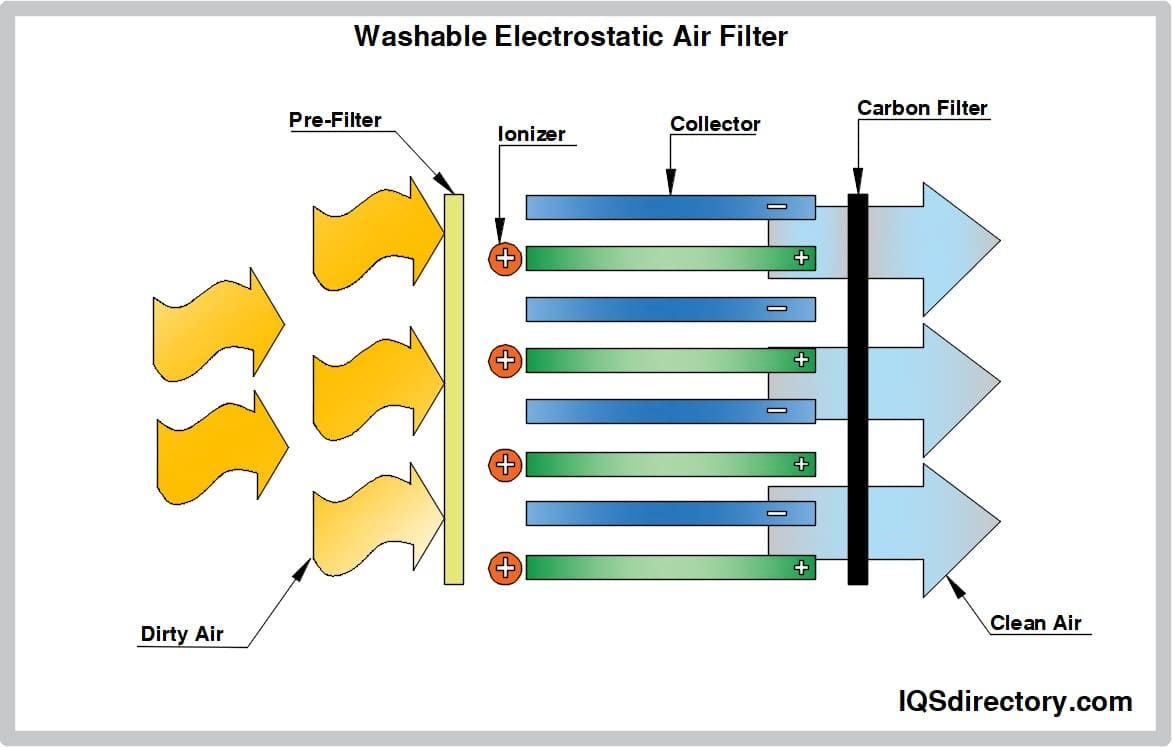
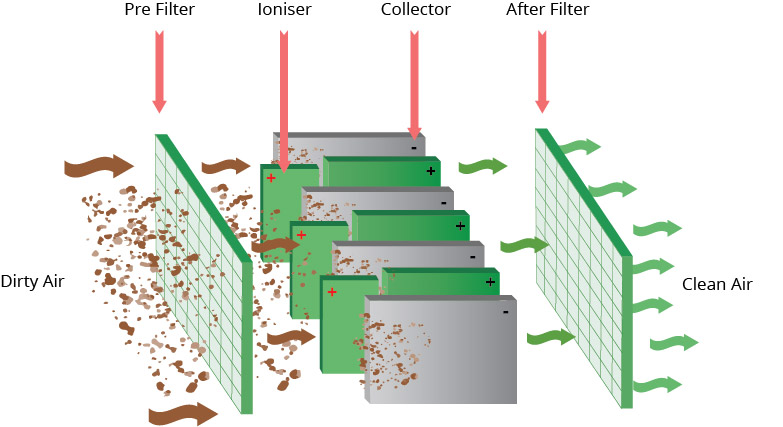
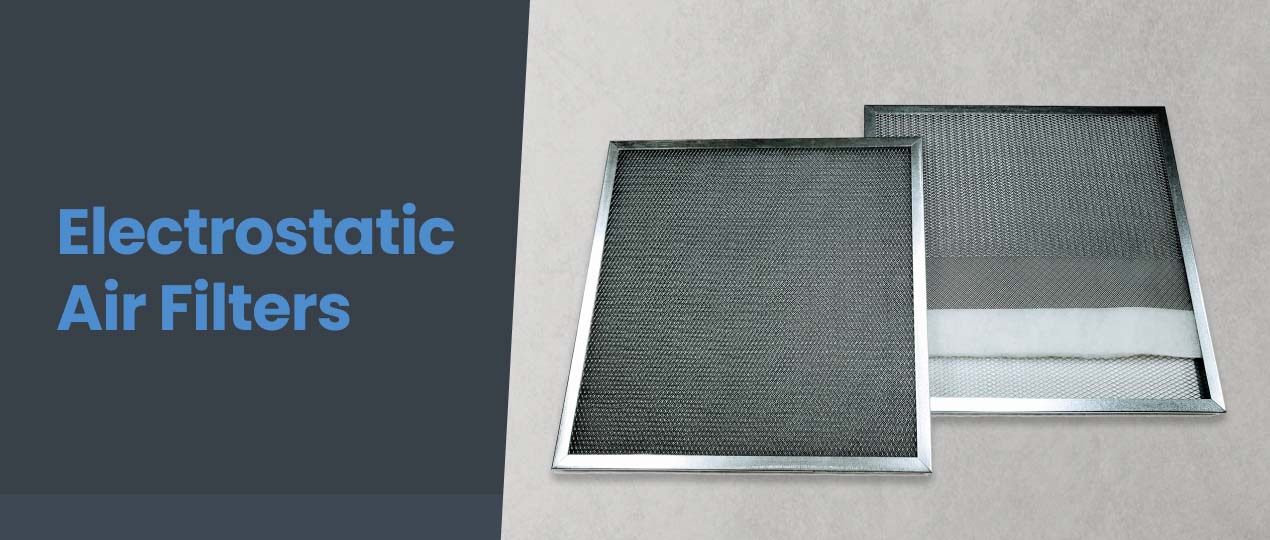
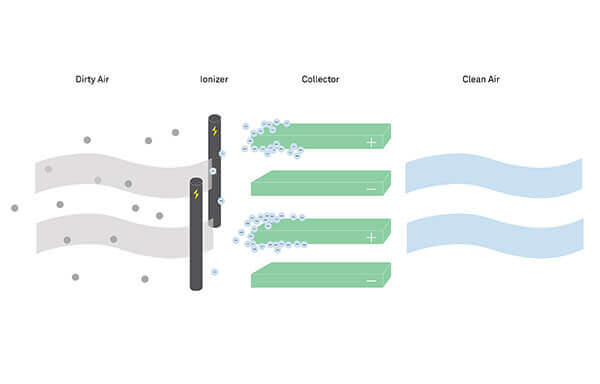
Before we dive into troubleshooting, let's clarify what an electrostatic air filter is. Unlike traditional fiberglass filters that rely on a simple mesh to trap particles, electrostatic filters use a static electric charge to attract and capture airborne particles like dust, pollen, pet dander, and even some bacteria and viruses. Think of it like a magnet for tiny particles.
These filters are typically washable and reusable, making them an environmentally friendly and potentially cost-effective alternative to disposable filters. However, their effectiveness hinges on maintaining that electrostatic charge, which can be compromised by dirt buildup or damage.
Diagnosing Uneven Heating/Cooling: The Electrostatic Filter Connection
A clogged or malfunctioning electrostatic filter can significantly impede airflow through your HVAC system. This restricted airflow forces your system to work harder, leading to:
- Reduced efficiency: Your system consumes more energy to achieve the desired temperature.
- Uneven heating/cooling: Some rooms receive insufficient airflow, leading to temperature imbalances.
- Overheating: The furnace or air conditioner can overheat due to restricted airflow, potentially causing damage.
- Increased strain: The components of your HVAC system work harder, potentially shortening their lifespan.
So, how do you determine if your electrostatic air filter is the root cause of your uneven heating or cooling?
Step-by-Step Troubleshooting Guide
Follow these steps to diagnose the problem, starting with the simplest checks and progressing to more involved ones. Remember, safety first! Always turn off your HVAC system at the thermostat before inspecting or working on the filter.
Step 1: The Visual Inspection (No Tools Required)
This is the easiest and most crucial step. Simply remove your electrostatic air filter and carefully examine it. Look for the following:
- Excessive dirt and dust buildup: A visibly dirty filter is a major red flag. The electrostatic grid may be completely covered.
- Physical damage: Check for tears, cracks, or bent fins in the filter. Any damage can compromise its effectiveness.
- Odd smells: A musty or burning smell coming from the filter could indicate mold growth or overheating.
What to look for without tools: Visible dirt, damage (tears, cracks), and unusual smells.
If you see excessive dirt or damage, proceed to Step 2. If the filter appears relatively clean, skip to Step 3.
Step 2: Cleaning Your Electrostatic Air Filter (DIY Action)
Most electrostatic filters are designed to be washable. Here's how to clean them effectively:
- Turn off your HVAC system at the thermostat. This is critical for your safety.
- Remove the filter carefully.
- Rinse the filter with lukewarm water. Use a gentle spray from a garden hose or faucet to dislodge loose dirt and debris. Avoid using high pressure, as it can damage the filter.
- Use a mild detergent (optional). If the filter is heavily soiled, you can add a small amount of mild dish soap to the water. Gently scrub the filter with a soft brush.
- Rinse thoroughly. Make sure to remove all traces of soap.
- Allow the filter to dry completely. This is extremely important. Do not reinstall a wet filter, as it can promote mold growth and damage your HVAC system. Let it air dry in a well-ventilated area for several hours, or even overnight.
- Reinstall the clean, dry filter. Make sure it's properly oriented according to the arrows on the filter frame.
- Turn your HVAC system back on.
Important Considerations:
- Always refer to the manufacturer's instructions for specific cleaning recommendations for your particular filter model.
- Never use harsh chemicals or abrasive cleaners, as they can damage the electrostatic coating.
- Avoid using a pressure washer to clean the filter.
After cleaning and reinstalling the filter, monitor your HVAC system for a few days. If the uneven heating/cooling issue persists, proceed to Step 3.
Step 3: Airflow Check (No Tools Initially)
Even with a clean filter, restricted airflow can still be a problem if there are other obstructions in your ductwork. Perform a simple airflow check:
- Feel the airflow at each vent in your home. Are some vents blowing weakly compared to others? Note any significant differences.
- Listen for unusual noises. Whistling or rattling sounds could indicate leaks or obstructions in the ductwork.
What to look for without tools: Noticeable differences in airflow between vents, unusual noises.
If you notice significant airflow differences or hear unusual noises, there might be a blockage in your ductwork. Proceed to the next level of investigation; however, attempting to clean or repair ductwork yourself can be risky and is often best left to a professional. Skip to Step 5 if you suspect ductwork issues.
Step 4: Electrical Functionality Test (Requires Basic Equipment and Caution)
Electrostatic filters rely on an electrical charge to function properly. While you can't directly measure the charge without specialized equipment, you can check the basic electrical connections (if applicable). This step requires extreme caution and should only be attempted if you are comfortable working with basic electrical components. If you are not, skip to Step 5 and consult an HVAC professional.
Before proceeding, ensure the power to the HVAC system is completely shut off at the breaker box!
- Locate the power supply to the filter (if applicable). Some electrostatic filters have a small power adapter or wiring harness.
- Check the connections. Ensure all connections are secure and free from corrosion.
- Test the voltage (Requires a multimeter). Use a multimeter to test the voltage output of the power adapter. The voltage should match the specifications printed on the adapter. If there is no voltage, the adapter may be faulty.
Required Equipment: Multimeter
DIY Action (If Comfortable and Qualified):
- If the voltage adapter is faulty, consider replacing it with a new one that meets the specifications of your filter.
- Ensure the replacement part is compatible with your filter model.
Important Considerations:
- Electricity can be dangerous! Always disconnect the power before working on electrical components.
- If you are unsure about any step, consult a qualified electrician or HVAC technician.
- Improper wiring can damage your HVAC system or create a fire hazard.
Step 5: When to Call a Professional
If you've followed the steps above and are still experiencing uneven heating/cooling, it's time to call a qualified HVAC technician. Here are some situations where professional help is essential:
- You are uncomfortable working with electricity.
- You suspect a problem with your ductwork.
- Your HVAC system is making unusual noises (banging, grinding, etc.).
- Your HVAC system is not turning on at all.
- You have a complex HVAC system with multiple zones.
- You suspect a refrigerant leak.
- The electrostatic filter is damaged beyond repair.
An HVAC technician has the expertise and equipment to diagnose and repair more complex issues, ensuring the safe and efficient operation of your HVAC system. They can perform tasks such as:
- Ductwork inspection and cleaning.
- Refrigerant leak detection and repair.
- HVAC system component diagnosis and repair.
- Airflow balancing.
Maintaining Your Electrostatic Air Filter for Optimal Performance
Regular maintenance is key to ensuring your electrostatic air filter functions effectively and prolongs the life of your HVAC system. Here are some tips:
- Clean your filter regularly. The frequency of cleaning depends on the air quality in your home and the manufacturer's recommendations, but generally, cleaning every 1-3 months is a good starting point.
- Inspect your filter regularly. Check for damage and excessive dirt buildup.
- Replace the filter if it's damaged beyond repair.
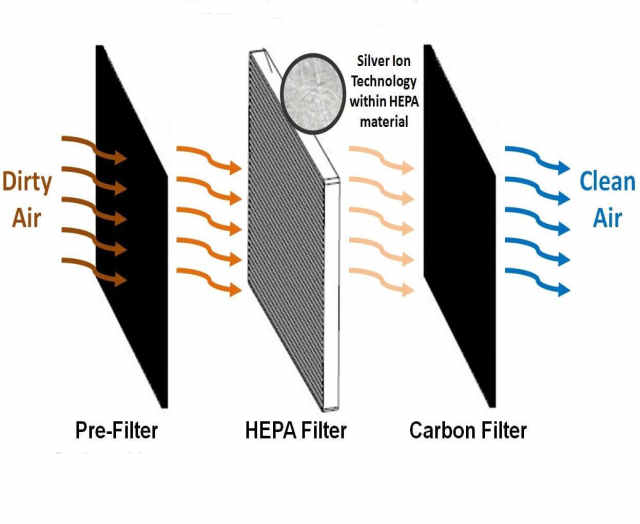
- Consider using a pre-filter. A pre-filter can trap larger particles and extend the life of your electrostatic filter.
By understanding how electrostatic air filters work and performing regular maintenance, you can help ensure your HVAC system operates efficiently and provides consistent comfort throughout your home. And remember, when in doubt, consult a professional!