What Is An Energy Recovery Unit
Indoor air quality and energy efficiency are increasingly important considerations for homeowners, HVAC technicians, and facility managers alike. One technology that addresses both concerns is the Energy Recovery Unit (ERU). But what exactly is an ERU, and how can it benefit your home or building? This article provides a comprehensive overview of ERUs, covering their function, types, benefits, costs, and maintenance requirements.
What is an Energy Recovery Unit?
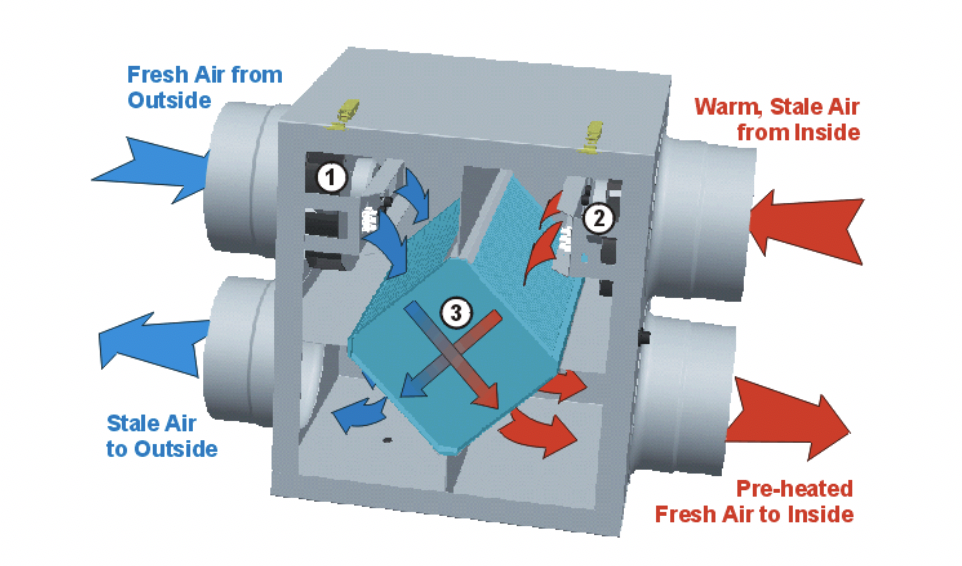
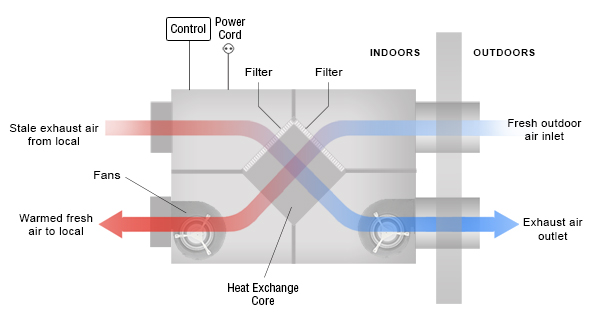
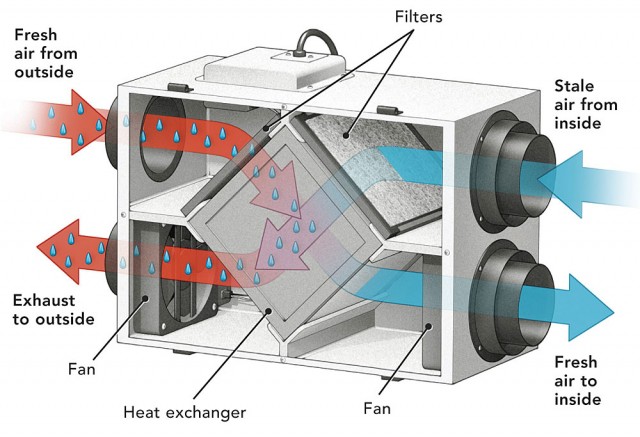
An Energy Recovery Unit, sometimes called an Energy Recovery Ventilator (ERV), is a mechanical ventilation system designed to improve indoor air quality while minimizing energy loss. Unlike simple exhaust fans that merely expel stale air, an ERU captures energy from the outgoing exhaust air and uses it to pre-condition the incoming fresh air. This process significantly reduces the load on your heating and cooling systems, leading to substantial energy savings.
In essence, an ERU acts as a heat exchanger. During the winter, it transfers heat from the warm exhaust air to the cold incoming air, warming the fresh air before it enters your home or building. In the summer, the process is reversed: the ERU cools the incoming warm air by transferring heat to the cooler exhaust air. This pre-conditioning reduces the amount of energy required to heat or cool the fresh air to the desired temperature.
To clarify with an example: Imagine a scenario where it’s 20°F outside and 70°F inside your home during the winter. Without an ERU, bringing in that 20°F air would require your furnace to work much harder to raise the temperature to a comfortable level. With an ERU, the 20°F incoming air might be pre-heated to, say, 50°F using the heat from the outgoing 70°F air. This reduces the temperature difference your furnace needs to overcome by 30 degrees, resulting in significant energy savings.
Types of Energy Recovery Units
There are primarily two main types of energy recovery units: Energy Recovery Ventilators (ERVs) and Heat Recovery Ventilators (HRVs). While both aim to recover energy, they differ in how they handle humidity.
Heat Recovery Ventilators (HRVs)
HRVs primarily transfer heat. They are most effective in climates with distinct seasons, where maintaining a constant humidity level isn't as critical. HRVs are excellent for cold climates where humidity is typically low during the winter. They help to prevent excessive moisture build-up indoors by exhausting humid air from bathrooms and kitchens. However, in humid climates, HRVs may not be the best choice, as they can introduce more moisture into the home during the summer.
Energy Recovery Ventilators (ERVs)
ERVs transfer both heat and moisture. They are particularly well-suited for climates with high humidity, as they help to control indoor humidity levels by transferring moisture from the incoming air to the outgoing air in the summer, and vice versa in the winter. This makes ERVs a better choice for humid regions, as they can help to prevent mold growth and improve overall comfort. By moderating the moisture content of the air, ERVs also reduce the strain on air conditioning systems, potentially lowering energy costs.
The selection of an HRV vs. an ERV depends primarily on the climate. A simple rule of thumb is to use HRVs in colder, drier climates, and ERVs in warmer, more humid climates.
Components of an Energy Recovery Unit
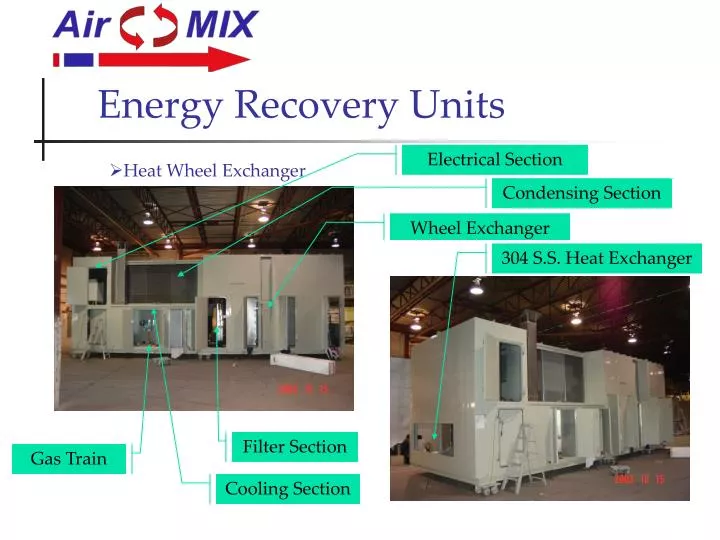
Regardless of whether it’s an HRV or ERV, most energy recovery units consist of the following key components:
- Core: The core is the heart of the ERU. It's where the heat and/or moisture exchange takes place. Common core materials include aluminum, plastic, or treated paper.
- Fans: Two fans are required - one to draw fresh air into the building and another to exhaust stale air.
- Filters: Filters are essential for removing dust, pollen, and other contaminants from the incoming air. Regular filter replacement is crucial for maintaining optimal performance and indoor air quality.
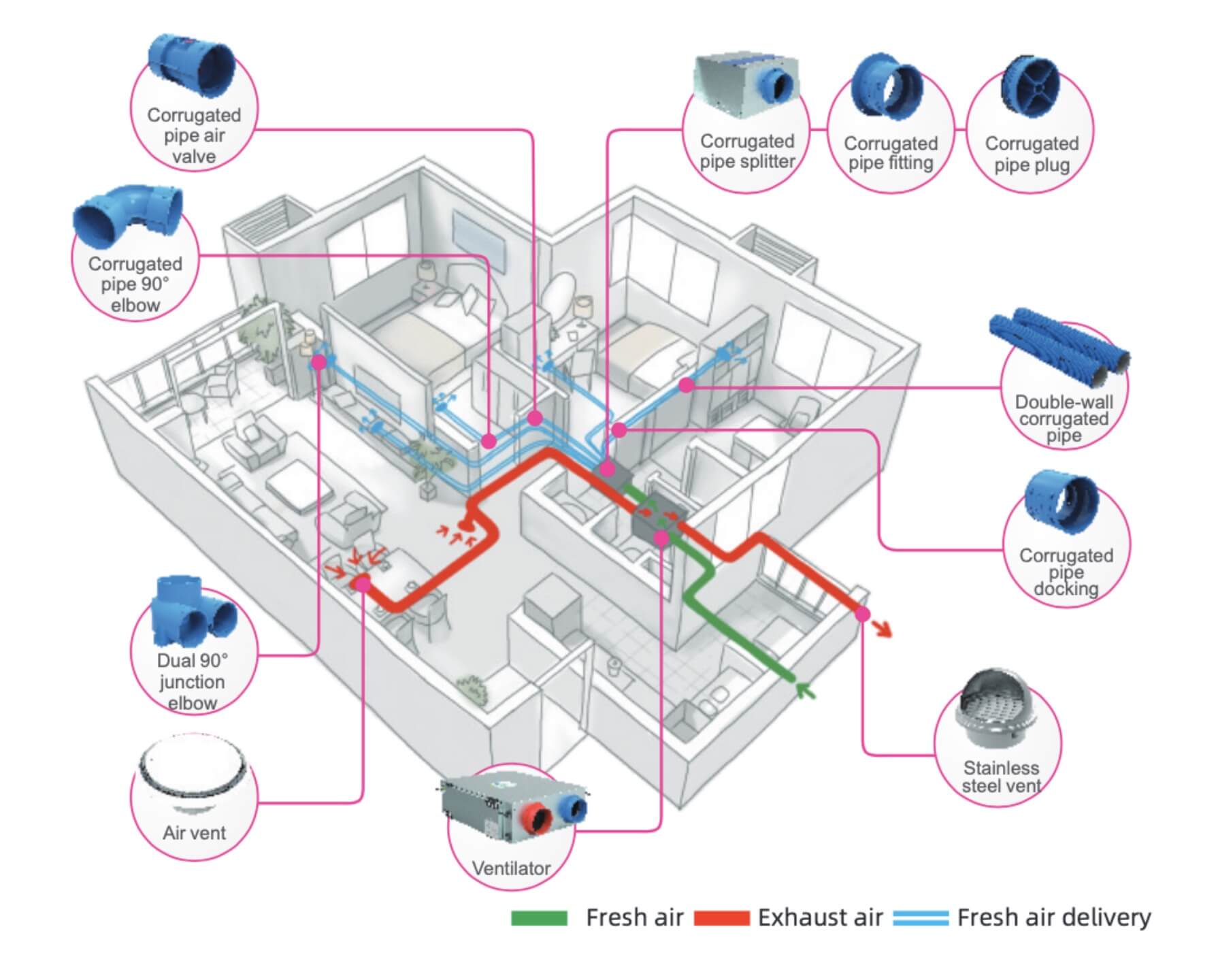
- Ductwork: Ductwork connects the ERU to the building's ventilation system, allowing for the distribution of fresh air and the removal of stale air.
- Controls: Controls allow users to adjust the ERU's settings, such as fan speed and operating mode. Some ERUs feature advanced controls that automatically adjust performance based on indoor and outdoor conditions.
Benefits of Using an Energy Recovery Unit
The benefits of installing an ERU are numerous and far-reaching:
- Improved Indoor Air Quality: ERUs constantly introduce fresh, filtered air into the home, removing pollutants, allergens, and stale air.
- Energy Savings: By pre-conditioning the incoming air, ERUs reduce the load on your heating and cooling systems, resulting in significant energy savings.
- Humidity Control: ERVs, in particular, help to maintain optimal indoor humidity levels, preventing mold growth and improving comfort.
- Reduced Heating and Cooling Costs: Lower energy consumption translates directly into lower utility bills.
- Increased Comfort: By maintaining a consistent temperature and humidity level, ERUs create a more comfortable indoor environment.
- Odor Control: ERUs effectively remove odors from the home, creating a fresher and more pleasant living space.
For example, a well-maintained ERU in a moderate climate could reduce heating and cooling costs by 10-20%. In more extreme climates, the savings could be even higher.
Cost and Installation
The cost of an ERU varies depending on its size, efficiency, and features. Generally, you can expect to pay between $1,000 and $4,000 for the unit itself. Installation costs can range from $500 to $2,000, depending on the complexity of the installation and the existing ductwork. Factors impacting installation costs include:
- Existing ductwork: If ductwork is already in place, installation costs will be lower.
- Accessibility: Difficult to reach installation locations will increase costs.
- Unit size: Larger units require more labor and materials.
While the initial investment may seem significant, the long-term energy savings and improved indoor air quality can quickly offset the cost. Many homeowners and building owners find that the payback period for an ERU is between 3 and 7 years.
Installation of an ERU is best left to qualified HVAC professionals. Proper installation is crucial for ensuring optimal performance and preventing potential problems. A professional installer will be able to assess your home or building's ventilation needs and recommend the appropriate size and type of ERU.
Maintenance
Like any mechanical system, an ERU requires regular maintenance to ensure optimal performance and longevity. The most important maintenance task is regular filter replacement. Filters should be replaced every 1-3 months, depending on the air quality in your area. A clogged filter will reduce the ERU's efficiency and can even damage the unit.
In addition to filter replacement, it's also important to periodically inspect the ERU's core and clean it if necessary. The core can accumulate dust and debris over time, which can reduce its efficiency. Refer to the manufacturer's instructions for specific cleaning recommendations.
Furthermore, it's a good idea to have your ERU professionally inspected and serviced at least once a year. A qualified HVAC technician can identify and address any potential problems before they become major issues.
Proper maintenance will not only ensure optimal performance but also extend the lifespan of your ERU. With proper care, an ERU can last for 15-20 years or more.
ERUs for Different Applications
ERUs are suitable for a wide range of applications, from single-family homes to large commercial buildings.
- Residential: ERUs are an excellent choice for homeowners who want to improve indoor air quality and reduce energy costs. They are particularly beneficial for homes that are tightly sealed for energy efficiency.
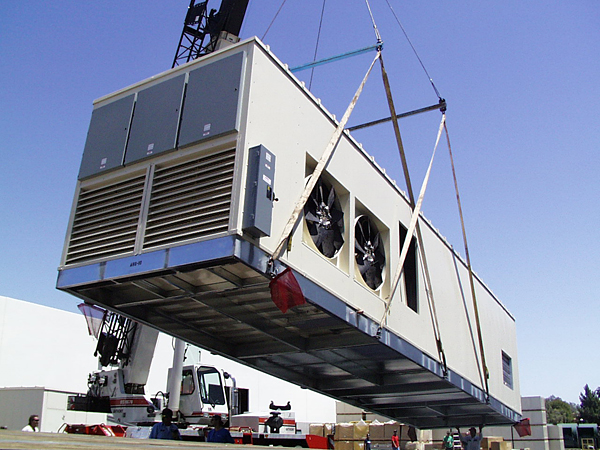
- Commercial: ERUs are widely used in commercial buildings, such as offices, schools, and hospitals, to improve indoor air quality and reduce energy consumption.
- Industrial: ERUs are also used in industrial settings, such as manufacturing plants and warehouses, to provide fresh air and control indoor humidity levels.
The size and type of ERU required will depend on the size and occupancy of the building, as well as the climate in which it is located. Consulting with a qualified HVAC professional is essential for selecting the right ERU for your specific needs.
Conclusion
An Energy Recovery Unit (ERU) is a valuable investment for homeowners, HVAC technicians, and facility managers who are looking to improve indoor air quality and reduce energy costs. By capturing energy from the outgoing exhaust air and using it to pre-condition the incoming fresh air, ERUs can significantly reduce the load on heating and cooling systems, leading to substantial energy savings. Whether you choose an HRV or an ERV, understanding the benefits, costs, and maintenance requirements is crucial for making an informed decision. With proper installation and maintenance, an ERU can provide years of reliable service and contribute to a healthier and more comfortable indoor environment.
When deciding on whether an ERU is right for you, consider your local climate, your budget, and your overall goals for indoor air quality and energy efficiency. Consulting with a qualified HVAC professional can help you determine the best solution for your specific needs.