What Is An Ideal Humidity In A House
Maintaining the right humidity level in your home is crucial for your health, comfort, and the preservation of your property. Too much or too little moisture can lead to a range of problems, from mold growth and structural damage to dry skin and respiratory issues. This guide will walk you through what constitutes an ideal humidity level, why it matters, and how to achieve and maintain it.
Understanding Humidity
Humidity refers to the amount of water vapor present in the air. It's typically measured in terms of relative humidity (RH), which is expressed as a percentage. Relative humidity indicates how much water vapor the air holds compared to the maximum amount it could hold at a given temperature. For instance, 50% RH means the air contains half the maximum amount of moisture it's capable of holding at that temperature.
Imagine a sponge. When a sponge is completely dry, it has 0% relative humidity. When it’s soaked and can't hold any more water, it has 100% relative humidity. Air works similarly. Warm air can hold more moisture than cold air, so relative humidity changes with temperature even if the actual amount of water vapor remains the same.
The Ideal Humidity Range
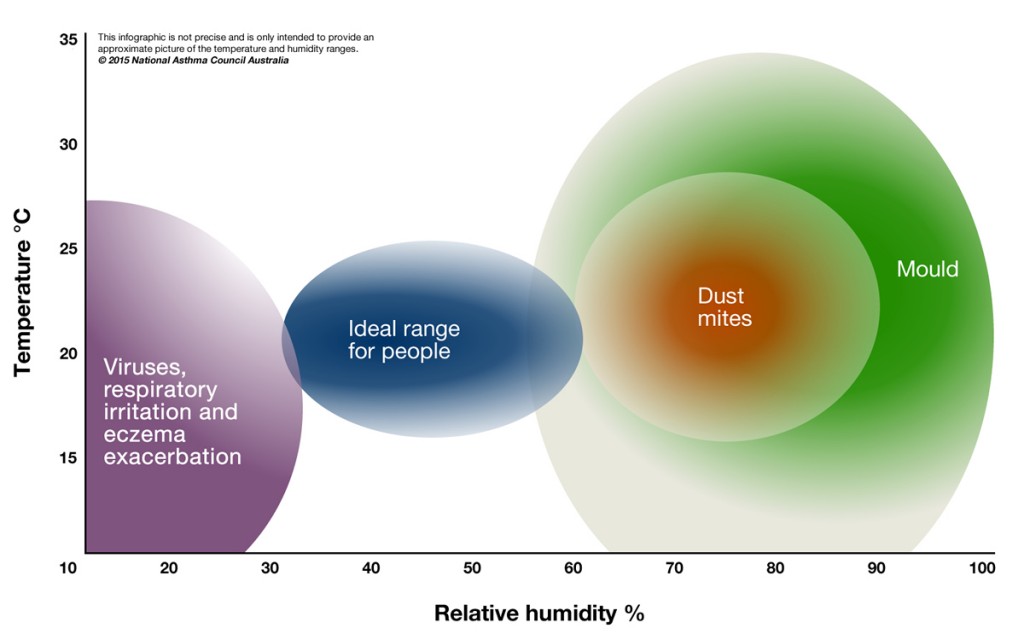
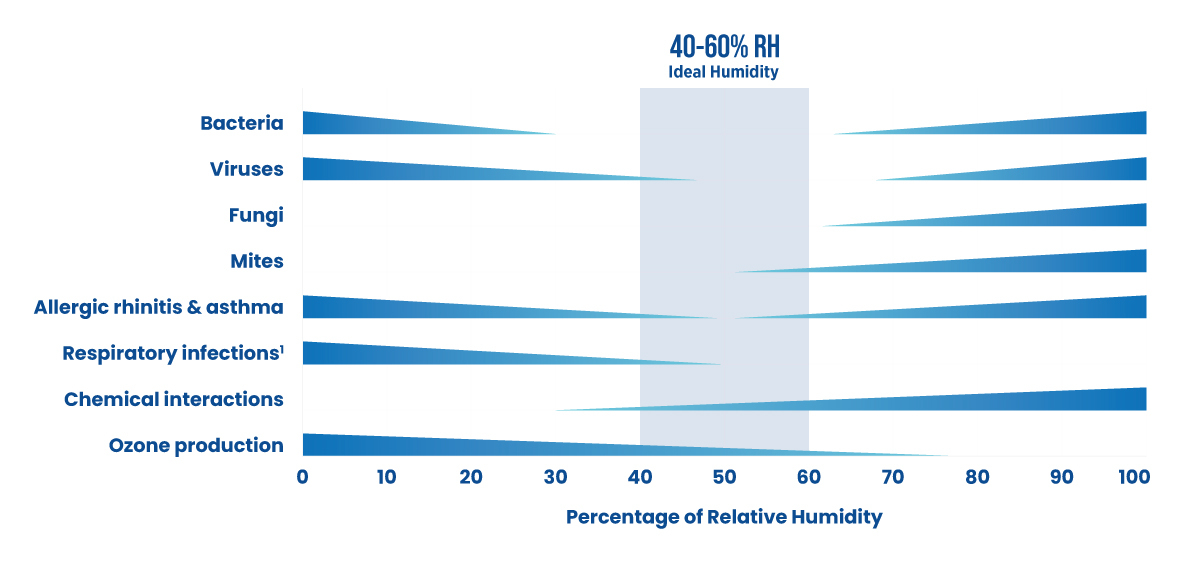
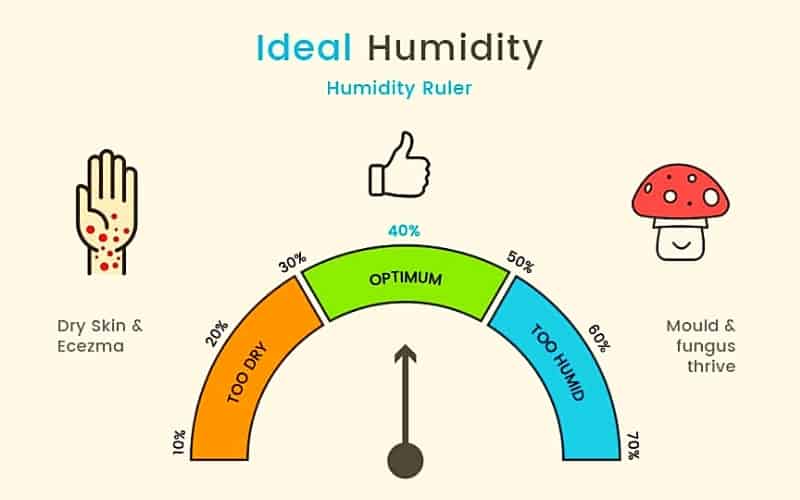
The generally recommended relative humidity range for a home is between 30% and 50%. This range is considered optimal for several reasons:
- Comfort: Humidity within this range is typically comfortable for most people. It avoids the clammy, sticky feeling of high humidity and the dryness associated with low humidity.
- Health: Maintaining this range helps prevent the growth of mold, mildew, and dust mites, which thrive in high humidity. It also minimizes dry skin, irritated sinuses, and respiratory problems caused by low humidity.
- Preservation: Ideal humidity levels protect your home's structure and belongings from damage caused by excessive moisture (like warping wood) or excessive dryness (like cracked paint).
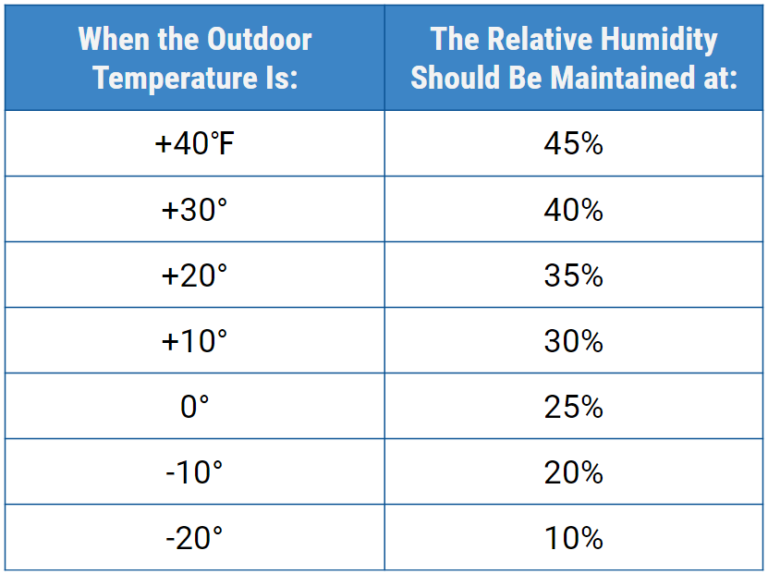
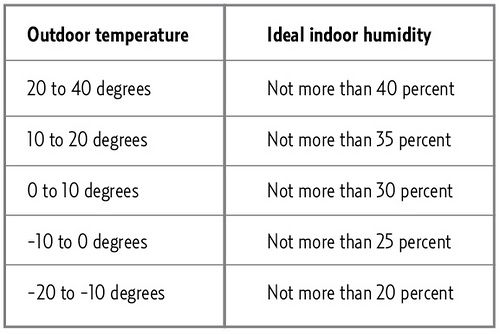
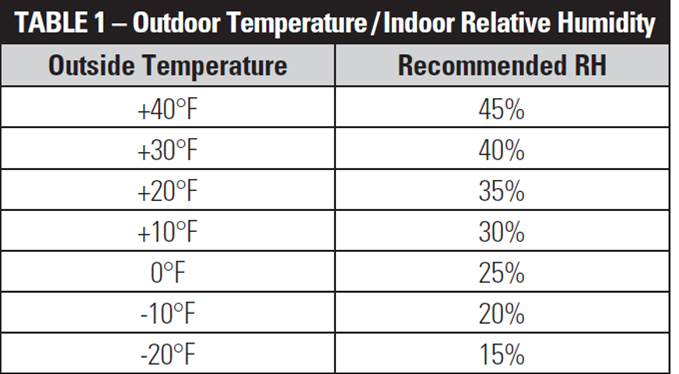
It’s important to note that the ideal humidity level can fluctuate slightly depending on the season and your geographic location. During colder months, it's generally recommended to aim for the lower end of the range (around 30-40%) to prevent condensation on windows and walls. In warmer months, the higher end of the range (40-50%) is generally acceptable.
Why Humidity Matters: The Impact of Too Much or Too Little
Deviating from the ideal humidity range can have significant consequences:
High Humidity (Above 50%)
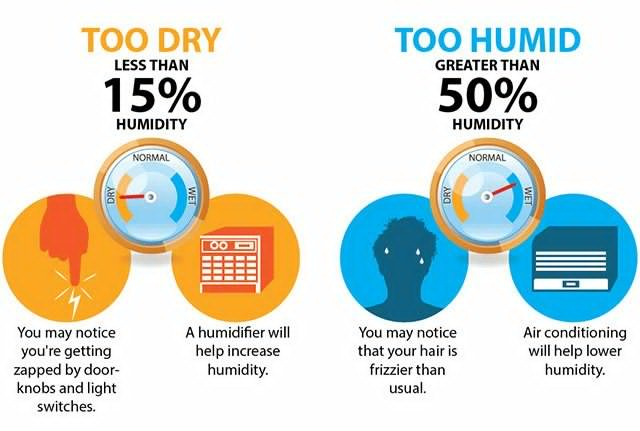
High humidity creates a breeding ground for mold, mildew, and dust mites. These allergens can trigger allergic reactions, asthma attacks, and other respiratory problems. Mold can also damage building materials, leading to costly repairs.
- Mold and Mildew Growth: Damp environments encourage the growth of these fungi, which can cause health problems and structural damage.
- Dust Mite Infestation: Dust mites thrive in humid environments, exacerbating allergies and asthma.
- Wood Rot and Warping: Excess moisture can cause wood to rot, warp, and swell, damaging floors, walls, and furniture.
- Uncomfortable Living Conditions: High humidity makes the air feel heavy and clammy, leading to discomfort and difficulty breathing.
- Musty Odors: The presence of mold and mildew often leads to unpleasant musty smells throughout the house.
Low Humidity (Below 30%)
Low humidity can dry out your skin, irritate your sinuses, and make you more susceptible to respiratory infections. It can also damage wooden furniture, musical instruments, and artwork.
- Dry Skin and Irritated Sinuses: Low humidity draws moisture from your skin and mucous membranes, leading to dryness, itching, and irritation.
- Increased Susceptibility to Illness: Dry air can weaken your immune system and make you more vulnerable to colds and flu.
- Cracked and Damaged Wood: Wood can dry out and crack in low humidity, damaging furniture, flooring, and musical instruments.
- Static Electricity: Low humidity increases the likelihood of static shocks.
- Aggravated Respiratory Conditions: Dry air can worsen symptoms of asthma and other respiratory problems.
Monitoring Humidity Levels
The easiest way to monitor humidity levels in your home is with a hygrometer, also known as a humidity monitor. These devices are readily available at hardware stores and online retailers. Digital hygrometers are generally more accurate than analog models.
Place hygrometers in different areas of your home, especially in areas prone to humidity problems, such as bathrooms, basements, and kitchens. Monitor the readings regularly, especially during periods of extreme weather.
Controlling Humidity: Solutions for High and Low Humidity
Controlling High Humidity
If your home's humidity level is consistently above 50%, here are some steps you can take to reduce it:
- Use a Dehumidifier: Dehumidifiers remove moisture from the air. Choose a model that's appropriately sized for the space you need to dehumidify.
- Improve Ventilation: Ensure adequate ventilation in bathrooms and kitchens by using exhaust fans when showering, bathing, or cooking.
- Fix Leaks: Repair any leaks in your roof, plumbing, or foundation to prevent moisture from entering your home.
- Properly Vent Appliances: Make sure clothes dryers and other appliances are properly vented to the outside.
- Control Indoor Plants: While indoor plants can be beneficial, too many can contribute to higher humidity levels. Consider reducing the number of plants or grouping them together in a single area.
- Air Conditioning: Air conditioners remove moisture as they cool the air. Regular AC use can help lower humidity levels, especially in warmer months. Think of the refrigerant as the 'blood' of your AC system, carrying heat from inside to outside.
Controlling Low Humidity
If your home's humidity level is consistently below 30%, here are some steps you can take to increase it:
- Use a Humidifier: Humidifiers add moisture to the air. Choose a model that's appropriately sized for the space you need to humidify. There are different types of humidifiers, including cool mist, warm mist, and ultrasonic models.
- Take Shorter, Cooler Showers: Hot showers can dry out your skin and contribute to low humidity.
- Boil Water on the Stove: Boiling water releases steam into the air, increasing humidity. However, be careful not to leave boiling water unattended.
- Indoor Plants: Plants release moisture into the air through transpiration.
- Open Windows (When Appropriate): If the outdoor air is more humid than the indoor air, opening windows can help increase humidity levels. This is more effective in milder climates.
The Role of Ventilation
Ventilation plays a crucial role in maintaining healthy humidity levels. Proper ventilation allows fresh air to circulate, removing stale, humid air and preventing moisture buildup.
- Ensure Adequate Airflow: Open windows and doors (when weather permits) to promote airflow.
- Use Exhaust Fans: Exhaust fans in bathrooms and kitchens remove moisture-laden air.
- Consider a Whole-House Ventilation System: For homes with poor ventilation, a whole-house ventilation system can provide a continuous supply of fresh air.
Air Conditioning and Humidity
Air conditioning systems not only cool the air but also help to dehumidify it. As the refrigerant circulates, it cools the indoor air, causing moisture to condense on the evaporator coils and drain away. This process helps to maintain a comfortable and healthy humidity level.
However, if your AC system is not functioning properly, it may not be effectively dehumidifying the air. Regular maintenance, including cleaning the coils and replacing the air filter, is essential for optimal performance.
Seasonal Adjustments
The ideal humidity level may vary slightly depending on the season. During the winter months, when the air is naturally drier, it may be necessary to use a humidifier to maintain a comfortable humidity level. In the summer months, when humidity is typically higher, a dehumidifier or air conditioner may be needed.
Adjust your humidity control strategies based on the changing seasons to maintain a healthy and comfortable indoor environment.
Professional Help
If you're struggling to control humidity levels in your home, consider consulting with a HVAC (heating, ventilation, and air conditioning) professional. A qualified technician can assess your home's ventilation and humidity control needs and recommend appropriate solutions.
They can also identify and address underlying issues, such as leaks or poor insulation, that may be contributing to humidity problems.
Conclusion
Maintaining the ideal humidity level in your home is essential for your health, comfort, and the preservation of your property. By understanding the factors that influence humidity, monitoring humidity levels regularly, and taking appropriate control measures, you can create a healthy and comfortable indoor environment. Remember that the ideal range of 30-50% relative humidity is a general guideline, and adjustments may be necessary based on your specific circumstances and climate. Don't hesitate to seek professional help if you're having difficulty managing humidity levels on your own. With the right strategies, you can enjoy a healthier, more comfortable, and well-maintained home.
.jpg?width=3508&name=Humidity level chart (1).jpg)