What Is An Oil Filled Radiator

With rising energy costs and a growing focus on sustainability, homeowners and businesses are constantly seeking efficient and cost-effective heating solutions. One option that often surfaces is the oil-filled radiator. But what exactly is an oil-filled radiator, how does it work, and is it the right choice for your heating needs? This article dives deep into the mechanics, benefits, drawbacks, and overall energy efficiency of oil-filled radiators, helping you make an informed decision.
Understanding Oil-Filled Radiators: How They Work
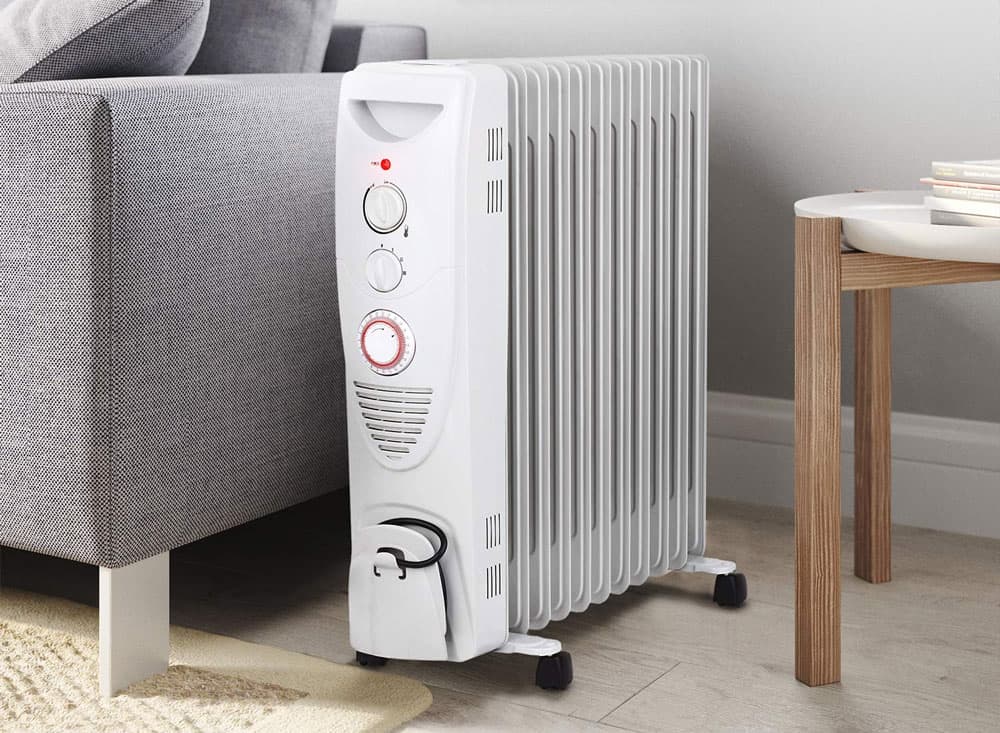
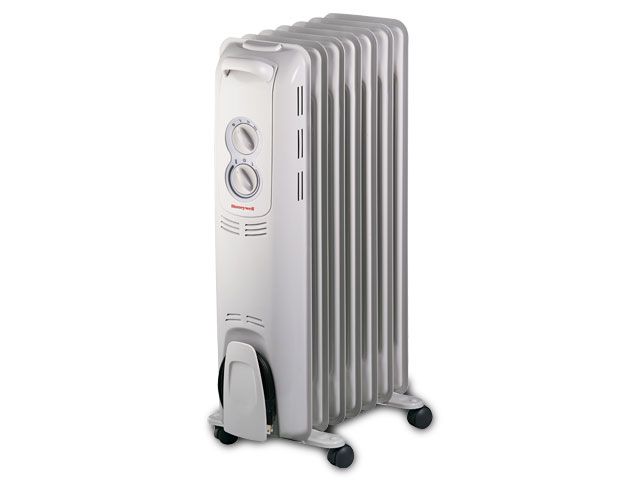
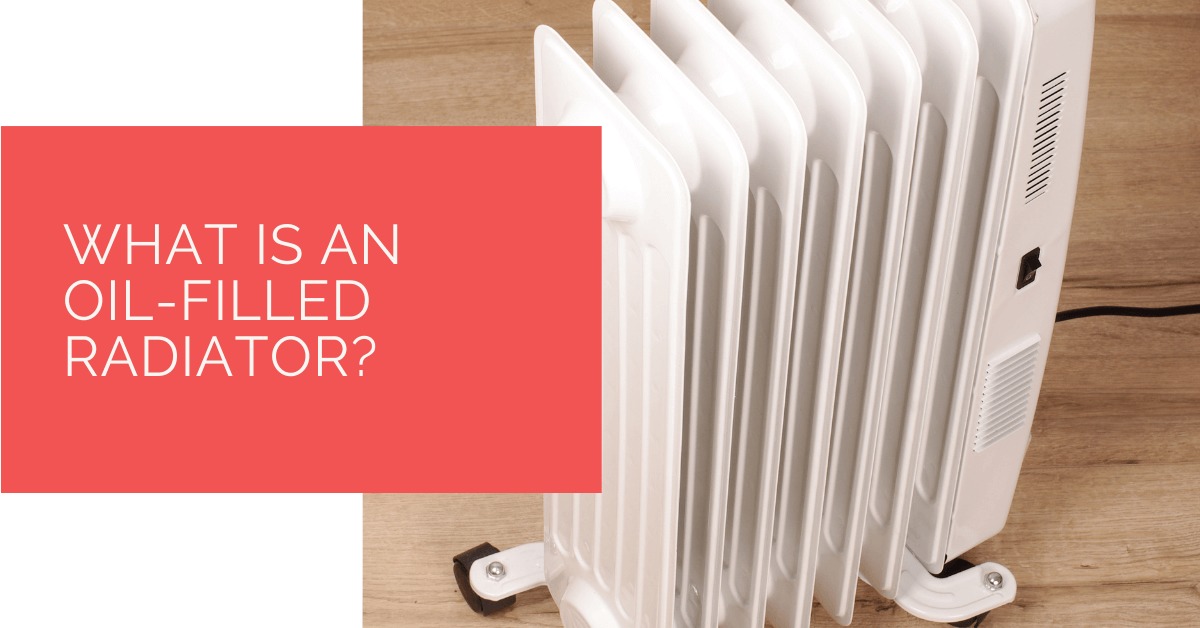
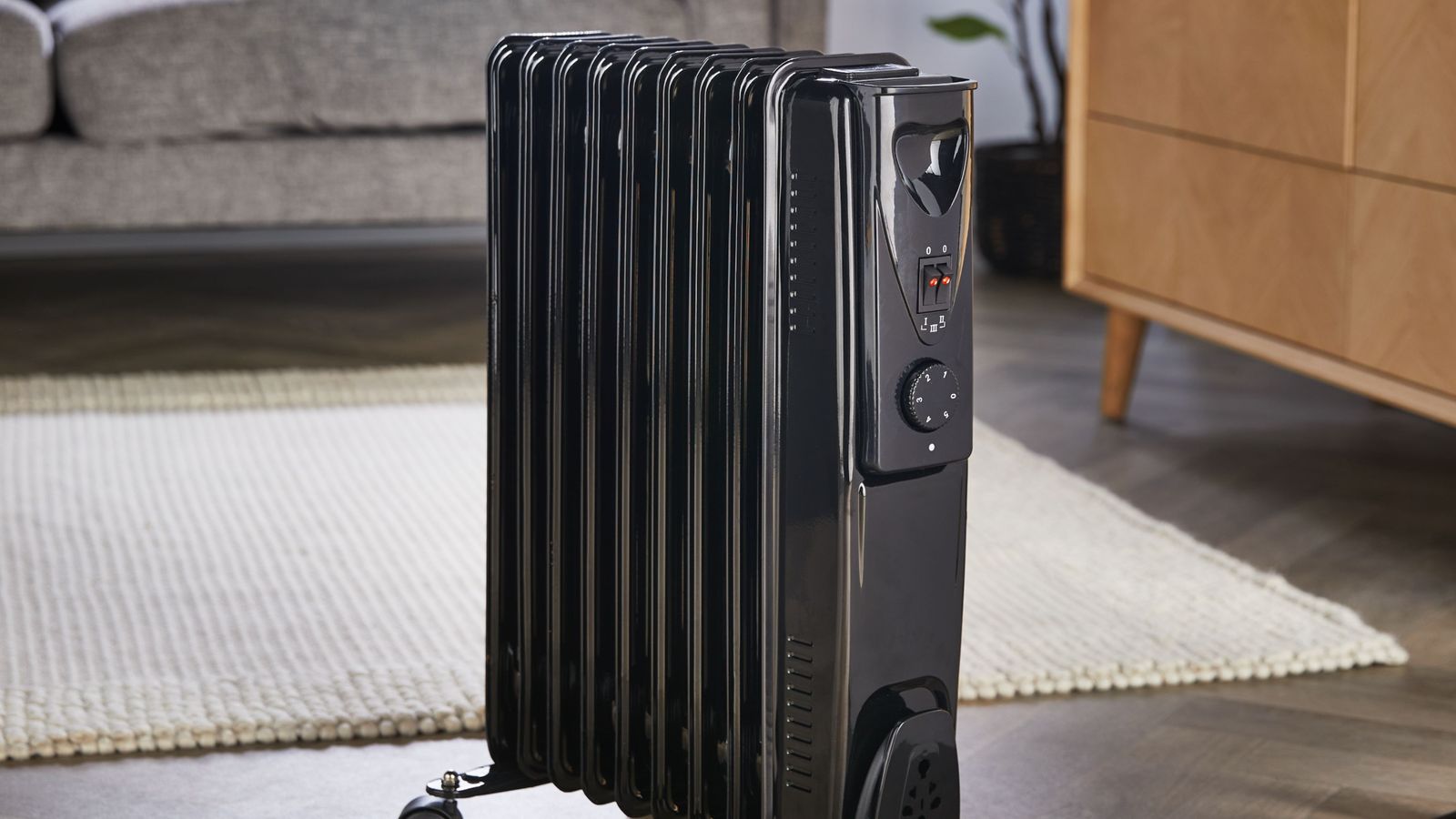
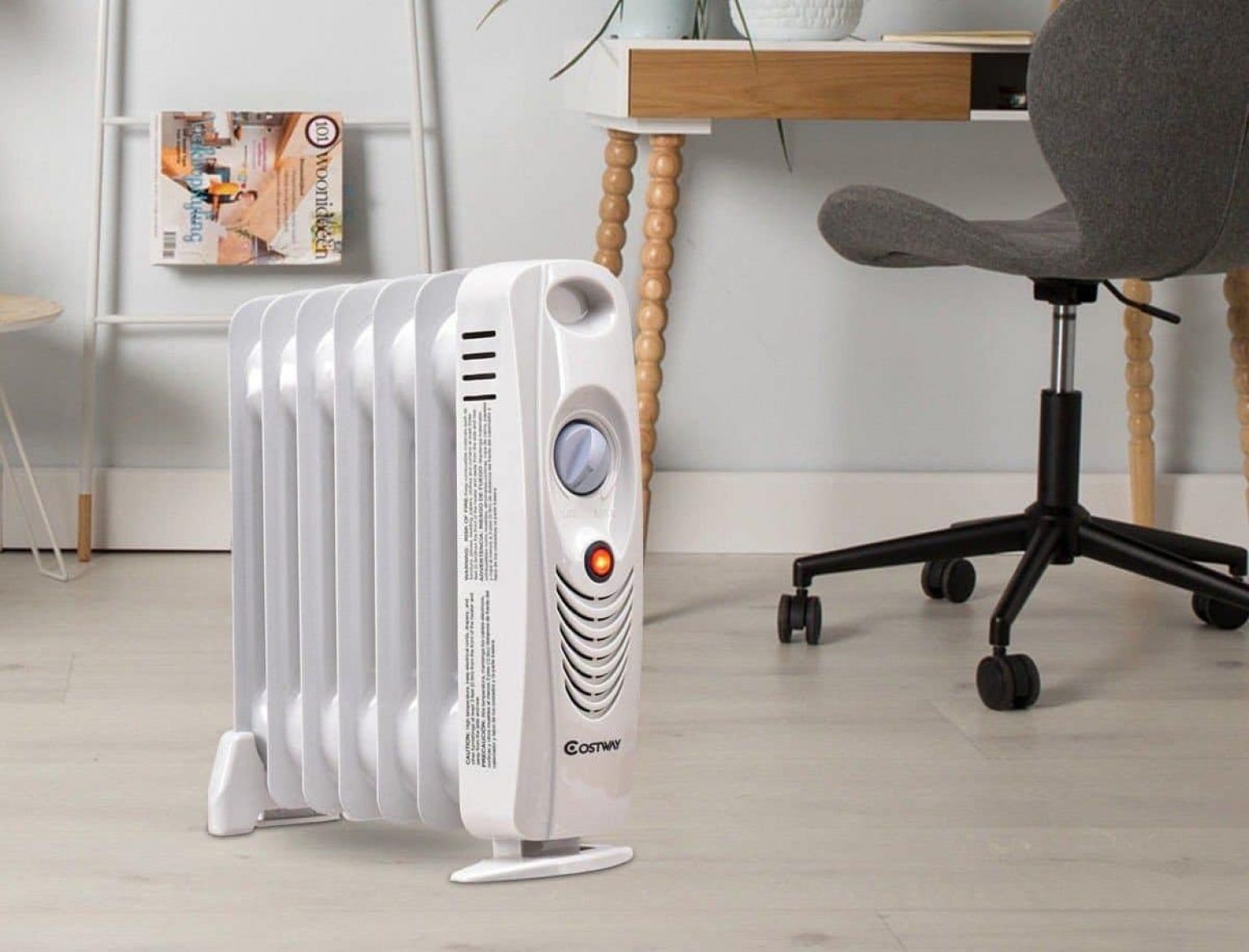
Despite the name, oil-filled radiators don’t actually burn oil for heat. Instead, they are electric heaters filled with a diathermic oil that acts as a heat reservoir. Here's a simplified breakdown of their operation:
- Electric Resistance Heating: An electrical resistance element inside the radiator heats up when plugged into a power outlet.
- Oil as a Heat Conductor: This heating element heats the surrounding diathermic oil. The oil is specifically chosen for its high heat capacity and its ability to efficiently transfer heat. Think of it as a thermal battery, storing and evenly distributing the heat.
- Radiant and Convective Heat: The heated oil warms the metal casing of the radiator. The radiator then emits heat primarily through radiant heat (like the sun warming your skin) and, to a lesser extent, through convection (warming the air around it).
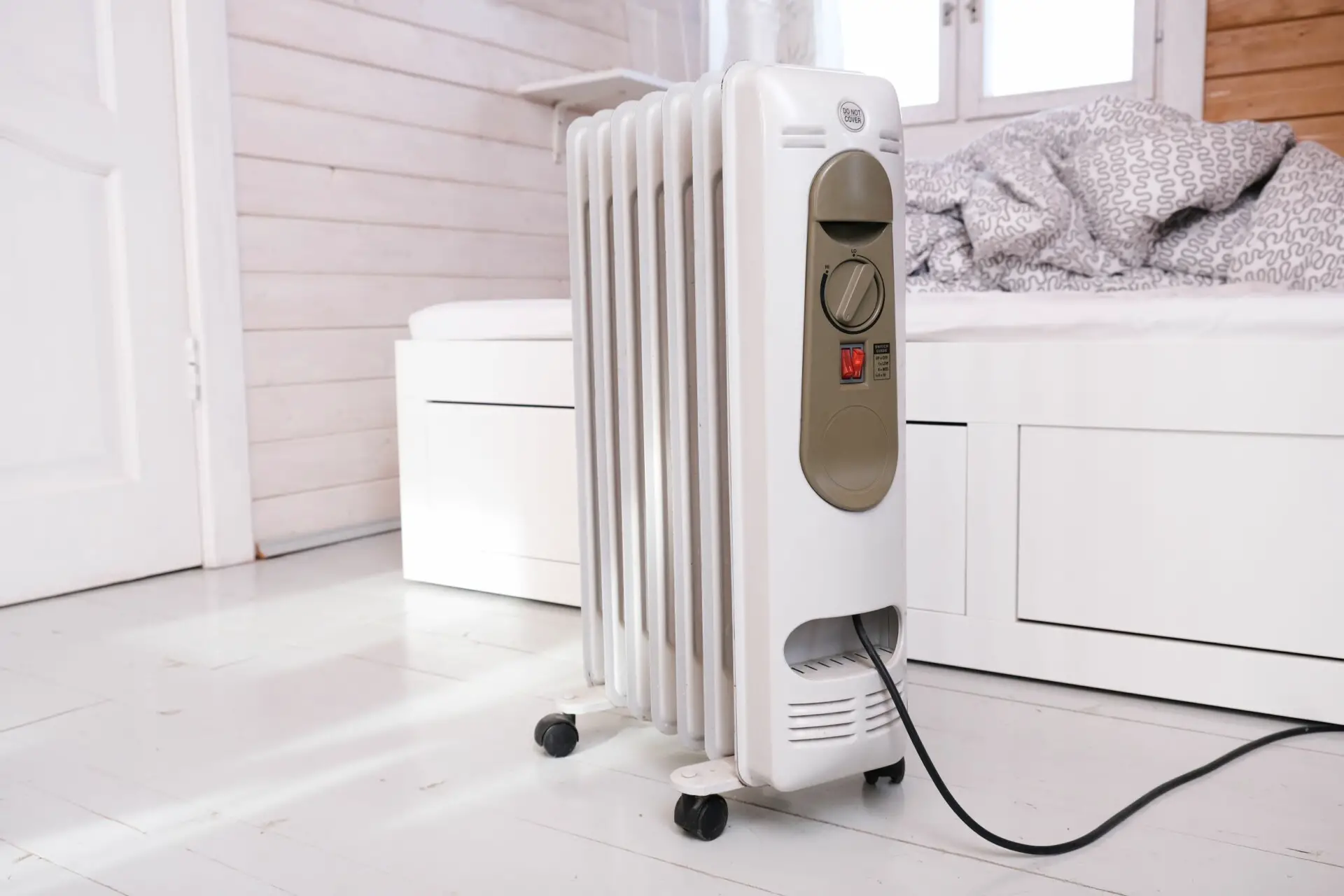
- Thermostat Control: A built-in thermostat regulates the temperature by cycling the heating element on and off as needed. This helps maintain a consistent room temperature.
Unlike forced-air systems, oil-filled radiators do not use fans. This results in quieter operation and prevents the circulation of dust and allergens, making them a good option for people with allergies or sensitivities.
Benefits of Oil-Filled Radiators: A Closer Look
Oil-filled radiators offer several advantages that make them an attractive heating option for certain situations:
- Silent Operation: The absence of a fan means virtually silent operation, ideal for bedrooms, offices, or nurseries.
- Consistent and Even Heat: The oil’s heat-retention capabilities provide a more consistent and even heat distribution compared to some other portable heaters. They don't cycle on and off as frequently, leading to fewer temperature fluctuations.
- Portability: Most oil-filled radiators are equipped with wheels, making them easy to move from room to room.
- No Fuel Combustion: As electric heaters, they produce no combustion byproducts, improving indoor air quality compared to gas or propane space heaters.
- Relatively Safe: Modern oil-filled radiators often feature safety features like automatic shut-off in case of tipping over and overheat protection.
- Lower Upfront Cost: Oil-filled radiators typically have a lower initial purchase price than some other heating options like mini-split systems.
Drawbacks and Limitations: Considerations Before Buying
While oil-filled radiators offer several benefits, it's important to be aware of their limitations:
- Slower Heating: They take longer to heat up a room compared to forced-air heaters or radiant heaters. The oil needs to be heated first before the radiator starts emitting significant heat.
- Lower Heating Power: They are generally best suited for heating smaller to medium-sized rooms. Larger spaces may require multiple units, which can increase energy consumption.
- Energy Consumption: While they provide consistent heat, oil-filled radiators can be energy-intensive, especially if used to heat large areas. Their efficiency depends greatly on usage patterns and insulation levels in the room.
- Bulky Size: Oil-filled radiators can be relatively bulky compared to other portable heater options.
Energy Efficiency and ROI: Making Sense of the Numbers
The energy efficiency of oil-filled radiators is a crucial factor to consider. They are 100% efficient in *converting* electricity to heat – all the electrical energy is transformed into heat. However, the *overall* energy efficiency depends on how effectively that heat is used and maintained in the space. Let's break it down:
- Wattage: Oil-filled radiators typically range from 700 watts to 1500 watts. A 1500-watt radiator running continuously for one hour consumes 1.5 kilowatt-hours (kWh) of electricity.
- Cost: The cost of running an oil-filled radiator depends on your local electricity rate. For example, if your rate is $0.15 per kWh, running a 1500-watt radiator for 8 hours a day would cost $1.80 per day or $54 per month (assuming 30 days).
- Insulation is Key: Poorly insulated rooms will require the radiator to run longer to maintain the desired temperature, increasing energy consumption and negating any potential savings.
ROI (Return on Investment) is best maximized by using oil-filled radiators for zone heating. Zone heating involves heating only the rooms you're actively using, rather than heating the entire house. This can be a more cost-effective alternative to running a central heating system at full capacity, especially in larger homes.
To estimate your potential savings:
- Calculate the energy consumption of your current heating system.
- Estimate the number of hours you would use the oil-filled radiator for zone heating.
- Calculate the energy consumption of the oil-filled radiator.
- Compare the costs to determine potential savings.
Remember to factor in the initial cost of the radiator itself. While the upfront cost is low, the running costs can add up quickly if not used strategically.
Smart Home Integration and Programmability
Modern oil-filled radiators are increasingly incorporating smart features to enhance energy efficiency and convenience. These features include:
- Programmable Timers: Allow you to set specific on/off times, so the radiator only operates when needed.
- Smart Thermostats: Integrate with smart home systems, allowing you to control the radiator remotely via your smartphone or voice assistants like Alexa or Google Assistant.
- Energy Monitoring: Some models offer energy usage monitoring, providing insights into your heating habits and helping you identify areas for optimization.
- Adaptive Learning: Advanced models can "learn" your heating preferences and automatically adjust settings to maximize efficiency and comfort.
By integrating your oil-filled radiator with a smart home system, you can significantly improve its energy efficiency and reduce your heating costs. For instance, you can use a smart thermostat to automatically lower the temperature when you're away from home or asleep. You can also leverage geofencing to have the radiator turn on automatically when you're approaching home, ensuring a warm welcome without wasting energy.
Comparing Oil-Filled Radiators to Other Heating Solutions
Before committing to an oil-filled radiator, it's essential to compare it to other heating options:
- Forced-Air Heaters: Offer faster heating but can be noisy and dry out the air. Less efficient in the long run than zone-heating with an oil-filled radiator if you're only heating one room.
- Ceramic Heaters: Lightweight and portable, ceramic heaters provide directional heat, ideal for small spaces. They can be more energy-efficient than oil-filled radiators for short bursts of heating but are not as good at maintaining consistent temperatures.
- Infrared Heaters: Heat objects directly, rather than heating the air. Energy efficient if you want to heat people rather than the room.
- Heat Pumps (Mini-Splits): Much more energy-efficient than oil-filled radiators in the long run, especially for heating larger areas. Higher upfront cost but offer cooling as well. Consider energy rebates and tax credits to help offset initial costs.
- Electric Baseboard Heaters: Permanent fixtures, often less energy-efficient and prone to uneven heating.
The best choice depends on your specific needs, budget, and heating requirements. An oil-filled radiator shines in scenarios where silent, consistent, and portable zone heating is desired.
Government Guidelines and Energy Star Certification
While oil-filled radiators themselves are not typically Energy Star certified, it's still important to consider overall energy efficiency standards. Look for models with features like programmable timers and smart thermostat compatibility, which can help reduce energy consumption.
Furthermore, explore potential energy efficiency rebates offered by your local utility company. Some utilities offer rebates for upgrading to energy-efficient heating systems, including smart thermostats that can be used in conjunction with oil-filled radiators.
Maintenance and Safety Tips
Oil-filled radiators require minimal maintenance. Here are a few tips to ensure safe and efficient operation:
- Dust Regularly: Keep the radiator clean to prevent dust buildup, which can reduce its efficiency.
- Inspect the Cord: Check the power cord for any damage. Replace the cord if it is frayed or damaged.
- Keep Away from Flammable Materials: Ensure the radiator is placed away from curtains, furniture, and other flammable materials.
- Never Cover the Radiator: Covering the radiator can cause it to overheat and create a fire hazard.
- Read the Manual: Always refer to the manufacturer's instructions for specific safety guidelines and maintenance procedures.
Conclusion: Is an Oil-Filled Radiator Right for You?
Oil-filled radiators offer a compelling heating solution for specific needs and scenarios. Their silent operation, consistent heat, and portability make them a good option for bedrooms, offices, and zone heating. However, it's crucial to be aware of their limitations, including slower heating and potentially higher energy consumption compared to more efficient options like heat pumps. By carefully evaluating your heating requirements, comparing different options, and utilizing smart home integration, you can determine if an oil-filled radiator is the right choice for your energy-saving goals. Remember to factor in long term ROI on your purchase.