What Is Anode Rod Water Heater

Frequently Asked Questions About Anode Rods in Water Heaters
Your water heater is a vital appliance, and understanding its components can save you money and headaches. One crucial part is the anode rod. This FAQ addresses common questions about anode rods to help you understand their function and importance.
1. What exactly is an anode rod and what does it do?
An anode rod is a metal rod, typically made of aluminum, magnesium, or zinc, that's installed inside your water heater tank. Its primary purpose is to protect the steel tank from corrosion. Think of it as a sacrificial lamb – it corrodes *instead* of your water heater tank.
Here's how it works:
- Water contains impurities and minerals that can cause steel to rust.
- The anode rod is made of a metal that's more electronegative (more easily corroded) than the steel in the tank.
- Due to galvanic corrosion, the anode rod corrodes *first*, attracting the corrosive elements in the water.
- This process effectively "shields" the tank from corrosion, extending its lifespan.
Without an anode rod, the tank itself would begin to corrode, eventually leading to leaks and failure of the entire water heater.
2. Why is an anode rod necessary? Can't water heaters be made with rust-proof materials?
While some water heater components *are* made with rust-resistant materials, the tank itself is typically made of steel because it's durable and cost-effective. Coating the entire tank with a completely corrosion-proof material would significantly increase the cost of the water heater.
Even with protective linings inside the tank, imperfections or scratches can occur during manufacturing or installation, exposing the steel to water. The anode rod provides a critical layer of protection, ensuring that any exposed steel is shielded from corrosion.
Think of it like painting a car. Even a high-quality paint job can get small chips. The anode rod acts like an additional clear coat layer, protecting the underlying metal even if the "paint" (tank lining) is compromised.
3. How long does an anode rod last, and how do I know when it needs to be replaced?
The lifespan of an anode rod varies depending on several factors, including:
- Water chemistry: Hard water (high mineral content) and water with high acidity (low pH) can accelerate corrosion.
- Water usage: Higher water usage means more water flows through the tank, increasing the exposure of the anode rod to corrosive elements.
- Anode rod material: Magnesium anode rods tend to corrode faster than aluminum or zinc rods, especially in softer water.
- Water temperature: Higher temperatures can increase the rate of corrosion.
Generally, an anode rod can last anywhere from 1 to 5 years, but in some cases, it may need to be replaced sooner. Here are some signs that your anode rod may need replacing:
- Rotten egg smell in hot water: This is often caused by a reaction between sulfur bacteria in the water and the corroding anode rod.
- Discolored water: Rust-colored or cloudy water can indicate that the tank itself is starting to corrode due to a depleted anode rod.
- Banging or popping noises from the water heater: This can be caused by sediment buildup on the bottom of the tank, which can occur more rapidly if the anode rod is not functioning properly.
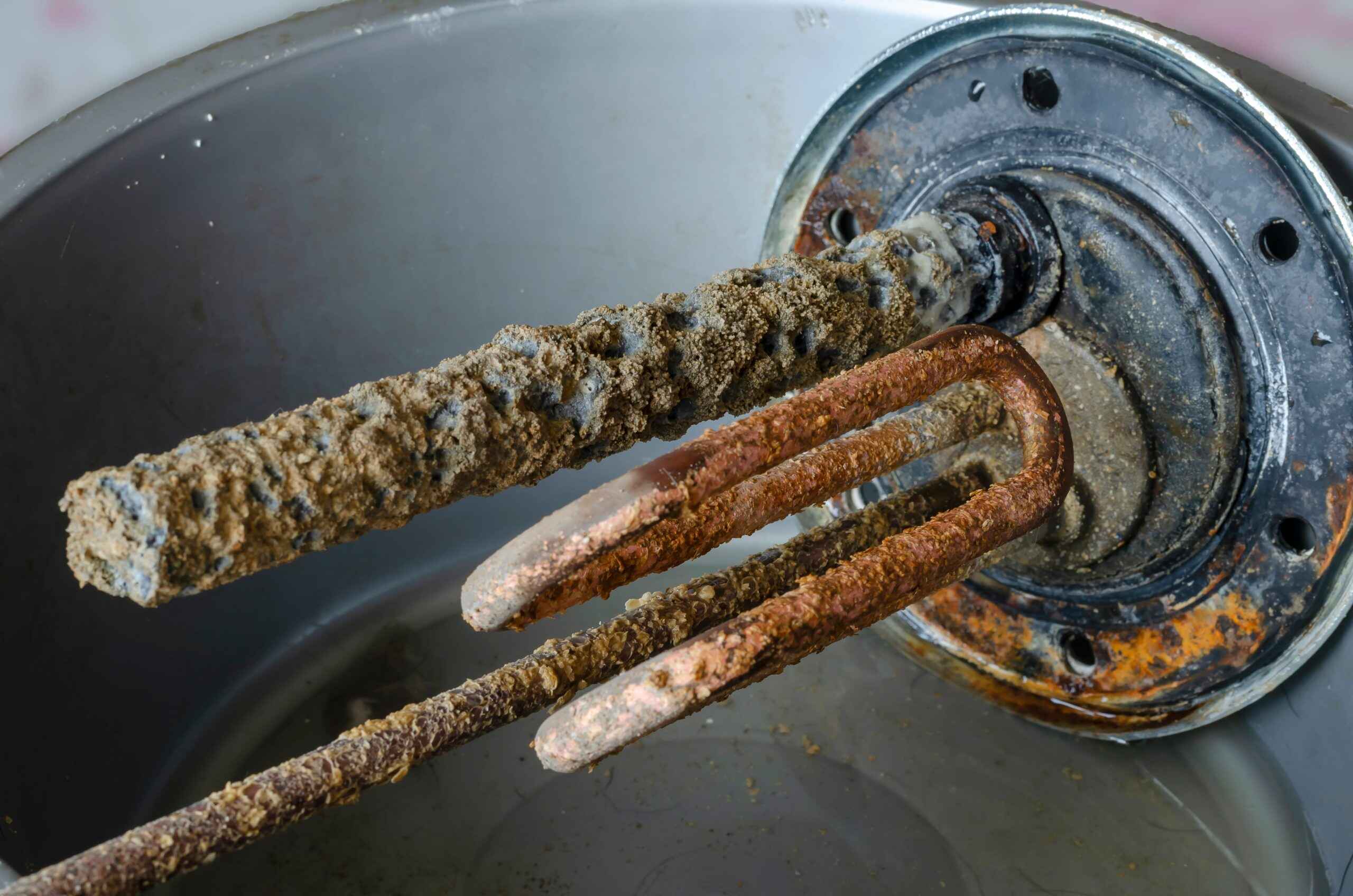
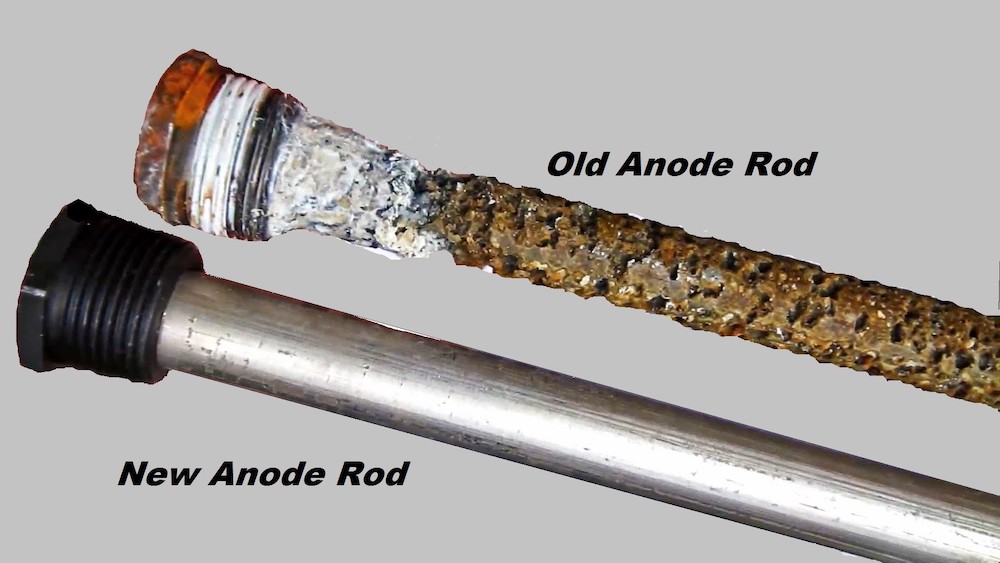
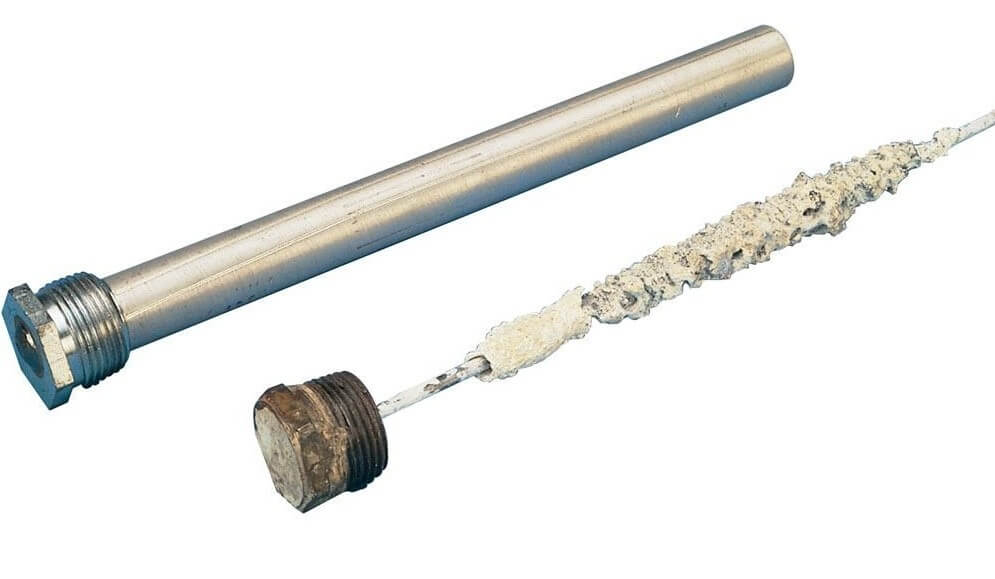
- Visible signs of corrosion on the anode rod (if you inspect it): This is the most direct way to determine if the anode rod needs replacement.
The best way to determine if your anode rod needs replacement is to inspect it periodically. Ideally, you should inspect it every 2-3 years, or more frequently if you have hard water or high water usage.
4. How do I inspect and replace an anode rod? Is it a DIY project, or should I call a professional?
Inspecting and replacing an anode rod can be a DIY project for some homeowners, but it depends on your comfort level and experience with plumbing. Here's a general overview:
Inspection:
- Turn off the water heater: This is crucial for safety. Turn off the gas valve (if it's a gas water heater) or the breaker switch (if it's an electric water heater).
- Turn off the cold water supply to the water heater: This will prevent water from flowing into the tank during the inspection.
- Drain some water from the tank: Open the drain valve at the bottom of the tank and drain a few gallons of water. This will reduce the pressure in the tank.
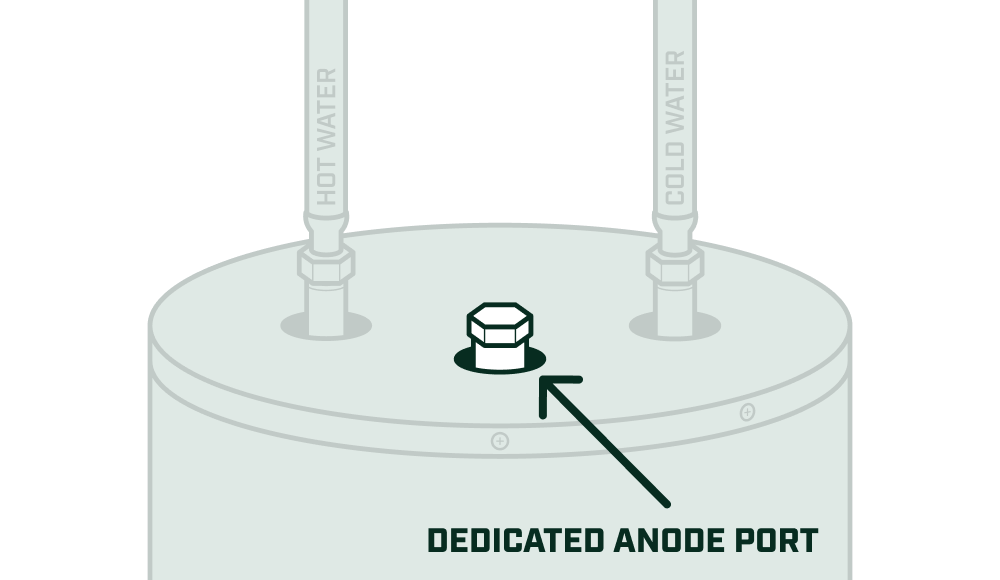
- Locate the anode rod: The anode rod is usually located at the top of the water heater, under a cap or fitting. It may be combined with the hot water outlet.
- Remove the anode rod: Use a wrench to loosen and remove the anode rod. Be prepared for some water to spill out.
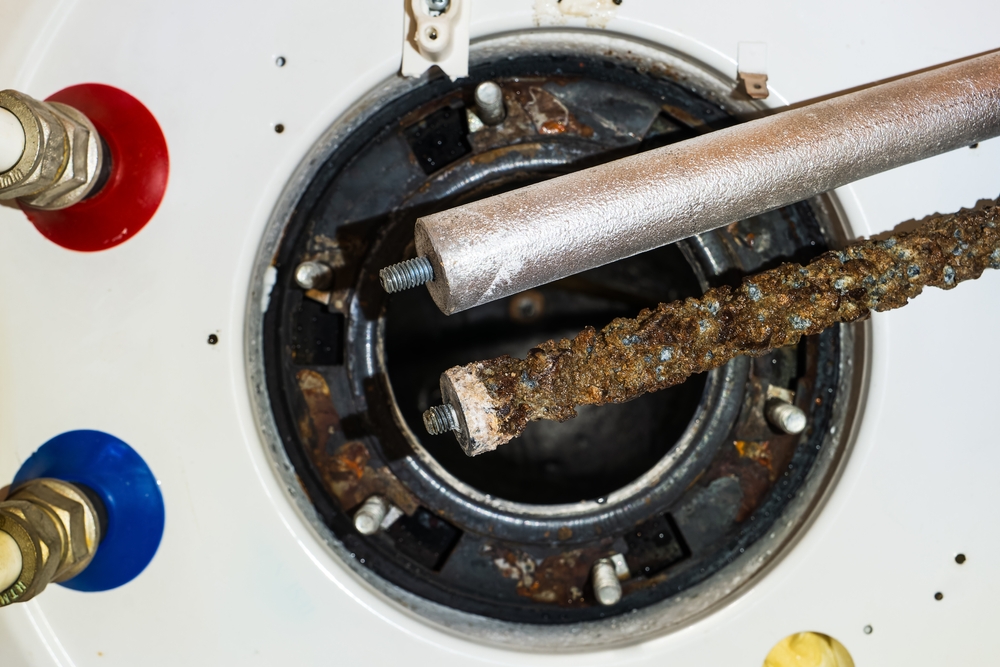
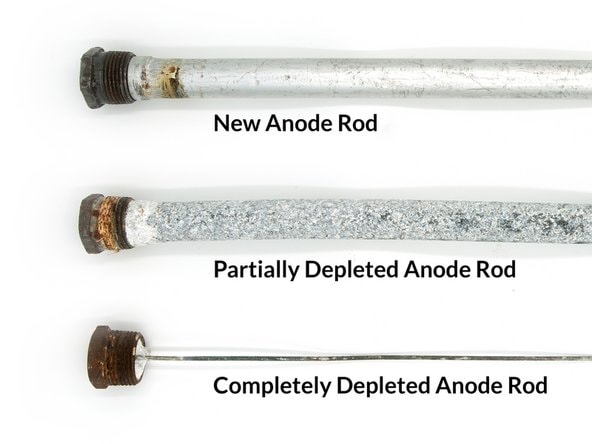
- Inspect the anode rod: Look for signs of corrosion. If the rod is significantly corroded (less than 1/2 inch in diameter, mostly eaten away, or stiff), it needs to be replaced.
Replacement:
- Purchase a new anode rod: Make sure it's the correct type and size for your water heater model. Check your water heater's manual or consult a plumbing professional.
- Wrap the threads of the new anode rod with Teflon tape: This will help create a watertight seal.
- Install the new anode rod: Carefully screw the new anode rod into the opening. Tighten it securely with a wrench.
- Turn the cold water supply back on: Allow the tank to fill completely.
- Turn the water heater back on: Turn the gas valve back on or flip the breaker switch.
- Check for leaks: Inspect the anode rod fitting for any leaks. Tighten if necessary.
Important Considerations:
- Space limitations: Some anode rods are very long and require significant overhead space to remove and install. If you don't have enough space, you may need to use a flexible anode rod or hire a professional.
- Seized anode rod: Sometimes, anode rods can become seized and difficult to remove. Applying penetrating oil or using a breaker bar may help, but be careful not to damage the tank.
- Safety: Working with water and gas/electricity can be dangerous. If you're not comfortable with any part of the process, it's best to call a qualified plumber.
When to Call a Professional:
- If you're not comfortable working with plumbing or electricity.
- If you don't have the necessary tools or equipment.
- If the anode rod is seized and you can't remove it.
- If you're unsure about which type of anode rod to purchase.
5. What are the different types of anode rods, and which one is best for my water heater?
There are three main types of anode rods:
- Magnesium: Magnesium anode rods are the most common type. They corrode quickly, providing excellent protection for the tank, especially in hard water. However, they can sometimes produce a rotten egg smell, particularly in softer water or if sulfur bacteria are present.
- Aluminum: Aluminum anode rods corrode more slowly than magnesium rods. They are a good option for water heaters with softer water or if you're experiencing the rotten egg smell with a magnesium rod.
- Zinc: Zinc anode rods are often used in conjunction with aluminum. The zinc helps to combat the rotten egg smell that can sometimes occur with aluminum rods. These are a good option if you have soft water or well water and are concerned about odor.
- Powered Anode Rods: These are not sacrificial anodes. They are electrically powered and use an external power source to provide continuous corrosion protection. These are especially useful in areas with very aggressive water conditions or if you are unable to easily replace a standard anode rod. These are significantly more expensive than traditional anode rods.
Choosing the right anode rod:
- Hard water: Magnesium or powered anode rod is usually the best choice.
- Soft water: Aluminum or zinc/aluminum hybrid rods are generally recommended to avoid the rotten egg smell.
- Rotten egg smell: Zinc/aluminum hybrid rod or switching to a powered anode rod is often the solution.
- Well water: Test your well water to determine its composition and pH before selecting an anode rod. A zinc/aluminum hybrid rod is often a good starting point.
Consult your water heater's manual or a plumbing professional for specific recommendations based on your water conditions and water heater model.
6. Can I extend the life of my anode rod?
While the anode rod is designed to corrode, there are a few things you can do to help extend its lifespan:
- Lower the water heater temperature: High water temperatures can accelerate corrosion. Setting your water heater to 120°F (49°C) is generally sufficient for most households and can help prolong the life of the anode rod and save energy.
- Flush the water heater regularly: Sediment buildup at the bottom of the tank can contribute to corrosion. Flushing the tank every 6-12 months can help remove sediment and improve the anode rod's performance.
- Water softener: If you have extremely hard water, installing a water softener can significantly reduce the mineral content of the water, which can help extend the life of the anode rod and other plumbing fixtures.
7. What happens if I don't replace the anode rod?
If you neglect to replace the anode rod, it will eventually corrode completely, leaving your water heater tank unprotected. Once this happens, the tank itself will begin to corrode, leading to:
- Leaks: The tank will eventually develop leaks, which can cause water damage to your home.
- Rust-colored water: As the tank corrodes, rust will flake off and contaminate your hot water.
- Reduced hot water capacity: Corrosion can reduce the efficiency of the water heater, resulting in less hot water.
- Premature water heater failure: Ultimately, the tank will fail completely, requiring you to replace the entire water heater.
Replacing an anode rod is a relatively inexpensive maintenance task that can significantly extend the life of your water heater and prevent costly repairs or replacements. It's a small investment that can save you a lot of money and hassle in the long run.