What Is Compressor In Air Conditioner

Understanding the Heart of Your AC: What is a Compressor?
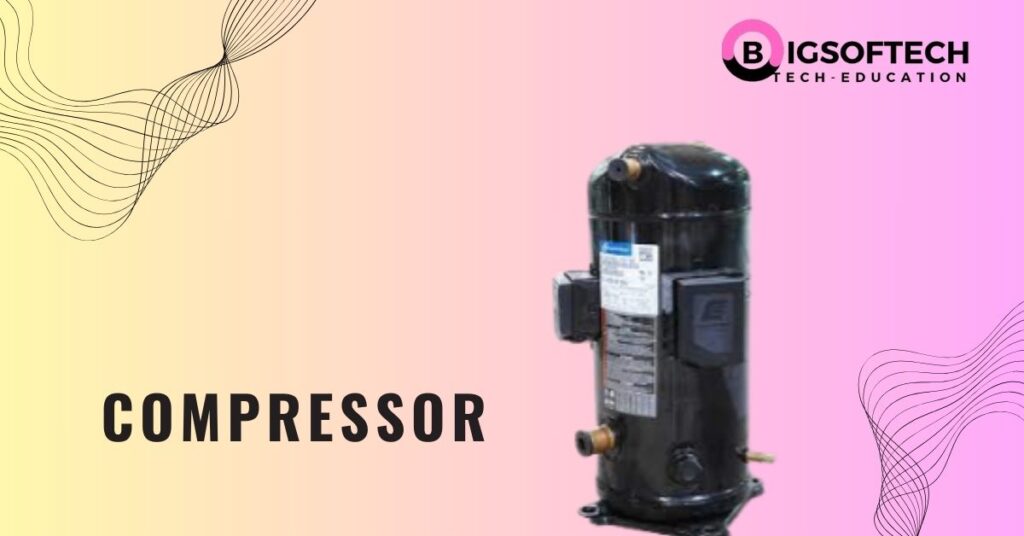
For homeowners looking to slash energy bills, businesses aiming for sustainable operations, or anyone diving into smart home tech, understanding your air conditioner's components is key. At the core of any cooling system sits the compressor, the unsung hero responsible for circulating refrigerant and enabling the entire cooling process. This article breaks down what a compressor is, how it works, its different types, and how optimizing it can lead to significant energy savings.
The Compressor's Crucial Role in the Cooling Cycle
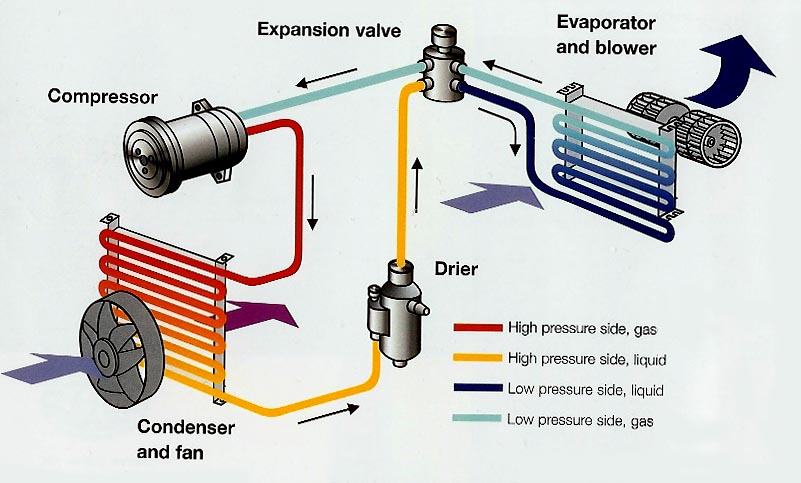
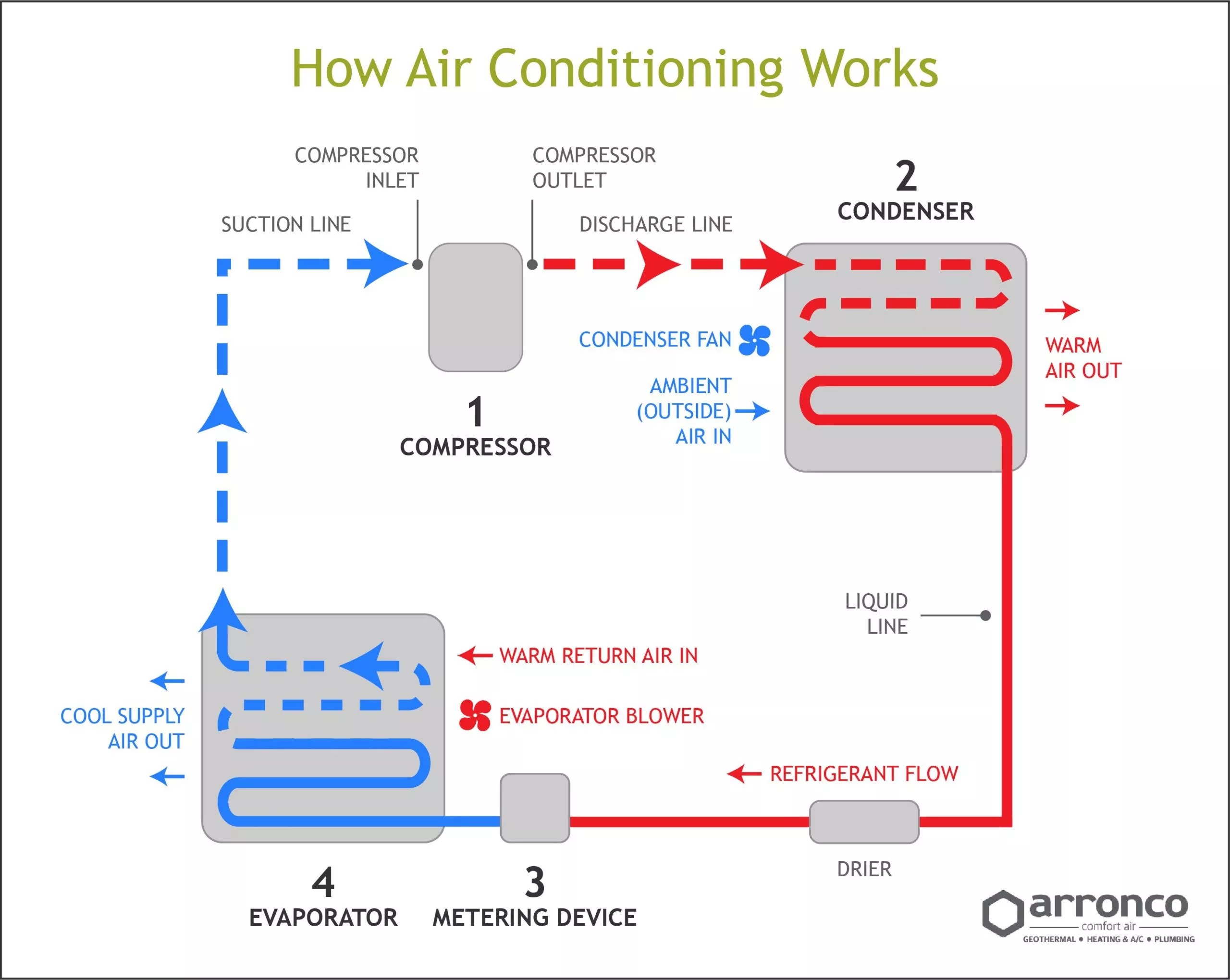
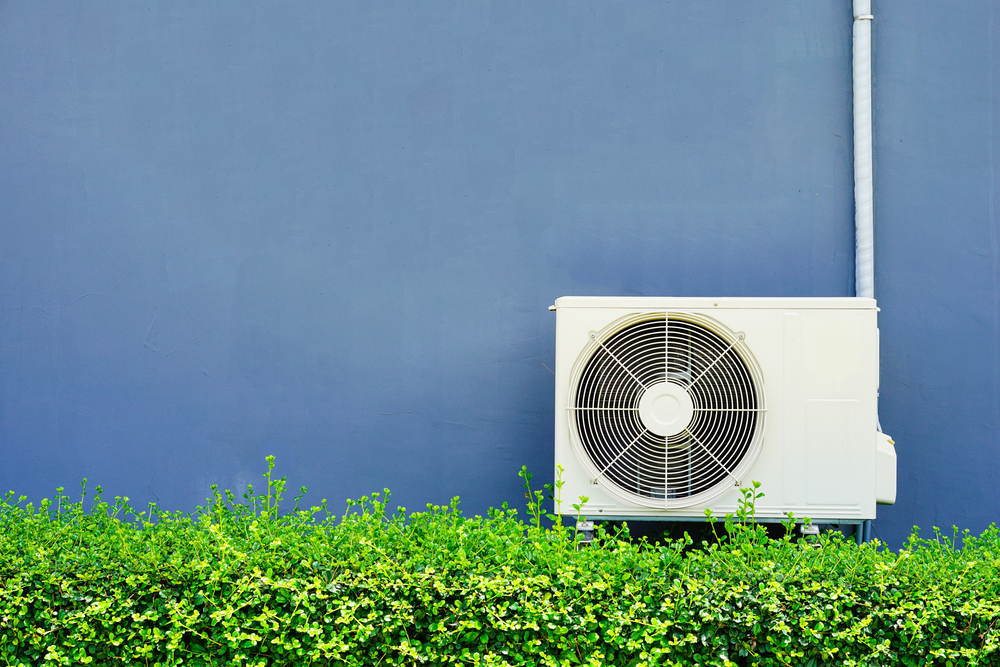
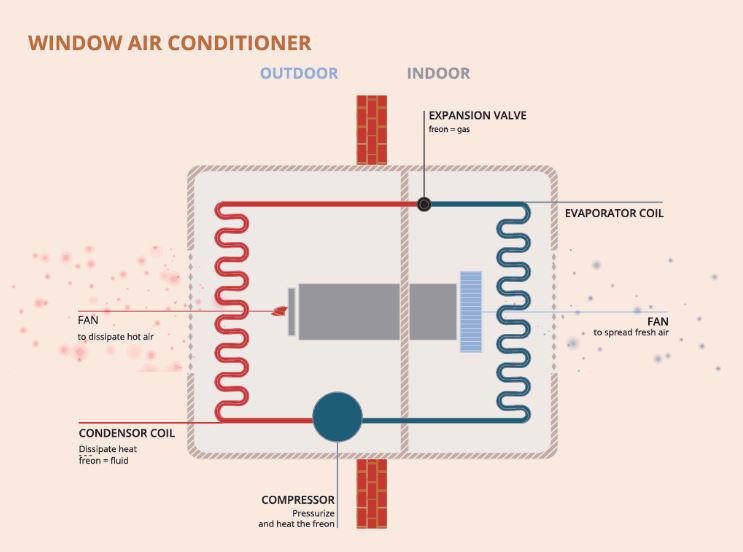
Think of your AC system as having two sides: an indoor evaporator coil and an outdoor condenser coil. The compressor's job is to bridge these two worlds. It acts as a pump, increasing the pressure and temperature of the refrigerant vapor. This high-pressure, hot refrigerant then flows to the condenser, where it releases heat and turns into a high-pressure liquid. The liquid refrigerant then flows to the evaporator, where it absorbs heat from your indoor air, turning back into a low-pressure vapor. This cycle continues, constantly removing heat from your home or business.
In essence, the compressor is the engine driving this entire refrigeration cycle. Without a functioning compressor, your air conditioner simply won't cool.
Types of Air Conditioner Compressors: Which is Right for You?
Different types of compressors offer varying levels of efficiency, noise, and cost. Knowing the differences will empower you to make informed decisions when upgrading or replacing your AC system.
Reciprocating Compressors: The Traditional Workhorse
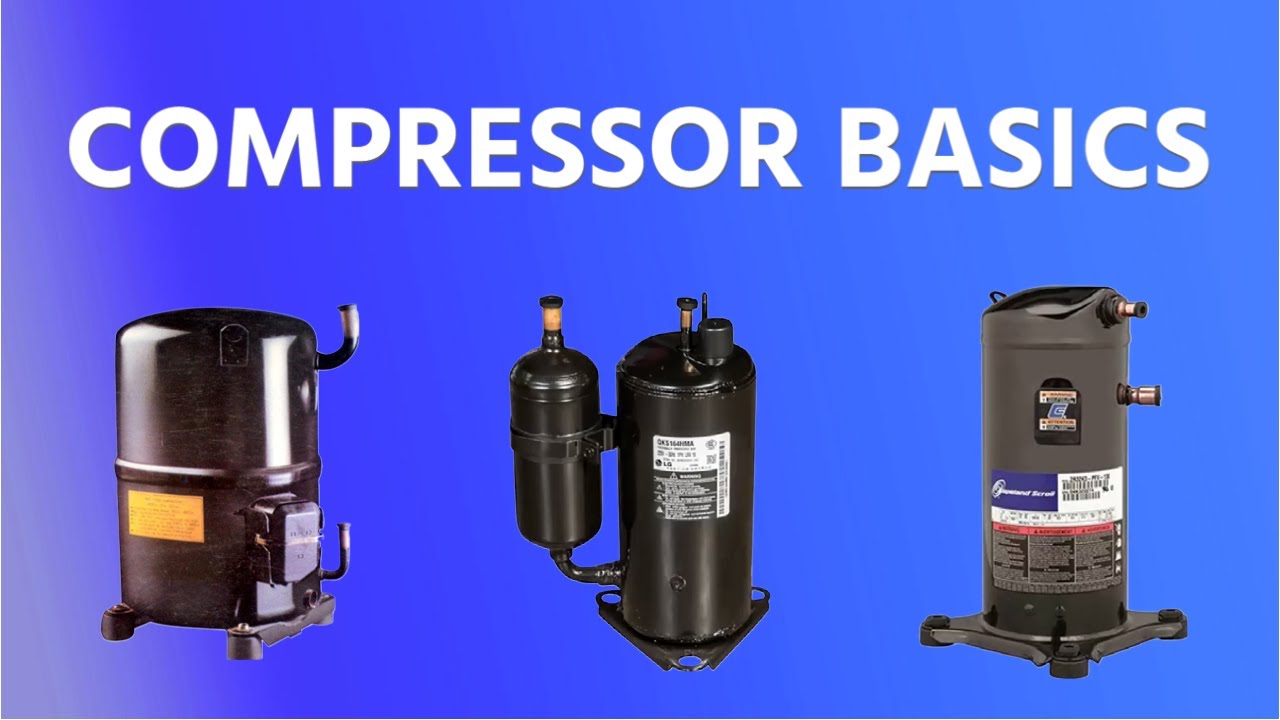
Reciprocating compressors are among the oldest and most common types. They use a piston and cylinder mechanism, similar to a car engine, to compress the refrigerant. While relatively inexpensive and robust, they tend to be less energy-efficient and noisier than other options. They are often found in older or smaller AC units.
Rotary Compressors: Compact and Efficient
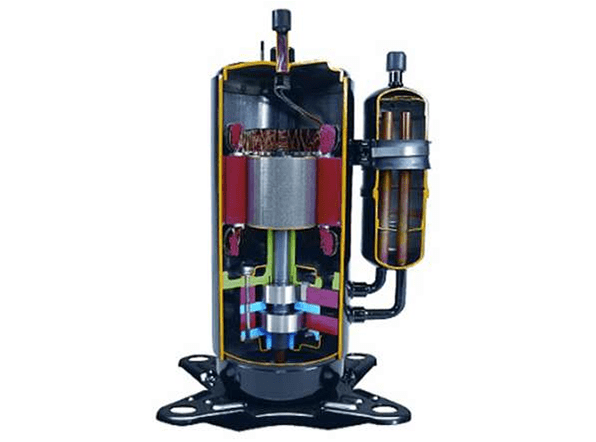
Rotary compressors use a rotating mechanism, typically a scroll or vane, to compress the refrigerant. They are generally more compact, quieter, and more efficient than reciprocating compressors. They are a good balance between cost and performance and are frequently used in mid-range AC systems.
Scroll Compressors: A Step Up in Efficiency
Scroll compressors use two interleaving scrolls, one fixed and one orbiting, to compress the refrigerant. This design offers smoother operation, higher efficiency, and lower noise levels compared to reciprocating and rotary compressors. Scroll compressors are becoming increasingly popular in modern AC systems, especially those designed for energy efficiency.
Inverter Compressors: The Pinnacle of Efficiency and Control
Inverter compressors, also known as variable-speed compressors, are the most advanced type. Unlike the other compressors that operate at a fixed speed (on or off), inverter compressors can adjust their speed based on the cooling demand. This allows for precise temperature control, reduced energy consumption, and quieter operation. While they come with a higher upfront cost, the long-term energy savings can be substantial. Many high-efficiency, Energy Star-rated AC systems utilize inverter compressors.
Think of it like cruise control in your car. Instead of constantly accelerating and braking (like a fixed-speed compressor turning on and off), an inverter compressor adjusts its output to maintain a consistent temperature, using only the energy needed.
Boosting Efficiency: How to Optimize Your Compressor's Performance
Regardless of the type of compressor you have, several factors can impact its efficiency and lifespan. Implementing these strategies can lead to noticeable savings on your energy bills.
Regular Maintenance: Keep it Clean and Healthy
Dirty air filters restrict airflow, forcing the compressor to work harder and consume more energy. Clean or replace your air filters regularly, ideally every one to three months. Schedule annual professional maintenance to clean coils, check refrigerant levels, and ensure all components are functioning optimally. A well-maintained system operates more efficiently and has a longer lifespan, delaying costly replacements.
Refrigerant Levels: A Critical Factor
Low refrigerant levels can severely impact your compressor's performance and even lead to damage. Leaks are a common culprit. A qualified HVAC technician can detect and repair leaks and recharge the refrigerant to the correct level. EPA regulations require technicians to properly handle refrigerants to prevent environmental damage.
Proper Insulation: Sealing the Deal for Efficiency
Ensure your home or business is properly insulated to minimize heat gain and loss. This reduces the workload on your AC system, allowing the compressor to operate more efficiently. Seal any air leaks around windows, doors, and ductwork. Consider upgrading insulation in your attic and walls to meet recommended R-values for your climate.
Smart Thermostat Integration: Intelligent Control
Integrating a smart thermostat allows you to precisely control your AC system's operation and optimize energy usage. You can set schedules, adjust temperatures remotely, and even receive alerts if your system is operating inefficiently. Some smart thermostats learn your preferences and automatically adjust settings to maximize comfort and savings. Many also provide energy usage reports, allowing you to track your progress and identify areas for improvement. Look for thermostats that are Energy Star certified for guaranteed energy savings.
For example, a smart thermostat can automatically raise the temperature a few degrees when you're away from home, reducing the compressor's workload and saving energy. You can then program it to cool down the house before you arrive, ensuring a comfortable environment without wasting energy.
Replacing Your Compressor: When is it Time for a New One?
While proper maintenance can extend the life of your compressor, it will eventually need replacement. Some signs indicate that your compressor is failing:
- Unusual noises (e.g., grinding, squealing)
- Reduced cooling capacity
- Increased energy bills
- Frequent cycling (turning on and off rapidly)
- Visible refrigerant leaks
If you experience any of these symptoms, consult a qualified HVAC technician for diagnosis and repair. In some cases, a simple repair may be sufficient. However, if the compressor is severely damaged or nearing the end of its lifespan, replacement may be the most cost-effective solution.
Choosing a New Compressor: Efficiency and Technology
When replacing your compressor, consider upgrading to a more energy-efficient model. Inverter compressors offer the highest efficiency and precise temperature control. Look for units with a high SEER (Seasonal Energy Efficiency Ratio) rating. The higher the SEER rating, the more efficient the unit. Energy Star certified models meet strict energy efficiency guidelines and can qualify for rebates and incentives.
Also, consider the size of your space and cooling needs. An oversized compressor can cycle on and off frequently, wasting energy and reducing its lifespan. A properly sized compressor will operate more efficiently and provide consistent cooling.
Financial Incentives and Rebates: Making Efficiency Affordable
Many government agencies, utilities, and manufacturers offer rebates and incentives for upgrading to energy-efficient HVAC systems. These programs can significantly reduce the upfront cost of a new compressor or AC unit. Check with your local utility company and state energy office for available programs. The Database of State Incentives for Renewables & Efficiency (DSIRE) is a comprehensive resource for finding rebates and incentives in your area.
Federal Tax Credits: A Boost for Energy Efficiency
The federal government also offers tax credits for qualified energy-efficient home improvements, including HVAC upgrades. These credits can help offset the cost of a new compressor or AC system. Consult with a tax professional to determine your eligibility.
By taking advantage of these financial incentives, you can make energy-efficient upgrades more affordable and accelerate your return on investment.
The ROI of an Efficient Compressor: Long-Term Savings and Sustainability
Investing in an energy-efficient compressor offers a compelling return on investment. While the upfront cost may be higher, the long-term energy savings can be substantial. A high-efficiency compressor can significantly reduce your monthly energy bills, offsetting the initial investment over time.
Furthermore, reducing your energy consumption contributes to a more sustainable environment. By using less energy, you decrease your carbon footprint and help conserve natural resources. Energy-efficient HVAC systems are not only good for your wallet but also for the planet.
By understanding the role of the compressor, its different types, and how to optimize its performance, you can make informed decisions that will save you money, improve your comfort, and contribute to a more sustainable future. Consult with a qualified HVAC contractor to assess your specific needs and recommend the best compressor solution for your home or business.