What Is Dip Tube In Water Heater

Have you ever wondered how your water heater efficiently delivers hot water throughout your home? A crucial component in this process is the dip tube. While it might seem like a small and simple part, the dip tube plays a vital role in ensuring your water heater functions optimally. This guide will explain what a dip tube is, how it works, the problems it can face, and what to do if you suspect an issue.
What is a Dip Tube?
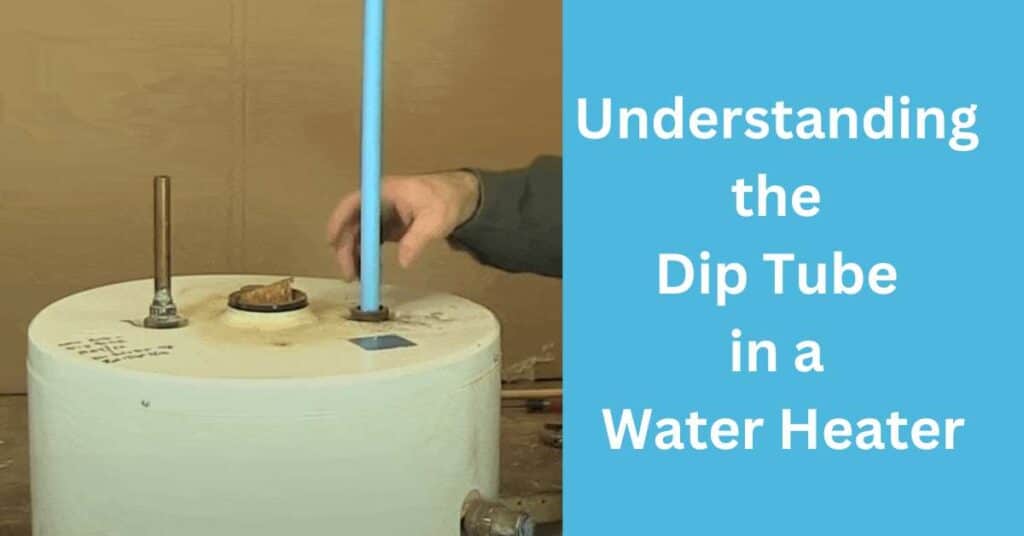
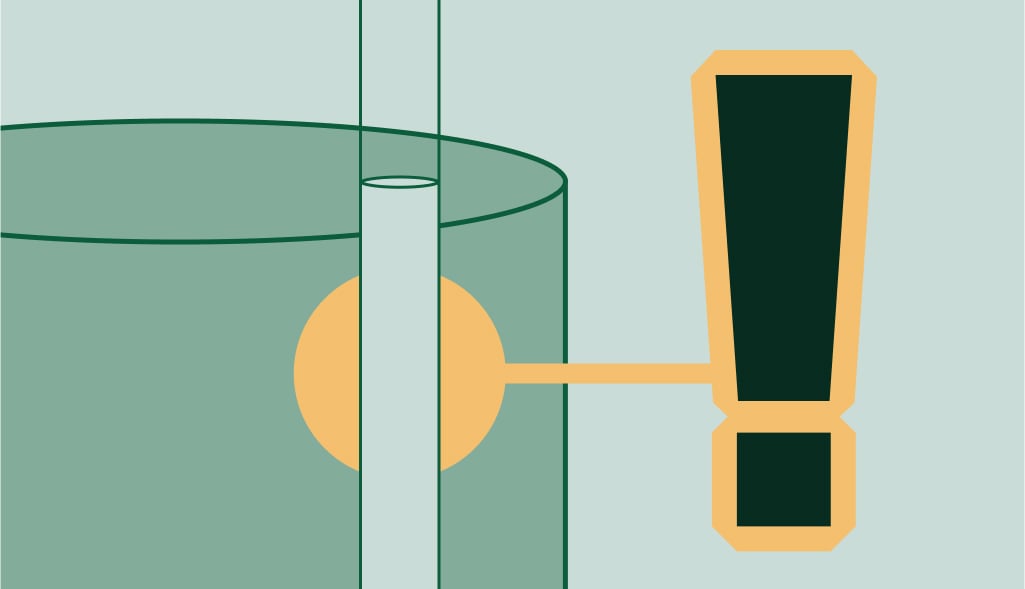
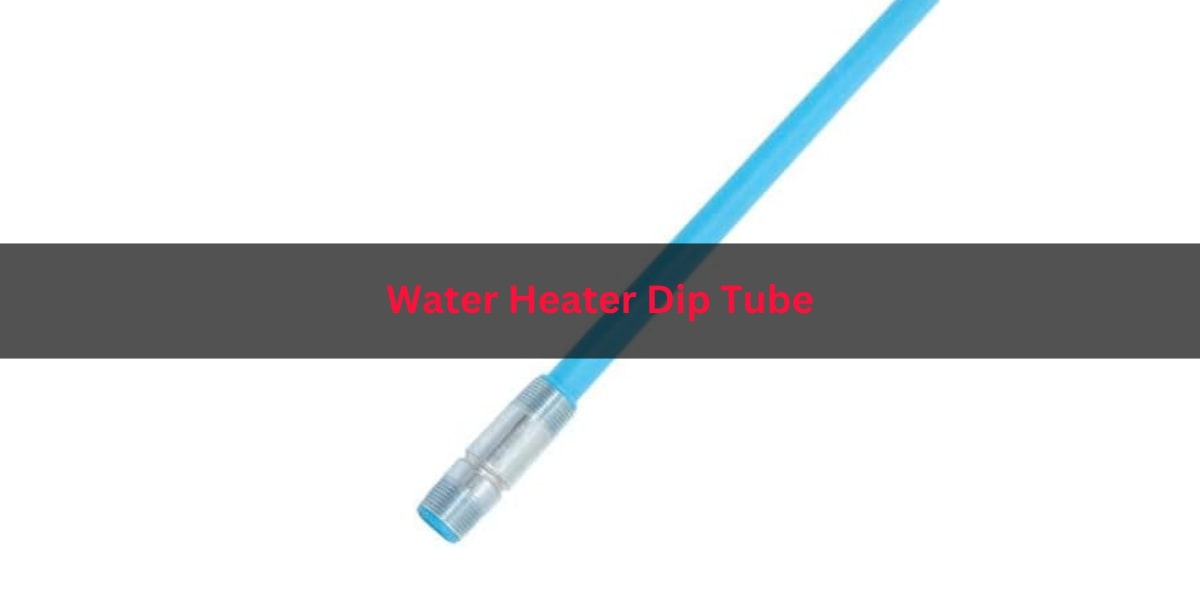
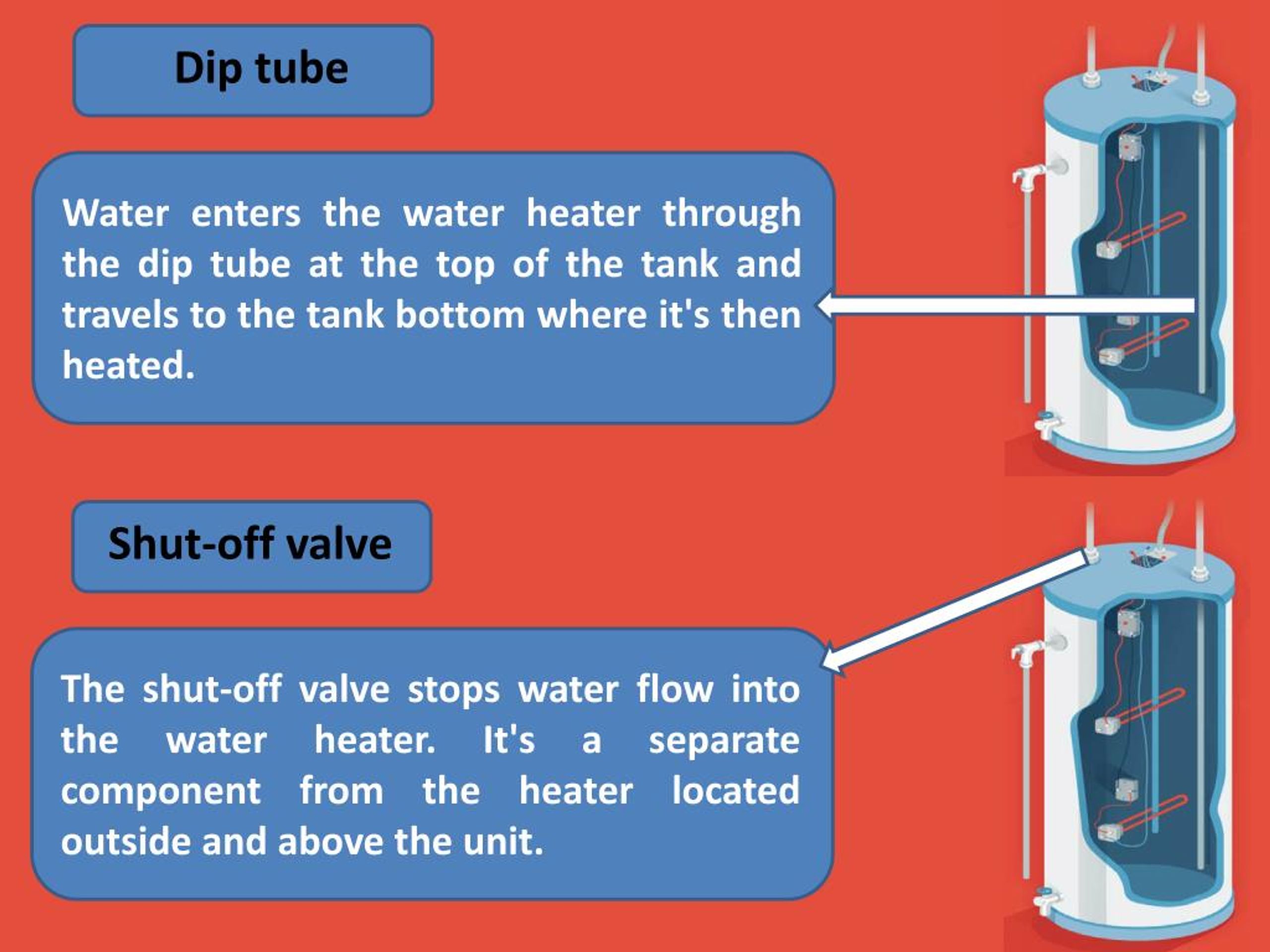
The dip tube is a long, slender pipe made of plastic (typically polypropylene or a similar material) that extends from the top of your water heater tank down to near the bottom. Think of it like a drinking straw inside your water heater. Its primary function is to direct incoming cold water to the bottom of the tank, preventing it from immediately mixing with the already heated water at the top.
Why is a Dip Tube Important?
Without a dip tube, the incoming cold water would mix with the hot water near the top of the tank. This would cause the overall temperature of the water in the tank to drop quickly, resulting in:
- Reduced hot water capacity: You would run out of hot water much faster.
- Fluctuating water temperatures: You'd experience inconsistent hot water temperatures while showering or washing dishes.
- Increased energy consumption: The water heater would have to work harder and more frequently to maintain the desired temperature, leading to higher energy bills.
How Does a Dip Tube Work?
The dip tube works based on the principle of thermal stratification. This refers to the natural layering of water based on temperature. Hotter water is less dense and rises to the top, while colder water is denser and sinks to the bottom.
Here's a step-by-step explanation of the dip tube's operation:
- Cold Water Enters: When you turn on a hot water tap in your home, cold water enters the water heater tank through the inlet pipe at the top.
- Dip Tube Directs Flow: Instead of spraying directly into the hot water at the top, the cold water is forced to flow down through the dip tube.
- Water Enters the Bottom: The cold water exits the dip tube near the bottom of the tank.
- Stratification Maintained: Because cold water is denser, it stays at the bottom of the tank. This allows the heating element (electric water heaters) or burner (gas water heaters) to efficiently heat the cold water without significantly affecting the temperature of the already heated water at the top.
- Hot Water Drawn From Top: The hot water, which is now at the top of the tank, is drawn out through the outlet pipe when you open a hot water tap. This ensures you receive the hottest water possible.
In essence, the dip tube helps maintain a distinct separation between the hot and cold water within the tank, optimizing the water heater's efficiency and ensuring a consistent supply of hot water.
Common Dip Tube Problems
While dip tubes are generally durable, they can experience problems over time, impacting the performance of your water heater. Here are some common issues:
Deterioration and Cracking
Older dip tubes, especially those made from less durable materials, can deteriorate and crack over time. This is often due to the constant exposure to hot water and the chemicals present in the water supply. If the dip tube cracks, it can no longer effectively direct the cold water to the bottom of the tank, leading to the problems mentioned earlier (reduced hot water capacity, temperature fluctuations, and increased energy consumption).
Sediment Buildup
Over time, sediment (mineral deposits, rust, and other debris) can accumulate in the water heater tank. This sediment can clog the dip tube, restricting the flow of cold water and reducing the water heater's efficiency. Severe sediment buildup can even completely block the dip tube.
Disintegration
In some cases, particularly with older dip tubes made from certain types of plastic, the dip tube can actually disintegrate. This can happen due to a chemical reaction between the plastic and the water, especially in areas with highly treated or acidic water. If the dip tube disintegrates, small pieces of plastic can end up in your hot water supply, which is obviously undesirable.
Manufacturing Defects
Although less common, manufacturing defects can also cause dip tube problems. A poorly manufactured dip tube might be too short, have cracks or imperfections, or be made from substandard materials, leading to premature failure.
Signs of a Faulty Dip Tube
How can you tell if your dip tube is failing? Here are some common signs to look for:
- Reduced hot water capacity: This is one of the most noticeable symptoms. If you find that you're running out of hot water much faster than usual, especially during peak usage times, a faulty dip tube could be the culprit.
- Inconsistent water temperatures: If your hot water temperature fluctuates unexpectedly, going from hot to lukewarm or cold, this could indicate that the cold water is mixing with the hot water due to a damaged dip tube.
- Cloudy or discolored water: If you notice that your hot water appears cloudy, murky, or discolored (especially after not using the hot water for a while), it could be due to sediment or pieces of a deteriorating dip tube being stirred up in the tank.
- Plastic particles in your water: This is a clear indication that the dip tube is disintegrating. You might notice small plastic particles in your bathtub, sink, or even your dishwasher.
- Unusual noises from the water heater: A damaged dip tube can sometimes cause unusual noises, such as banging, rattling, or whistling, as the water flows through the damaged tube or encounters obstructions.
What to Do If You Suspect a Problem
If you suspect that your dip tube is faulty, it's important to take action to diagnose and address the problem. Here's a step-by-step approach:
- Check the age of your water heater: If your water heater is more than 10 years old, it's more likely that the dip tube (and other components) might be deteriorating.
- Flush the water heater: Flushing the water heater can help remove sediment buildup and improve its performance. Follow the manufacturer's instructions for flushing your specific water heater model. If you flush the water heater and notice a large amount of sediment or plastic particles, this is a strong indication of a dip tube problem.
- Inspect the dip tube (if possible): In some cases, you might be able to inspect the dip tube by removing the cold water inlet pipe at the top of the water heater. However, this should only be done if you are comfortable working with plumbing and electricity (or gas, depending on the type of water heater). Always turn off the power or gas and water supply to the water heater before attempting any repairs or inspections.
- Consult a qualified plumber: If you're not comfortable performing these tasks yourself, or if you're unsure about the source of the problem, it's best to consult a qualified plumber. A plumber can properly diagnose the issue and recommend the appropriate solution.
Repair or Replace?
If the dip tube is found to be faulty, you have two main options: repair or replace. The best option depends on the severity of the problem, the age of the water heater, and your budget.
- Dip Tube Replacement: In some cases, it might be possible to simply replace the dip tube. This is typically a relatively inexpensive repair, especially compared to replacing the entire water heater. However, it's important to note that replacing the dip tube can be challenging, and it's often best left to a professional plumber.
- Water Heater Replacement: If your water heater is old (10+ years) or if it has other problems besides a faulty dip tube (such as a leaking tank or a corroded heating element), it might be more cost-effective to replace the entire water heater. Newer water heaters are often more energy-efficient and come with warranties, which can save you money in the long run.
Preventive Measures
While you can't completely prevent dip tube problems, there are some steps you can take to extend the life of your water heater and reduce the likelihood of issues:
- Flush your water heater regularly: Flushing the water heater at least once a year (or more frequently if you have hard water) can help remove sediment buildup and prevent clogging.
- Install a water softener: If you have hard water (water with high mineral content), consider installing a water softener. A water softener can reduce the amount of mineral buildup in your water heater and extend the life of the dip tube and other components.
- Consider a water filter: Installing a whole-house water filter can remove sediment, rust, and other debris from your water supply, which can help protect your water heater and plumbing system.
- Maintain proper water temperature: Setting the water heater temperature too high can accelerate the deterioration of the dip tube and other components. The recommended temperature is typically around 120°F (49°C).
Conclusion
The dip tube is a seemingly simple but essential component of your water heater. Understanding its function, potential problems, and preventative measures can help you maintain your water heater's efficiency and extend its lifespan. By being aware of the signs of a faulty dip tube and taking appropriate action, you can ensure a consistent and reliable supply of hot water for your home. When in doubt, always consult a qualified plumber for professional advice and assistance.