What Is Dry Bulb And Wet Bulb Temperature

Many homeowners struggle with feeling comfortable in their homes, even when the thermostat is set to what *should* be a comfortable temperature. You might find yourself thinking, "It's 72 degrees in here, but it feels so muggy!" This discomfort often boils down to issues related to humidity, and understanding the concepts of dry bulb and wet bulb temperature can be a powerful tool in diagnosing and addressing these problems.
Understanding Dry Bulb and Wet Bulb Temperature
Before we dive into troubleshooting, let's clarify what these terms mean. Think of them as two different ways of measuring temperature that, when considered together, tell you a lot more about the air than just the reading on your thermostat.
Dry Bulb Temperature
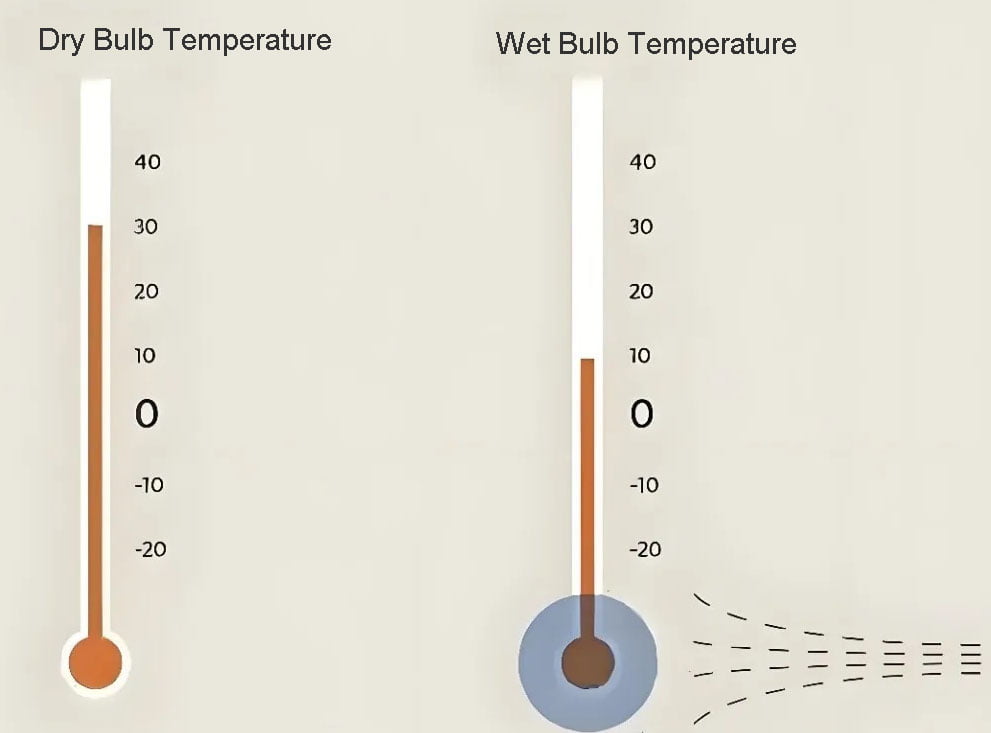
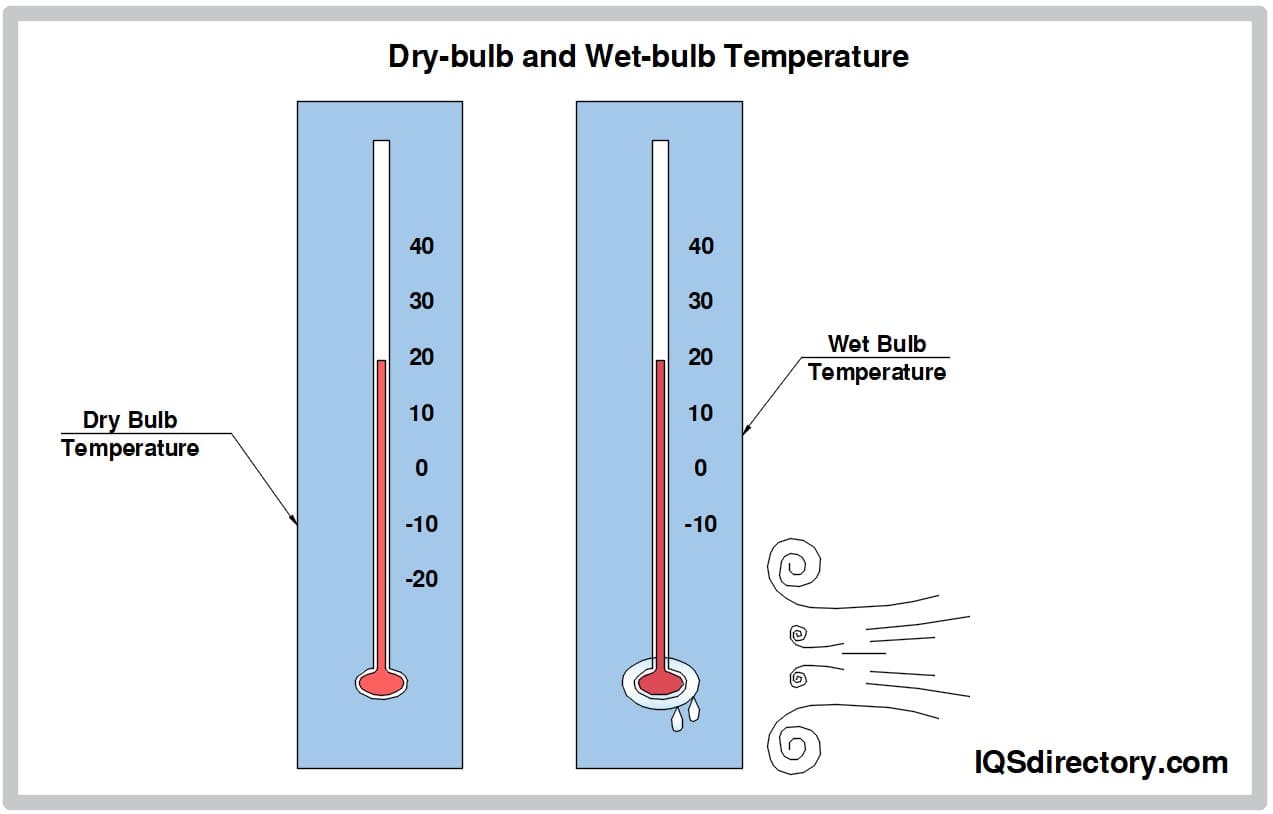
The dry bulb temperature is the temperature we're most familiar with. It's the reading you see on a standard thermometer – the temperature of the air measured with a dry sensor, not affected by humidity. When you say, "It's 80 degrees outside," you're usually referring to the dry bulb temperature.
Wet Bulb Temperature
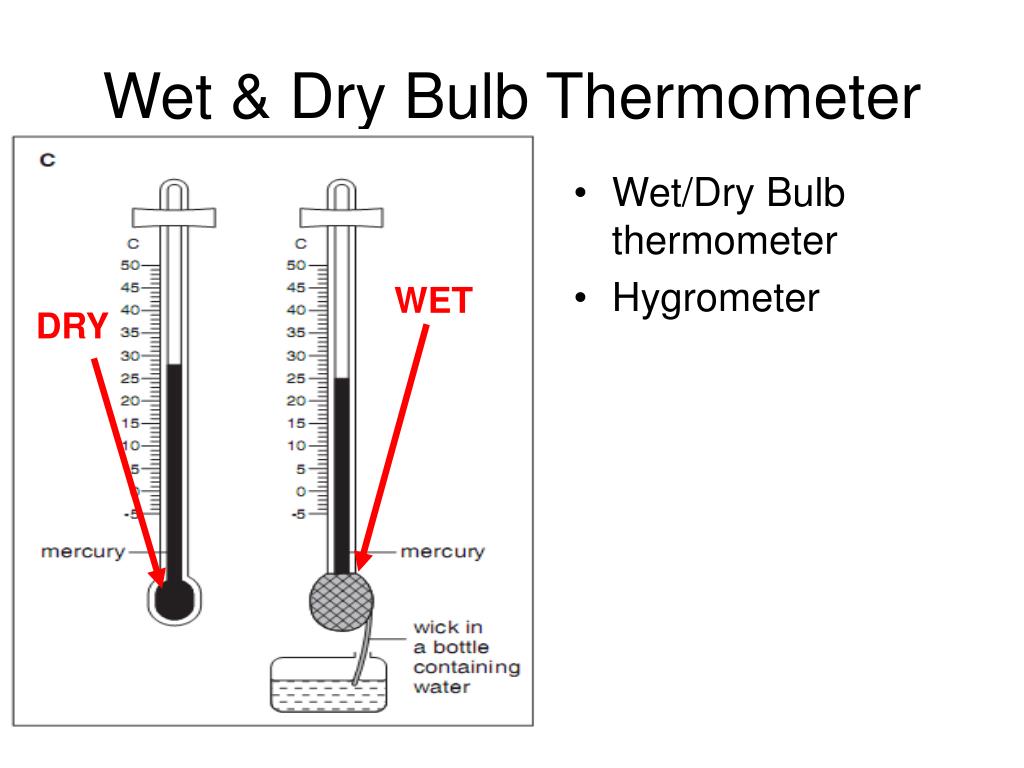
The wet bulb temperature is a bit more nuanced. Imagine wrapping a wet cloth around the bulb of a thermometer and then fanning it. As the water evaporates, it cools the thermometer. The wet bulb temperature is the temperature reading you get from this process. It reflects the temperature to which air can be cooled through the evaporation of water.
Why is this important? The difference between the dry bulb and wet bulb temperatures tells us about the humidity of the air. If the air is very dry, evaporation will occur rapidly, and the wet bulb temperature will be significantly lower than the dry bulb temperature. If the air is very humid, evaporation will be slow, and the wet bulb temperature will be closer to the dry bulb temperature. In fact, when the air is 100% saturated (relative humidity of 100%), the dry bulb and wet bulb temperatures are equal.
The Problem: Feeling Uncomfortably Humid
Let's get back to that uncomfortable feeling of mugginess. This sensation is often caused by high humidity. When the air is saturated with moisture, sweat doesn't evaporate as easily from your skin, hindering your body's natural cooling mechanism. This makes you feel hotter and stickier than the actual air temperature would suggest.
This problem can manifest in several ways:
- Feeling clammy or sticky, even at moderate temperatures.
- Condensation on windows or mirrors.
- Musty odors in certain areas of your home.
- Increased mold or mildew growth.
Step-by-Step Diagnosis: Measuring Dry and Wet Bulb Temperatures
Here's how to measure dry and wet bulb temperatures in your home to assess the humidity levels:
- Gather your supplies: You'll need two thermometers. Digital thermometers are fine, but old-fashioned mercury or alcohol thermometers work just as well. You'll also need a small piece of clean cloth (like a cotton ball or a small square of muslin), some water, and a fan.
- Measure Dry Bulb Temperature: Place one thermometer in the area you want to measure (e.g., your living room) and let it sit for about 5-10 minutes to acclimate. Note the temperature reading. This is your dry bulb temperature.
- Prepare the Wet Bulb Thermometer: Dampen the cloth with water. Wrap the wet cloth securely around the bulb of the second thermometer. Make sure the cloth is in good contact with the bulb.
- Measure Wet Bulb Temperature: Gently fan the wet bulb thermometer. You can use a small handheld fan or simply wave the thermometer back and forth. Continue fanning for about 2-3 minutes. Watch the temperature reading on the wet bulb thermometer; it should start to drop as the water evaporates. The lowest temperature reading it reaches and then stabilizes at is your wet bulb temperature.
- Record Your Readings: Carefully note both the dry bulb and wet bulb temperatures. Be precise!
- Repeat in Different Areas: Repeat the process in other rooms of your house, especially those where you suspect humidity might be a problem (e.g., bathrooms, basements).
Analyzing Your Readings: Using a Psychrometric Chart
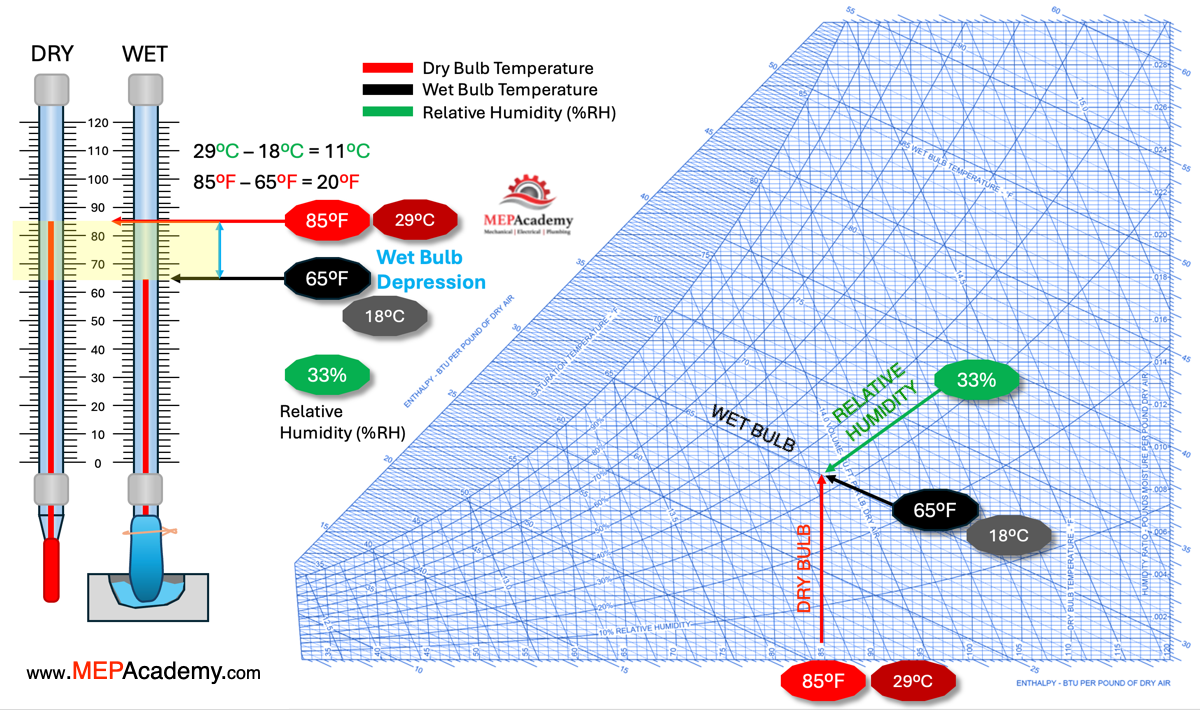
Now that you have your dry bulb and wet bulb temperatures, you need to interpret them to understand the relative humidity. The easiest way to do this is by using a psychrometric chart. A psychrometric chart is a graph that relates dry bulb temperature, wet bulb temperature, relative humidity, and other air properties.
Finding a Psychrometric Chart: You can easily find psychrometric charts online by searching for "psychrometric chart" on Google or your preferred search engine. Many HVAC websites and engineering resources offer downloadable charts.
Using the Chart:
- Locate your dry bulb temperature on the horizontal axis of the chart.
- Locate your wet bulb temperature on the curved axis on the left side of the chart.
- Follow the dry bulb temperature line vertically and the wet bulb temperature line diagonally until they intersect.
- The curved lines that pass through the intersection point represent lines of constant relative humidity. Estimate the relative humidity value based on which line is closest to your intersection point.
What's a good humidity level? Generally, a comfortable relative humidity level indoors is between 30% and 50%. Below 30% can be too dry, leading to dry skin and irritated sinuses. Above 50% can promote mold growth and make you feel uncomfortable.
Simple DIY Fixes for High Humidity
If your psychrometric chart analysis reveals that your home has high humidity (above 50%), here are some simple DIY fixes you can try:
Improve Ventilation
Bathroom Fans: Always use your bathroom fan when showering or bathing to vent moisture outside. Run it for at least 15-20 minutes after you finish showering. Ensure the fan is properly vented to the exterior of your home and not just into the attic!
Kitchen Fans: Use your kitchen exhaust fan when cooking, especially when boiling water or simmering sauces. This will help remove moisture and cooking odors from the air.
Open Windows (Strategically): On days with low humidity (check the weather forecast!), opening windows can help ventilate your home and reduce moisture buildup. Be mindful of pollen and allergens if you have sensitivities.
Address Water Leaks
Inspect Plumbing: Check under sinks, around toilets, and near water heaters for any signs of leaks. Even small, slow leaks can contribute significantly to indoor humidity. Repair any leaks promptly.
Check Your Roof and Gutters: Ensure your roof is in good condition and that your gutters are clean and functioning properly to prevent water from entering your home.
Basement Moisture: If you have a basement, inspect the walls and floor for signs of dampness or water intrusion. Consider sealing any cracks or gaps in the foundation.
Use a Dehumidifier
A dehumidifier is a device that removes moisture from the air. It can be a very effective solution for reducing humidity in specific rooms or areas of your home, especially in basements or bathrooms. Choose a dehumidifier with a capacity that is appropriate for the size of the room you want to dehumidify. Clean the dehumidifier regularly to prevent mold growth.
Air Conditioner Use
Your air conditioner not only cools the air but also removes moisture. Make sure your air conditioner is properly sized for your home and is functioning efficiently. Regularly clean or replace the air filter to ensure optimal performance.
When to Call a Professional
While the DIY fixes above can address many humidity issues, there are times when professional help is necessary. Call an HVAC technician or a building science expert if:
- You suspect a major plumbing leak: If you notice significant water damage or suspect a leak behind walls or under floors, a plumber is needed to locate and repair the leak.
- You have a persistent mold problem: Significant mold growth can be a health hazard. A mold remediation specialist can safely remove the mold and identify the source of the moisture problem.
- Your HVAC system is malfunctioning: If your air conditioner is not cooling properly or is constantly running, it may need to be repaired or replaced. An HVAC technician can diagnose the problem and recommend the best solution.
- You have significant water intrusion in your basement or crawl space: This could indicate a foundation problem that requires professional repair.
- You've tried the DIY fixes and humidity levels remain high: Sometimes, a more comprehensive assessment of your home's ventilation and insulation is needed to identify and address the root cause of the humidity problem. A building science expert can perform a thorough inspection and recommend solutions to improve your home's overall performance.
Don't hesitate to call a professional if you're unsure about the cause of the humidity problem or if you're uncomfortable performing any of the DIY fixes. Ignoring a humidity problem can lead to more serious issues, such as mold growth, structural damage, and health problems.
Preventative Measures
Once you've addressed any existing humidity problems, take steps to prevent them from recurring:
- Maintain Proper Ventilation: Continue to use bathroom and kitchen fans regularly, and open windows when weather permits.
- Regularly Inspect for Leaks: Check plumbing, roofs, and gutters for leaks on a regular basis.
- Control Indoor Plants: While plants can add beauty to your home, they also release moisture into the air. Avoid overwatering them, and consider placing them in well-ventilated areas.
- Properly Store Firewood: If you use firewood, store it outdoors and away from your home to prevent moisture from entering your house.
- Consider a Whole-House Dehumidifier: For homes with persistent humidity problems, a whole-house dehumidifier can provide consistent humidity control throughout the entire house. These systems are typically installed by HVAC professionals.
By understanding dry bulb and wet bulb temperatures and taking proactive steps to control humidity, you can create a more comfortable, healthy, and energy-efficient home. Remember to prioritize safety and don't hesitate to seek professional help when needed. Good luck!