What Is Evaporator In Air Conditioner
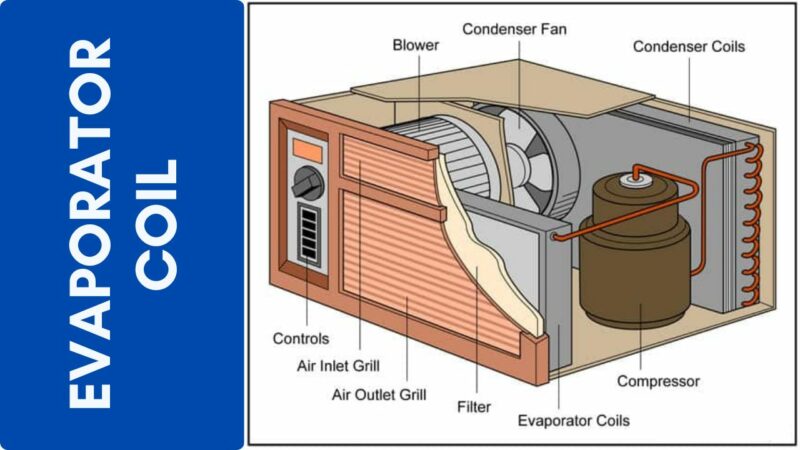
Air conditioning systems are complex machines, and understanding their individual components can empower you to maintain them effectively and troubleshoot common issues. One of the most critical components in your air conditioner is the evaporator coil. This article will provide a comprehensive, yet accessible, guide to understanding what an evaporator is, how it works, and why it's so vital to keeping your home cool.
What is an Evaporator Coil?
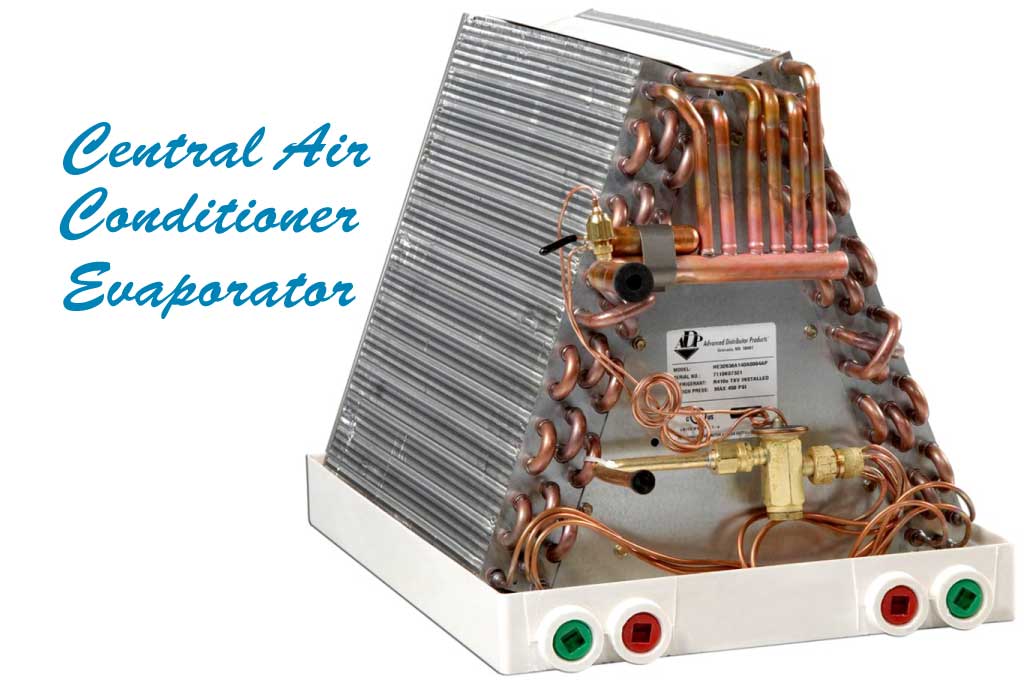
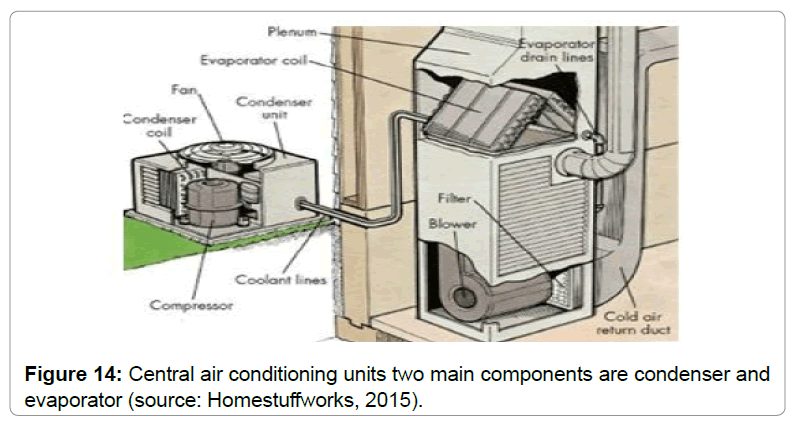
The evaporator coil is a key component of the indoor unit of your air conditioning system. Think of your AC system as having two main parts: an indoor unit and an outdoor unit. The evaporator is housed within the indoor unit, typically inside your furnace or air handler. Its primary function is to absorb heat from the air inside your home, effectively cooling it down.
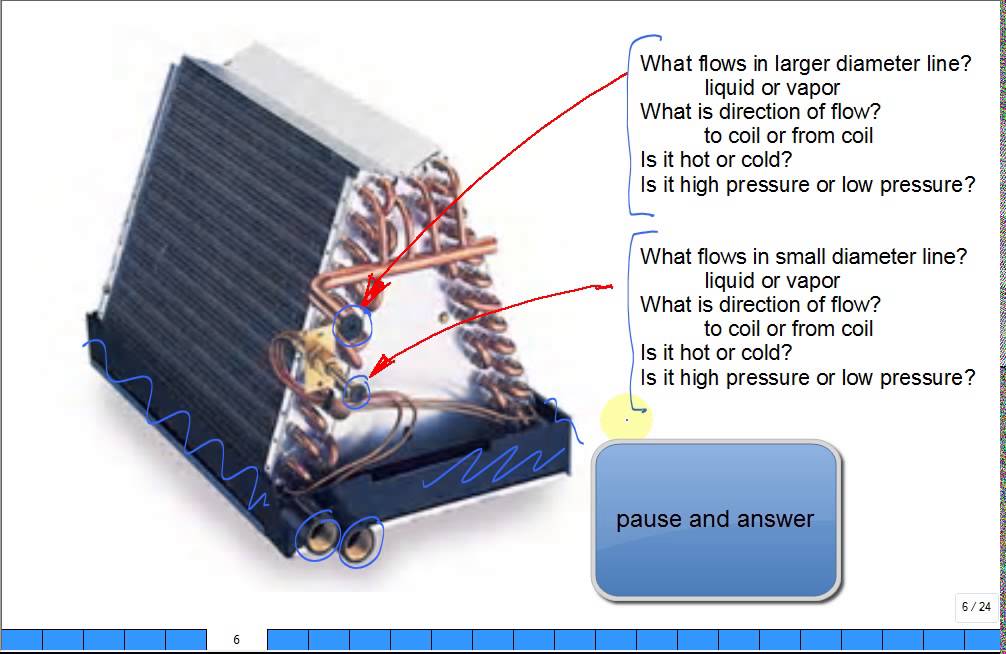
It’s a network of coiled tubes, usually made of copper or aluminum, through which a refrigerant flows. This refrigerant is a special fluid that easily changes between liquid and gaseous states, allowing it to efficiently transfer heat. The surface area of the coil is often increased by adding thin metal fins, similar to a car radiator, to improve heat exchange. The more surface area, the better the coil can absorb heat.
Refrigerant: The Key Player
To understand the evaporator, you must first understand the role of refrigerant. Think of refrigerant as the "blood" of your AC system, carrying heat from inside your home to the outside. It cycles continuously between the indoor and outdoor units, undergoing phase changes (liquid to gas and back again) in the process.
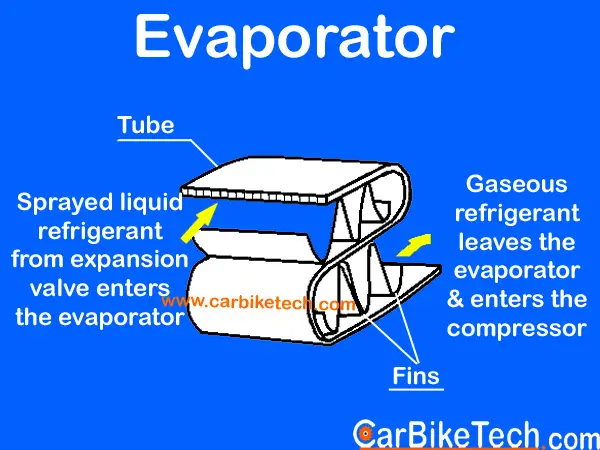
The refrigerant enters the evaporator coil as a low-pressure, low-temperature liquid. As warm air from your home is blown across the evaporator coil, the refrigerant absorbs that heat. This causes the refrigerant to boil and change from a liquid into a low-pressure gas. The now cooled air is then circulated back into your home, providing the comfort you desire.
How Does the Evaporator Coil Work?
The process happening within the evaporator coil is governed by the principles of thermodynamics, specifically the transfer of heat during a phase change.
- Warm Air Intake: The blower fan in your indoor unit draws warm air from your home and forces it across the evaporator coil.
- Heat Absorption: The cold refrigerant inside the coil absorbs the heat from the warm air. The refrigerant’s temperature is lower than the air passing over it, causing heat to naturally flow from the air to the refrigerant.
- Refrigerant Phase Change: As the refrigerant absorbs heat, it evaporates, transforming from a low-pressure liquid into a low-pressure gas. This phase change is crucial because it allows the refrigerant to absorb a significant amount of heat.
- Cooled Air Distribution: The air that has passed over the evaporator coil is now cooler and dryer. This cooled air is then circulated back into your home through the ductwork.
- Refrigerant to the Compressor: The low-pressure, gaseous refrigerant then travels back to the compressor in the outdoor unit. The compressor increases the pressure and temperature of the refrigerant.
The Evaporator Coil's Relationship to Other AC Components
The evaporator coil doesn't work in isolation. It's part of a carefully orchestrated system. Here's how it connects with other vital components:
- Compressor: Located in the outdoor unit, the compressor is the heart of the AC system. It pressurizes the gaseous refrigerant coming from the evaporator, increasing its temperature and preparing it to release heat in the condenser.
- Condenser Coil: Also located in the outdoor unit, the condenser coil releases the heat absorbed by the refrigerant from your home. As the high-pressure, high-temperature refrigerant flows through the condenser, it cools down and condenses back into a liquid.
- Expansion Valve (or Metering Device): This device controls the flow of refrigerant into the evaporator coil. It reduces the pressure of the liquid refrigerant, allowing it to evaporate easily inside the evaporator.
- Blower Fan: The blower fan, located in the indoor unit, is responsible for moving air across the evaporator coil and circulating the cooled air throughout your home.
Common Problems with Evaporator Coils
Like any mechanical component, evaporator coils can experience problems. Here are some of the most common issues:
- Dirty Coil: Dust, dirt, and debris can accumulate on the evaporator coil, insulating it and reducing its ability to absorb heat. This is one of the most common problems and can significantly reduce your AC system's efficiency. Regular cleaning is essential.
- Frozen Coil: A frozen evaporator coil can occur due to several factors, including restricted airflow, low refrigerant levels, or a malfunctioning blower fan. When the coil freezes, it cannot absorb heat efficiently, leading to reduced cooling performance and potential damage to the system.
- Refrigerant Leaks: Refrigerant leaks can occur due to corrosion or physical damage to the coil. Leaks reduce the system's cooling capacity and, depending on the type of refrigerant, can be harmful to the environment. Identifying and repairing leaks requires professional assistance.
- Corrosion: Over time, evaporator coils can corrode, especially in humid environments. Corrosion can reduce the coil's efficiency and eventually lead to leaks.
- Physical Damage: The coil can be physically damaged by impacts or improper handling, leading to leaks or reduced performance.
Recognizing Evaporator Coil Problems
Being able to recognize the signs of a failing evaporator coil can help you address problems early and prevent more serious damage. Here are some warning signs to watch out for:
- Reduced Cooling Performance: If your AC system is not cooling your home as effectively as it used to, a problem with the evaporator coil could be the culprit.
- Higher Energy Bills: A dirty or malfunctioning evaporator coil can force your AC system to work harder, leading to increased energy consumption and higher utility bills.
- Warm Air Blowing: If your AC system is blowing warm air instead of cold air, it could indicate a frozen coil, refrigerant leak, or other evaporator coil issue.
- Visible Ice on the Coil: If you can access your evaporator coil and see ice forming on it, it's a clear sign of a problem. Do not attempt to remove the ice yourself. Turn off the AC and call a qualified technician.
- Unusual Noises: Strange noises coming from your indoor unit, such as hissing or bubbling sounds, could indicate a refrigerant leak in the evaporator coil.
Maintaining Your Evaporator Coil
Proper maintenance is essential for ensuring the longevity and efficiency of your evaporator coil. Here are some key maintenance tips:
- Regularly Change Air Filters: Dirty air filters restrict airflow, which can lead to a frozen evaporator coil. Change your air filters every 1-3 months, or more frequently if you have pets or allergies.
- Professional Cleaning: Have your AC system professionally inspected and cleaned at least once a year. A technician can thoroughly clean the evaporator coil and identify any potential problems early on.
- Ensure Proper Airflow: Make sure that air vents are not blocked by furniture or other obstructions. Proper airflow is crucial for preventing the evaporator coil from freezing.
- Monitor for Leaks: Periodically check for signs of refrigerant leaks, such as oily residue around the connections to the indoor unit.
When to Call a Professional
While some maintenance tasks, like changing air filters, can be done yourself, many evaporator coil problems require professional attention. Call a qualified HVAC technician if you experience any of the following:
- Frozen Evaporator Coil: If your evaporator coil is frozen, it's important to have it diagnosed and repaired by a professional.
- Refrigerant Leaks: Refrigerant leaks require specialized equipment and knowledge to repair safely and effectively.
- Significant Reduction in Cooling Performance: If your AC system is not cooling your home properly, despite your best efforts at maintenance, it's time to call a professional.
- Unusual Noises: Unusual noises coming from your AC system could indicate a serious problem that requires professional diagnosis and repair.
Choosing a New Evaporator Coil
If your evaporator coil is beyond repair, you may need to replace it. When choosing a new evaporator coil, consider the following factors:
- Matching the System: Ensure that the new evaporator coil is compatible with your existing AC system. Your HVAC technician can help you select the correct coil size and type.
- Coil Material: Evaporator coils are typically made of copper or aluminum. Copper coils are generally more durable and resistant to corrosion, but they are also more expensive.
- Efficiency Rating: Look for a coil with a high efficiency rating to maximize energy savings.
- Warranty: Choose a coil with a good warranty to protect your investment.
Conclusion
The evaporator coil is a vital component of your air conditioning system, responsible for absorbing heat from your home and providing cool, comfortable air. Understanding how it works, recognizing common problems, and performing regular maintenance can help you keep your AC system running efficiently and extend its lifespan. When in doubt, always consult with a qualified HVAC technician for professional assistance. By taking proactive steps, you can ensure that your evaporator coil, and your entire AC system, operates optimally, keeping you comfortable all summer long.