What Is Fan Coil Unit In Hvac
Frequently Asked Questions About Fan Coil Units (FCUs) in HVAC
Fan coil units (FCUs) are a common component of heating, ventilation, and air conditioning (HVAC) systems, especially in multi-unit dwellings like apartments, condos, and hotels. They offer localized temperature control. Here are some frequently asked questions to help you understand them better:
Q1: What exactly is a fan coil unit?
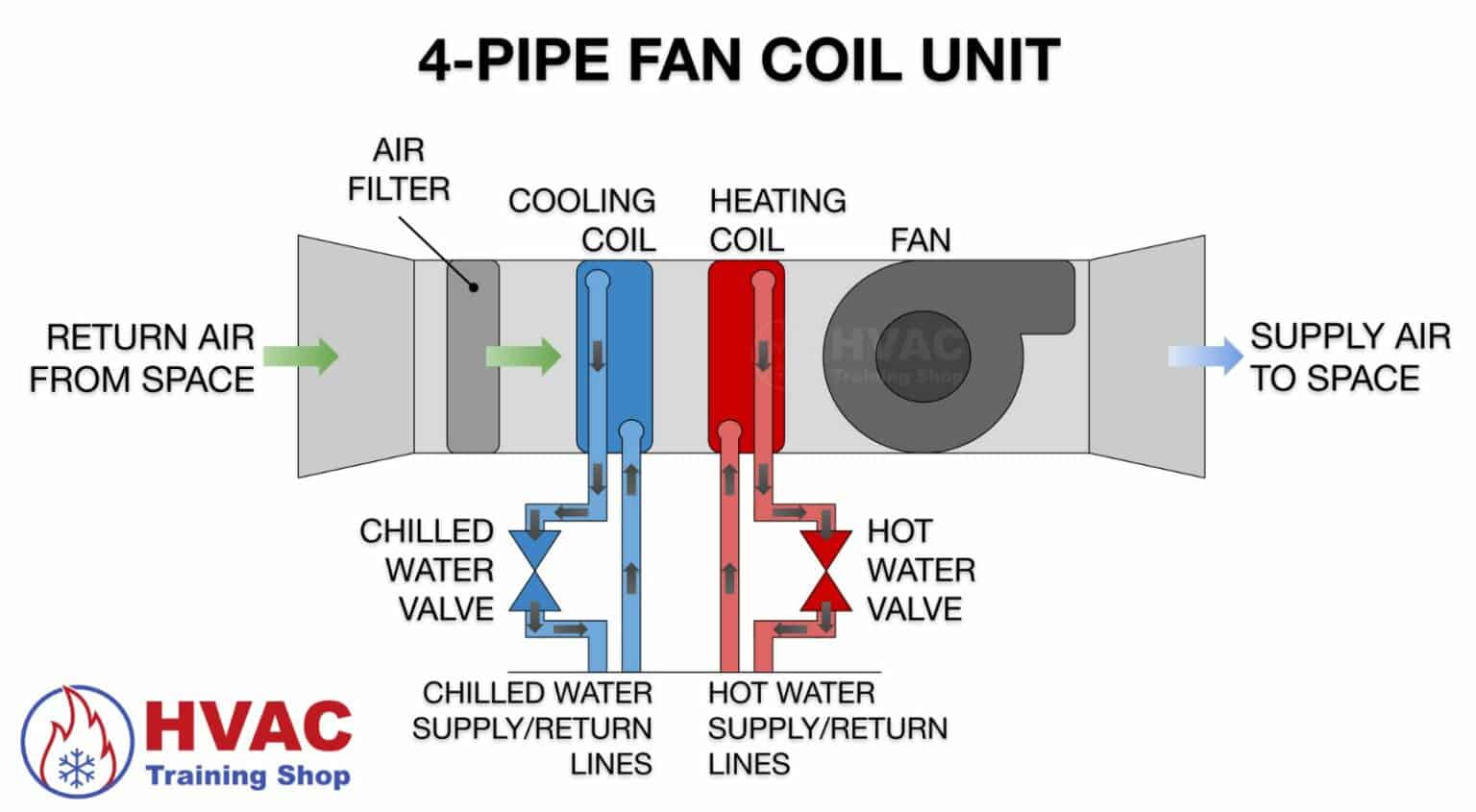
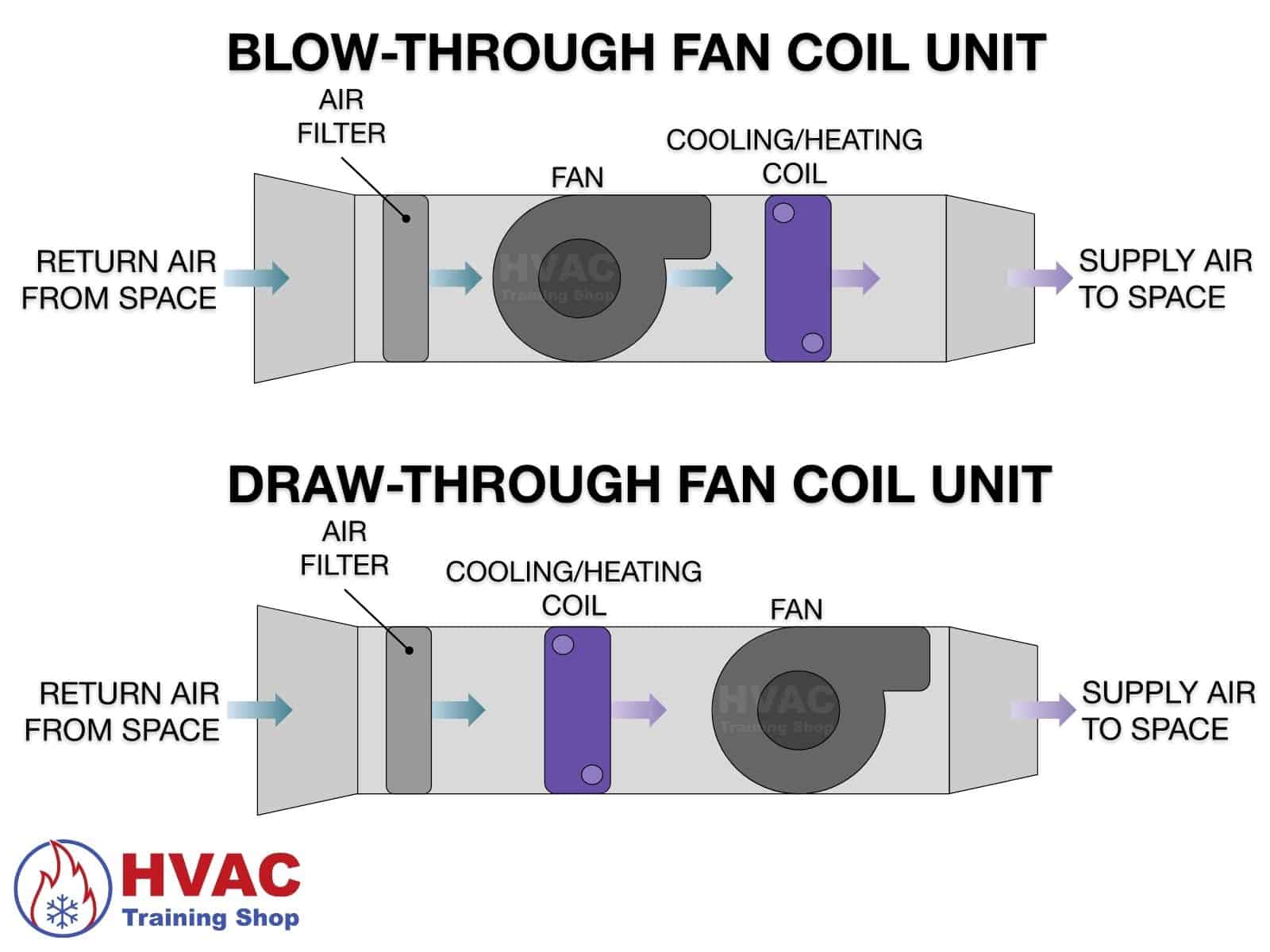
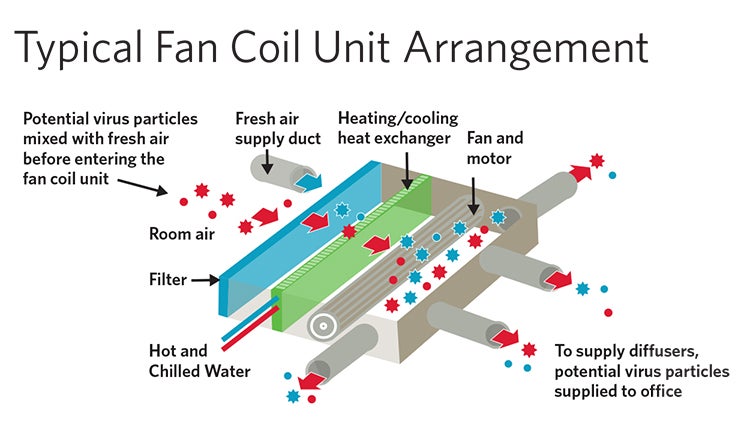
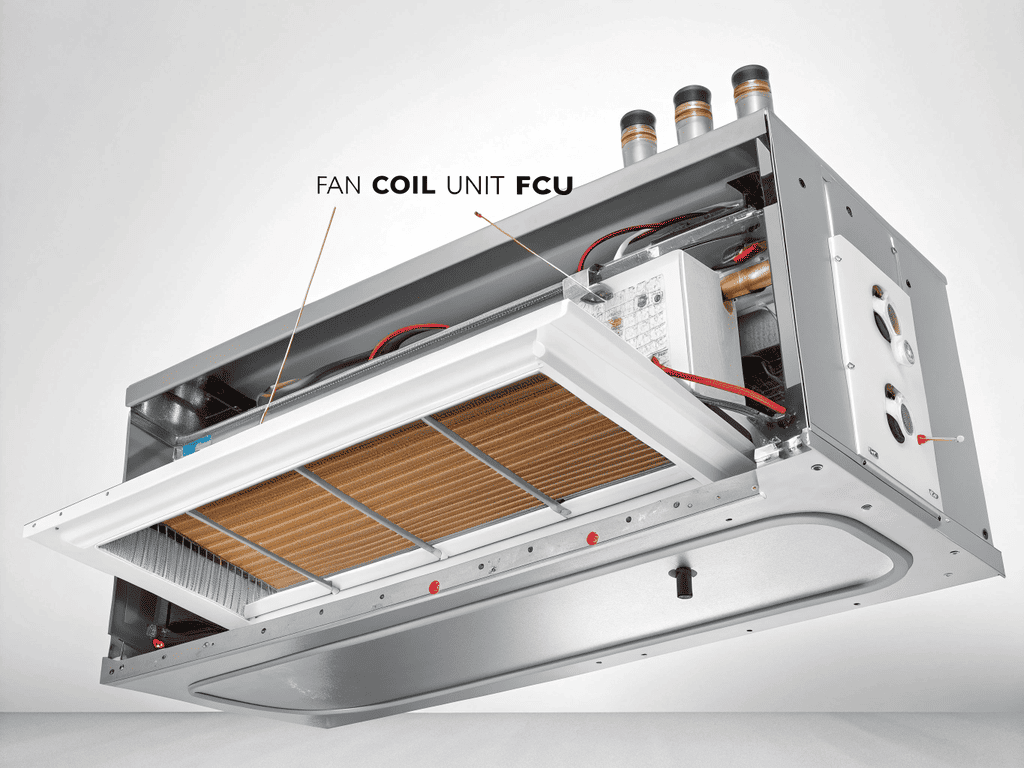
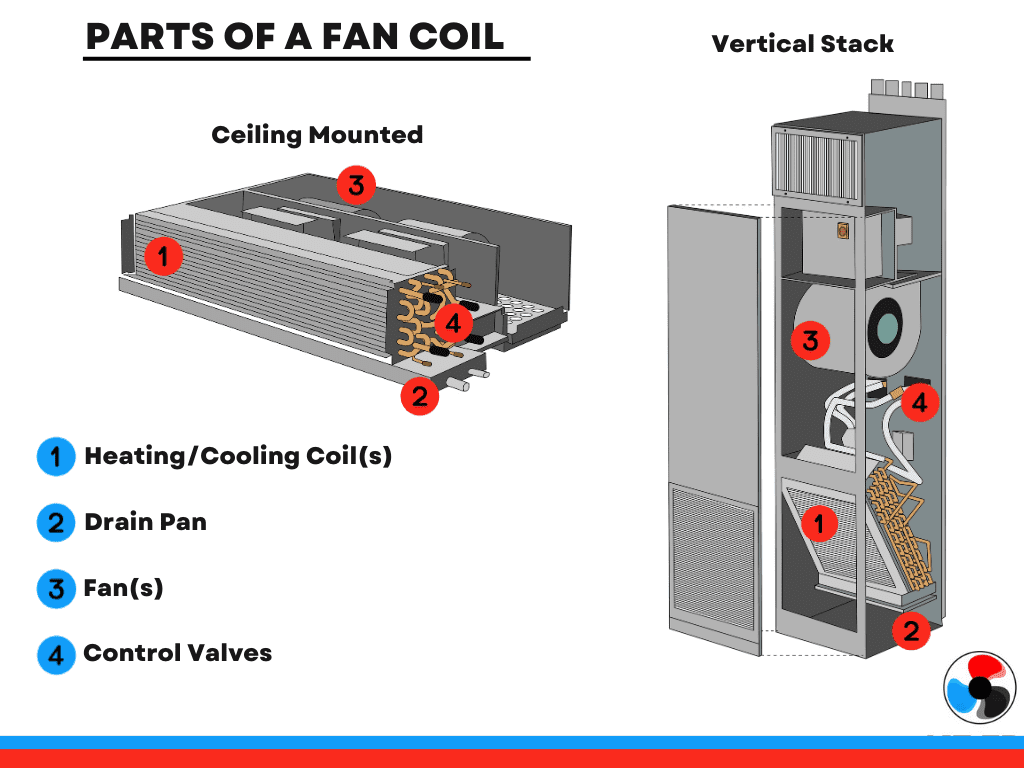
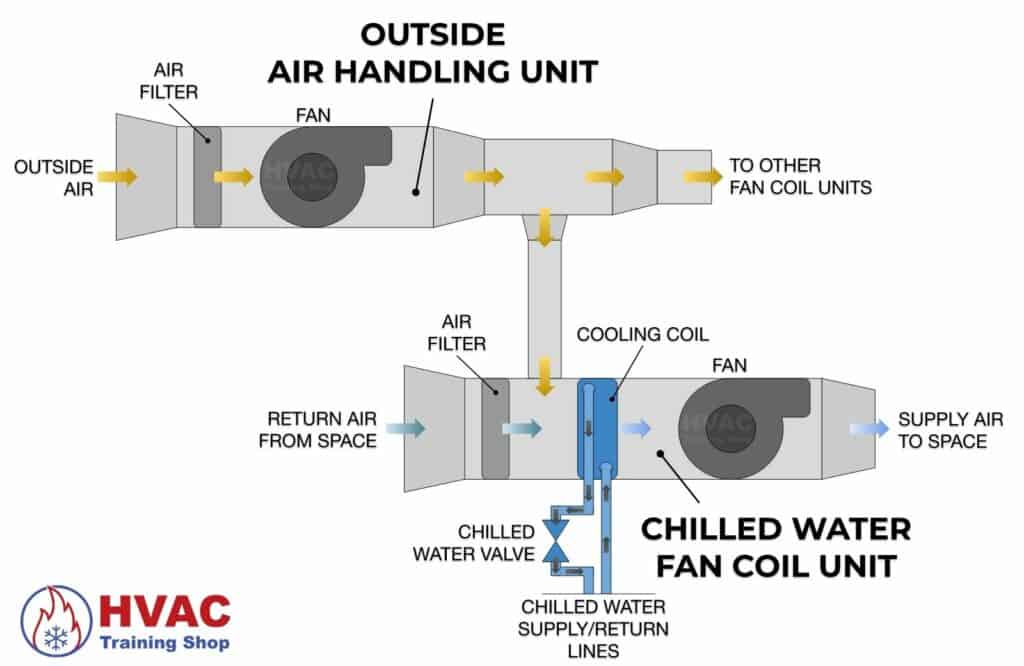
A fan coil unit (FCU) is a simple HVAC device used to heat or cool a room or space. It consists of a coil (a heat exchanger made of pipes carrying hot or cold water) and a fan that blows air across the coil. This process either heats or cools the air, which is then circulated into the room. Think of it like a small, self-contained air conditioner or heater. FCUs do not generate their own hot or cold water. They rely on a central plant or boiler/chiller system to supply that.
Q2: How does a fan coil unit work?
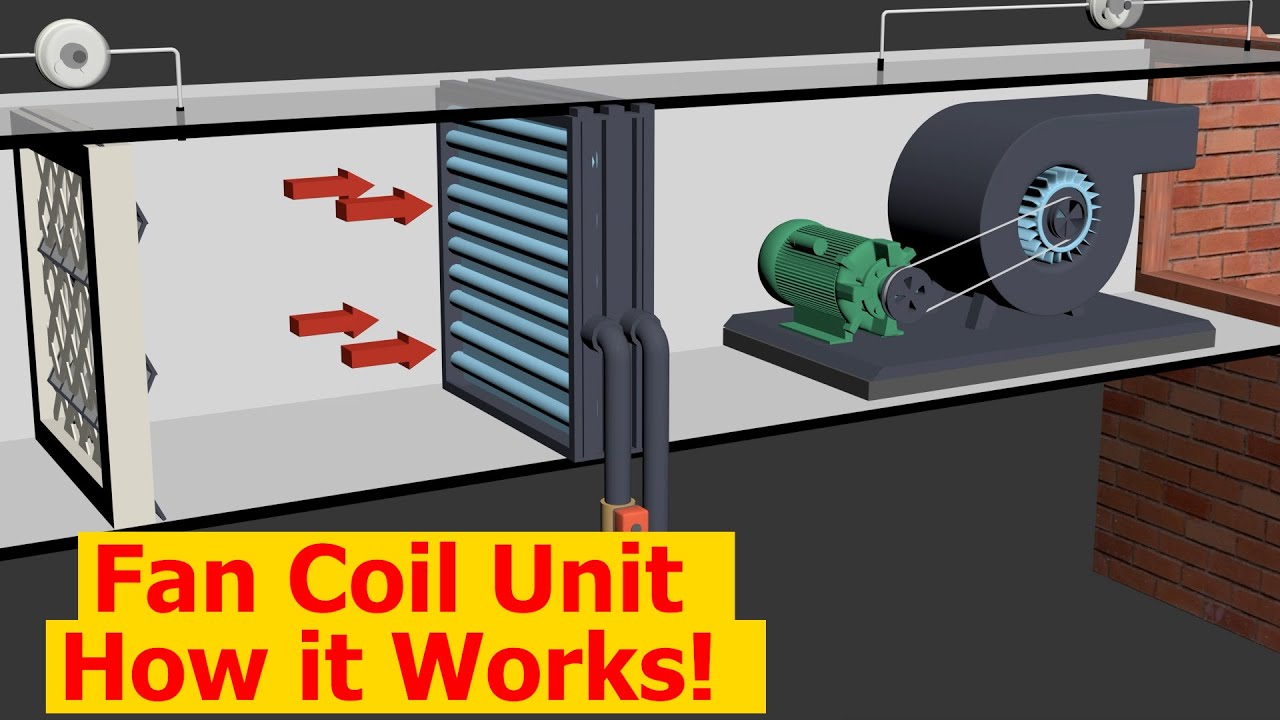
Here's a breakdown of how an FCU works:
- Water Supply: Hot or cold water from a central source (boiler or chiller) is piped to the FCU.
- Coil Interaction: The water flows through the coil within the FCU.
- Air Circulation: The fan draws air from the room or an external source across the coil.
- Heat Transfer:
- Cooling: If cold water is flowing through the coil, the air passing over it is cooled.
- Heating: If hot water is flowing through the coil, the air passing over it is heated.
- Air Distribution: The now heated or cooled air is blown back into the room, adjusting the room's temperature.
- Thermostat Control: A thermostat monitors the room temperature and controls the fan speed and/or the flow of water to the coil to maintain the desired temperature.
In essence, the FCU acts as a heat exchanger, transferring heat between the water and the air in the room.
Q3: What are the different types of fan coil units?
FCUs come in several variations to suit different installation requirements and aesthetic preferences. The main types are:
- Wall-Mounted FCUs: These are mounted directly on the wall, typically near the ceiling. They are a common and relatively unobtrusive option.
- Ceiling-Mounted FCUs: These are installed in the ceiling, either exposed or concealed within a suspended ceiling. Concealed units often use ductwork to distribute the air.
- Floor-Mounted FCUs: These are placed on the floor, often under a window. They can be either exposed or concealed behind a decorative panel.
- Cassette FCUs: These are typically square units designed to fit into a suspended ceiling grid. They distribute air in multiple directions.
- Chilled Beams: While technically not *exactly* FCUs, they operate on a similar principle. They are ceiling-mounted and use chilled water to cool the air via natural convection, often incorporating a small fan for enhanced performance (active chilled beams).
Furthermore, FCUs can be classified by the number of pipes connecting them to the water supply:
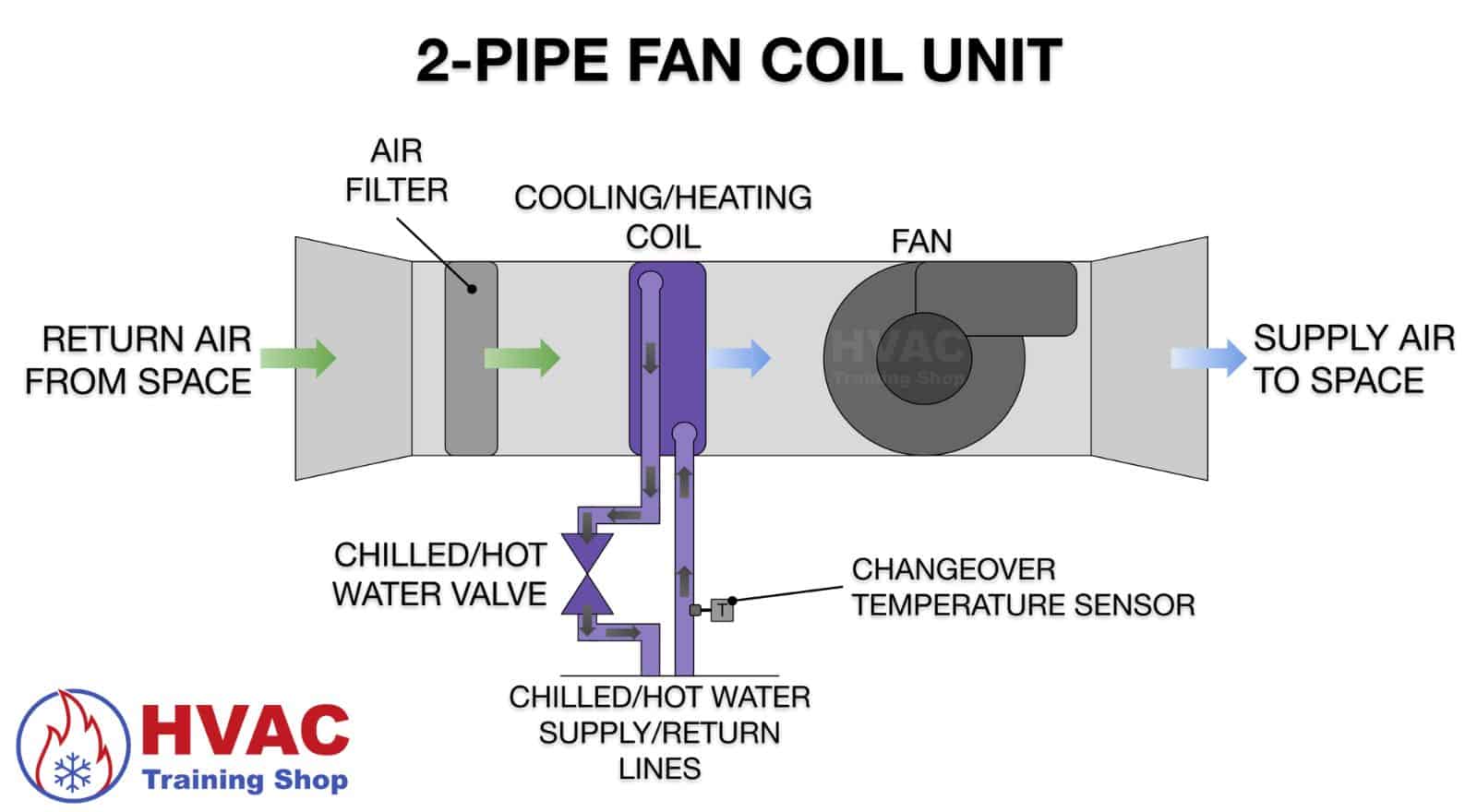
- 2-Pipe FCUs: These have one supply and one return pipe. They can only provide either heating or cooling at a time. Switching between modes typically happens seasonally across an entire building. They are less expensive but offer less individual control.
- 4-Pipe FCUs: These have separate supply and return pipes for both hot and cold water. This allows for simultaneous heating and cooling in different zones of a building, providing greater flexibility.
Q4: What are the advantages and disadvantages of using fan coil units?
Like any HVAC system, FCUs have their pros and cons:
Advantages:
- Individual Zone Control: Residents or occupants can control the temperature in their own space. This is a major advantage over systems that provide a uniform temperature throughout the building.
- Relatively Low Cost: FCUs are generally less expensive to install than some other centralized HVAC systems.
- Space Saving: They take up relatively little space compared to other HVAC equipment.
- Quiet Operation: Modern FCUs can be quite quiet, especially those with variable speed fans.
- Easy Maintenance: FCUs are relatively simple to maintain, with readily accessible filters and components.
Disadvantages:
- Reliance on Central Plant: FCUs depend on a central boiler/chiller plant. If that system fails, all FCUs connected to it will be affected.
- Potential for Leaks: Water pipes running to each unit present a potential for leaks.
- Filter Maintenance: Filters need to be cleaned or replaced regularly to maintain efficiency and air quality. Neglecting this can lead to reduced performance and increased energy consumption.
- Noise Concerns: Older or poorly maintained FCUs can be noisy.
- Condensation Issues: In humid climates, condensation can form on the coil, requiring a drain pan and proper insulation to prevent water damage.
Q5: How do I maintain my fan coil unit?
Proper maintenance is crucial for the efficient operation and longevity of your FCU. Here are some essential maintenance tasks:
- Filter Cleaning/Replacement: This is the most important maintenance task. Clean or replace the filter every 1-3 months, depending on air quality and usage. A dirty filter restricts airflow, reduces efficiency, and can damage the fan motor.
- Coil Cleaning: Dust and debris can accumulate on the coil, reducing its heat transfer efficiency. Clean the coil at least once a year using a vacuum cleaner with a brush attachment or a coil cleaner spray. Consult a professional for more thorough cleaning.
- Drain Pan Cleaning: Check the drain pan regularly and clean it to prevent mold and mildew growth, which can cause odors and drainage problems. Use a mild bleach solution.
- Inspect for Leaks: Regularly inspect the water connections and pipes for any signs of leaks. Address any leaks promptly to prevent water damage.
- Lubricate Fan Motor: Some fan motors require occasional lubrication. Refer to the manufacturer's instructions.
- Professional Inspection: Have your FCU professionally inspected every 1-2 years. A technician can identify and address potential problems before they become major issues.
- Thermostat Calibration: Ensure your thermostat is properly calibrated to accurately reflect the room temperature.
Important Note: Always disconnect the power to the FCU before performing any maintenance.
Q6: How can I improve the energy efficiency of my fan coil unit?
There are several ways to improve the energy efficiency of your FCU:
- Regular Filter Changes: As mentioned before, a clean filter is essential for efficient operation.
- Upgrade to a Programmable Thermostat: A programmable thermostat allows you to set different temperature schedules for different times of the day, reducing energy consumption when you're not in the room.
- Seal Air Leaks: Seal any air leaks around the FCU unit or in the room to prevent drafts and heat loss/gain.
- Proper Insulation: Ensure that the water pipes are properly insulated to minimize heat loss or gain.
- Variable Speed Fan Motor: Consider upgrading to an FCU with a variable speed fan motor. These motors can adjust the fan speed based on the heating or cooling demand, saving energy.
- Consider a Newer, More Efficient Model: If your FCU is old and inefficient, consider replacing it with a newer, more energy-efficient model. Look for models with Energy Star certification.
- Professional Tune-Up: A professional HVAC technician can perform a tune-up to optimize the performance of your FCU and identify any potential energy-wasting issues.
- Use Window Coverings: Using blinds, curtains, or other window coverings can help to reduce solar heat gain in the summer and heat loss in the winter.
Q7: When should I call a professional to service my fan coil unit?
While some maintenance tasks can be performed by homeowners, it's important to call a professional HVAC technician for the following situations:
- Significant Leaks: Any significant water leaks require immediate attention to prevent water damage.
- Unusual Noises: Loud or unusual noises coming from the FCU could indicate a mechanical problem.
- Lack of Heating or Cooling: If the FCU is not providing adequate heating or cooling, even after checking the filter and thermostat, there may be a more serious issue.
- Electrical Problems: Any electrical issues, such as sparks or a burning smell, should be addressed by a qualified electrician.
- Coil Cleaning (Severe Buildup): If the coil is heavily soiled and cannot be cleaned effectively with a vacuum cleaner or coil cleaner spray, professional cleaning may be required.
- Refrigerant Leaks (if applicable): Some FCUs may contain a small amount of refrigerant. If you suspect a refrigerant leak, call a professional immediately. Note: Most FCUs use chilled or hot water and do not contain refrigerant.
- Annual Inspection: Scheduling a professional inspection at least every other year can help to identify and address potential problems before they become major issues.
By understanding the basics of fan coil units and following these maintenance tips, you can ensure that your FCU operates efficiently and effectively for years to come. Always consult with a qualified HVAC professional for any questions or concerns about your FCU system.