What Is Indoor Wet Bulb Temperature
Understanding Indoor Wet Bulb Temperature: A Guide for Homeowners
As a homeowner, understanding the nuances of your home's environment is crucial for maintaining comfort and energy efficiency. While you're likely familiar with temperature and humidity, there's another metric that plays a vital role in how your HVAC system performs: wet bulb temperature. This article will break down what wet bulb temperature is, how it affects your home, and what you can do to optimize it.
What is Wet Bulb Temperature?
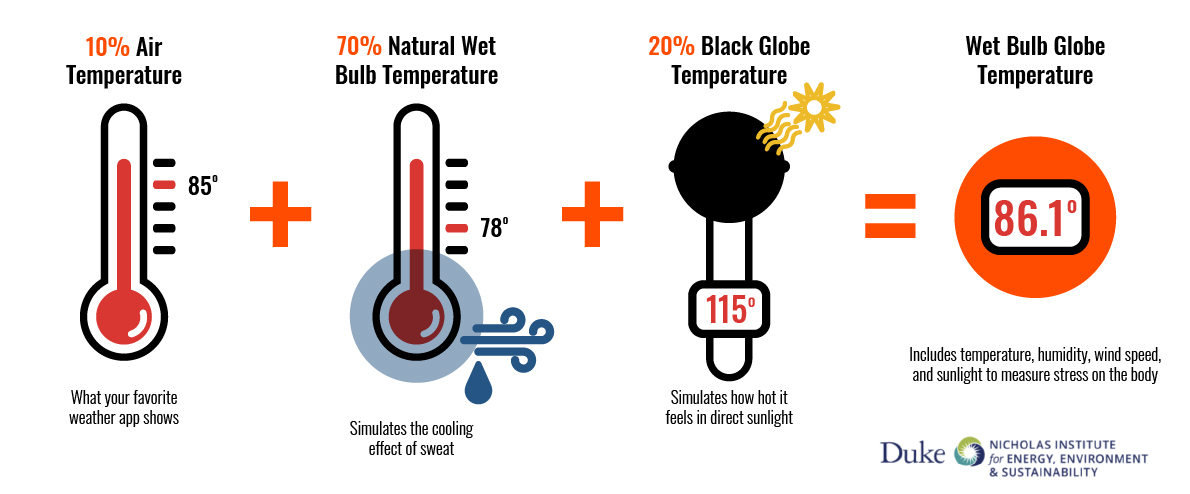
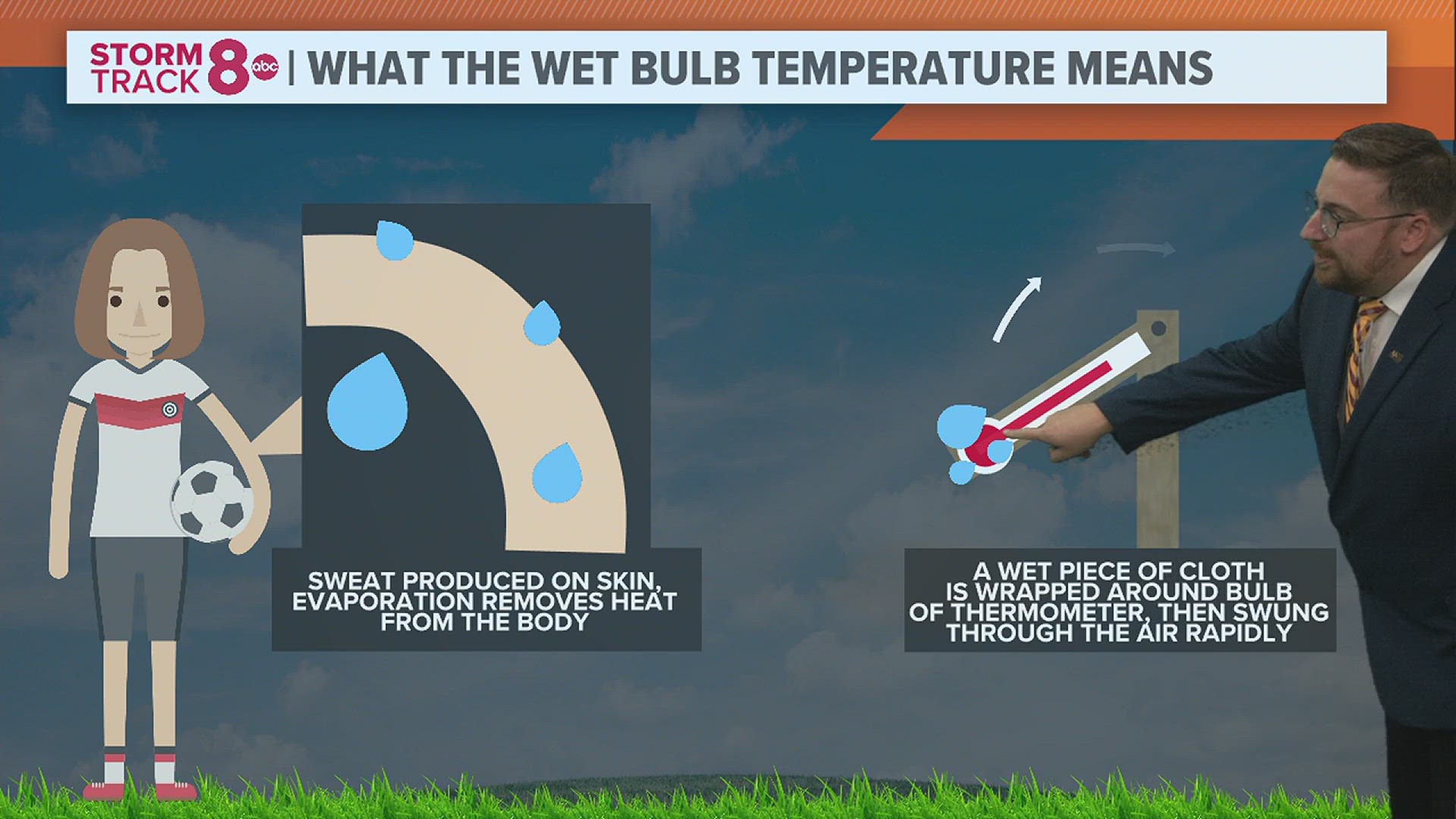
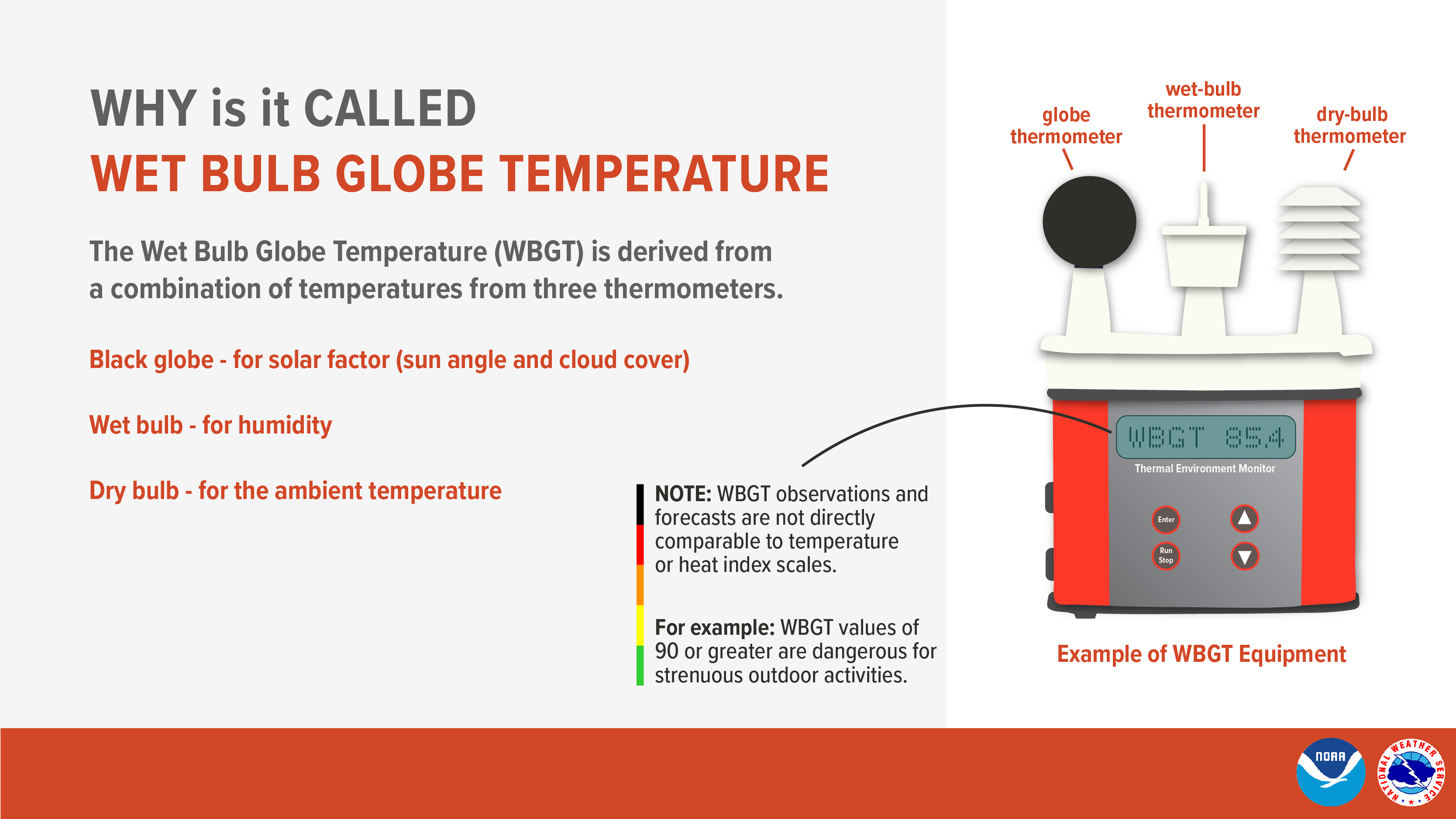
Simply put, wet bulb temperature is the temperature a parcel of air would have if it were cooled to saturation (100% relative humidity) by the evaporation of water into it, with the latent heat being supplied by the parcel. Imagine wrapping a wet cloth around a thermometer and blowing air over it. The temperature on the thermometer will drop as the water evaporates, cooling the bulb. The lowest temperature the thermometer reaches is the wet bulb temperature.
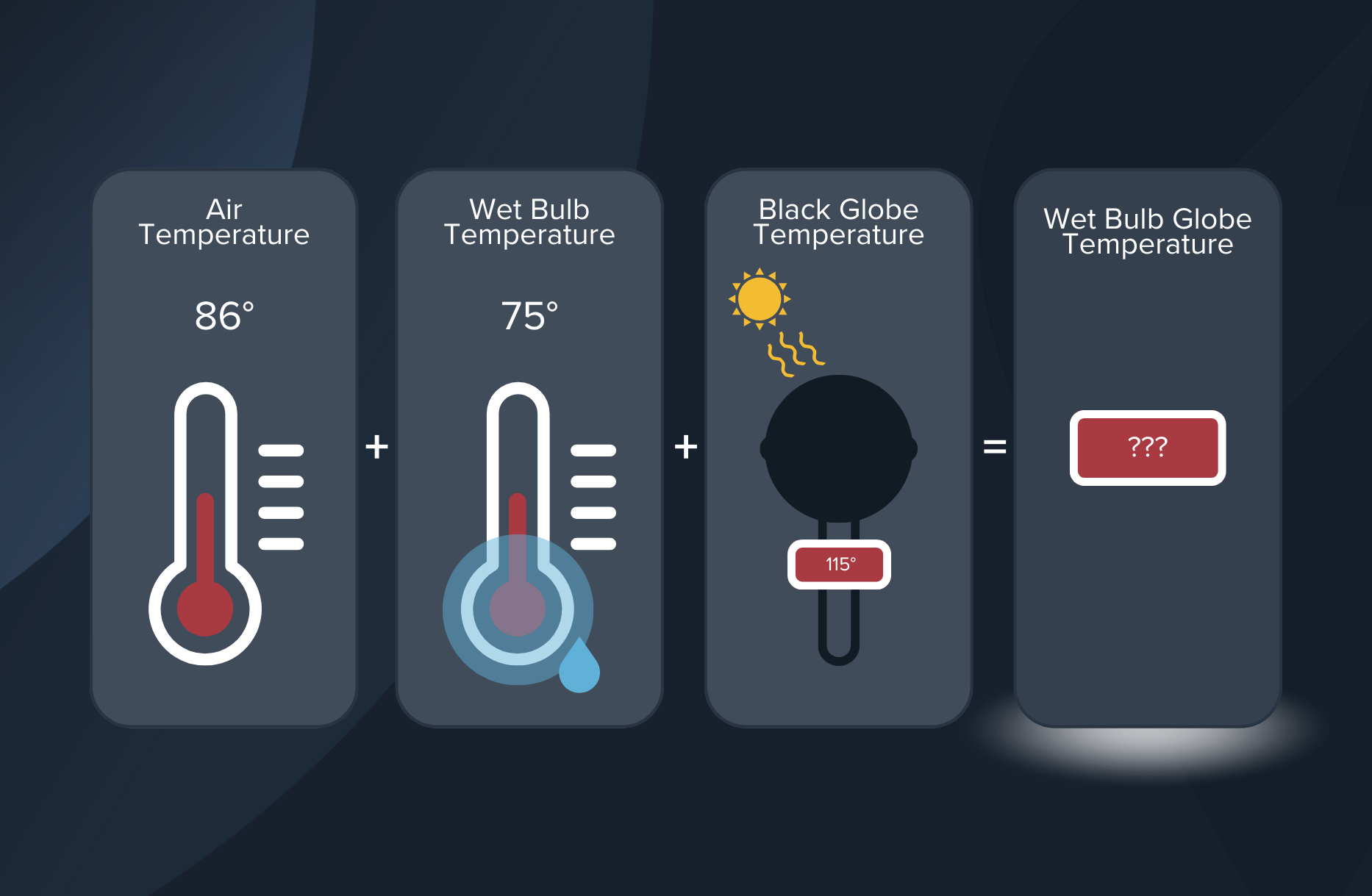
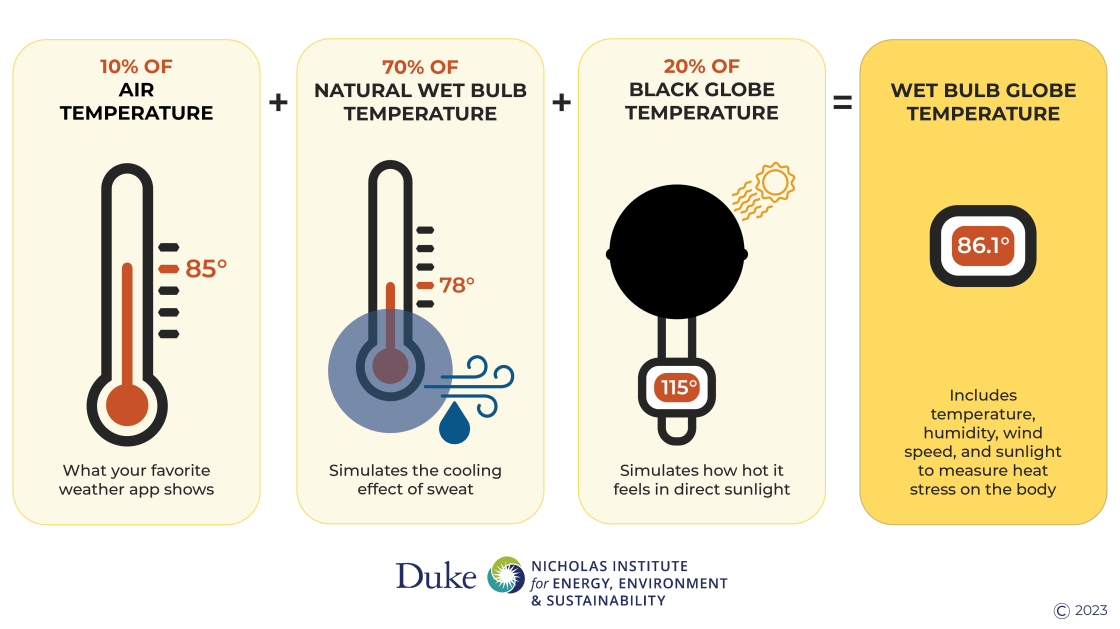
Unlike dry bulb temperature (the standard temperature we usually refer to), wet bulb temperature takes into account both temperature and humidity. This makes it a more accurate measure of how hot or cold something feels and is a key indicator of how well evaporative cooling, like sweating or swamp coolers, will work.
Why is Wet Bulb Temperature Important for Your Home?
Understanding wet bulb temperature is important for several reasons:
- Comfort: Wet bulb temperature is a better indicator of comfort than dry bulb temperature alone. High wet bulb temperatures can make you feel hotter and more uncomfortable, even if the dry bulb temperature isn't excessively high. This is because your body's natural cooling mechanism (sweating) becomes less effective as humidity rises.
- HVAC Performance: Your air conditioner works by removing heat and humidity from the air. High wet bulb temperatures mean your AC has to work harder to remove moisture, potentially reducing its efficiency and increasing your energy bills.
- Mold Growth: High humidity, which contributes to high wet bulb temperatures, can create an environment conducive to mold growth. Mold can damage your home and pose health risks.
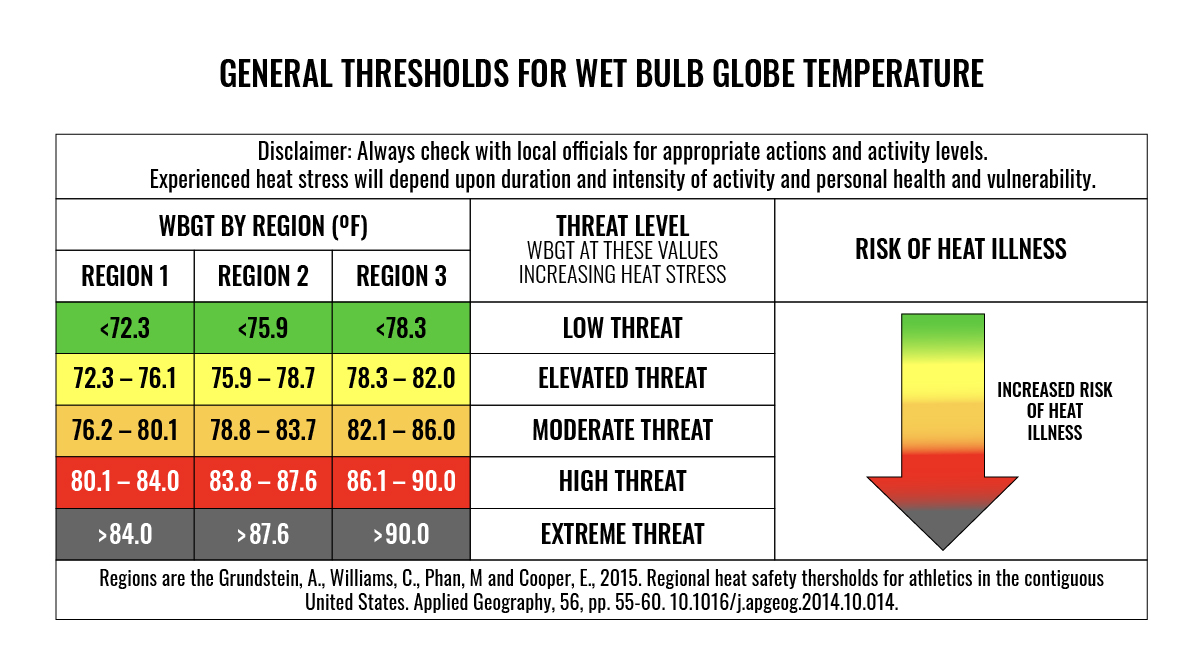
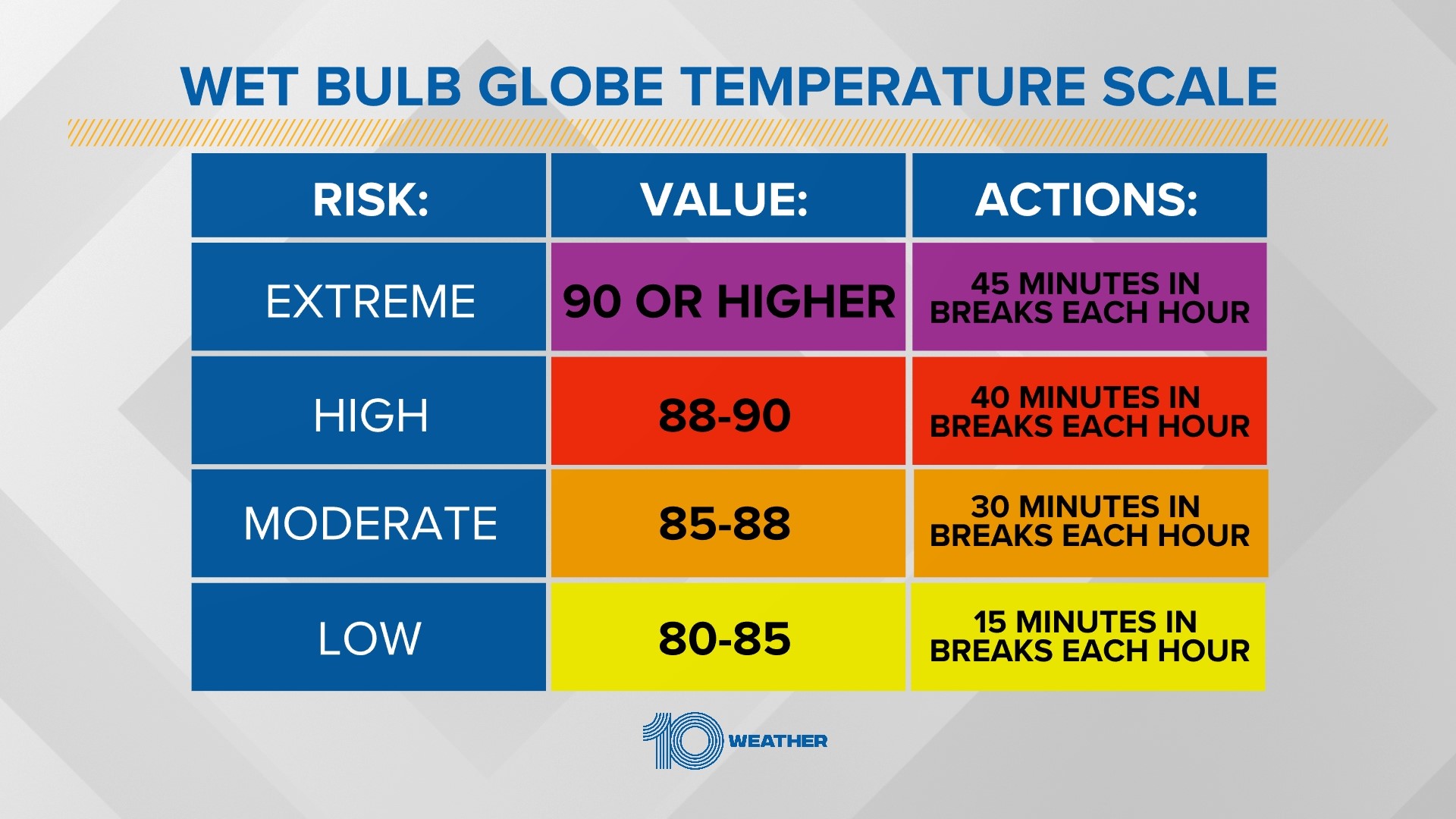
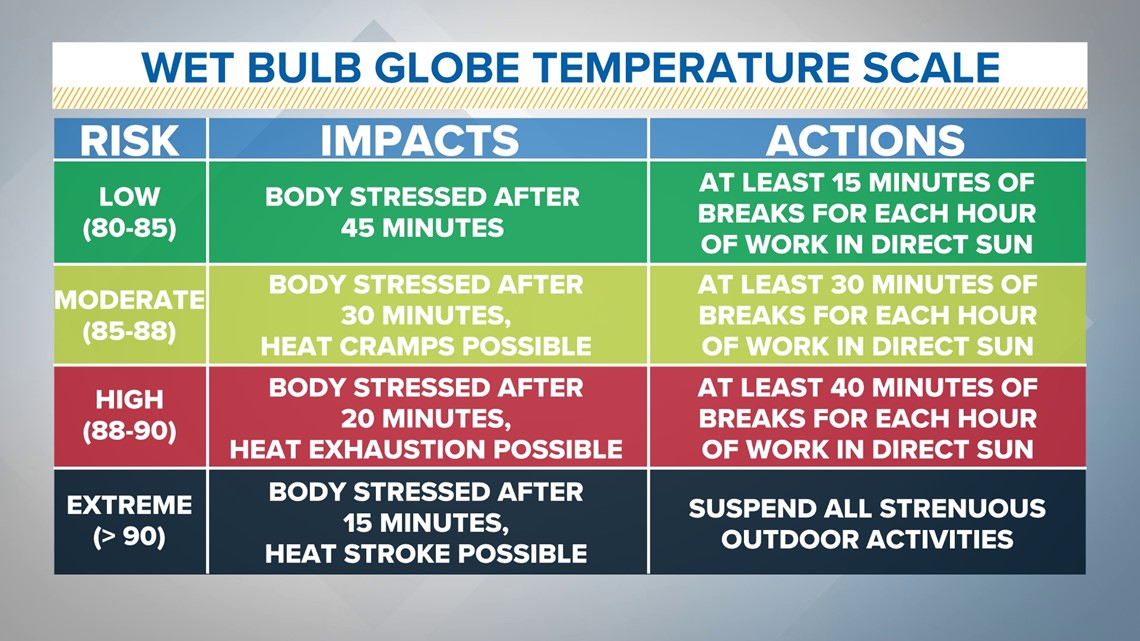
- Health: Extreme heat and humidity, as indicated by a high wet bulb temperature, can lead to heat exhaustion or heat stroke, especially for vulnerable populations like the elderly and young children.
Measuring Wet Bulb Temperature
While you can purchase specialized instruments to measure wet bulb temperature, a simple method involves using a sling psychrometer, which contains both a dry-bulb and a wet-bulb thermometer. Here's the general process:
- Prepare the Psychrometer: Wet the wick covering the bulb of the wet-bulb thermometer with distilled water.
- Sling the Psychrometer: Whirl the psychrometer vigorously for a few minutes. The air movement will cause evaporation from the wet wick, lowering the wet-bulb temperature.
- Read the Temperatures: Quickly read both the dry-bulb and wet-bulb temperatures.
- Calculate Relative Humidity: Use a psychrometric chart or an online calculator, inputting the dry-bulb and wet-bulb temperatures to determine the relative humidity. From the relative humidity you can determine the wet bulb temperature.
Alternatively, many smart thermostats and indoor environmental monitors now provide wet bulb temperature readings directly.
Factors Affecting Indoor Wet Bulb Temperature
Several factors can influence the wet bulb temperature inside your home:
- Outdoor Conditions: The temperature and humidity of the outside air significantly impact the indoor wet bulb temperature.
- Indoor Activities: Activities like cooking, showering, and even breathing add moisture to the air, raising the wet bulb temperature.
- Ventilation: Poor ventilation traps moisture inside, leading to higher wet bulb temperatures.
- Leaky Windows and Doors: Air leaks can allow humid outside air to enter your home.
- Appliances: Certain appliances, like humidifiers and some types of clothes dryers, can increase indoor humidity.
Troubleshooting High Wet Bulb Temperature: DIY Solutions
If you're experiencing high wet bulb temperatures in your home, here are some DIY steps you can take:
- Improve Ventilation: Open windows and doors (when outdoor humidity is lower than indoor humidity) to allow fresh air to circulate. Use exhaust fans in bathrooms and kitchens during and after activities that generate moisture.
- Fix Leaks: Seal any air leaks around windows, doors, and pipes.
- Reduce Moisture Sources: Take shorter showers, repair leaky faucets, and vent your clothes dryer to the outside.
- Use a Dehumidifier: A dehumidifier can remove excess moisture from the air, lowering the wet bulb temperature.
- Check Your AC: Ensure your air conditioner is functioning properly. Clean or replace the air filter, and make sure the outdoor unit is free of debris.
- Optimize Fan Settings: Run your HVAC fan on "auto" mode instead of "on" to prevent blowing humid air around when the AC isn't actively cooling. Consider using ceiling fans to circulate air and improve comfort.
When to Call a Professional
While some solutions are DIY-friendly, certain issues require professional attention. Call an HVAC technician if you experience any of the following:
- AC Not Cooling Effectively: If your AC isn't cooling your home properly, even after cleaning the filter and checking for obstructions, there may be a more serious problem, such as a refrigerant leak or a malfunctioning compressor.
- Frozen Evaporator Coil: A frozen evaporator coil can indicate a refrigerant issue or airflow problem.
- Strange Noises or Odors: Unusual noises or burning smells from your HVAC system warrant immediate attention.
- Suspected Mold Growth: If you suspect mold growth in your home, it's best to consult with a professional mold remediation specialist.
- Complex HVAC Repairs: Attempting complex repairs without the proper knowledge and tools can be dangerous and could void your warranty. Refrigerant handling, electrical work, and compressor repairs should always be performed by a licensed HVAC technician.
Cost Considerations
The cost of addressing high wet bulb temperature issues can vary widely depending on the cause. Here's a general idea of potential expenses:
- Dehumidifier: $150 - $400 (depending on size and features)
- Air Sealing: $200 - $500 (depending on the extent of the leaks)
- HVAC Tune-Up: $75 - $200
- AC Repair (Minor): $100 - $500 (e.g., replacing a capacitor)
- AC Repair (Major): $500 - $2000+ (e.g., compressor replacement, refrigerant leak repair)
- Mold Remediation: $500 - $5000+ (depending on the extent of the mold)
Always get multiple quotes from qualified HVAC technicians or mold remediation specialists before committing to any work.
Safety First!
When tackling any DIY project, safety should always be your top priority:
- Turn Off Power: Before working on any electrical components, always turn off the power at the breaker.
- Wear Protective Gear: Wear safety glasses, gloves, and a dust mask when necessary.
- Follow Instructions: Carefully read and follow the instructions for any products or tools you use.
- Don't Overextend Yourself: If a task seems too difficult or dangerous, call a professional.
Conclusion
Understanding indoor wet bulb temperature is a valuable tool for maintaining a comfortable and healthy home environment. By understanding the factors that influence it and taking proactive steps to manage it, you can improve your comfort, lower your energy bills, and protect your home from moisture-related problems. Remember to prioritize safety and don't hesitate to call a professional when needed. Keeping a close eye on this metric will keep your home comfortable and your HVAC running optimally.